




Imari Ware Platter
These imari ware platter examples bring centuries of Japanese ceramic skill to your home, offering bold patterns and rich colours.
Imari Ware Platter
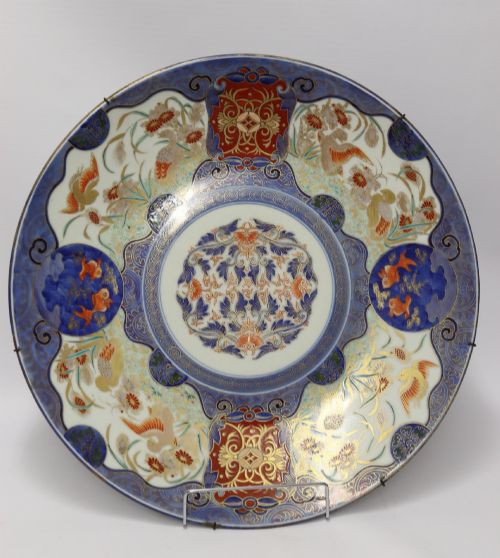
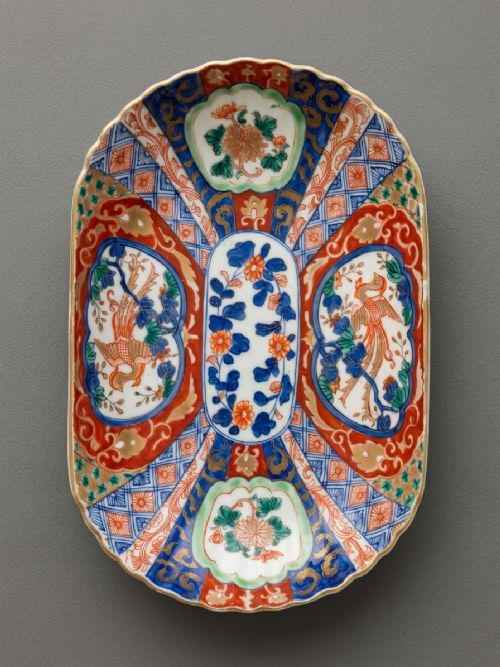
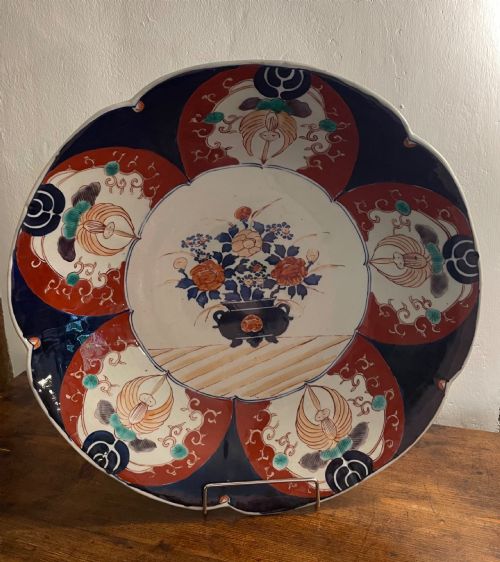
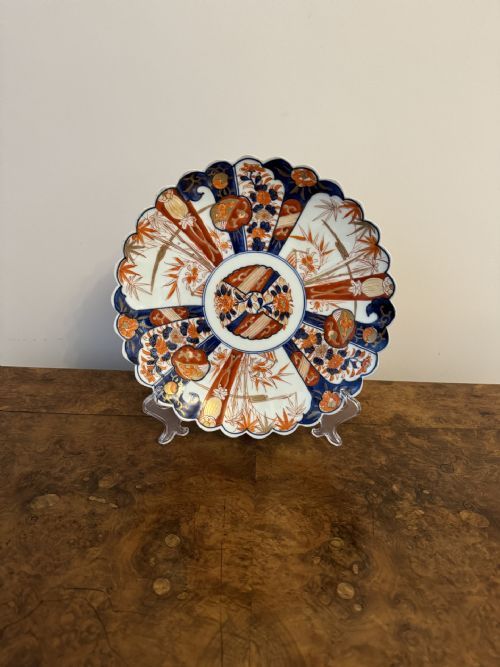
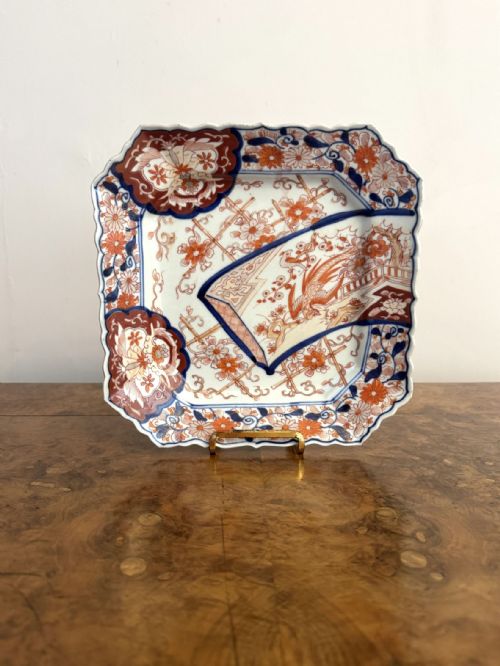
An imari ware platter represents traditional Japanese ceramic production spanning from the Edo period through the Meiji period and into the twentieth century. These pieces appear in forms such as chargers, dishes, scalloped plates, and square shapes.
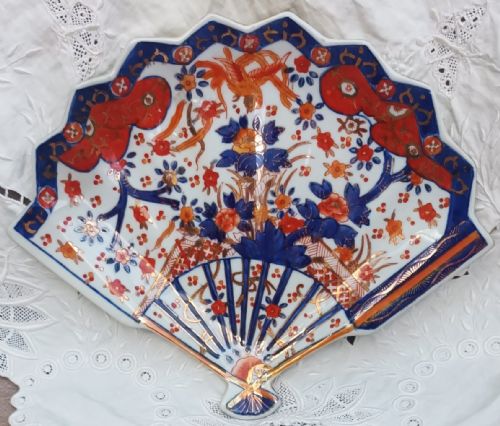
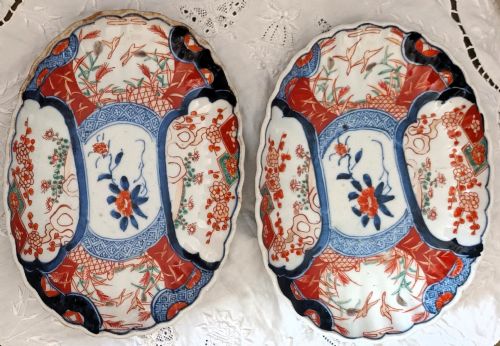
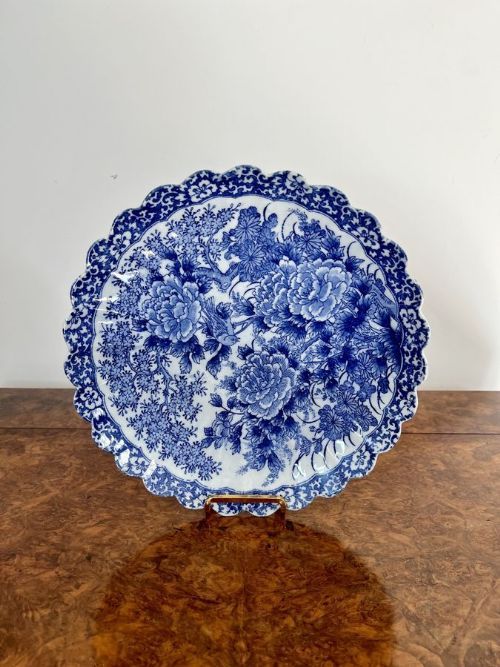
Dishes take various outlines including fan shapes, clam shells, and scalloped edges alongside traditional circular forms. Each serves as both a functional dish and a decorative display item for interiors.
How they were made
Potters shaped these items from porcelain and ceramic bodies before applying cobalt glaze for underglaze blue designs. Artisans then added overglaze enamels and gold leaf or gilding to complete the surface decoration.
Firing took place in kilns to fix the glaze and metallic details onto the porcelain. Hand painting formed the core of the decoration process, covering surfaces with floral, bird, and scrolling foliate motifs.
Imari Ware Platter Retail Price Guide 2026
Typical asking prices for imari ware platter among the pieces listed under this phrase on Sellingantiques today, from the lower quarter to the upper quarter. They describe what is for sale here now, not the wider market.
Some antique plates arrived from Japan safely tucked inside their own custom storage boxes.
What varies in quality
The precision of the hand painting distinguishes standard items from superior examples. Crisp lines in the cobalt glaze and careful placement of enamel colours elevate a piece.
Unusual shapes, such as fan designs or clam shell forms, demand greater skill from the potter than simple circular plates. The richness of the applied gilding and the clarity of the porcelain body further separate tiers of quality.
The Imari Ware Platter Glossary
- Imari
- A style of Japanese porcelain decorated in underglaze blue, iron red, and gold. This palette developed in Hizen province and gained popularity for export.
- Charger
- A large decorative plate used historically for serving food or displayed upright on furniture. These items measure larger than standard dining plates.
- Aka-e
- Japanese ceramic decoration characterised by red overglaze painting. This technique often appears alongside cobalt blue elements.
- Meiji
- A period in Japanese history spanning from 1868 to 1912. Many decorative exported ceramics date from this era.
- Edo
- The period in Japanese history lasting from 1603 to 1868. Early imari ware originated during this time.
Imari Ware Platter: Frequently Asked Questions
How do I date imari ware?
Dating relies on stylistic shifts and historical periods associated with the piece. Earlier examples often connect to the Edo period while Meiji pieces reflect late 19th century export trends.
Examining the blue underglaze and the application of enamel colours helps place an item within a specific century.
Where were these platters made?
These items originated in Japan, specifically around the town of Arita in Hizen province. Kilns in this region produced porcelain for both domestic use and international trade.
Pots from these kilns reached European markets via Dutch traders, establishing the imari aesthetic abroad.
How were chargers displayed?
Chargers served as grand presentation pieces rather than everyday tableware. Households placed them on sideboards or hung them on walls to showcase the painted designs.
Their substantial size made them focal points in dining rooms and formal parlours.
What motifs appear on plates?
Common designs include floral arrangements, birds, and scrolling foliate borders. Artisans filled the surface with dense patterns using contrasting cobalt blue and iron red.
Occasional pieces feature specialist shapes like fans or shells that influence the layout of the painted scene.