




Antique Apothecary Glass
These antique apothecary glass pieces bring functional pharmacy history into domestic interiors through hand-blown vessels, jars, and carboys.
Antique Apothecary Glass
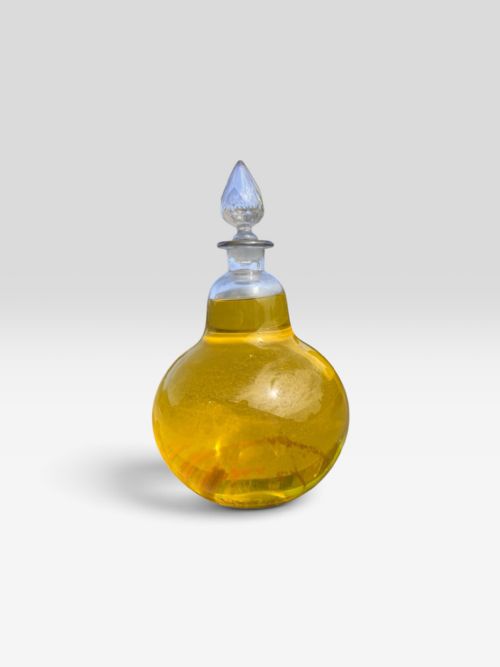
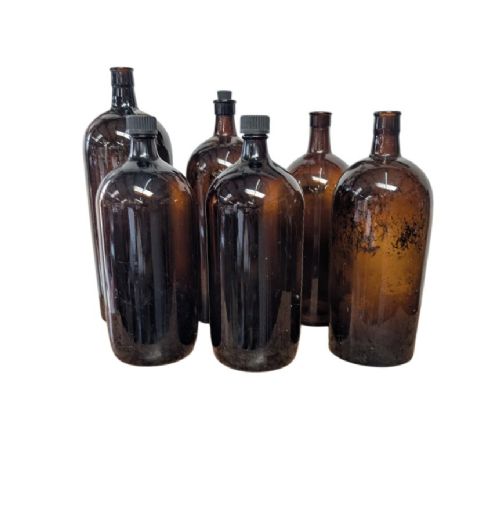
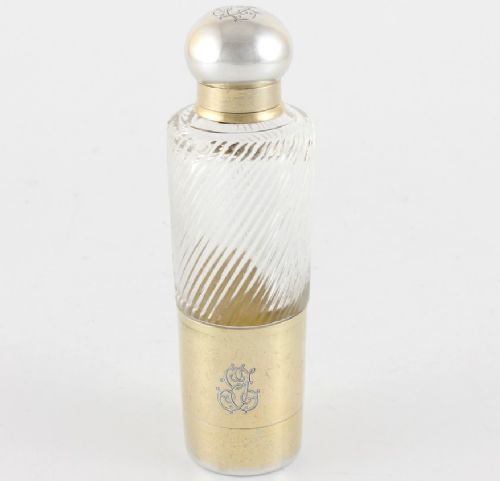
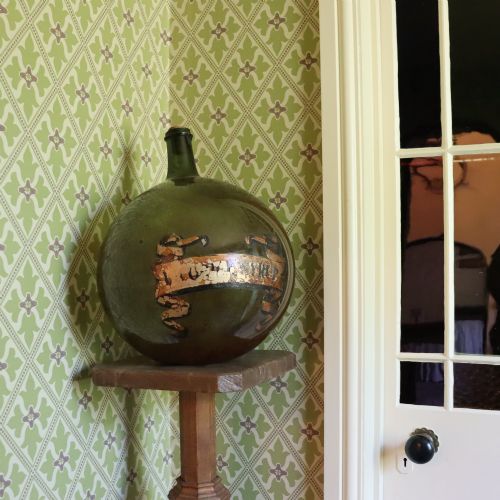
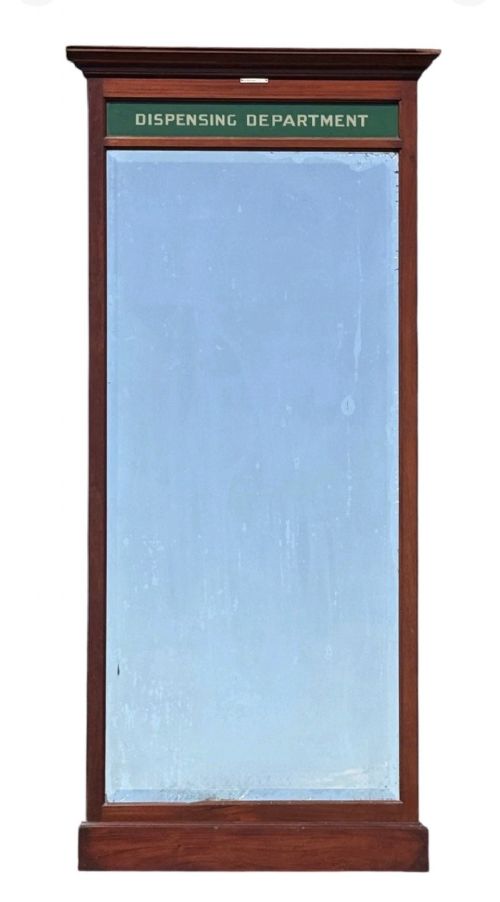
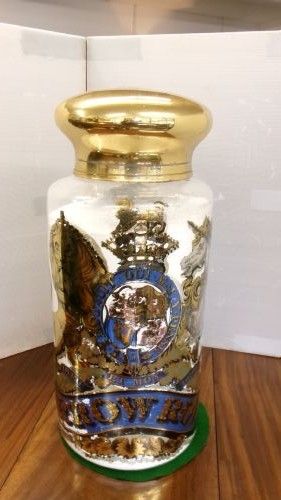
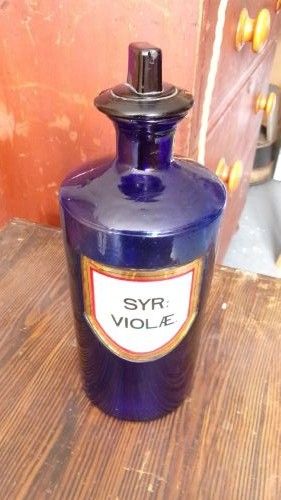
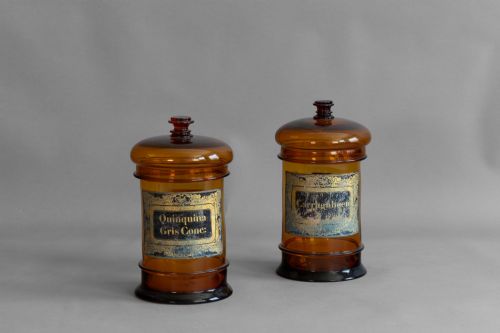
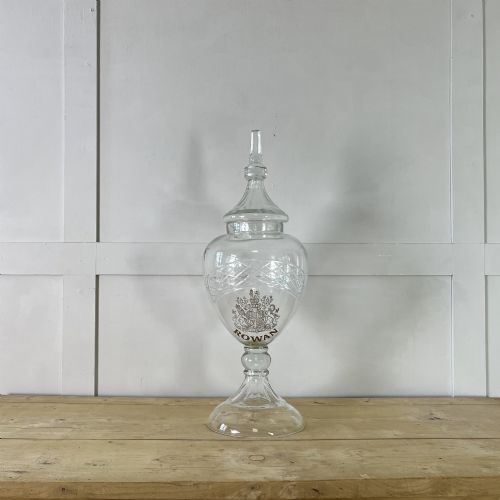
Antique apothecary glass encompasses practical vessels utilised in medicine, pharmacy, and dispensing departments during the nineteenth and early twentieth centuries. Buyers encounter hand-blown carboys, amber or blue chemist bottles with stoppers, and display jars originating from English, French, and Victorian commercial contexts.
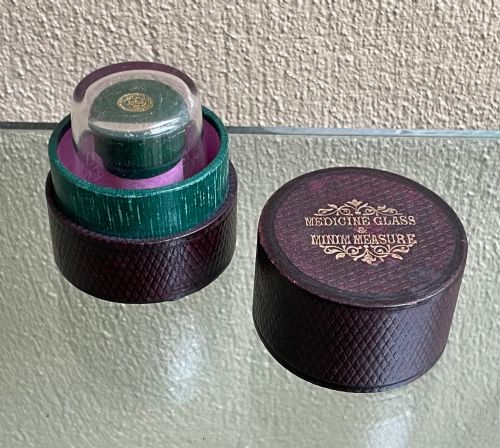
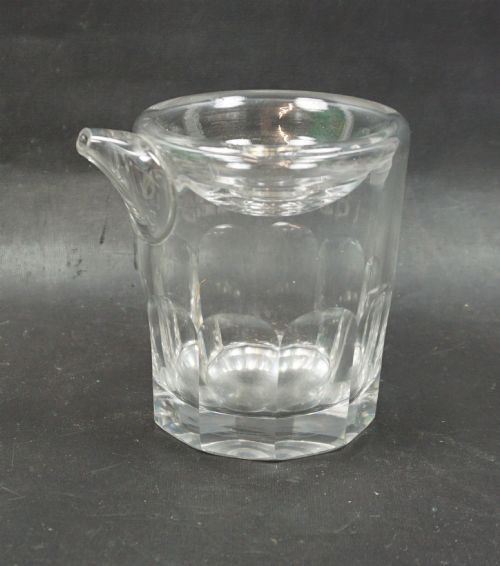
The selection frequently includes travelling medicine kits housed in mahogany or boxwood boxes alongside countertop display jars and measuring cups. These items reflect the operational needs of historical chemists and dispensers before mass production altered pharmaceutical packaging.
Quality Factors in Glass and Enclosures
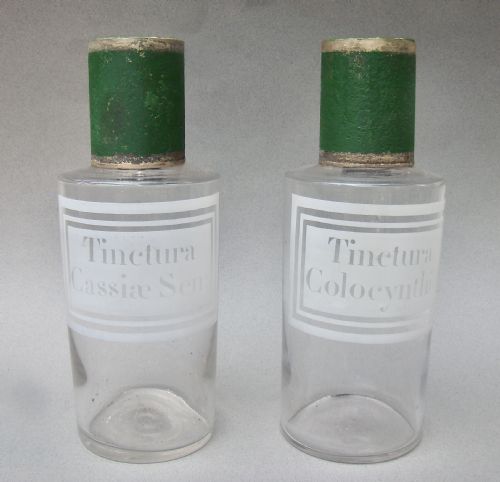
Quality rests upon the clarity and colour saturation of the glass, alongside the presence of matching original stoppers and legible paper or gold-leaf labels. Hand-blown examples with minimal damage and deep hues, such as Bristol blue or rich amber, demonstrate superior manufacture.
For fitted items like travelling chests and boxes, quality is determined by the integrity of the mahogany housing, original brass hardware, and the completeness of the internal glass bottles and measuring beakers.
Materials documented in the inventory span hand-blown glass, cut glass, moonstone glass, and polished mahogany.
Tonnel Paris
The Antique Apothecary Glass Glossary
- Carboy
- A large glass vessel, often spherical, traditionally displayed in chemist shop windows to indicate a pharmacy.
- Tincture Bottle
- A small glass container specifically designed to hold alcoholic extracts of plant or animal substances used in medicine.
- Pontil Mark
- The rough scar left on the base of hand-blown glass where the pontil rod was attached during manufacture.
- Lollipop Stopper
- A flat, rounded glass stopper shaped like a confectionery item, commonly found on Victorian chemist bottles.
- Apothecary Box
- A portable wooden chest fitted internally to safely transport medicine bottles, scales, and measuring cups.
Antique Apothecary Glass: Frequently Asked Questions
What were apothecary carboys used for?
Apothecary carboys held large volumes of distilled water or chemical solutions in chemist shops and dispensaries. Their prominent placement in windows served as a visual trade sign for passing customers.
Today, these large glass vessels function primarily as decorative interior objects, often mounted on stands or displayed near windows to catch natural light.
How do I date antique medicine bottles?
Dating relies on manufacturing characteristics such as pontil marks, seam lines, and the method applied for lettering or labelling. Hand-blown pieces without mould seams generally point to earlier periods.
Matching the bottle type with documented styles from Victorian, Georgian, or Edwardian eras helps narrow the date of manufacture.
Are original stoppers important for value?
Original stoppers ensure the historical integrity of an apothecary jar or bottle. Finding a piece retaining its matching, period-correct stopper is uncommon.
Collectors prioritise matching stoppers because replacements alter the visual balance and authenticity of the assembled vessel.
How should I clean antique glass?
Antique glass requires gentle cleaning with warm water and mild soap to preserve delicate interior residues and paper labels. Abrasive brushes and harsh detergents damage historical surfaces.
Labels should remain completely dry during maintenance to prevent detachment or staining of the paper.