
19th Century Apothecary
These pieces comprise a 19th century apothecary selection, offering utilitarian storage vessels and medical containers prized for their historical practicality and distinct craftsmanship.
19th Century Apothecary
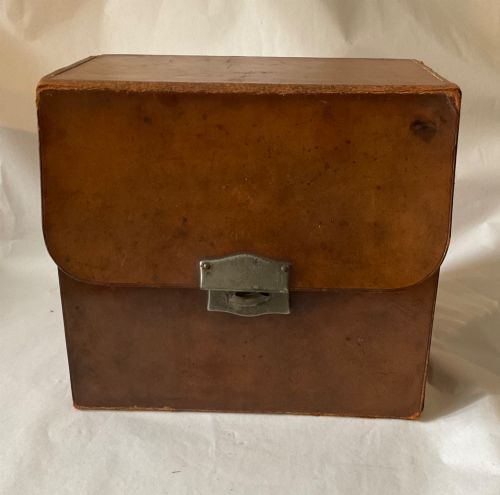
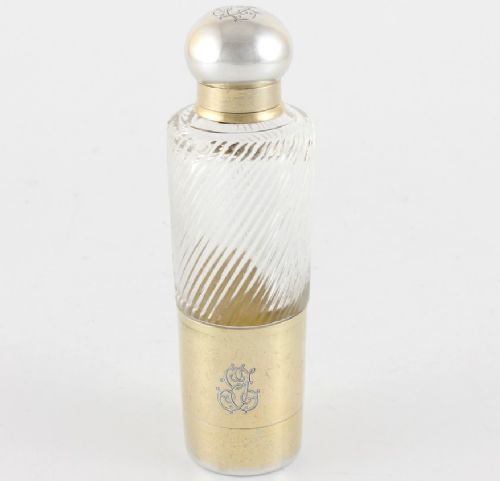
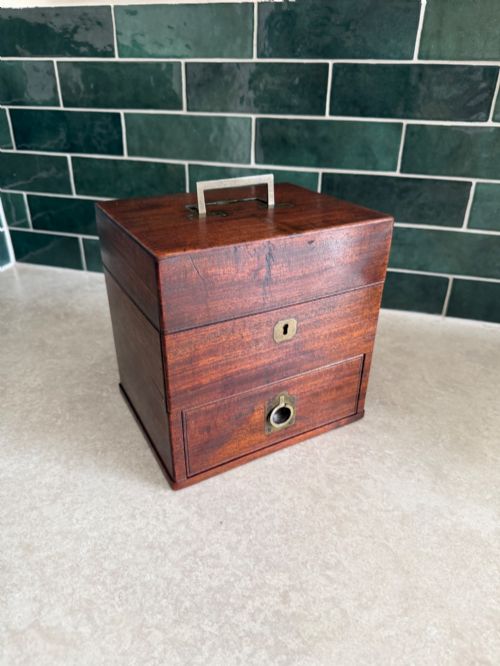
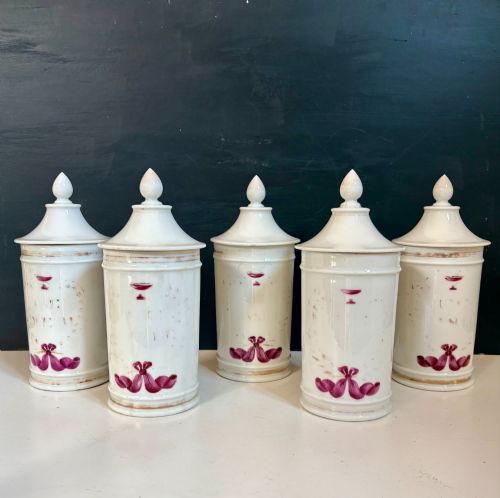
A 19th century apothecary collection includes multi-drawer storage cabinets, travel chests fitted with internal glass bottles, and large pharmacy jars made from glass or earthenware. These items originated in dispensaries, surgeries, and homes to store dried herbs, compounding ingredients, and liquid medicines.
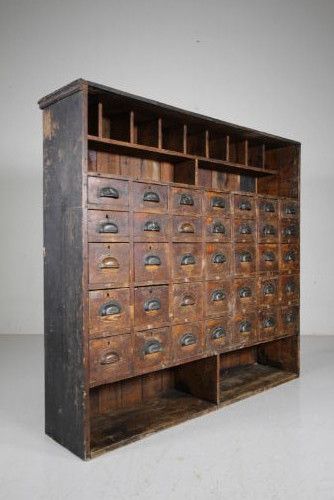
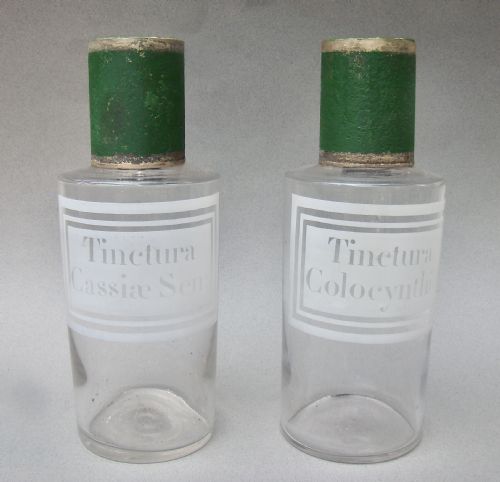
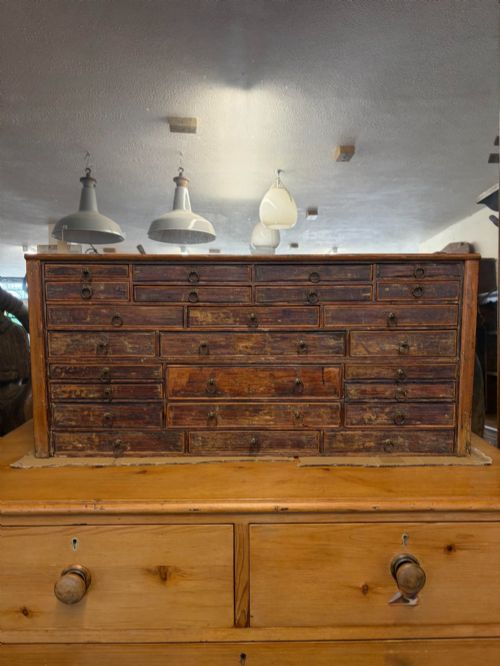
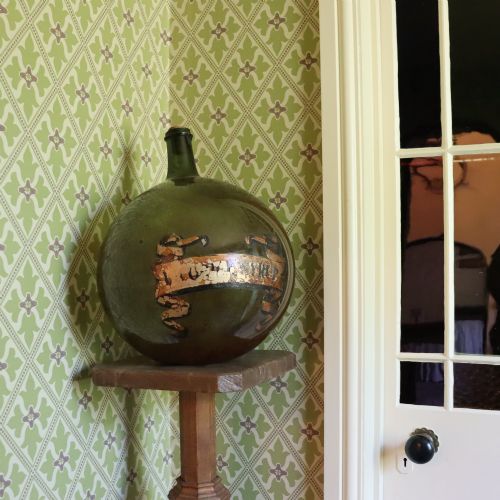
Buyers frequently encounter portable wooden boxes lined with compartments alongside substantial banks of drawers salvaged from chemist shops. Glass carboys and storage jars appear regularly, often retaining period labels or etched lettering indicating their original contents.
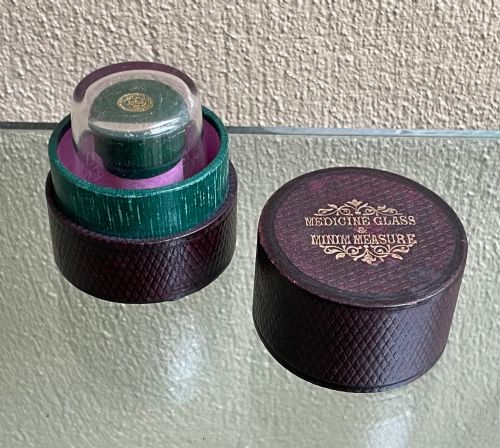
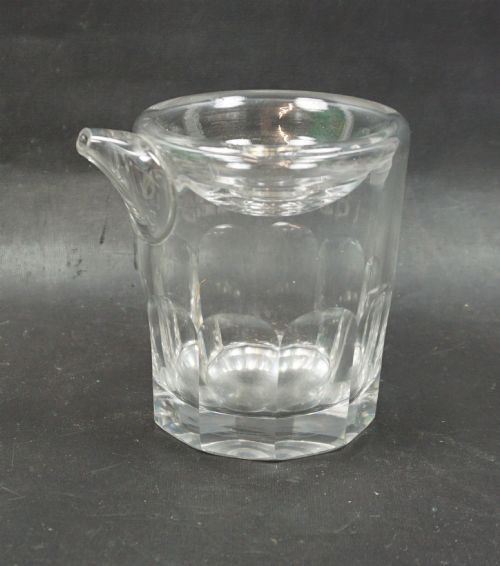
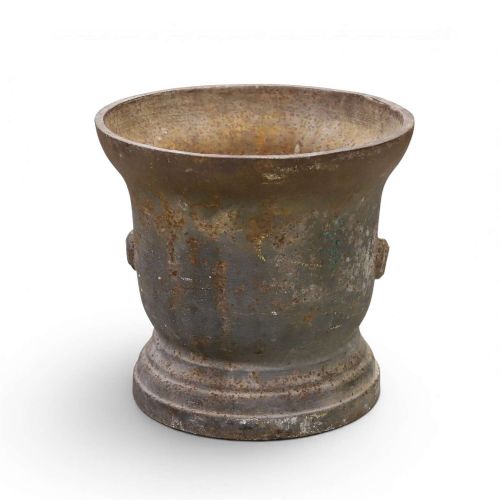
The selection encompasses utilitarian items ranging from ceramic mortars and pestles to specialised feeding cups and lancets. These domestic and professional instruments reflect the practical needs of nineteenth-century medicine and apothecary practice.
Materials and Construction Methods
Makers utilised dense hardwoods such as mahogany and rosewood for portable travelling cases and desktop cabinets, joining them with tight dovetails to withstand frequent movement. Pine, deal, and elm served for larger banks of drawers and wall cupboards intended for fixed dispensary use.
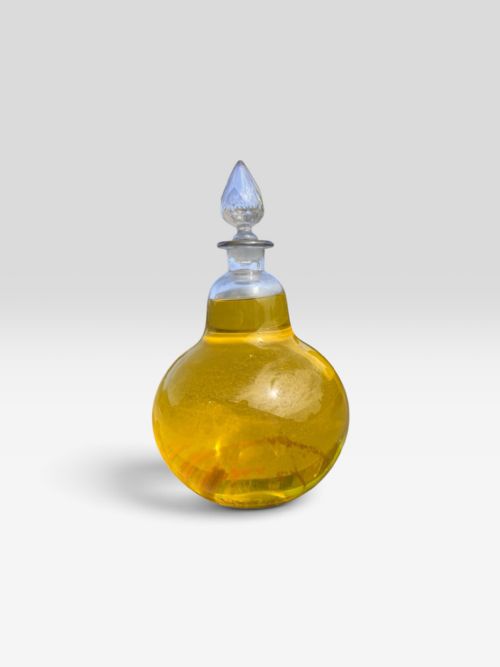
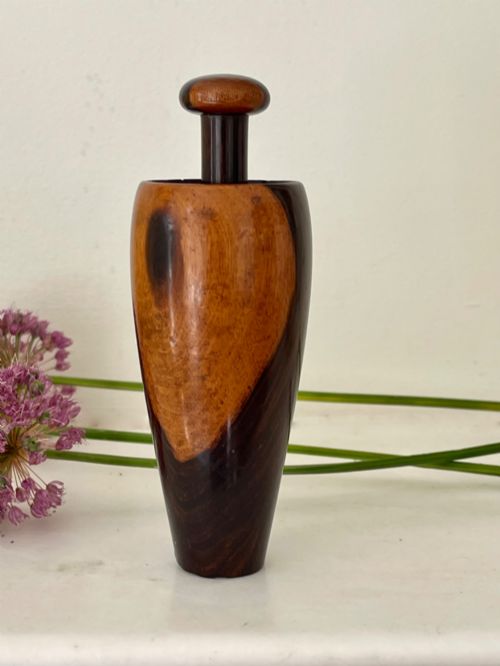
Glass vessels were commonly hand-blown, resulting in irregular wall thickness, visible pontil marks, and bubbles trapped within the material. Workshops also shaped metal components from brass, bronze, cast iron, and tin glaze, alongside turned treen items carved from boxwood and fruitwood.
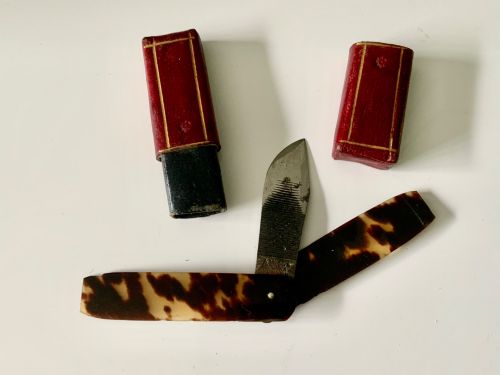
Veterinary lancets wait quietly inside nineteenth-century cases, having once tended to horses before shifting to collector display shelves.
Evaluating Construction and Completeness
Quality depends upon the survival of original internal fittings, such as intact glass stoppers, graduated measuring glasses, and intact pharmacy labels. Cabinets featuring working brass locks, keys, and untouched secondary woods command greater interest among collectors.
The clarity and depth of hand-blown glass, along with crispness in etched or gilded bottle labels, separate standard utility containers from finer display pieces. Cabinetry standards rest on tight drawer joints, matching timber selections, and minimal replacement hardware.
Samuel Alcock and Co·Tonnel Paris
The 19th Century Apothecary Glossary
- Carboy
- A large glass bottle with a narrow neck, traditionally placed in chemist windows to signal a dispensary. These vessels held distilled water or bulk medicinal liquids.
- Albarello
- An earthenware jar of cylindrical shape, slightly waisted in the middle, used by apothecaries for storing dry or semisolid drugs.
- Treen
- Small domestic and professional wooden objects made by turning on a lathe or carving by hand. Examples include spice mortars, measure cups, and medical stethoscopes.
- Mortar and pestle
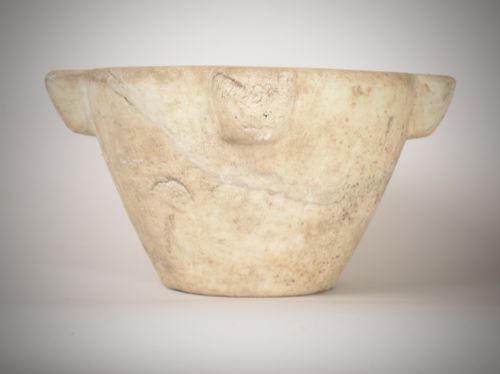
- A heavy bowl paired with a club-shaped tool used for grinding and mixing pharmaceutical substances. Materials include marble, bronze, iron, and ceramic.
- Bank of drawers
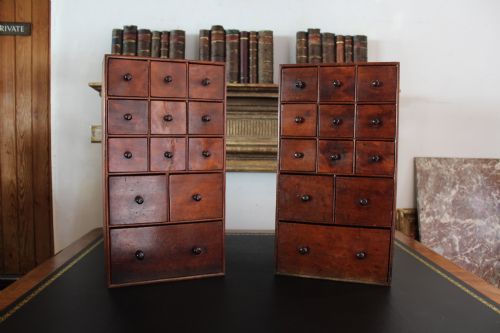
- A large cabinetry unit containing many small compartments designed to organise herbs, powders, and pills. These pieces often originated in regional chemist shops.
19th Century Apothecary: Frequently Asked Questions
What did apothecary cabinets contain?
These cabinets housed glass bottles, scales, weights, and various powders used for compounding medical treatments. The internal layouts were strictly arranged to keep volatile or frequently prescribed substances within reach.
Smaller boxes travelled with physicians on house calls, while larger drawer units remained fixed on the worktops of local dispensaries.
How do I identify glass apothecary jars?
Period jars typically display hand-blown characteristics such as uneven surfaces, pontil marks on the base, and suspended air bubbles. Many feature gilded paper labels or direct etching identifying specific compounds.
Colours range from clear and amber to deep cobalt blue and turquoise, often chosen to protect light-sensitive contents from degradation.
Where were apothecary chests used?
Apothecary chests served in professional chemist shops, hospital dispensaries, and country houses where families managed their own healthcare. Travelling versions accompanied doctors, military officers, and ship captains on extended journeys.
Their robust construction in mahogany or pine ensured the fragile glass bottles inside remained secure during transport.
Are apothecary drawers modular?
Most antique banks of drawers were built as single, solid units tailored to the specific wall space of a chemist shop. Modular or stackable systems are uncommon among nineteenth-century survivals.
Joinery typically involves dovetailed pine carcasses and hardwood drawer fronts built to endure heavy daily use.