
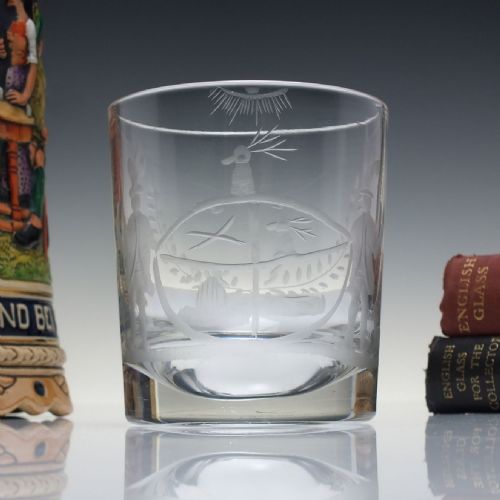


Victorian Glass Beaker
These victorian glass beaker examples are robust tablewares and cabinet pieces that bring rich nineteenth-century colour and decoration to any interior.
Victorian Glass Beaker
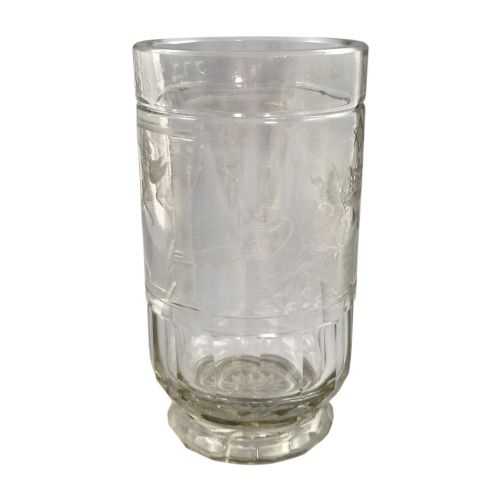
When you search for a victorian glass beaker, you encounter an array of functional drinking vessels and decorative cylinders produced throughout the nineteenth century. These objects span simple medicine glass measures alongside elaborate engraved ceremonial items and richly coloured display pieces.
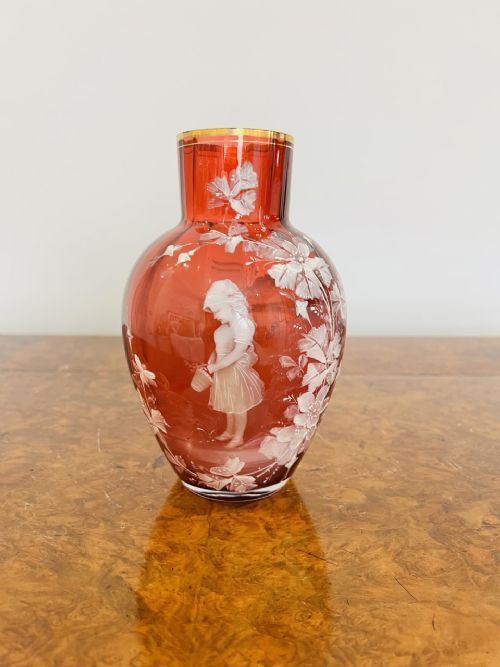
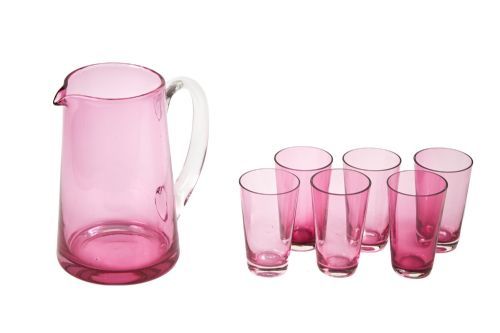
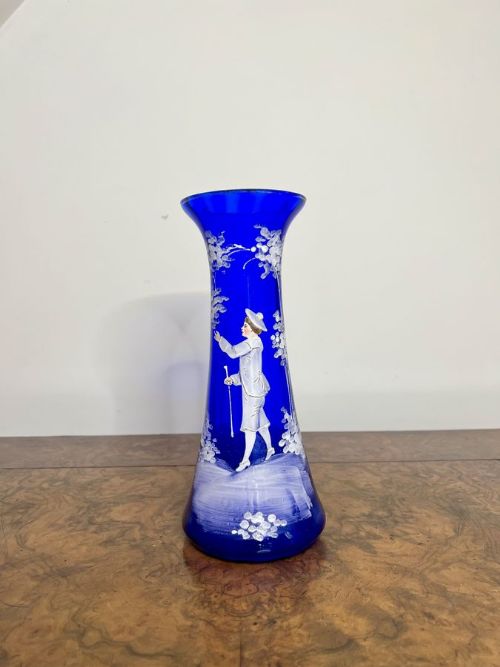
The pieces on this page appear in clear glass, ruby flash, cranberry, blue, and vaseline variants. Many hail from British workshops or continental centres like Bohemia and Germany, reflecting the wide stylistic exchange of the period.
Materials and methods of production
Makers shaped these items using traditional glassblowing techniques, often incorporating gold leaf, white enamel paint, or engraved motifs into the surface. The application of silver mounts, notably sterling silver rims and flasks bearing assay dates, demonstrates skilled metalwork collaboration.
Specialised decorative treatments such as the Mary Gregory style utilise white enamel to depict figures in woodland settings. Flash glass techniques required a thin layer of coloured glass applied over a clear base before wheel engraving cut through the upper layer to expose the contrasting colour underneath.
Materials recorded across the selection include clear glass, gold leaf, sterling silver, ruby flash glass, and white enamel.
Assessing quality in nineteenth-century glassware
The distinction between standard utility items and superior examples lies in the crispness of the wheel engraving and the depth of the coloured glass. Intricate detailing in gilded or enamelled motifs elevates a piece significantly.
Integrity of materials also dictates standing, such as the inclusion of hallmarked sterling silver mounts or well-preserved gold leaf. Heavier gauge glass and balanced proportions distinguish finer workshop output from mass-produced wares.
Davidson·Whitefriars
The Victorian Glass Beaker Glossary
- Cranberry glass
- A rich red-pink transparent glass coloured with gold chloride. This material gained immense popularity during the Victorian era for tableware and decorative vessels.
- Ruby flash glass
- Clear glass coated with a thin outer layer of ruby red glass. Artisans cut through this outer layer to create contrasting clear or frosted designs.
- Vaseline glass
- A transparent or translucent yellow-green glass containing uranium dioxide. It exhibits a distinctive greenish glow under ultraviolet light.
- Mary Gregory style
- Glass decorated with silhouette figures, usually children, painted in white enamel amidst foliage. The technique was widely adopted across various European glasshouses.
- Historismus
- A nineteenth-century artistic style that revived historical forms and decorative motifs from earlier epochs. It heavily influenced Bohemian and German glass production.
Victorian Glass Beaker: Frequently Asked Questions
What is a victorian glass beaker used for?
These vessels served various functions ranging from everyday drinking tumblers and campaign spirit flasks to medical glass measures and ceremonial Masonic drinking vessels.
Over time, many of these robust objects transitioned from active utility on the dining table or travelling pack into decorative display items appreciated for their colour and craft.
How do I identify a period piece?
Authentic nineteenth-century examples display the characteristic weight, pontil marks, and hand-finished traits typical of pre-industrial glass production. Examining the depth of wheel engraving and the composition of applied silver mounts provides further clues.
Assay marks on silver collars offer precise datestamps, while specific material recipes like vaseline glass or ruby flash point directly to Victorian manufacturing techniques.
Are these items safe to drink from?
While many historical beakers were originally designed for liquids, collectors often treat them primarily as display objects to preserve their delicate enamelling, gilding, and surface finish.
If you choose to use them for dining or drinks, gentle hand washing in tepid water is essential, as harsh detergents and modern dishwashers will damage the antique glass and applied decoration.
What colours are common in this glassware?
The palette encompasses deep cranberry red, vibrant ruby, cobalt blue, and translucent yellow vaseline glass alongside standard clear glass variants. Many pieces also incorporate contrasting white enamel paint and gold leaf.
These rich hues reflect the chemical experimentation and aesthetic preferences of nineteenth-century glasshouses across Britain and continental Europe.