
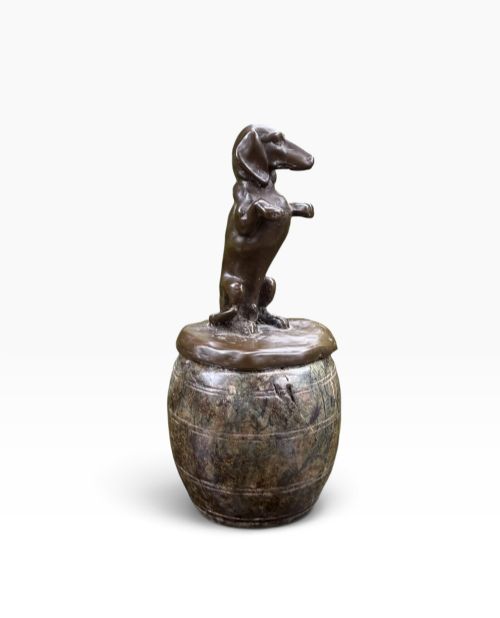
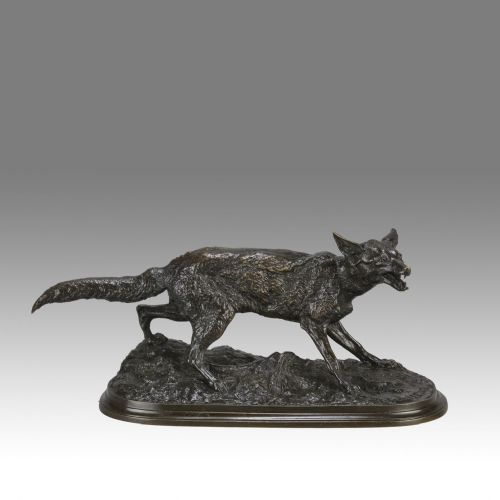
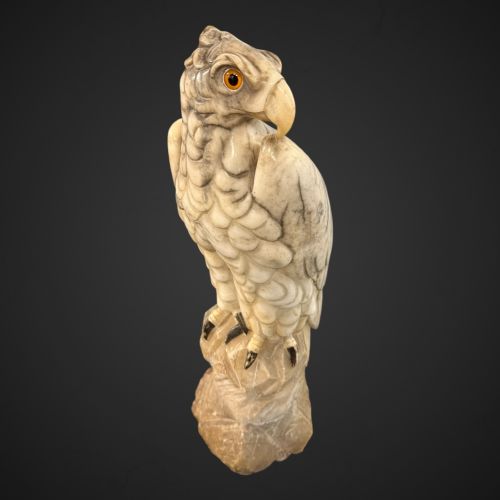
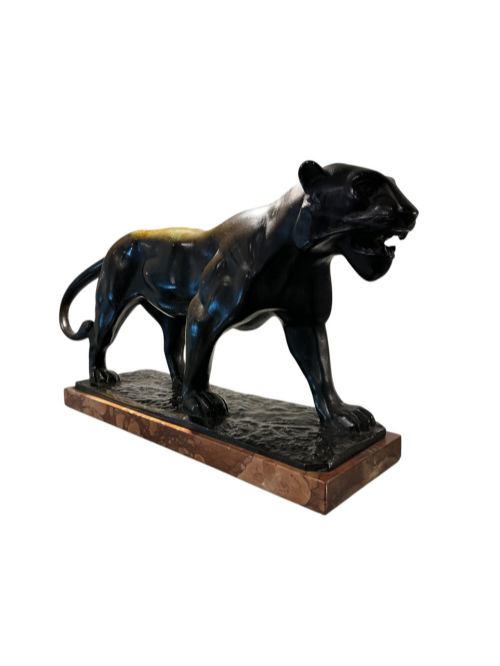
Antique Animalier Sculpture
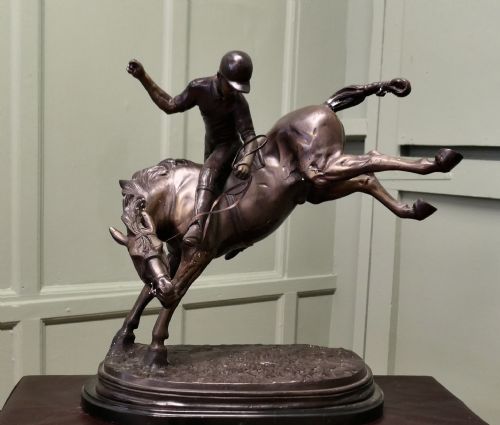
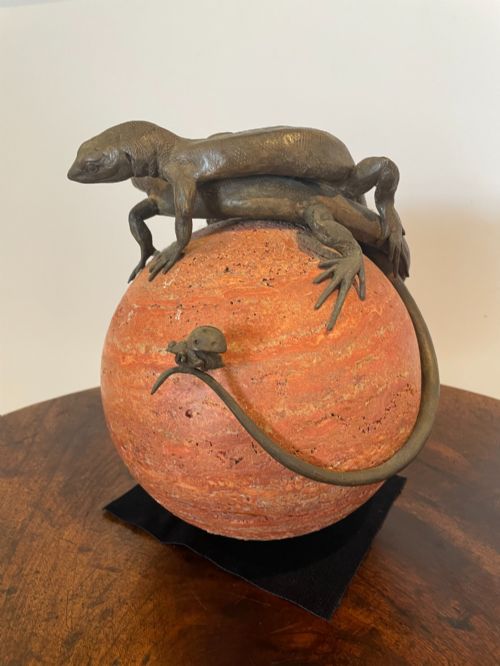
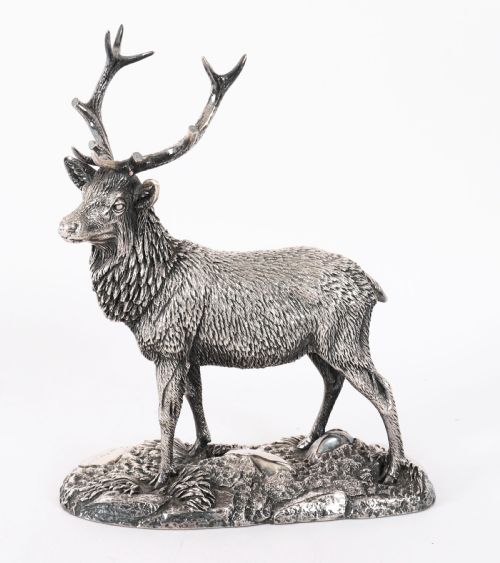
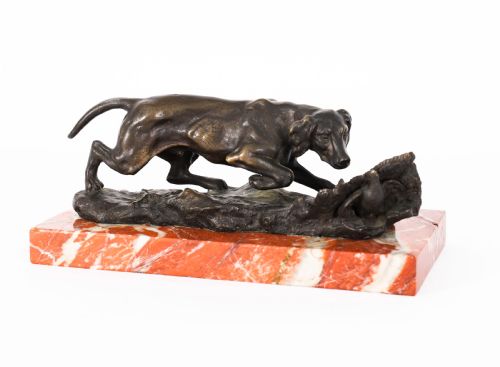
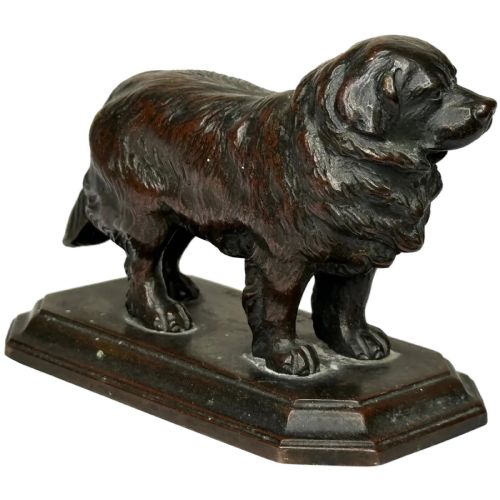
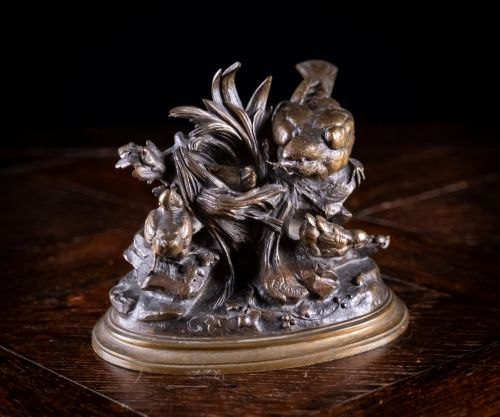
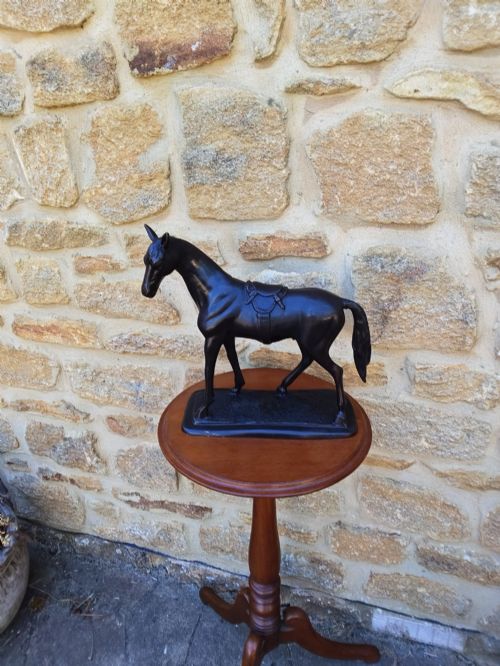
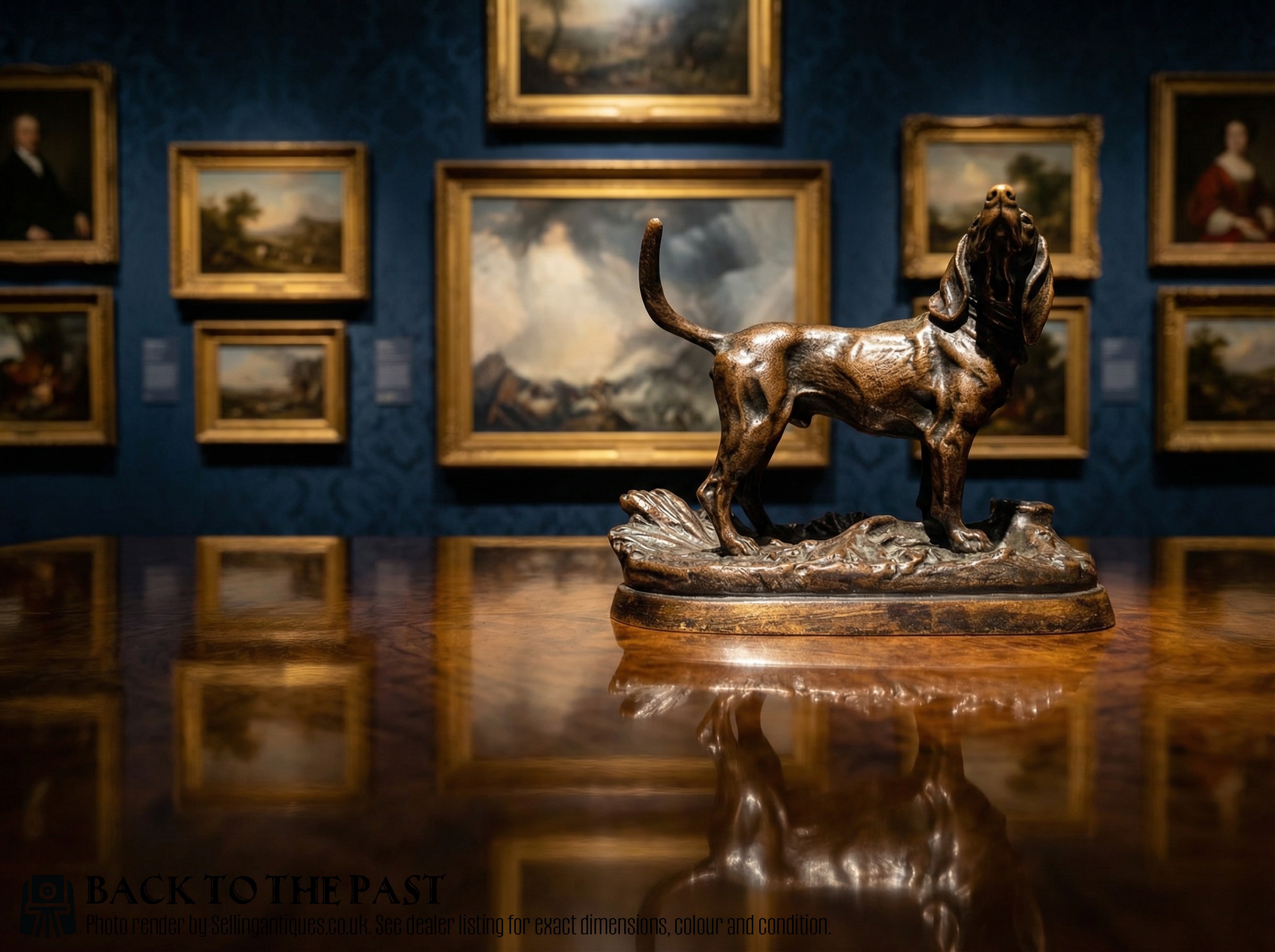
When you search for antique animalier sculpture, you encounter realistic studies of wild and domestic creatures cast in metal during the nineteenth and twentieth centuries.
Antique Animalier Sculpture
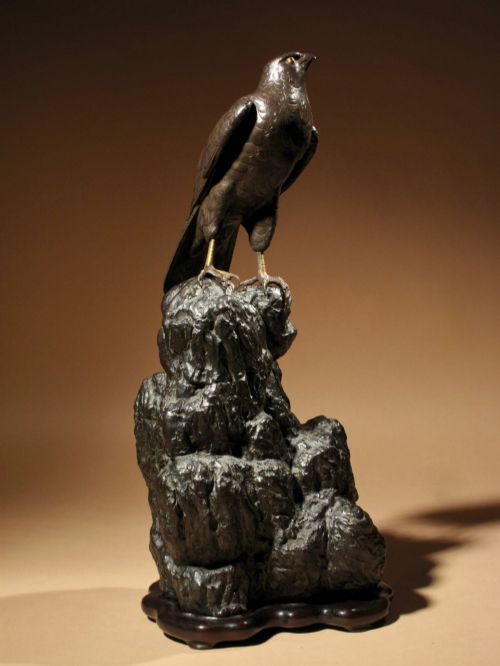
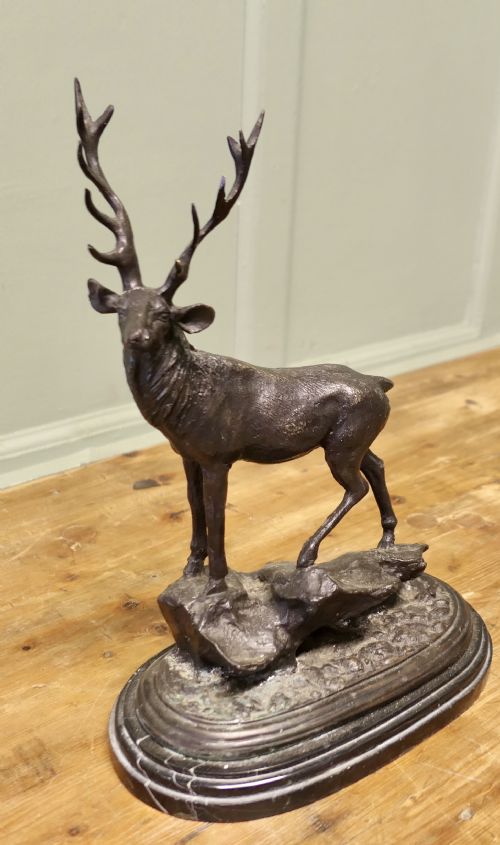
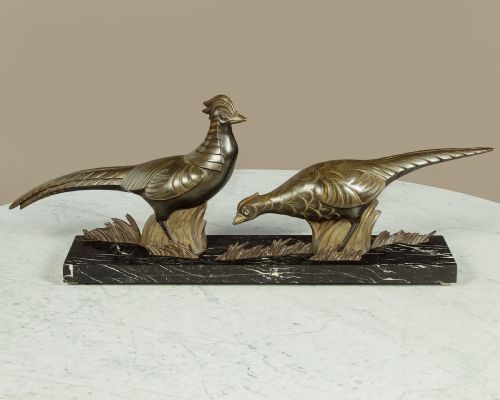
An antique animalier sculpture captures the anatomy and movement of animals, ranging from stalking big cats and hunting dogs to birds and farm livestock. These pieces emerge predominantly from nineteenth-century France, alongside later developments in Britain, Austria, and Japan.
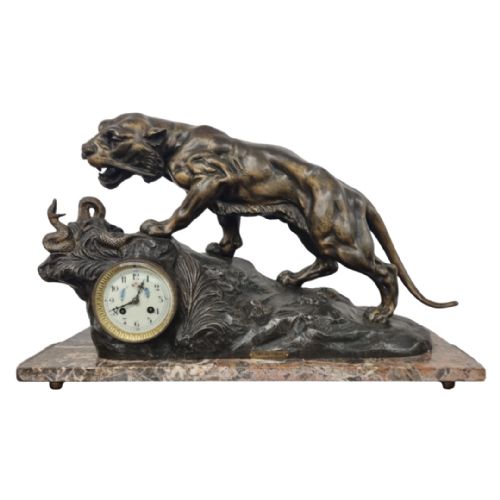
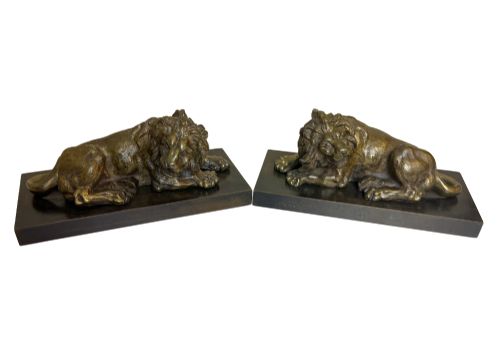
The objects take several physical forms, including standalone bronze figurines, mounted mantel clocks, and heavy marble-based statues. Subjects appear as single creatures, pairs such as resting lions, or dramatic combat scenes involving elephants and tigers.
Makers working within the French Animalier school, alongside Art Deco and Vienna bronze traditions, dominate the selection. Collectors encounter works cast in bronze, patinated metal, and sterling silver, frequently mounted upon marble or onyx plinths.
Materials and Casting
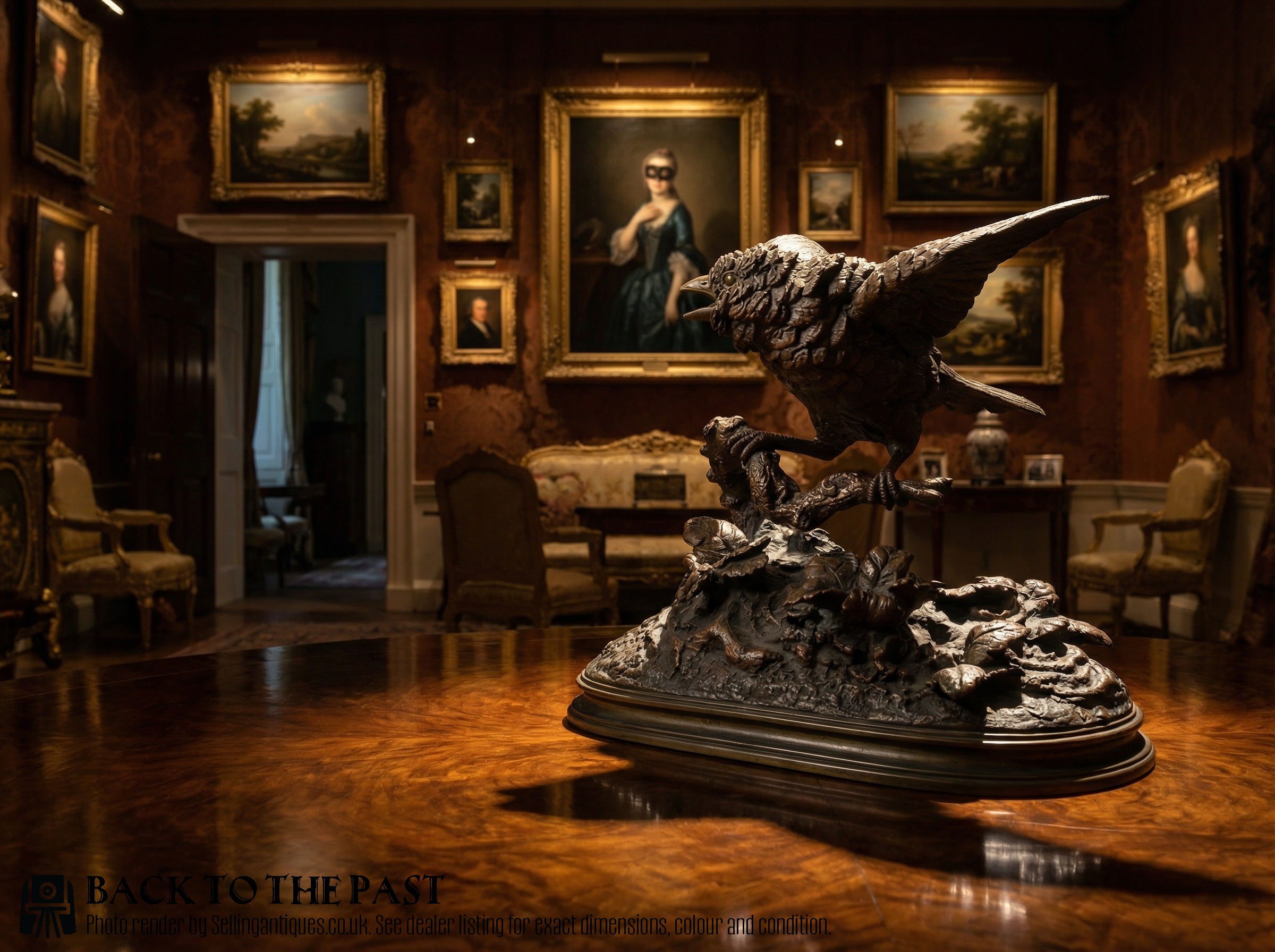
Foundries utilised the lost-wax casting method or sand casting to achieve the fine musculature, fur texture, and feather detail visible in these pieces. Molten bronze was poured into moulds and subsequently chased by hand to refine the surface finish.
Patination was applied to the metal surface using chemical treatments to produce warm brown, black, or nuanced green tones. Certain Austrian works incorporate cold-painted enamel directly over the bronze substrate.
Heavier elements frequently integrate natural stones, mounting bronze figures onto shaped bases of Carrara marble, veined marble, or onyx to provide stability and visual contrast.
Antique Animalier Sculpture Retail Price Guide 2026
Typical asking prices for animalier sculpture among the pieces listed under this phrase on Sellingantiques today, from the lower quarter to the upper quarter. They describe what is for sale here now, not the wider market.
Listings feature nineteen-century and twentieth-century works spanning the Victorian, Art Deco, and Art Nouveau periods.
Casting Fidelity and Finish
The quality of the mount and the integrity of the base contribute significantly to the piece. Well-proportioned marble or onyx plinths complement the animal subject and display secure original fixings.
Signatures and foundry marks stamped into the bronze indicate production standards, distinguishing master works from later posthumous casts.
Tom Mackie·Carl Kauba·P J Mêne·Louis Emile Cana·R Varnier·Frederique Cederlund-Ozanne·Pierre Jules Meme·Christophe Fratin·Emile Carlier·Alexandre Ouline·Jules Bonheur·Kunio Itô·Franz Bergman·Dora Heber·Antoine Louis Barye·Alfred Dubucand·Alfred Barye·Isidore Jules Bonheur·Tsunemitsu
The Antique Animalier Sculpture Glossary
- Animalier
- A nineteenth-century artistic movement focused on the realistic portrayal of animals. Sculptors in this tradition studied living subjects closely at menageries.
- Patina
- The surface coloration and sheen developed through chemical treatment or natural ageing on metal. It protects the bronze while defining shadows and textures.
- Lost-wax casting
- A metalcasting process where a molten metal is poured into a mould that has been created by means of a wax model. This technique allows for intricate, undercut details.
- Cold-painted bronze
- A technique where paint is applied directly to an unheated bronze surface, common in Austrian Vienna bronzes. The finish remains delicate and sensitive to moisture.
- Chasing
- The manual finishing of a raw metal casting using hammers and punches to sharpen details and remove casting seams. Skilled chasing distinguishes finer sculptures from mass production.
Antique Animalier Sculpture: Frequently Asked Questions
What is an animalier sculpture?
An animalier sculpture is a three-dimensional representation of an animal created with anatomical precision. These works focus on the natural behaviour, strength, and movement of wildlife and domestic beasts.
Most examples originate from the nineteenth and early twentieth centuries, created by artists who spent hours observing animals in menageries.
How were bronze animal sculptures signed?
Artists typically inscribed their names directly into the bronze model before it went to the foundry for casting. These signatures appear near the base, alongside foundry cachets or numbers.
Later casts made after an artist's death often carry the original signature from the master mould, which requires careful examination of the casting quality to date.
Where should I place a bronze sculpture at home?
These sculptures suit sturdy wooden surfaces such as sideboards, desks, or mantelpieces where their weight is safely supported. Heavy marble bases require flat, level areas away from foot traffic.
Keep bronze away from direct heat sources and high humidity to preserve the stability of the patination and any stone plinths.
How do I clean an antique bronze animal?
Dust the piece gently with a soft, dry brush or microfiber cloth to prevent particulate buildup in crevices. Avoid using water, soap, or abrasive metal polishes which strip the original patina.
Applying a very light coat of microcrystalline wax by professionals can protect the metal surface from atmospheric moisture.