




Anglo Indian Colonial Furniture
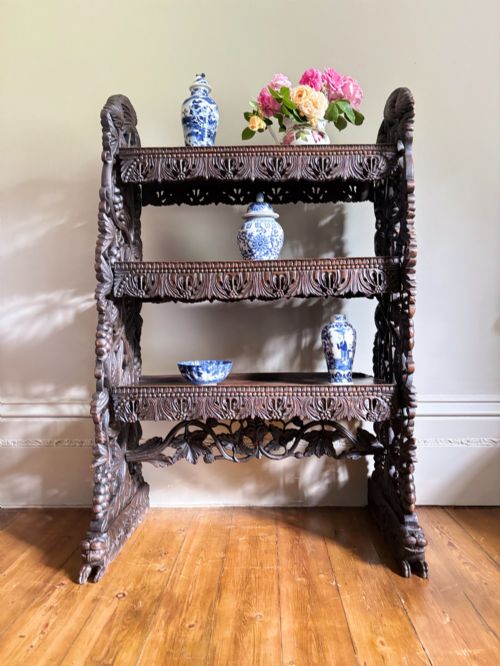
Anglo indian colonial furniture brings together the rich timbers of the East and traditional British forms to create pieces with unmatched presence.
Anglo Indian Colonial Furniture
When searching for anglo indian colonial furniture, collectors encounter a diverse range of domestic items produced during the nineteenth century and early decades of the twentieth. The selection spans seating, tables, cabinets, and campaign pieces designed for colonial life.
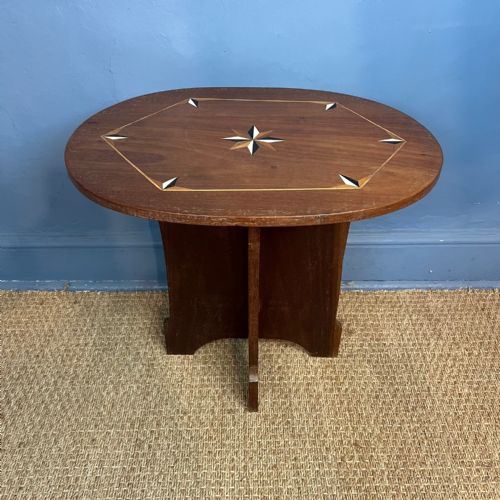
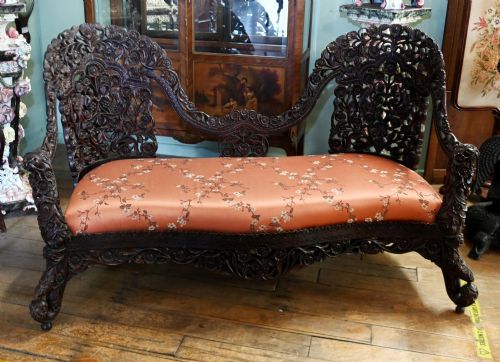
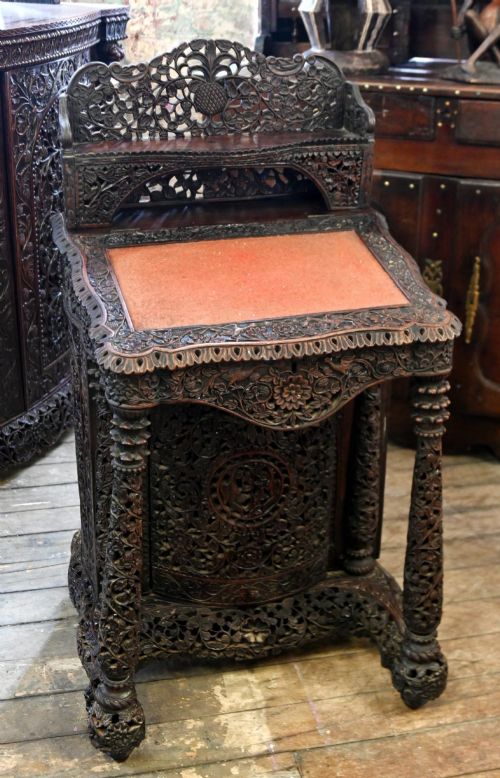
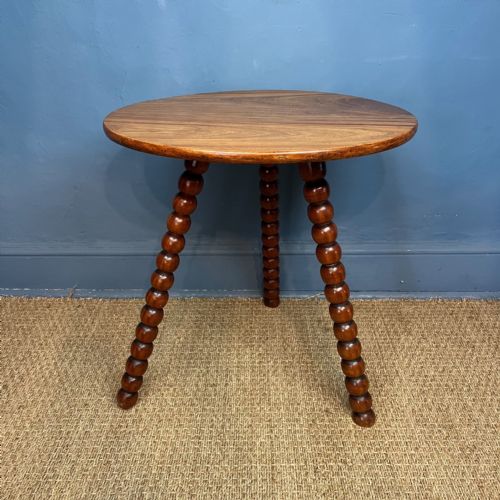
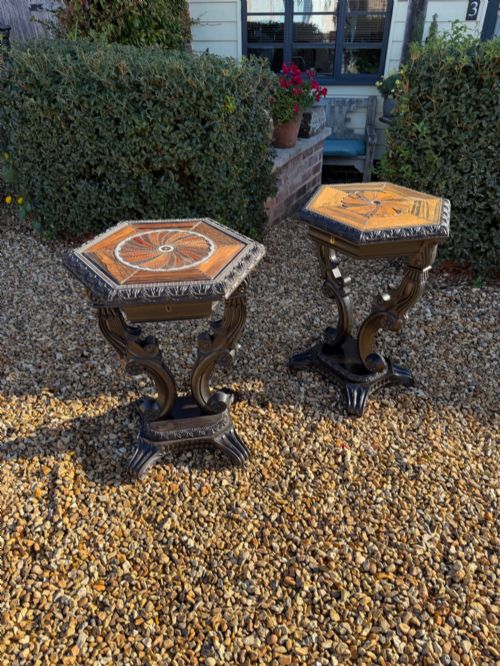
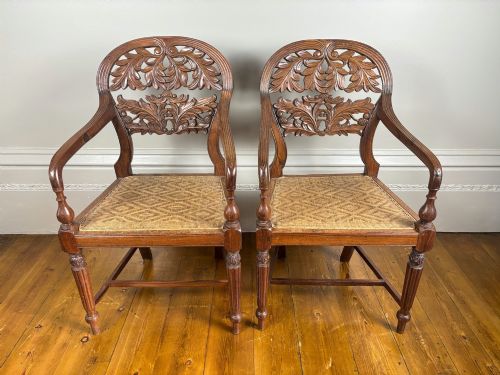
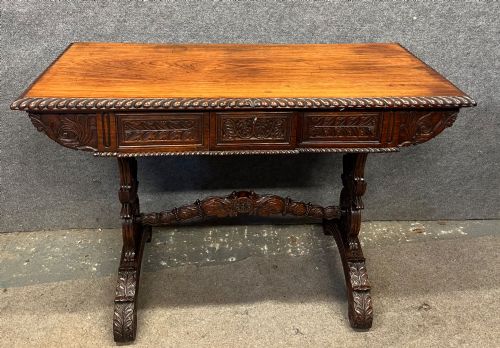
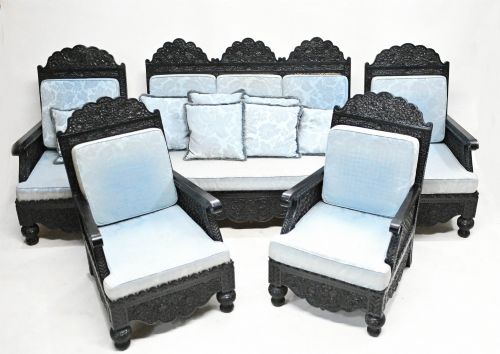
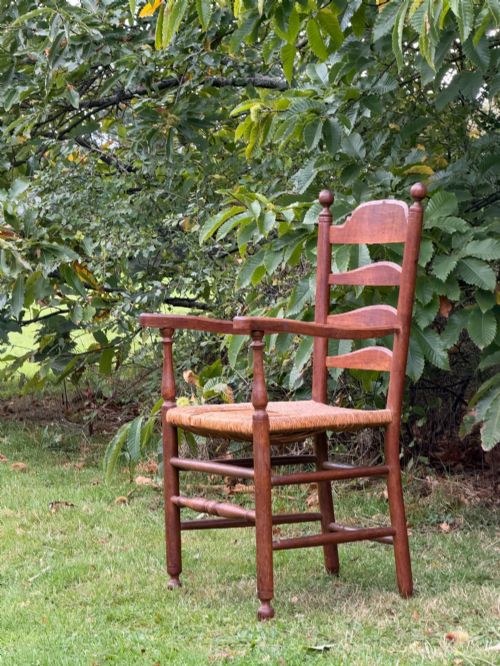
The most common forms on this page include side tables, armchairs, and occasional tables, often showing deep carving or brass inlay. Larger pieces such as sideboards, desks, and four-poster beds also appear alongside smaller trunks and chests.
Origins stretch across regions associated with British trade and administration, encompassing pieces described as Anglo-Indian, Ceylonese, and Burmese. These objects reflect a blending of local craftsmanship with European domestic requirements of the period.
Materials and construction
Makers utilised dense tropical timbers such as teak, rosewood, padauk, and solid ebony, which provided stability in warm climates and a dark ground for intricate carving. These woods were frequently combined with brass for campaign mounts, hinges, and detailed wire inlay.
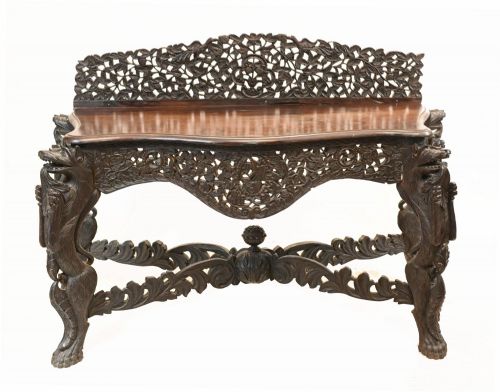
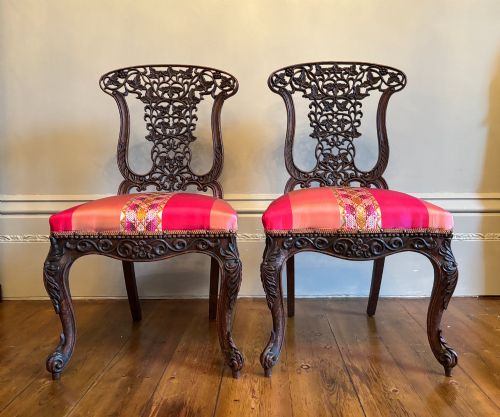
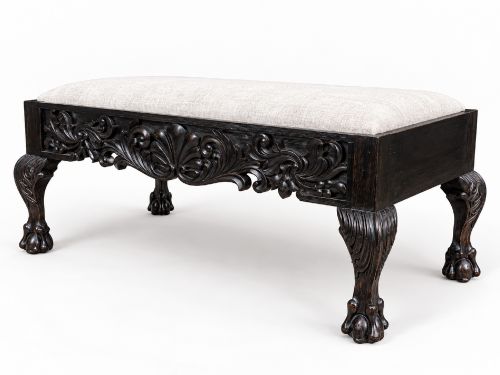
Surface decoration relies heavily on deep relief carving featuring foliage, animal motifs, or geometric patterns, alongside bone inlay in regional specialisms like Hoshiarpur work. Cane seating and bergere panels offered practical ventilation for chairs and daybeds.
Construction methods often merged traditional indigenous joinery with British furniture forms, producing robust frames capable of enduring transit. Campaign pieces utilised folding actions and removable components for ease of transport.
Anglo Indian Colonial Furniture Retail Price Guide 2026
Typical asking prices for anglo indian colonial furniture among the pieces listed under this phrase on Sellingantiques today, from the lower quarter to the upper quarter. They describe what is for sale here now, not the wider market.
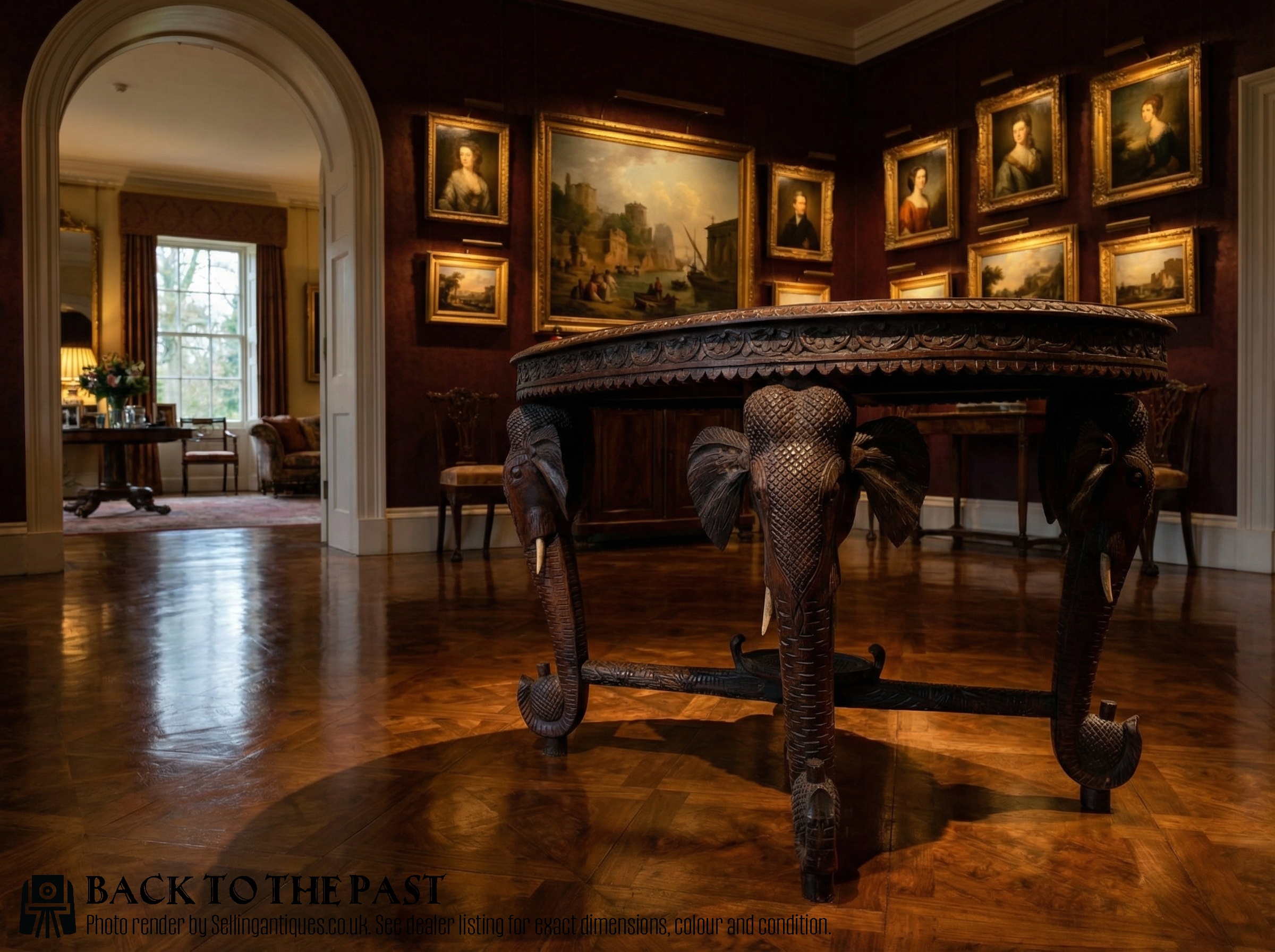
Selected tables incorporate painted wooden tusks to support their elephant themes.
Distinctions in standard
The standard of carving determines much of the distinction among these pieces, separating deeply undercut, crisp botanical motifs from shallow or mechanical work. Depth and clarity in the execution of dragon, leaf, or geometric patterns show the skill of the original workshop.
Timber selection and grain matching also divide the ordinary from the exceptional, particularly in solid ebony, figured padauk, and contrasting specimen wood tops. The integration of fine brass inlay work requires precision that elevates the status of occasional and centre tables.
Proportion and structural integrity define the higher tiers, where regional characteristics harmonize cleanly with established Regency or Victorian forms. Original surfaces and untouched patination retain the historical character expected by serious buyers.
The Anglo Indian Colonial Furniture Glossary
- Campaign
- Furniture designed to dismantle or fold for military or administrative travel. These items typically feature recessed brass handles and corner brackets.
- Bergere
- A type of upholstered chair featuring woven cane panels on the back and sides. This technique provided cool seating in tropical climates.
- Teapoy
- A small occasional table or stand intended for holding tea caddies and serving tea. They frequently incorporate storage compartments beneath the top.
- Padauk
- A heavy, durable tropical hardwood with a reddish-brown colour that darkens with age. It is commonly found in carved nineteenth-century tables and desks.
- Hoshiarpur
- A style of woodwork originating from Punjab, characterised by intricate geometric inlay in bone and sheesham wood. Tables from this tradition often have octagonal tops.
Anglo Indian Colonial Furniture: Frequently Asked Questions
What is anglo indian colonial furniture?
These pieces represent furniture made in South Asia and Southeast Asia during the British colonial period, combining local cabinet-making traditions with European forms.
They range from heavy padauk sideboards and ebony armchairs to portable campaign trunks and intricately carved tables.
How do I date these pieces?
Dating relies on stylistic clues, construction methods, and materials recorded in nineteenth-century and early twentieth-century examples.
Changes in Regency and Victorian influences help narrow the period when the furniture was produced in workshops across regions like Ceylon and Burma.
Where were these items used?
They furnished British administrative offices, bungalows, and hill stations across the Indian subcontinent and surrounding regions.
Many portable items were built specifically for officers and officials moving between stations on campaign.
How should I care for tropical woods?
Solid hardwoods like teak, rosewood, and ebony benefit from stable room humidity and protection from direct sunlight.
Applying occasional natural wax helps preserve the rich surface patination without sealing the timber.