

Antique Colonial Chairs
These antique colonial chairs bridge distant trade routes and domestic comfort, offering dense timbers and deep-recessed seats.
Antique Colonial Chairs
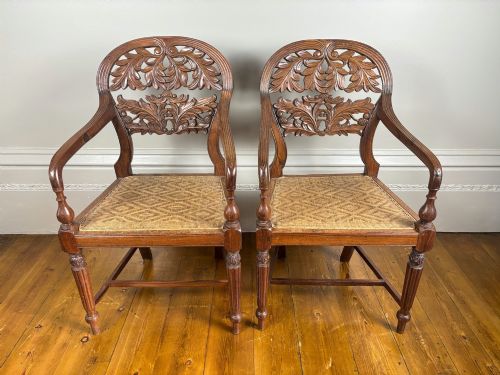
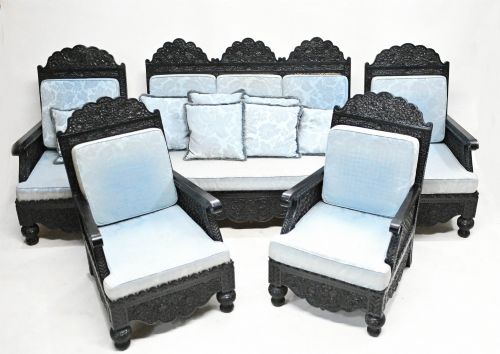
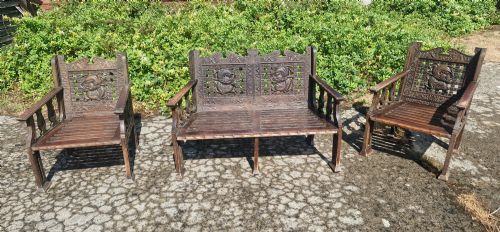
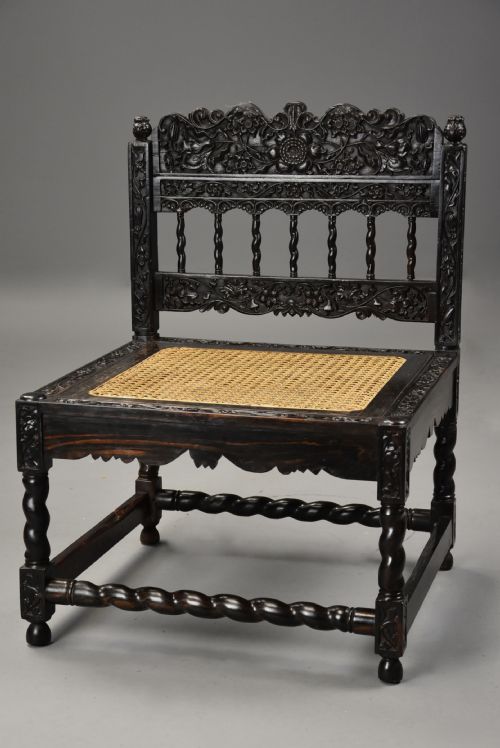
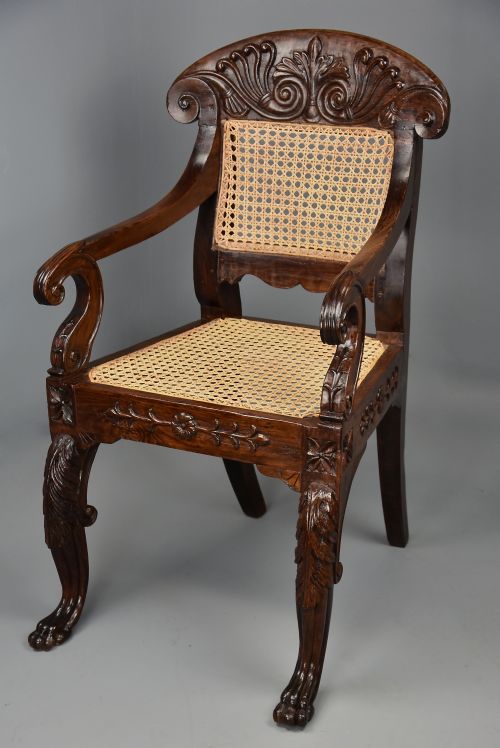
When buyers search for antique colonial chairs, they encounter seating shaped by European design meeting the craftsmanship of regions such as India, Ceylon, and Southeast Asia. The inventory leans heavily towards heavy armchairs, planter's chairs with extending arms, and dining sets originating from nineteenth-century workshops.
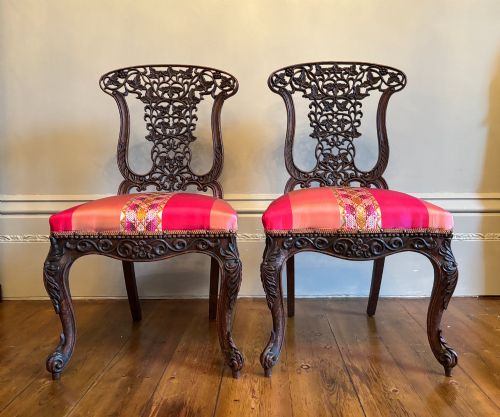
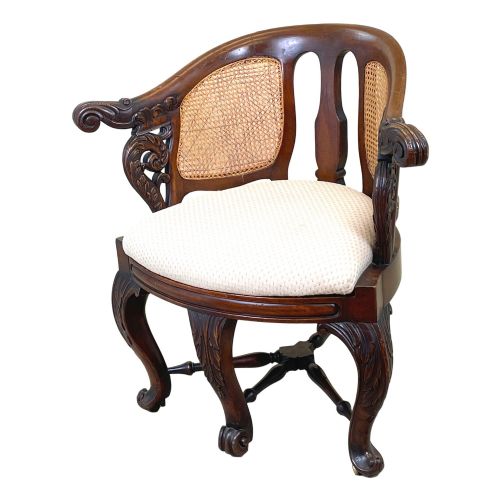
Forms vary from robust campaign styles to ornate carved seating utilising exotic timbers. Buyers will find library chairs, daybeds, and occasional pieces that reflect distinct regional interpretations of Regency and Victorian aesthetics.
The assortment includes works from various locations, spanning from Anglo-Indian creations to South African Cape Colony pieces and American adaptations. Each piece demonstrates how colonial hubs adapted metropolitan furniture patterns for warmer climates.
Materials and construction methods
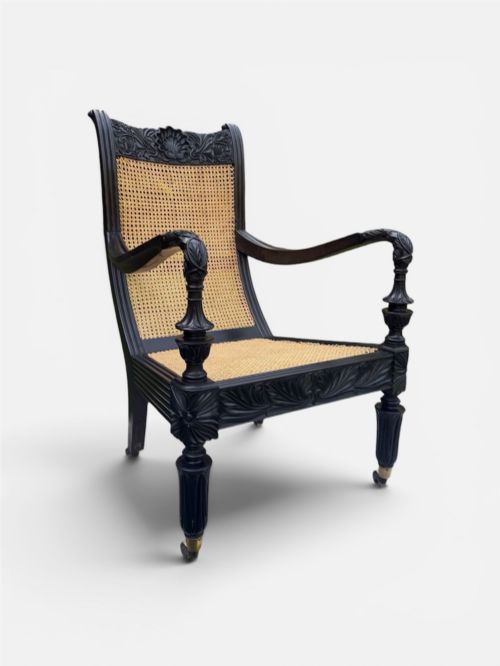
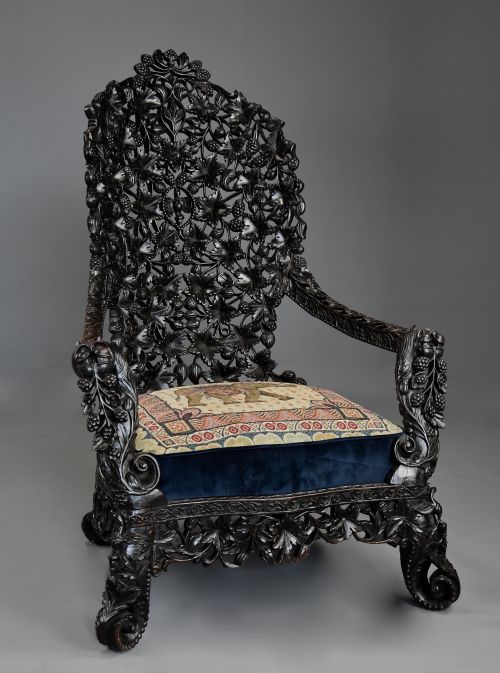
Maker utilisation of dense native hardwoods forms the structural backbone of these seats, with solid ebony, padauk, teak, and rosewood appearing frequently across the listings. These heavy timbers resisted humidity and insect damage while allowing for deep, intricate relief carving.
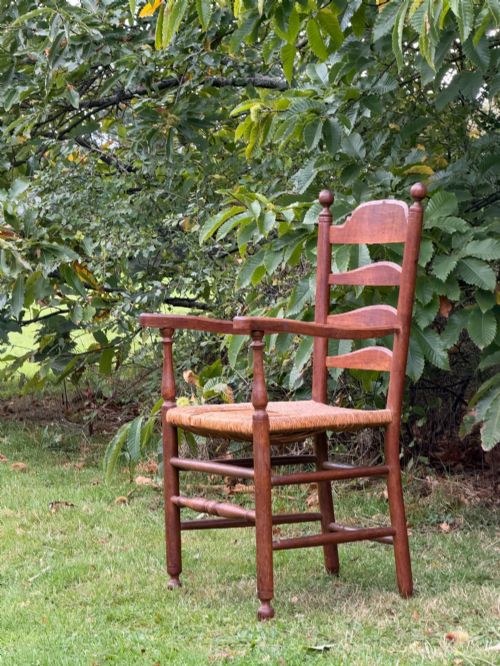
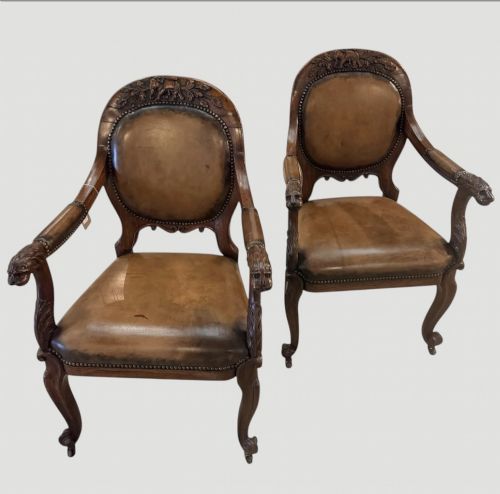
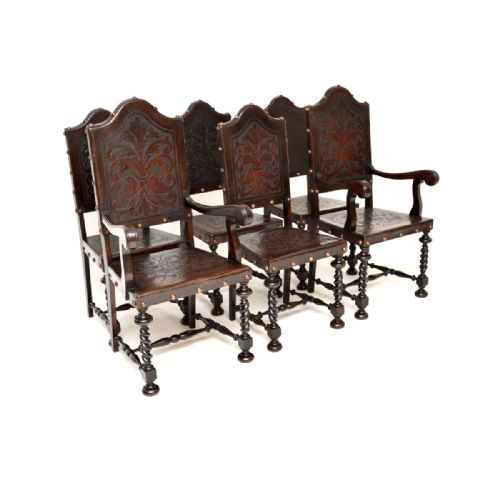
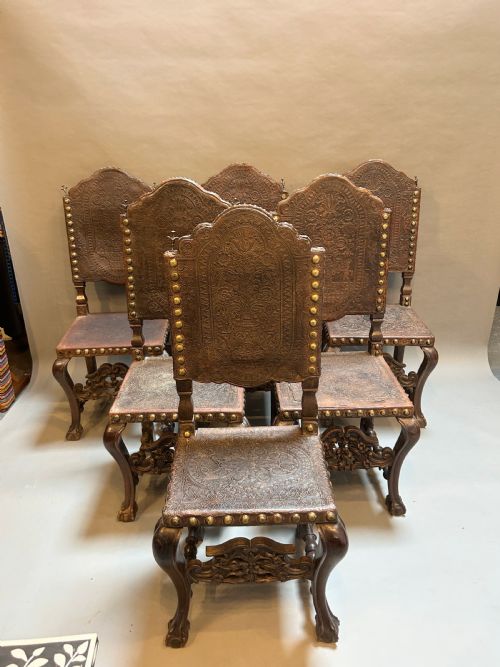
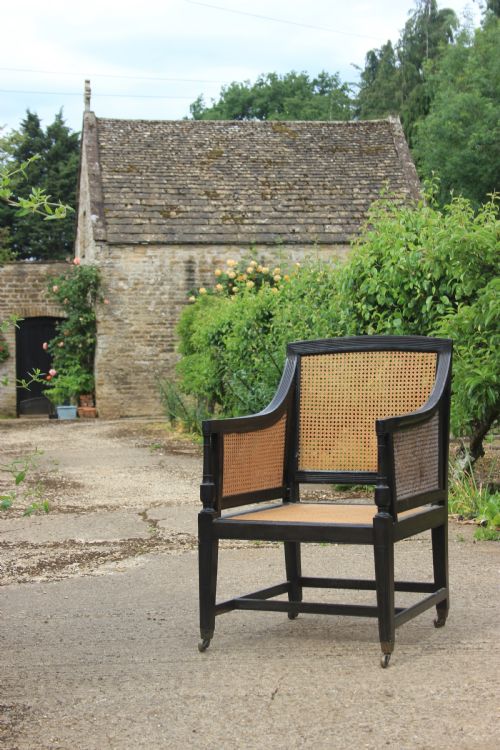
Joinery methods combined traditional native woodworking with European framing principles, often incorporating cane panels, rush seating, or embossed leather inserts. Campaign pieces utilised clever knockdown joints or extending components designed for transport.
Antique Colonial Chairs Retail Price Guide 2026
Typical asking prices for colonial chairs among the pieces listed under this phrase on Sellingantiques today, from the lower quarter to the upper quarter. They describe what is for sale here now, not the wider market.
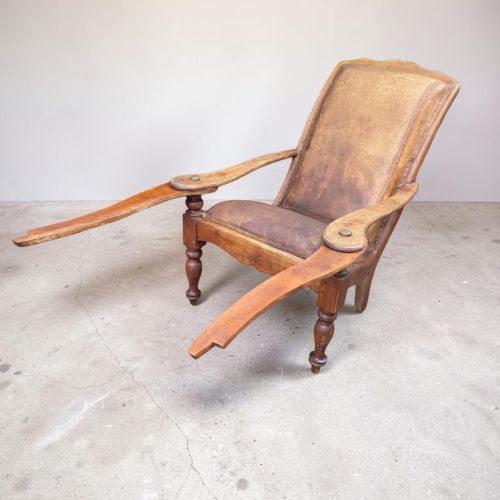
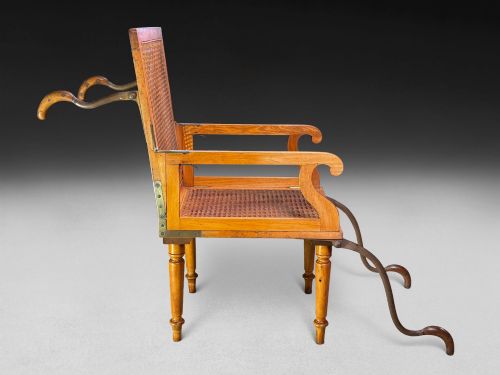
Some chairs arrived with extending armrests specifically engineered so colonial officials could put their feet up after a long day of paperwork.
Distinctions in construction and design
The standard of a piece rests largely on the depth and crispness of the hand-carved ornamentation found along the crest rails and arms. Finely worked floral and foliage motifs show superior hand control compared to softer, shallower incisions.
Timber selection dictates overall prestige, with solid ebony or heavily figured padauk commanding greater presence than secondary mixed hardwoods. The original integration of cane work, leather upholstery, and extending mechanical arms further elevates a piece.
The Antique Colonial Chairs Glossary
- Planter's chair
- A seating form featuring extended, flat arms designed for resting legs, typically originating from nineteenth-century colonial regions. These chairs often incorporate reclining backs for tropical climates.
- Cane
- Woven rattan material utilised for seats and back panels to provide cool ventilation. It requires skilled hand-weaving around internal frame channels.
- Padauk
- A heavy, durable tropical hardwood displaying rich red-brown tones that darken with age. It serves as a primary material for carved Anglo-Indian seating.
- Bergere
- An enclosed upholstered armchair with a wooden frame, frequently adapted in colonial workshops using cane or rush inserts. The style borrows from French eighteenth-century forms.
- Campaign style
- Portable furniture built with folding frames, collapsible components, or carrying handles intended for military officers on the move. Such designs prioritise sturdy mobility.
Antique Colonial Chairs: Frequently Asked Questions
What is a planter's chair?
A planter's chair is a deep seating form built with long, pivoting arms that pull outward to support the legs. They were designed for relaxation on verandas in warm climates.
These pieces often feature raked backs and sturdy hardwood frames made from teak or padauk. They offer a distinct profile compared to standard dining or library seating.
How do I care for exotic wood furniture?
Exotic timbers like ebony and rosewood require stable indoor humidity levels to prevent timber splitting or shrinkage. Keep them away from direct heat sources and strong sunlight.
Apply a microcrystalline wax periodically to nourish the surface without building up heavy residues. Dust the carved details regularly with a soft, dry brush.
Where were these chairs made?
These pieces originated in various colonial territories, notably India, Ceylon, South Africa, and Southeast Asia, during periods of European influence. Local workshops combined British or Dutch design templates with indigenous carving techniques.
Makers utilised regional hardwoods available to their specific trading ports and administrative centres. This created regional variations in both form and decorative vocabulary.
How do I date a colonial chair?
Dating relies on cross-referencing the structural style, such as Regency or Victorian influences, with the primary wood and regional carving motifs. Construction marks and secondary timber usage also help narrow the timeline.
Most surviving examples date from the nineteenth century, though earlier eighteenth-century items and later pieces from around nineteen hundred do appear. Examine the joinery and hardware to understand the manufacturing period.