





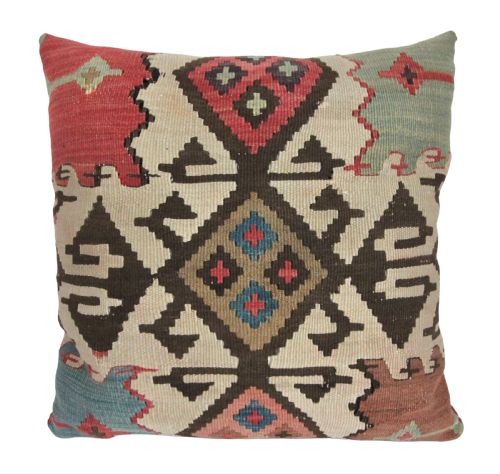
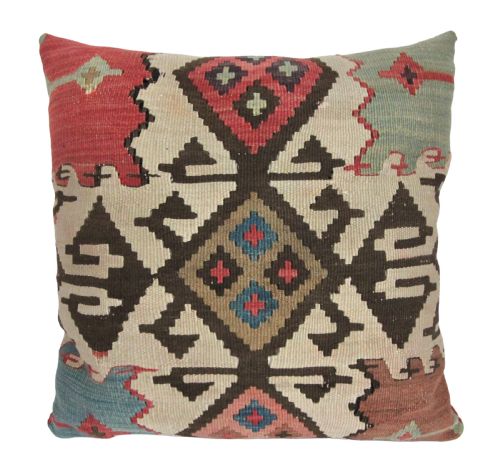

Anatolian Wool Cushion
These anatolian wool cushion pieces bring genuine tribal character into a room through hand-woven textiles made to last.
Anatolian Wool Cushion
An anatolian wool cushion takes traditional Near Eastern weaving and adapts it for domestic seating. Buyers searching this phrase will find scatter items fashioned from older nomadic textiles.
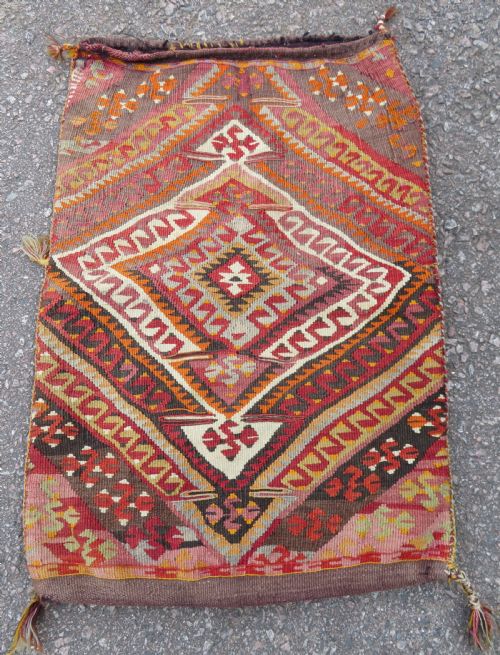
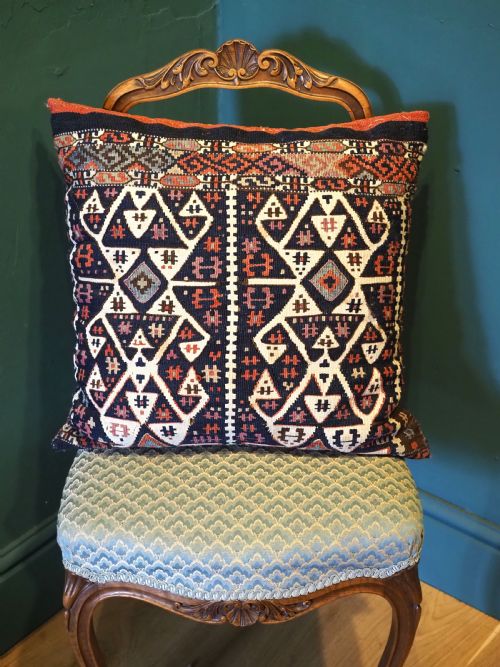
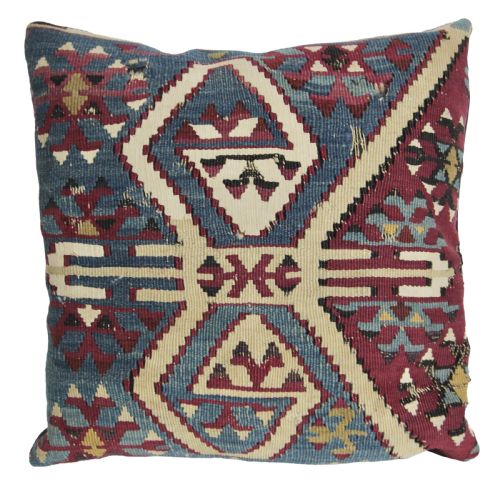
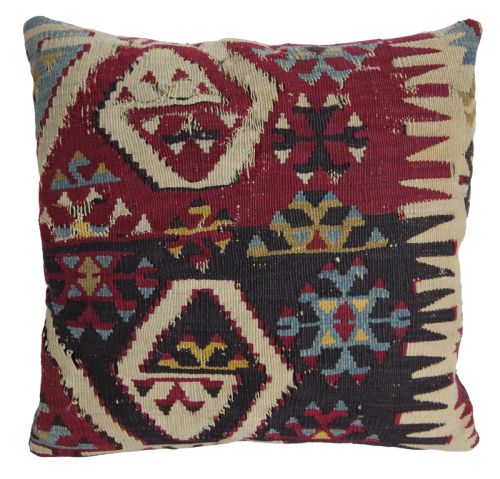
The most common form on this page is the antique kilim cushion, often utilising fragments from nineteenth-century rugs, saddle bags, and juvals. These textiles originate from various Anatolian and Kurdish traditions, spanning from eighteen hundred to the early twentieth century.
Makers cut and re-backed flat-woven carpet panels to create throw cushions and pillows. Pieces range from square formats to larger formats like the Konya yastic.
How they were made
The construction of an anatolian wool cushion relies on flat-weaving techniques where weft threads are beaten tightly against the warp. Artisans used hand-spun wool for the patterned faces, supplemented by cotton for structural integrity.
Materials originate from regional sheep breeds, yielding durable fibres that took natural or early chemical dyes. Textile fragments from bag faces and saddle bags provide the dense geometric patterns seen on these cushions.
Listings feature periods from 1800 to 1920, utilising wool and cotton materials across traditional Anatolian and tribal nomadic styles.
What varies in quality
The quality of an anatolian wool cushion depends upon the tightness of the weave and the complexity of the tribal motifs. Finer pieces display crisp geometry and superior handling of wool from nineteenth-century sources.
Condition and the integrity of the original textile fragment dictate the upper tier of these cushions. Skill in matching older kilim sections to modern pillow formats separates standard utilitarian conversions from finer examples.
The Anatolian Wool Cushion Glossary
- Kilim
- A flat-woven carpet or rug produced in countries of the former Ottoman Empire. These textiles lack a pile and form the patterned faces of most cushions on this page.
- Yastic
- A traditional Anatolian pillow or cushion used historically for seating along the floor. These items often feature characteristic tribal designs.
- Juval
- A large tent bag made by nomadic tribes for storage, featuring intricate face patterns. Surviving panels are frequently repurposed into cushions.
- Saddle Bag
- A paired pouch used on pack animals by nomadic groups, woven with durable wool. Fragments of these bags provide robust material for scatter cushions.
- Warp
- The lengthwise threads held in tension on a loom before weaving begins. In these textiles, cotton is frequently utilised for this foundation.
Anatolian Wool Cushion: Frequently Asked Questions
Are these cushions made from old rugs?
Many cushions on this page utilise authentic nineteenth-century flat-woven textile fragments, including pieces derived from rugs, saddle bags, and juvals.
Craftsmen adapt these durable vintage panels into scatter cushions while preserving the original wool face and tribal designs.
How do I care for wool cushions?
Wool textiles require gentle maintenance to preserve the natural fibres and historical dyes. Regular light vacuuming without a rotating brush helps remove surface dust.
Professional specialist cleaning is recommended for any deeper treatment to protect the structure of the flat-weave.
What periods do these pieces date from?
The listings span from the early nineteenth century through to the nineteen-twenties. Pieces include items dated around eighteen hundred, eighteen fifty, eighteen seventy, and nineteen hundred.
Each period reflects distinct regional Anatolian and nomadic weaving traditions.
What is a Konya yastic?
A yastic is a traditional Anatolian cushion type historically used for floor seating in Turkish homes. Konya examples reflect specific design characteristics from that region.
These pieces offer a particular format of antique flat-woven textile craftsmanship.