


Afghan Wool Carpet
An afghan wool carpet brings deep red tones and tribal motifs into a room, connecting modern spaces to centuries of weaving tradition.
Afghan Wool Carpet
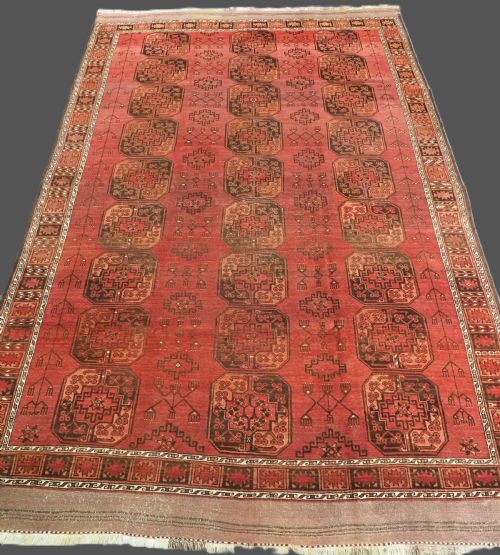
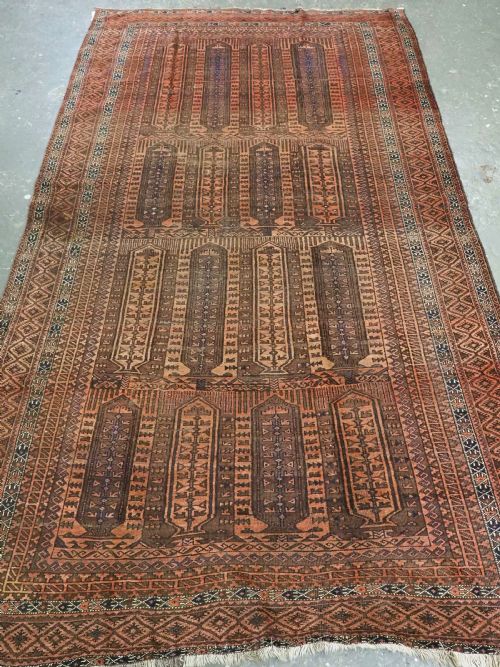
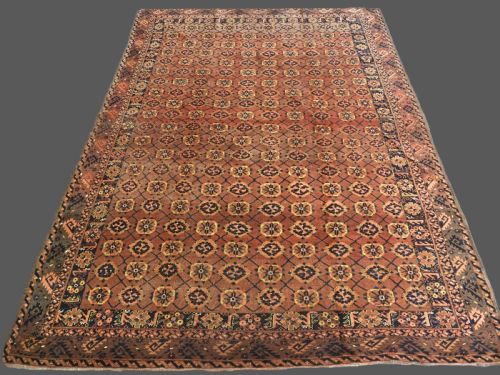
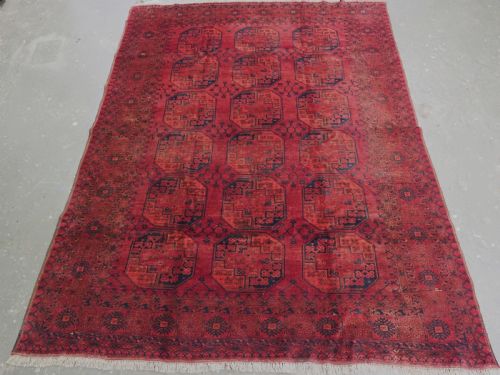
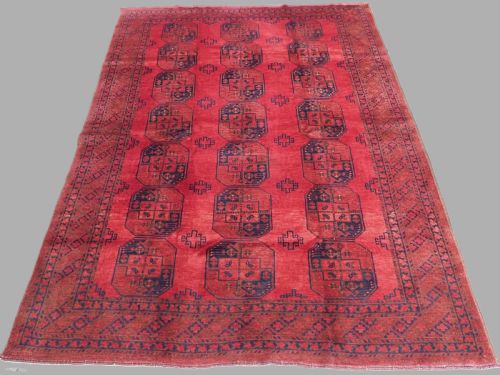
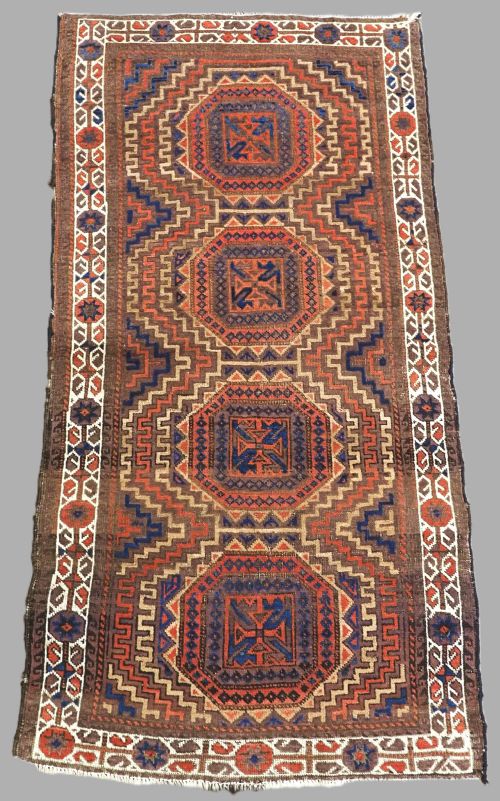
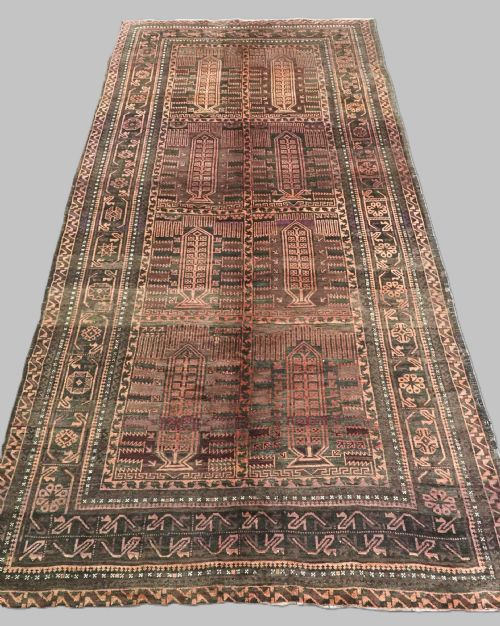
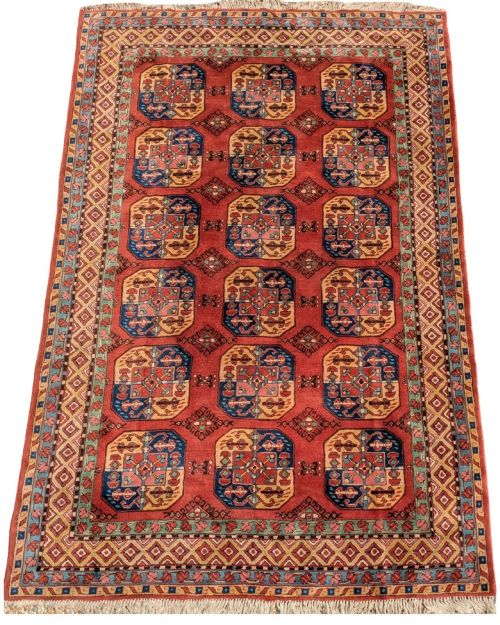
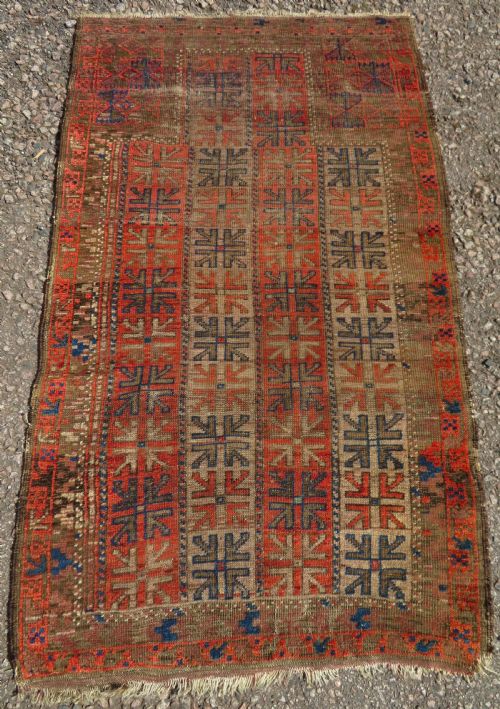
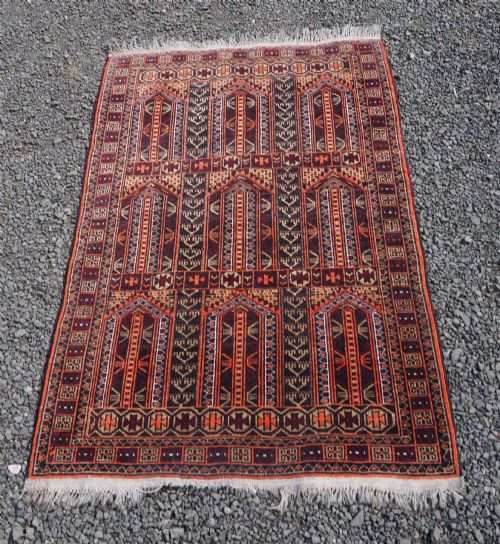
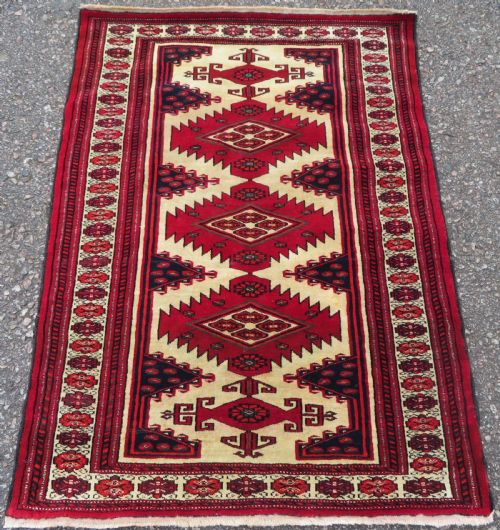
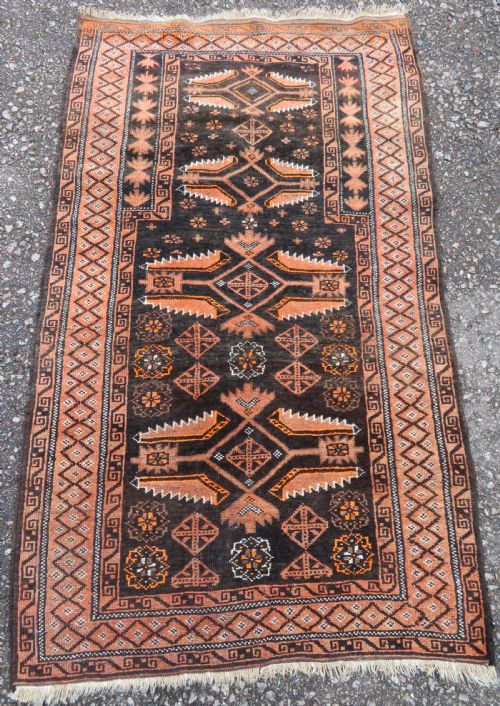
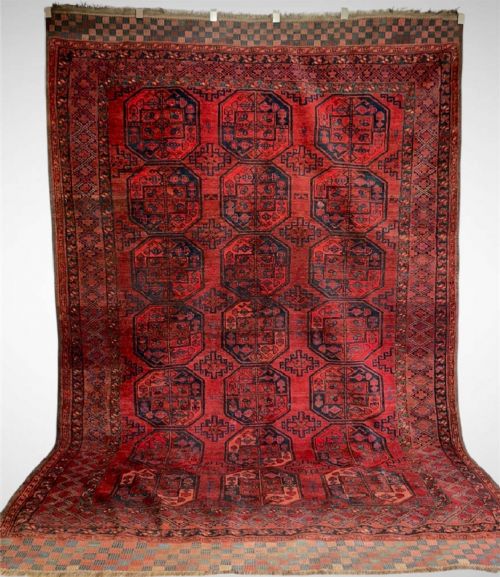
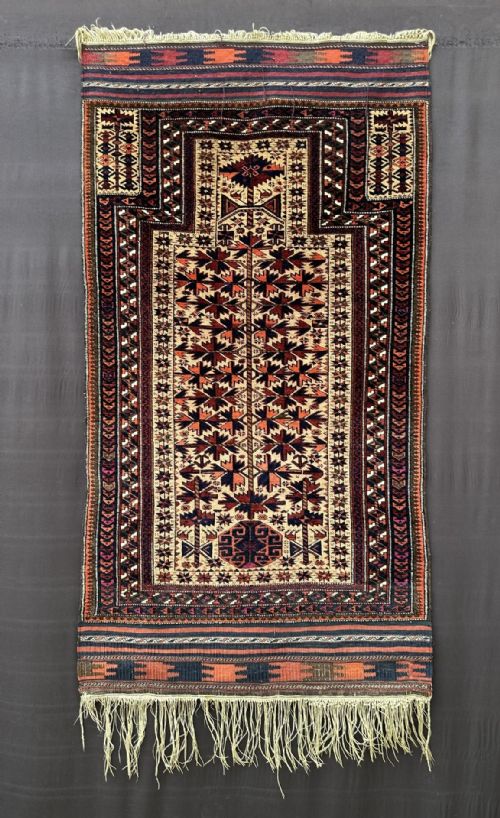
When searching for an afghan wool carpet, buyers encounter a rich assortment of tribal and village floor coverings originating from the nineteenth and early twentieth centuries. These pieces encompass various formats, from small prayer rugs featuring mihrabs to large room-size carpets woven by groups such as the Ersari, Baluch, and Kizil Ayak.
The selection frequently highlights traditional Turkmen and Afghan tribal designs, including large guls, pencil box patterns, and turreted motifs. Many examples stem from village workshops and nomadic camps, reflecting the distinct cultural heritage of the borderlands between Afghanistan and Persia.
Buyers will find everything from runner rugs and flatweave kilims to substantial main carpets suited for country house interiors. The prevalence of nineteenth and early twentieth-century dates indicates a mature market focused on authentic, time-worn textiles.
Assessing Quality and Character
Quality in these textiles often rests on the fineness of the wool and the depth of the patina acquired over decades of use. Softer wool yields a more pliable handle, while superior natural dyes maintain their vibrancy and develop subtle tonal variations over time.
The complexity and execution of the tribal design, whether featuring guls or intricate prayer mihrabs, distinguish standard village pieces from exceptional tribal main carpets. Preserved kilim ends and intact borders further elevate the standing of an antique floor covering.
Afghan Wool Carpet Retail Price Guide 2026
Typical asking prices for afghan wool carpet among the pieces listed under this phrase on Sellingantiques today, from the lower quarter to the upper quarter. They describe what is for sale here now, not the wider market.
Listings feature pieces spanning from the nineteenth century through the 1930s, utilising wool, cotton, camel wool, and natural dyes.
The Afghan Wool Carpet Glossary
- Gul
- A repeating octagonal medallion motif frequently found in Turkmen and Afghan tribal carpets. These emblematic designs often signify specific tribal lineages.
- Mihrab
- A niche design mirroring the prayer halls of mosques, commonly oriented towards Mecca in Islamic prayer rugs. This architectural motif guides the layout of smaller devotional rugs.
- Kilim
- A flatwoven carpet or rug produced without a pile by tightly interweaving warp and weft strands. These textiles often serve as practical floor coverings or protective ends for heavier pile carpets.
- Sofreh
- A woven cloth traditionally used for spreading meals or handling bread within nomadic households. These functional textiles double as highly decorative tribal flatweaves.
- Warp
- The stationary lengthwise threads stretched on a loom that form the structural foundation of the carpet. The visible fringes at either end of a finished rug are extensions of these foundational threads.
Afghan Wool Carpet: Frequently Asked Questions
How do I clean an antique rug?
Gentle surface brushing and professional specialist cleaning help preserve fragile natural fibres and historical dyes without causing water damage or shrinkage.
Avoiding harsh chemical detergents ensures the lanolin remains in the wool, maintaining the soft texture and natural sheen.
Are these rugs suitable for high traffic?
Dense wool construction and sturdy goat hair or cotton foundations provide the durability needed for moderate everyday walking areas.
Using a quality underlay prevents slipping and cushions the weave, reducing friction against hard floors.
How can I tell the age of a rug?
Structural traits like hand-spun wool, natural dye variations, and authentic wear patterns offer clear indicators of nineteenth or early twentieth-century production.
Specific design markers, such as traditional Ersari guls or Baluch prayer formats, align with historical periods recorded in the evidence.
What is a prayer rug used for?
Devotional floor coverings featured architectural mihrab niches to designate clean spaces for ritual daily prayers.
Today, collectors appreciate these smaller formats as decorative wall hangings or accent pieces in intimate living spaces.