


Afghan Gul Carpet
When you search for an afghan gul carpet, you uncover tribal floor coverings defined by repeated geometric medallions and deep red hues.
Afghan Gul Carpet
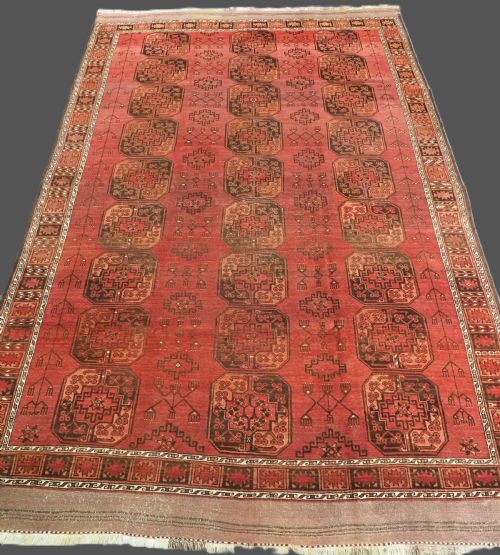
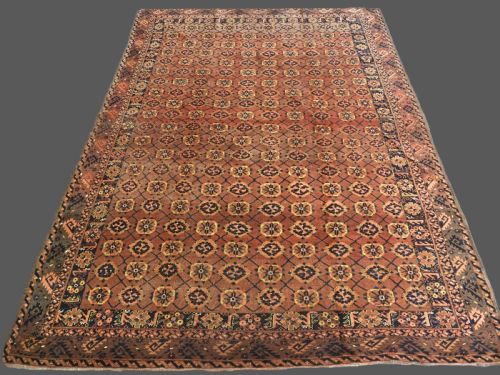
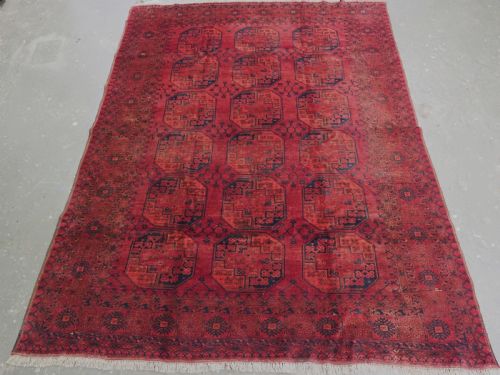
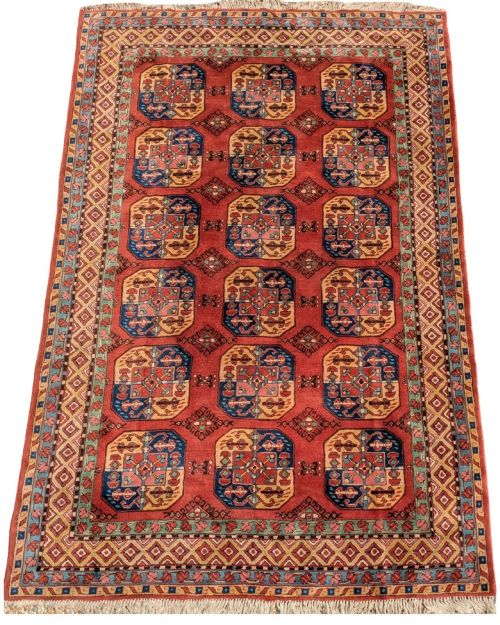
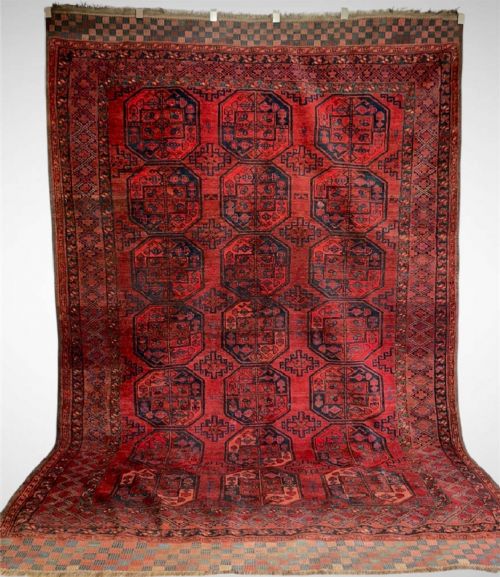
An afghan gul carpet brings together tribal designs rooted in Central Asian weaving traditions, predominantly showcasing the octagonal gul motifs associated with Turkmen groups. These pieces span from the late nineteenth century into the early decades of the twentieth century, originating from village and nomadic workshops across Afghanistan.
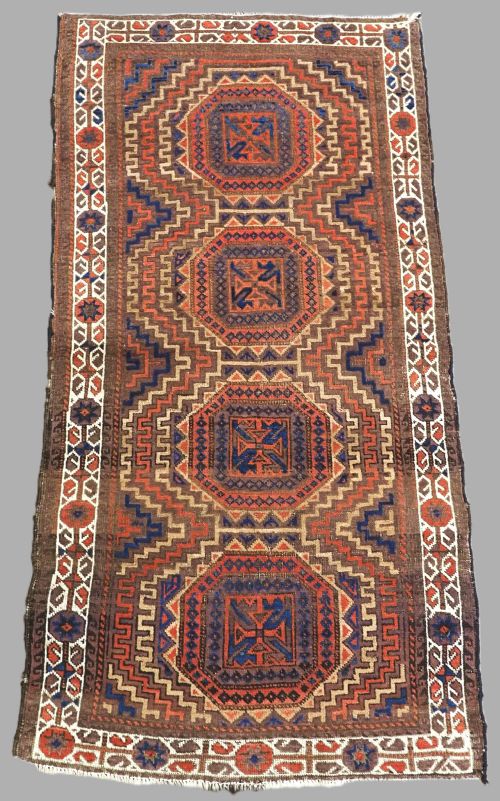
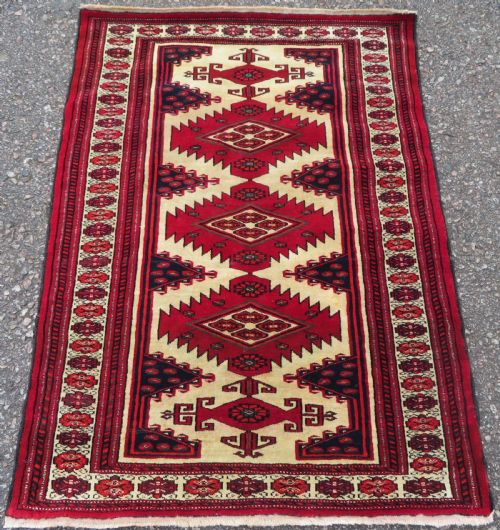
Buyers will encounter various formats on this page, ranging from smaller scatter rugs and long runners to substantial room-size main carpets. Many pieces reflect Ersari, Kizil Ayak, and Baluch design influences passed down through generations of weavers.
The visual identity relies heavily on deep red or madder tones combined with dark blues, browns, and ivory accents. Traditional formats serve both functional floor use and decorative display within domestic interiors.
How they were made
Weavers constructed these textiles using hand-spun wool for the pile, often yielding a soft and glossy surface texture over time. Foundations frequently incorporate wool alongside goat hair or horsehair to provide structural durability for heavy daily wear.
Natural dyes delivered the characteristic palette of warm reds, deep golds, and earthy shades that mellow gracefully as the wool ages. Artisans knotted the pile densely onto sturdy warps and wefts to produce resilient village and tribal carpets.
Some weavers quietly hid stray goat hairs inside the wool pile, leaving a rustic signature of nomadic life.
What varies in quality
Quality rests primarily on the handling of the wool and the depth achieved by natural dye recipes. Softer, glossier piles combined with rich, saturated colour palettes distinguish finer examples from standard village production.
Structural integrity also separates individual pieces, with tightly packed foundations and well-preserved borders commanding attention. The precision of the gul drawing and overall balance across the field further define the upper tier of these textiles.
The Afghan Gul Carpet Glossary
- Gul
- A primary medallion motif often shaped like an octagon or polygon, used repeatedly across Central Asian carpets to identify specific tribes or sub-tribes.
- Ersari
- A major Turkmen tribal group known for large main carpets featuring spacious gul designs and warm red colourways.
- Chuval
- A traditional nomadic storage bag face or smaller utility hanging woven by tribal groups, frequently adapted as a collector piece.
- Warp
- The vertical threads stretched tightly on the loom that form the structural skeleton of the carpet and carry the fringe at each end.
- Weft
- The horizontal threads passed back and forth across the warps between rows of knots to lock the pile firmly into place.
Afghan Gul Carpet: Frequently Asked Questions
How do I identify an Ersari design?
Ersari designs typically display large octagonal or turreted gul motifs arranged in orderly rows across a deep red field. These patterns often include secondary guls and elaborate geometric borders.
Collectors look for traditional tribal symbols passed down through generations of weavers in northern Afghanistan. The overall composition tends to feel spacious and robust compared to urban workshop rugs.
Are these carpets suitable for heavy traffic?
Many examples were built for demanding daily use in village and nomadic settings using hard-wearing wool and sturdy foundations. Goat hair and horsehair were often utilised in the construction to enhance resilience.
Placing a quality underlay beneath the rug helps cushion the pile and prevents slipping in busy hallways or living rooms. Regular gentle vacuuming keeps the hand-spun wool clean without damaging the fibres.
What causes the soft faded patina?
Age and exposure to natural light gradually mellow the natural dyes used in these vintage textiles. This gentle fading softens the initial brightness of the red and gold tones into a harmonious palette.
A lived-in appearance is a natural characteristic of antique wool that adds depth and visual character to the surface.
How can I tell the age of a tribal rug?
Dating relies on examining the materials, natural dye variations, and structural wear patterns characteristic of the period between the late nineteenth and early twentieth centuries. Hand-spun wool and traditional plant-derived colours offer strong clues to a piece's vintage origin.
Comparing the specific gul arrangements and weave density against documented examples helps narrow down the probable decade of production.