


Aesthetic Movement Ceramics
Aesthetic movement ceramics bring together Japanese motifs, Persian influences and bold earthenware forms from the Victorian era.
Aesthetic Movement Ceramics
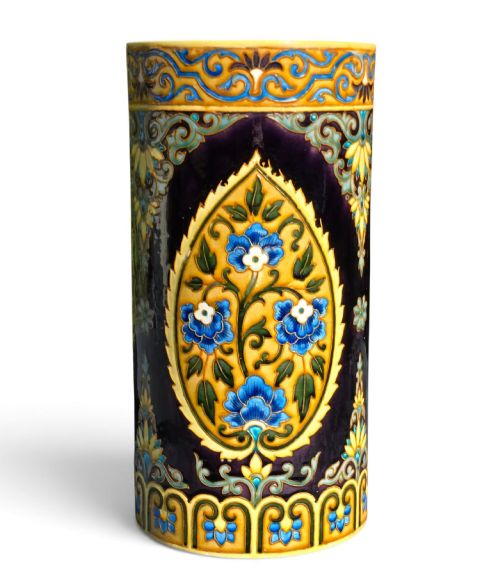
Aesthetic movement ceramics encompass decorative plates, ewers, vases and garden seats created during the nineteenth century, largely under Victorian influence. These pieces often draw from Japanese style, Iznik revival patterns and Chinoiserie motifs, reflecting a period of intense artistic experimentation.
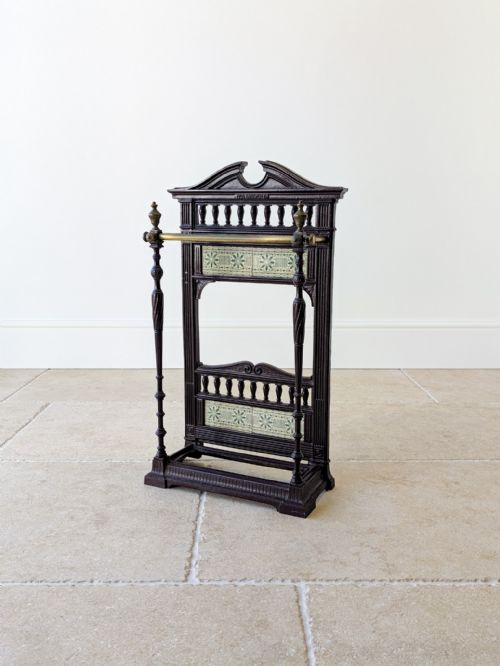
Buyers will most frequently encounter works by major factories such as Minton, Royal Worcester and Doulton, spanning periods from the 1870s through to the Edwardian era. Forms range from reticulated porcelain ewers and tiered vases to tiles and large umbrella stands.
Materials and Manufacture
Potters utilised porcelain and earthenware bodies, frequently applying enamel, gilt and raised gold decor to build complex surface patterns. Techniques such as pate-sur-pate allowed artists to paint in liquid clay to create layered, cameo-like reliefs.
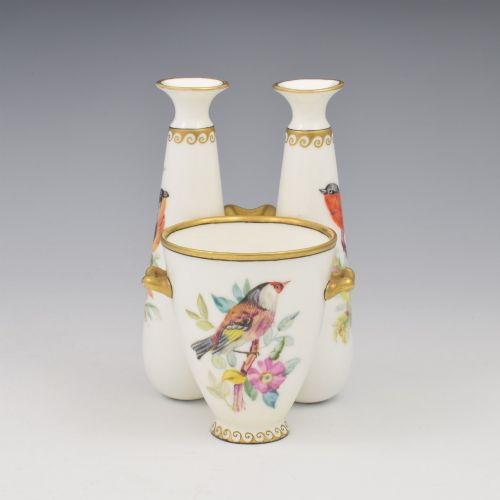
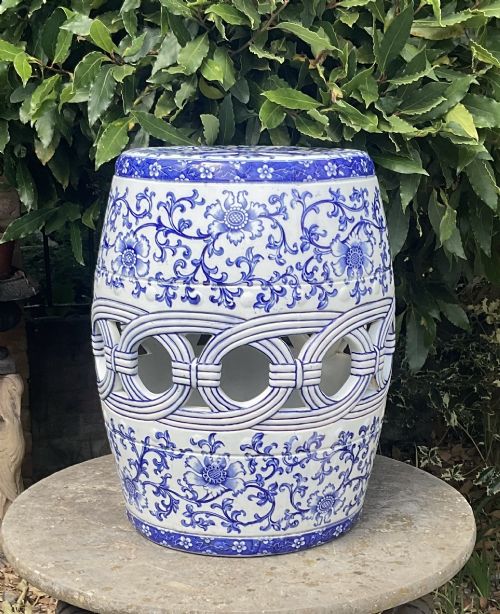
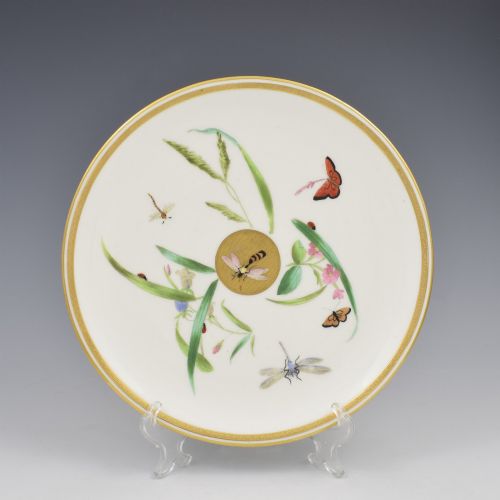
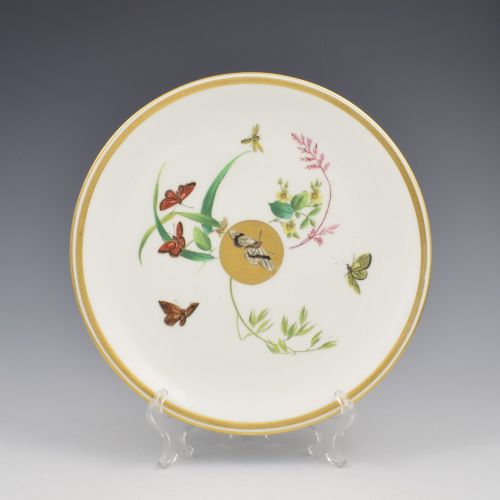
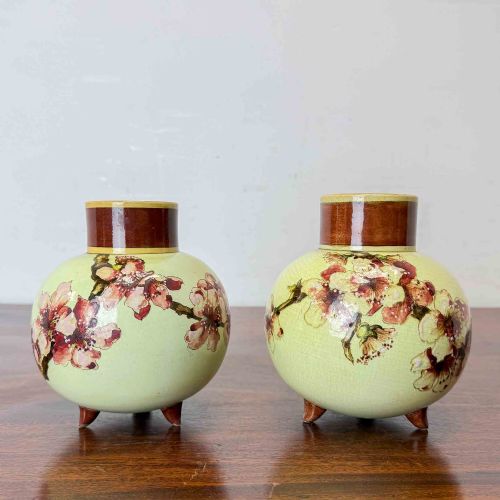
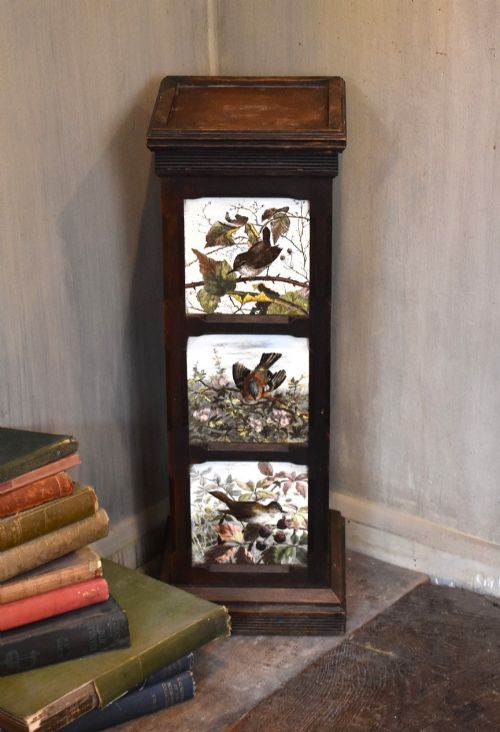
Decorators incorporated blue and white printing alongside hand-painted motifs like birds, insects and florals. Metal elements in brass or silver plate often accompanied these ceramic bodies in items such as candlesticks and biscuit barrels.
Aesthetic Movement Ceramics Retail Price Guide 2026
Typical asking prices for aesthetic movement ceramics among the pieces listed under this phrase on Sellingantiques today, from the lower quarter to the upper quarter. They describe what is for sale here now, not the wider market.
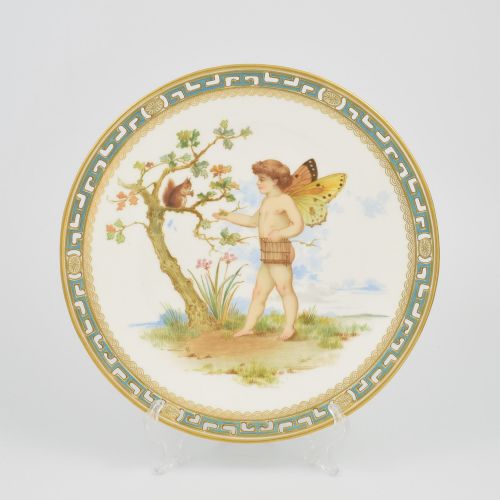
Fairies, squirrels and storks frequently inhabit the foliage, proving that Victorian tableware took its wildlife with a pinch of whimsy.
Evaluating Quality
Quality rests heavily on the crispness of the moulding and the ambition of the surface decoration, whether executed through freehand painting or specialised relief work. Pieces designed by notable artists or produced during peak decades display greater precision in gilding and enamel application.
The integration of form and ornament distinguishes standard utility wares from exhibition pieces. Finer items balance complex stylistic revivals with controlled ceramic technique, maintaining balance across intricate handles, reticulated panels and painted tondos.
Coalbrookdale·Théodore Deck·Royal Worcester·Minton·Doulton Lambeth·Doulton Burslem·Grainger Worcester·Christopher Dresser·Bretby·Royal Crown Derby·Minton and Hollins·Hadley's Worcester·Wedgwood·Thomas Allen·James Hadley
The Aesthetic Movement Ceramics Glossary
- Pate-sur-pate
- A ceramic decoration technique where successive layers of liquid clay are applied to a dark body to build a low relief design. This method requires considerable skill to achieve translucent gradations.
- Reticulated
- Pierced or openwork pottery design resembling latticework or netting. It tests the potter's ability to cut clay before firing without distorting the vessel wall.
- Ewer
- A large jug with a wide spout and flared base, historically used for water but collected for its sculptural silhouette. In this period, ewers frequently display Persian or Japanese influences.
- Imari
- A style of ceramic decoration featuring deep underglaze blue and iron red with supplementary gold, originating in Japan. Victorian potteries adopted this palette for chargers and vases.
- Faience
- Earthenware decorated with opaque coloured glazes, often associated with nineteenth-century studio pottery and art tiles. The technique yields soft, matte surfaces.
Aesthetic Movement Ceramics: Frequently Asked Questions
What defines aesthetic movement ceramics?
These pieces emerge from the late nineteenth-century push for art for art's sake, breaking away from strict Victorian historicism.
They combine asymmetric Japanese-inspired motifs, Persian geometry and natural forms on earthenware and porcelain surfaces.
How were these decorative plates used?
Cabinet plates and decorative chargers were intended primarily for display on walls, sideboards or specialised pedestals rather than dining.
Their intricate gilding and painted scenes prioritized visual impact over practical table service.
How do I care for antique ceramic ewers?
Keep these pieces away from direct sunlight to preserve the stability of delicate enamels and surface gilding.
Dust them gently with a dry, soft cloth and avoid liquid cleaners that might seep into unglazed or porous areas.
How can I tell periods apart?
Earlier nineteenth-century examples often lean heavily into hand-painted Japanese compositions and pate-sur-pate relief work.
As production moved toward the 1900s and Edwardian periods, forms incorporated more robust industrial techniques and varied revivalist glazes.