


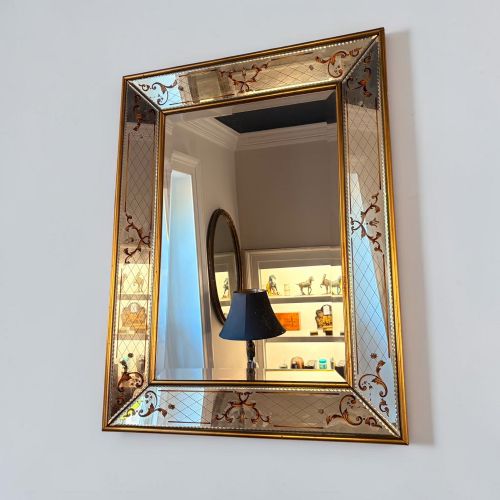
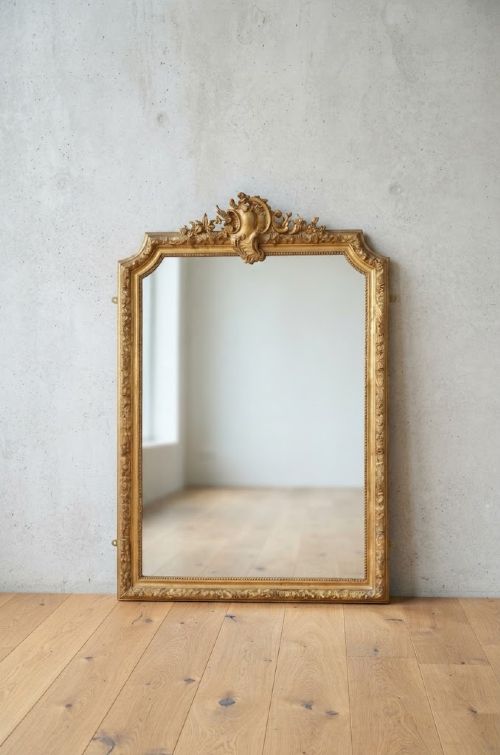

Accent Wall Mirror
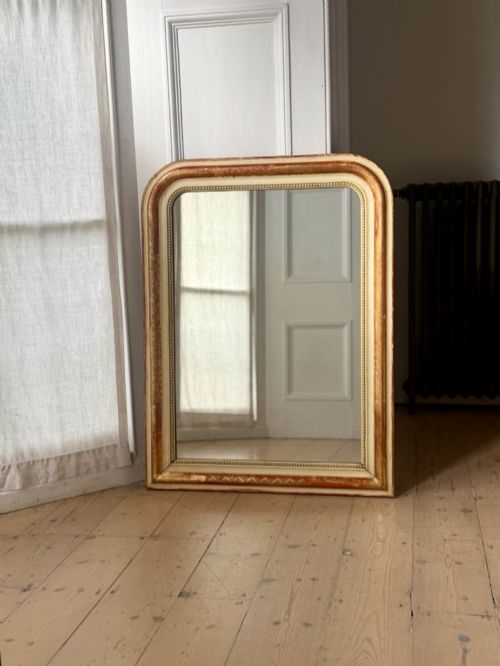
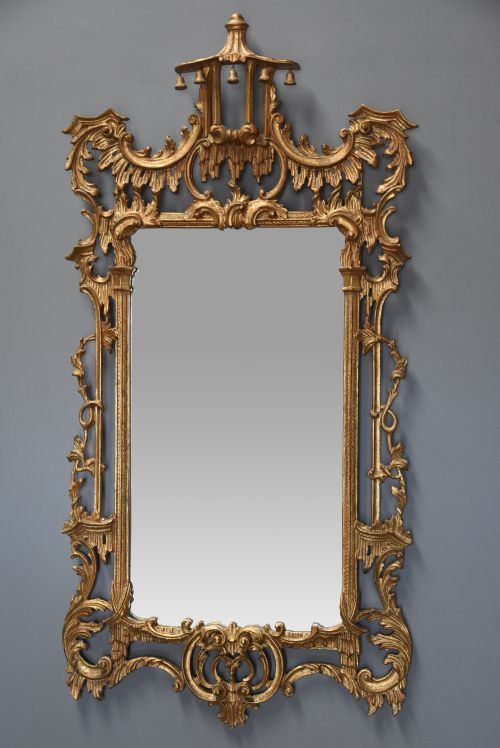
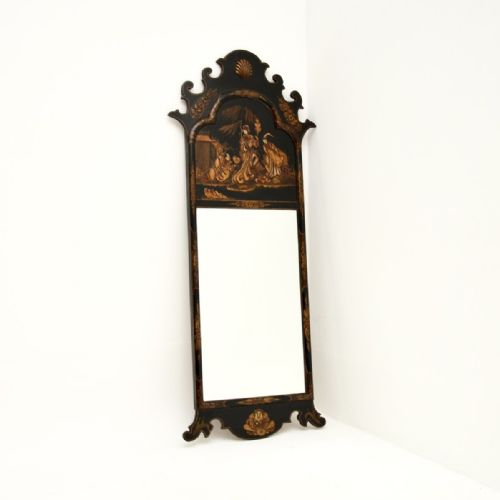
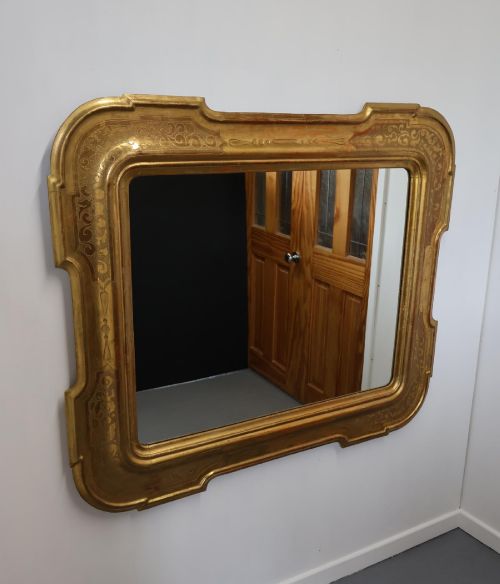
An accent wall mirror brings reflective depth and period character to a room, and you will find these pieces spanning the eighteenth to the twentieth centuries.
Accent Wall Mirror
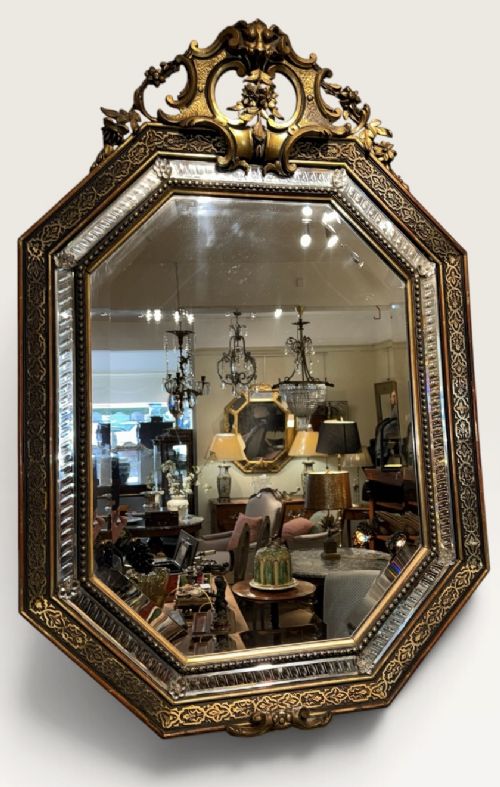
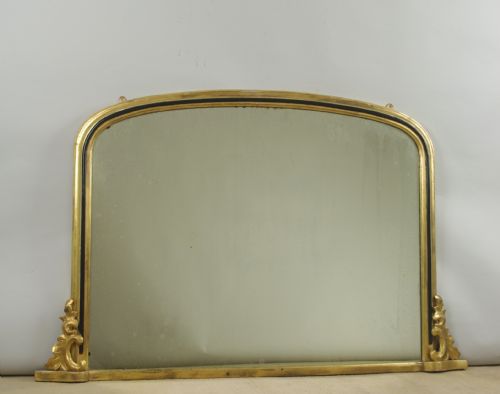
An accent wall mirror is a decorative looking glass designed to hang on a wall, often serving as a focal point in a hallway, over a mantelpiece, or in a principal room. The selections available on this page run from substantial overmantels to smaller decorative plates, spanning periods from the eighteenth century through the Victorian era into the art deco years.
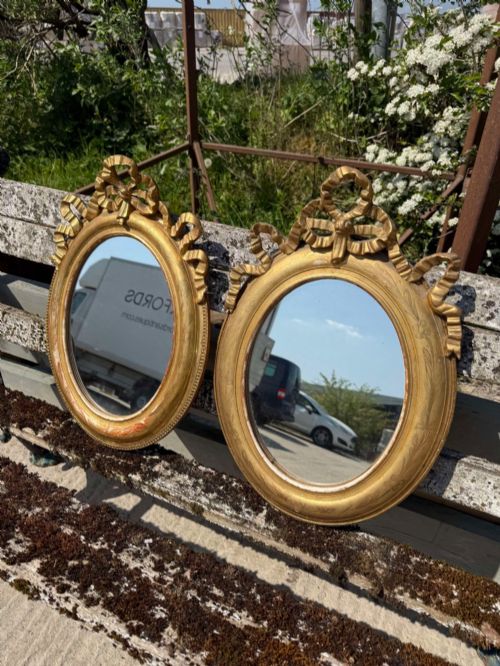
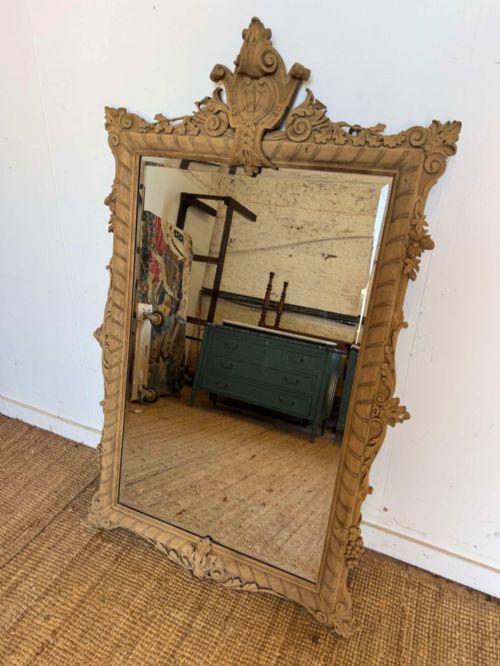
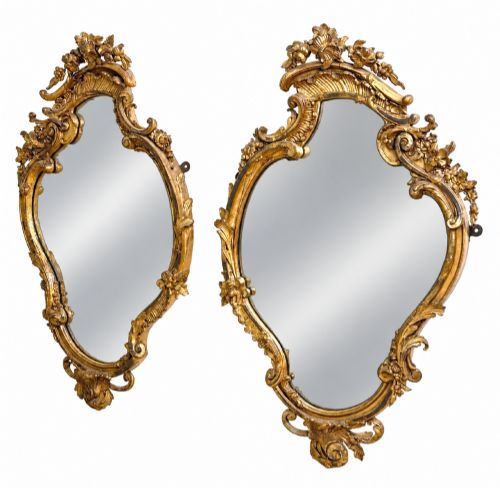
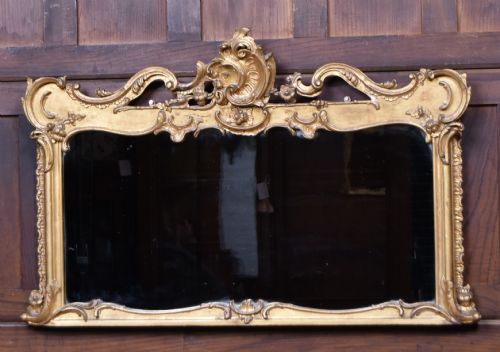
You are most likely to encounter nineteenth-century giltwood pieces alongside various revival styles, including French and Italian rococo interpretations. Oak frames, carved wood, and simpler faux bamboo or inlaid examples also appear frequently across the current listings.
The forms range from rectangular and oval plates to convex mirrors and trapezoidal shapes. Many incorporate traditional regional designs, such as Florentine carvings or Venetian glasswork, giving each piece a distinct geographical and historical context.
How they were made
Makers relied heavily on carved wood foundations, applying gesso to create crisp relief details before laying down gold leaf or silver-gilt finishes. Giltwood and carved gesso dominate the ornate nineteenth-century examples, requiring steady handwork by skilled carvers.
Alternative materials include solid oak and walnut, sometimes left with a natural grain or combined with parcel gilt highlights. More specialised techniques involve bone and mother of pearl inlay, reverse cut glass plates, and painted silk panels.
Accent Wall Mirror Retail Price Guide 2026
Typical asking prices for accent wall mirror among the pieces listed under this phrase on Sellingantiques today, from the lower quarter to the upper quarter. They describe what is for sale here now, not the wider market.
A faux bamboo frame from around 1900 offers a delightful botanical nod to nineteenth-century japanning whimsy.
What varies in quality
The distinction between ordinary and superior examples lies in the crispness and depth of the hand-carving within the wooden or gesso frames. Finer pieces demonstrate careful proportioning and deeply undercut foliage or scrollwork rather than shallow, moulded composition ornament.
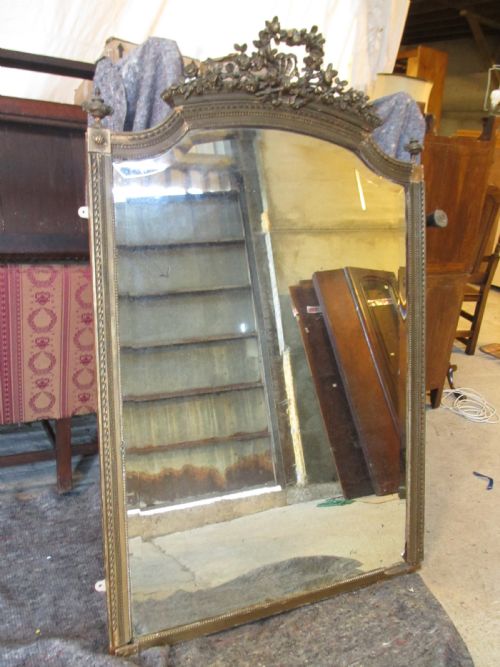
The preservation of the original reflective plate and gilding also dictates the character of the piece. Authentic period silvering and original mercury or early glass plates hold greater integrity than later replacements.
The Accent Wall Mirror Glossary
- Giltwood
- Wood that has been coated with a thin layer of gold leaf. This finish defines many of the grander frames from the eighteenth and nineteenth centuries.
- Gesso
- A plaster-like mixture applied to wood frames and carved before gilding. It allows for intricate relief ornamentation that holds gold leaf evenly.
- Overmantel mirror
- A large horizontal mirror designed to sit directly above a fireplace mantel. These pieces often anchor the proportions of a principal reception room.
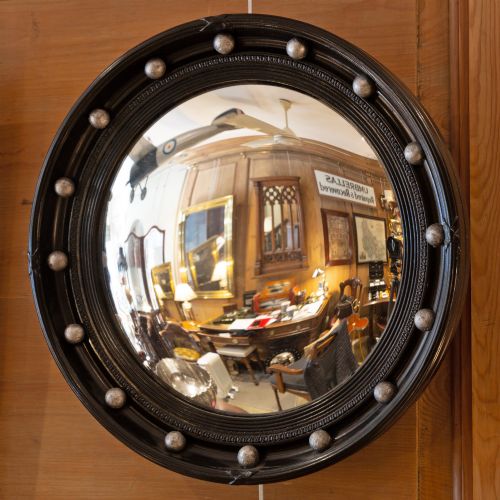
- Convex mirror
- A round looking glass with a bulging surface that offers a wide, curved reflection of the interior. They were particularly popular during the regency and early twentieth centuries.
- Parcel gilt
- A finish where only specific portions of a wooden or painted object are highlighted with gold leaf. This technique creates a subtle contrast against dark walnut or painted surfaces.
Accent Wall Mirror: Frequently Asked Questions
Where should I place an accent wall mirror in a room?
Positioning a mirror opposite a window maximises natural daylight and draws brightness deep into the interior space. Placing one above a mantelpiece or sideboard creates a traditional focal point that balances surrounding furniture.
Consider the reflections the glass will capture from seating areas and lighting fixtures. A well-placed mirror doubles visual depth and alters the perceived proportions of smaller hallways or parlours.
How can I tell a nineteenth-century frame from a later revival piece?
Examine the construction of the wooden backing and the composition of the gesso relief work under close observation. Nineteenth-century pieces typically show hand-tool marks and traditional joinery methods suited to the period.
Revival pieces often utilise machine-cast composition ornaments or modern backing boards. Comparing the wear patterns on the gilding with the age of the glass plate helps confirm the historical consistency of the entire object.
What is the difference between a pier mirror and an overmantel mirror?
A pier mirror is traditionally tall and narrow, designed specifically to hang on the wall space between two windows. Their proportions reflect the architecture of formal nineteenth-century drawing rooms.
An overmantel mirror is built wide and horizontal to span the generous width of a fireplace surround. These broader formats were engineered to dominate the chimney breast and reflect light across the main body of the room.