




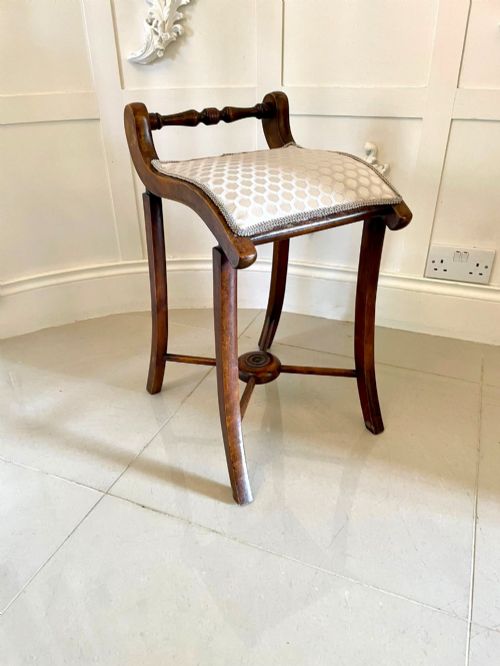
19th Century Wooden Stool
A 19th century wooden stool brings genuine vernacular character to a room, offering sturdy utility and timeless craftsmanship in solid timber.
19th Century Wooden Stool
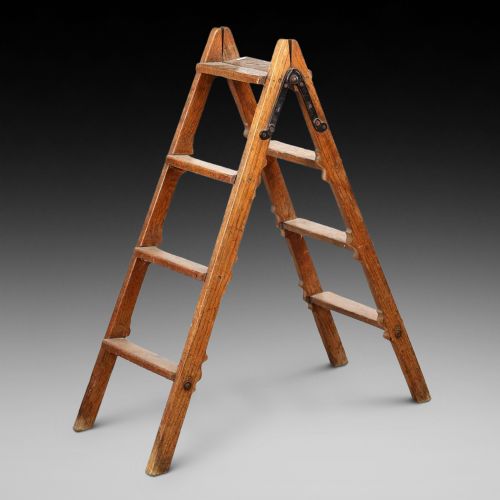
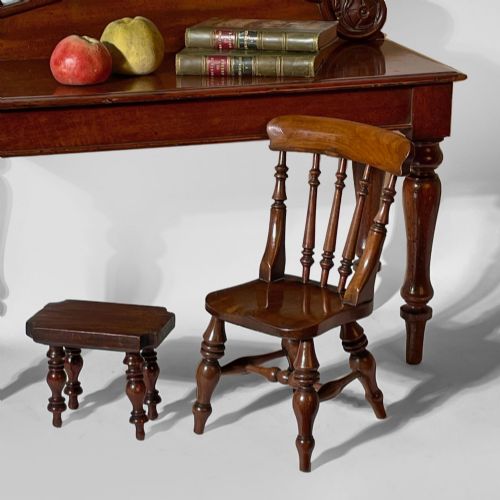
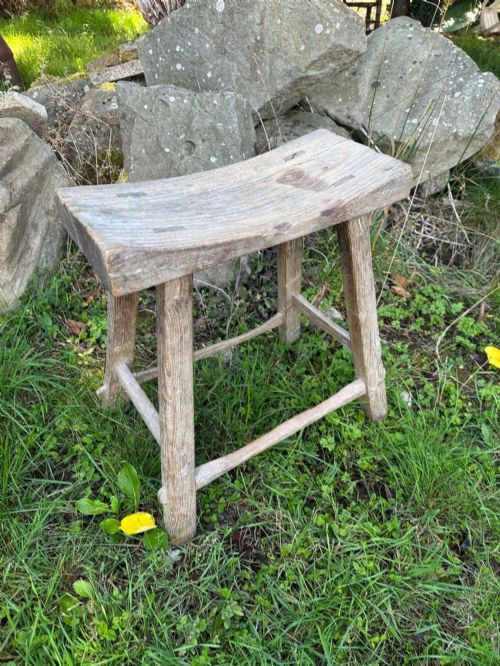
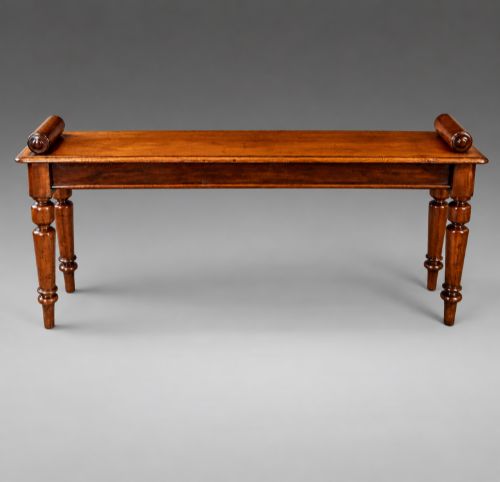
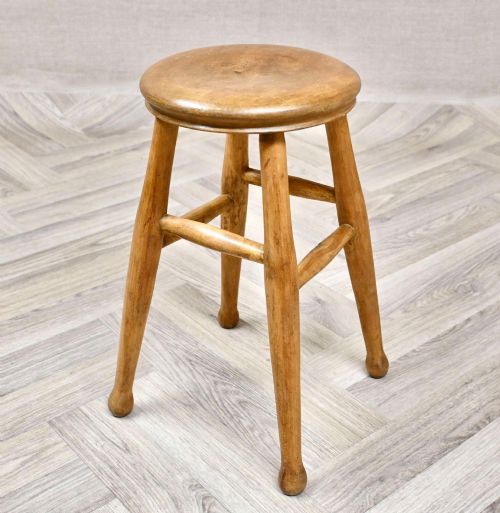
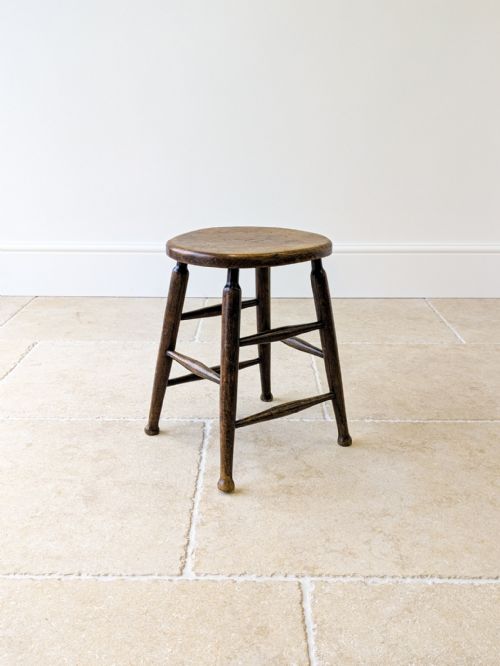
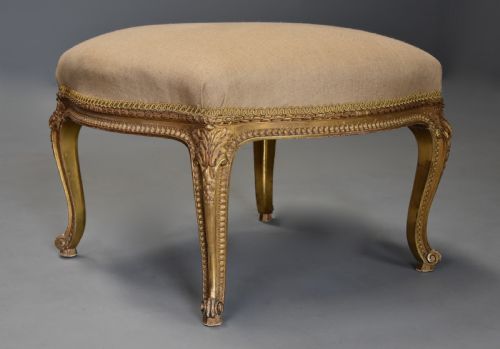
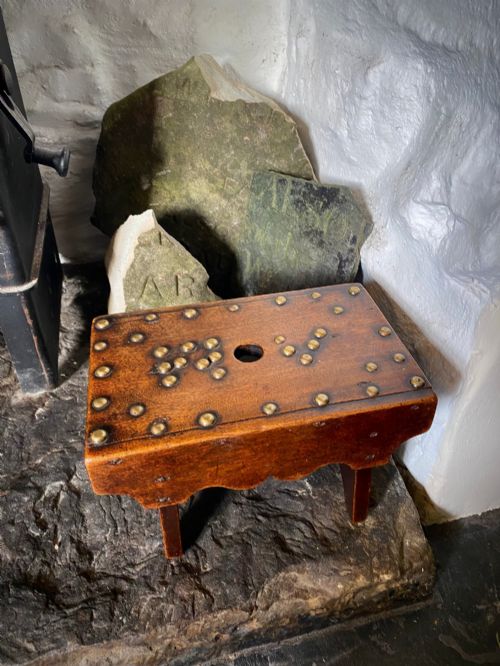
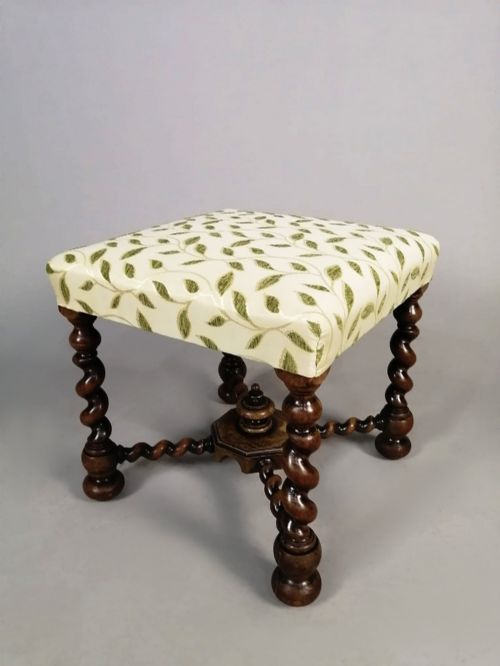
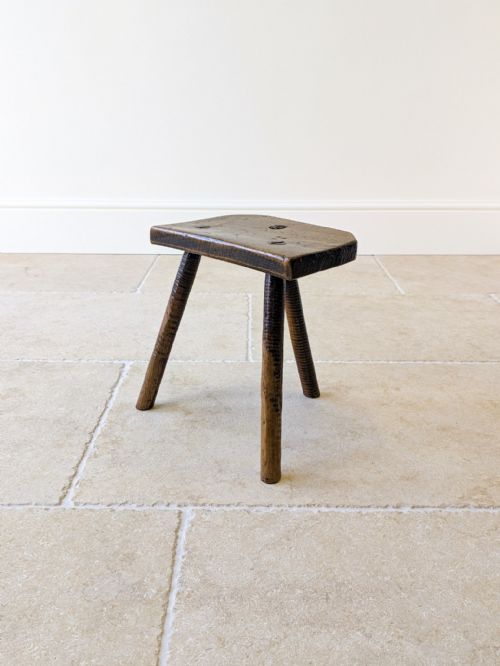
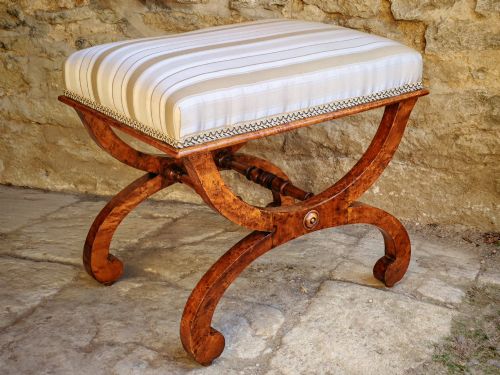
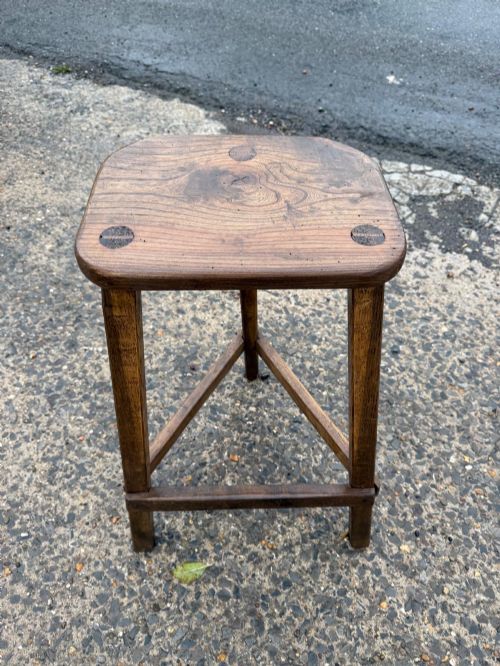
A 19th century wooden stool encompasses a diverse array of domestic and working seating, from rustic milking stools and tavern benches to elegant dressing table seats and machinist stools. The selection spans straightforward rural forms alongside pieces influenced by Georgian, Regency and Victorian styles, reflecting both everyday utility and formal design.
Buyers encounter various timber compositions, including oak, elm, sycamore, mahogany and ash, shaped into low footstools, tall bar stools, window seats and jointed stands. Many examples emerge from English and European country traditions, while others display specialised workshop origins such as silversmithing or jeweller trades.
The period vernacular is further represented by utilitarian chopping blocks, primitive game blocks and metamorphic gout stools. These items serve multiple interior functions, functioning as occasional seats, side tables or decorative display surfaces within traditional and contemporary spaces.
Materials and Construction
Makers utilised a combination of durable native hardwoods, relying heavily on oak, elm, ash and sycamore for seats and structural frames, alongside polished mahogany and rosewood for more formal seating. Joinery techniques varied from traditional pegged joints to turned legs wedged directly into solid plank seats.
Surfaces often display original paint finishes, natural waxed patinas or heavy upholstery in linen and fabric, sometimes paired with brass hardware. Vernacular construction prioritized functional longevity, utilising gnarled natural branches or sturdy turned supports to bear sustained weight in pubs, workshops and farmhouses.
19th Century Wooden Stool Retail Price Guide 2026
Typical asking prices for 19th century wooden stool among the pieces listed under this phrase on Sellingantiques today, from the lower quarter to the upper quarter. They describe what is for sale here now, not the wider market.
Specialised workshop forms on the site include clerk, machinist, silversmith and jeweller stools alongside domestic footstools and window seats.
Evaluating the Pieces
Quality rests in the integrity of the timber, the honesty of the construction and the preservation of original surfaces like early paint or deep patinated wax. Pieces retaining their structural stability through original joints and untampered legs demonstrate superior provenance compared to those with extensive later reinforcement.
The distinction between a standard utility seat and a superior example lies in the harmony of proportion, the character of the wood grain, and the survival of authentic workshop or domestic wear. Refined dressing stools show delicate carved details and polished mahogany, whereas rustic vernacular pieces derive their appeal from robust primitive shaping and untouched surface history.
The 19th Century Wooden Stool Glossary
- Vernacular
- Everyday objects made by local craftsmen for specific practical use rather than high-style design. These pieces often utilise regionally available timbers and straightforward construction methods.
- Milking stool
- A small, typically three-legged seat designed for agricultural work. The three-legged format ensured stability on uneven barn floors.
- Windsor stool
- A seat featuring legs socketed directly into a solid, shaped wooden plank. This construction method derives from traditional Windsor chair making.
- Metamorphic
- Describing furniture designed to transform into multiple forms or serve different functions. An example includes gout stools that adjust for elevation and angle.
- Joint stool
- A sturdy wooden seat constructed with mortise and tenon joints held by wooden pegs. They pre-date upholstered chairs and served versatile domestic purposes.
19th Century Wooden Stool: Frequently Asked Questions
How do I use a wooden stool in a modern room?
A 19th century wooden stool functions effectively as a compact side table next to a sofa or as an extra seat in a hallway.
Their varied heights and patinated timber textures allow them to sit comfortably alongside contemporary furniture without overwhelming the space.
Were these stools used in homes or workplaces?
The inventory includes items designed for both domestic interiors and demanding commercial or industrial environments.
While some served in drawing rooms as dressing or window seats, others originated in pubs, farmhouses and jeweller workshops for specialised labour.
How do I distinguish between different wood types?
Oak and elm display prominent grain patterns and robust durability, commonly found in heavier country benches and joint stools.
Softer or lighter woods like sycamore and ash appear frequently in utilitarian pub and workshop seating, whereas mahogany and rosewood denote formal domestic furniture.
What does original paint add to a rustic stool?
Original surface paint preserves the historical character of pieces like European milking stools and primitive window seats.
Remaining traces of ochre, yellow, green or white pigment provide tangible evidence of the object's age and working life.