

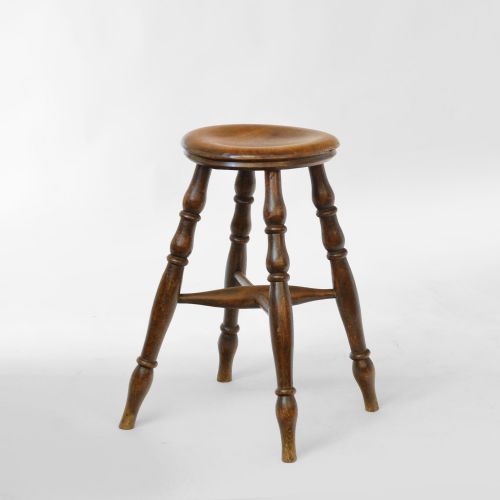
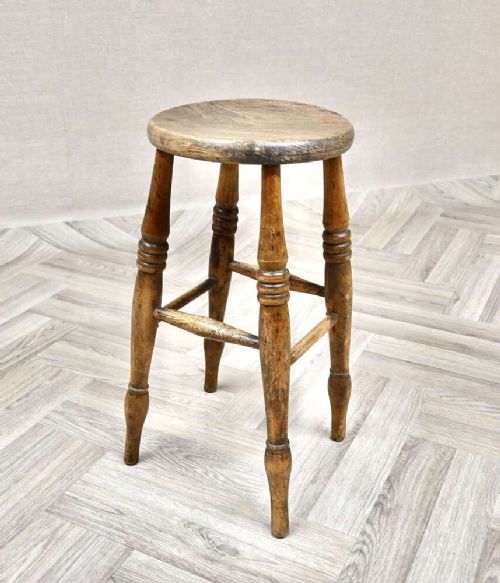

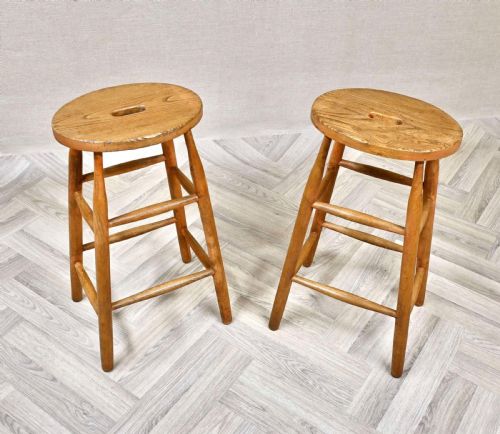
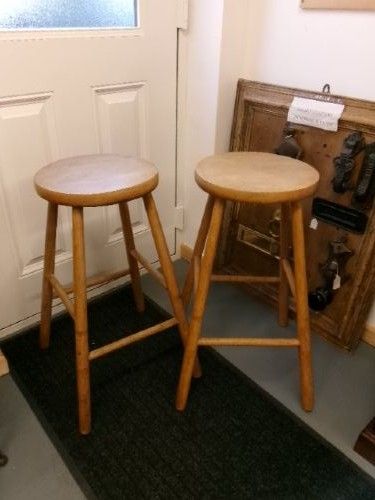

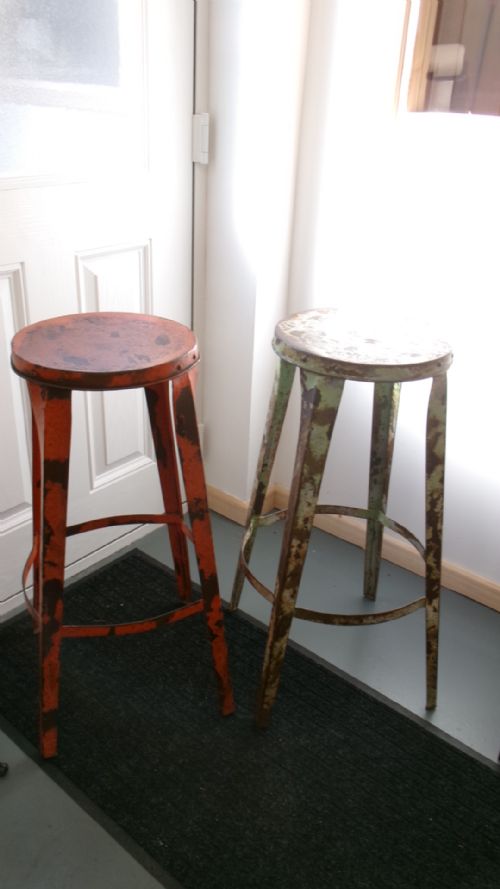


Rustic High Bar Stool
A rustic high bar stool brings honest utility and timeless character to a counter, built for daily tavern or workshop use.
Rustic High Bar Stool
When you search for a rustic high bar stool, you encounter sturdy seating designed for elevated work or social spaces. These practical pieces trace their origins back to nineteenth-century pubs, clerk offices, and farmhouse kitchens.
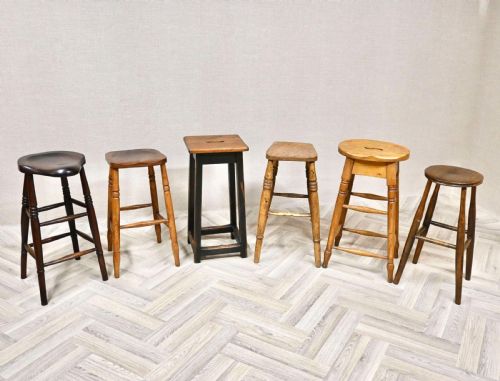
The most common forms on this page include tall clerk stools, pub tavern stools, and kitchen stools. They date predominantly from the nineteenth century through to the nineteen-forties, spanning styles from Victorian vernacular to industrial and rustic country.
How they were made
These stools rely heavily on solid timbers such as elm, beech, pine, and sycamore. Carpenters selected these hardwoods and softwoods for their strength and ability to withstand heavy daily use.
Makers utilised traditional construction techniques, including turned wooden components, riveted metal joints on industrial examples, and woven rush seats. Each piece reflects the functional requirements of its original working environment.
Rustic High Bar Stool Retail Price Guide 2026
Typical asking prices for rustic high bar stool among the pieces listed under this phrase on Sellingantiques today, from the lower quarter to the upper quarter. They describe what is for sale here now, not the wider market.
Several nineteenth-century clerk stools spent their youth listening to quill pens scratching ledger books before retiring to modern kitchen bars.
What varies in quality
Quality in these high stools rests upon the selection of timber and the integrity of the joinery. Solid elm seats and well-turned beech legs demonstrate superior durability compared to simpler constructed alternatives.
The distinction between a standard workshop stool and a refined pub or tavern example lies in the proportion and comfort of the seat. Patina accumulated through decades of use adds depth to the better surviving examples.
The Rustic High Bar Stool Glossary
- Clerk's stool
- A tall wooden seat traditionally used by writers or accountants standing at high desks. These often feature turned beech legs and simple wooden tops.
- Rush seat
- A seating surface woven from dried marsh rushes, providing a flexible and supportive texture. This technique appears on traditional tall stools.
- Vernacular style
- Furniture made by local craftsmen for everyday practical use rather than following high-fashion court designs. These pieces prioritise function over ornamentation.
- Pub stool
- A robust high seating form built for taverns and taprooms. They are engineered to endure heavy, continuous public use.
Rustic High Bar Stool: Frequently Asked Questions
What is a rustic high bar stool?
A rustic high bar stool is an elevated seat originating from nineteenth-century work spaces, pubs, and country houses. They were built for practical utility rather than formal dining.
Today, buyers seek them for home bars and kitchen counters to introduce authentic period character and sturdy construction.
How do I date an old bar stool?
Dating relies on observing material choices, tool marks, and construction styles such as Victorian turning or industrial metal riveting. Nineteenth-century examples often display solid elm tops and hand-turned beech legs.
Later pieces from the nineteen-twenties and thirties introduce metal components and simpler stained beech frames.
Where were tall wooden stools used?
These tall stools served workers in diverse trades, from clerks standing at high ledges to patrons sitting at tavern bars and wine counters. Their elevation was specifically designed for working or drinking at raised surfaces.
Farmhouses and laboratories also utilised them for tasks requiring an elevated seating position.
How do I live with antique high stools?
Living with these pieces involves placing them at kitchen islands, breakfast bars, or home counters where their height can be utilised daily. Their robust timber construction makes them practical for everyday use.
Regular maintenance simply requires preserving the surface timber and checking the stability of the traditional joints.