


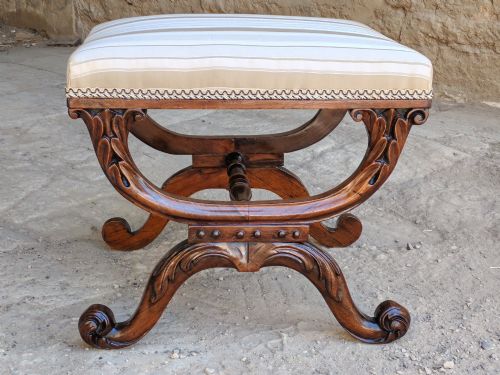
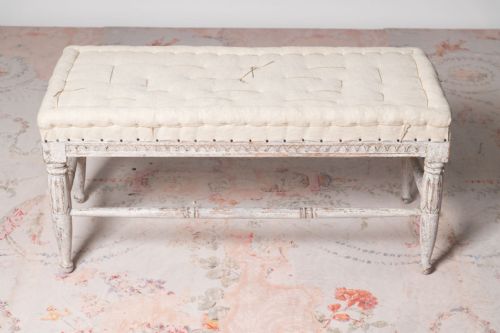
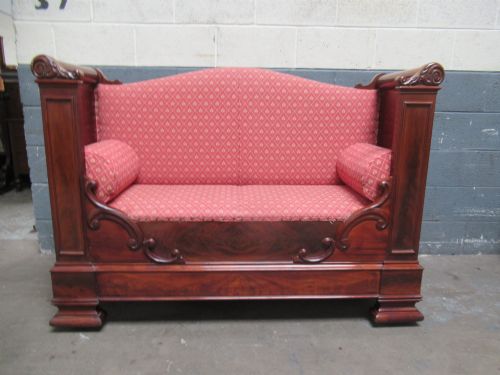
19th Century Window Bench
A 19th century window bench brings tailored seating to a hallway or alcove, combining period craftsmanship with practical domestic utility.
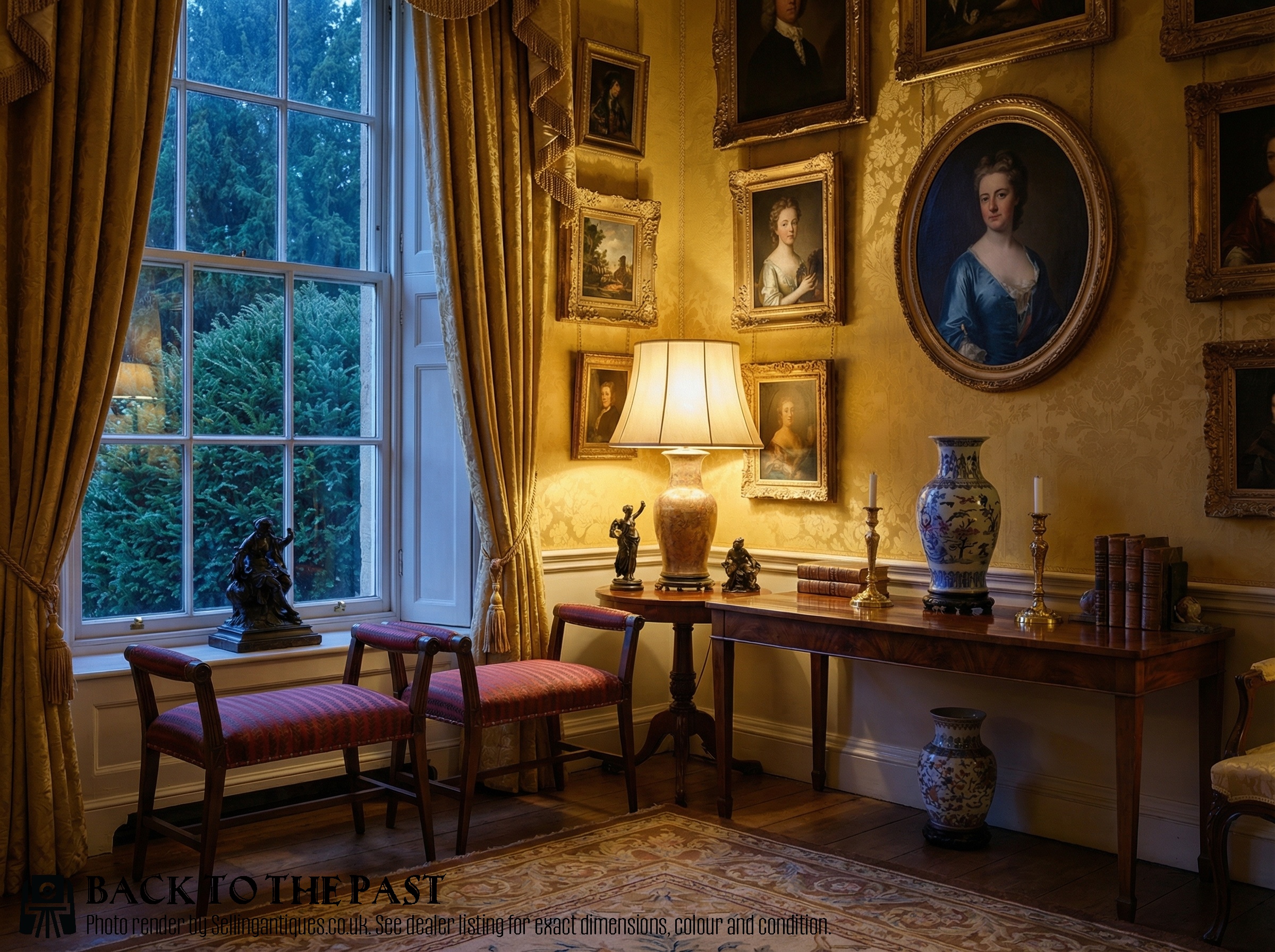
19th Century Window Bench
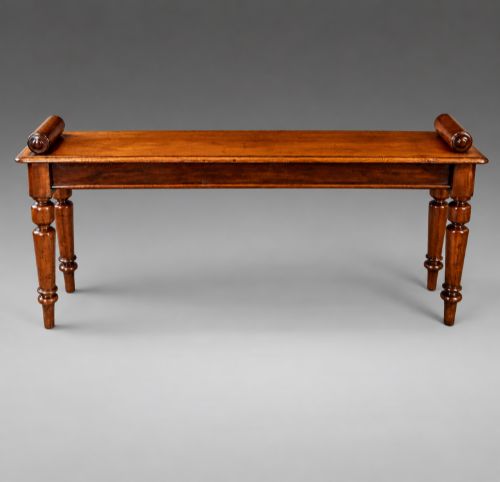
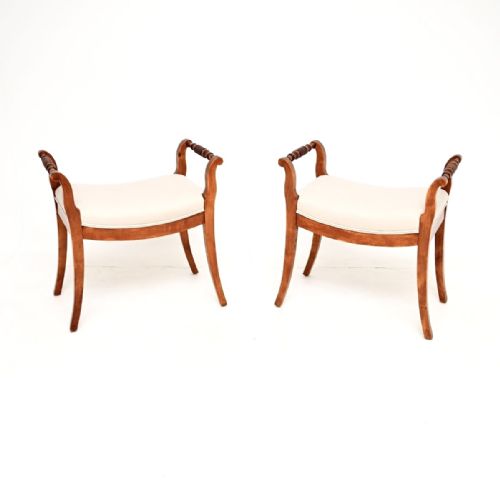
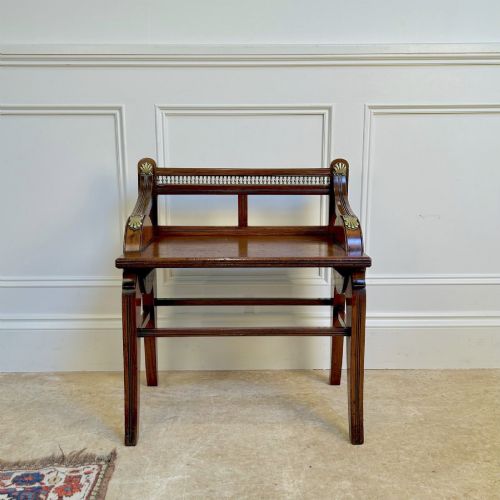
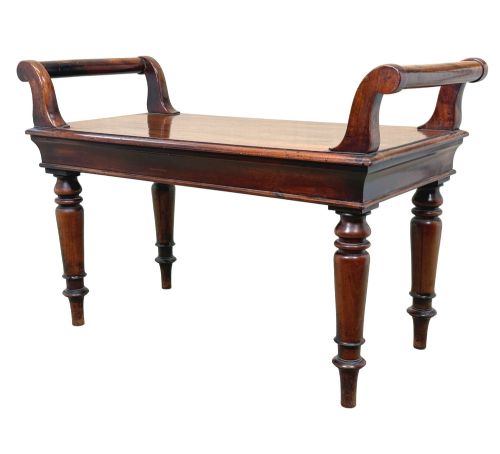
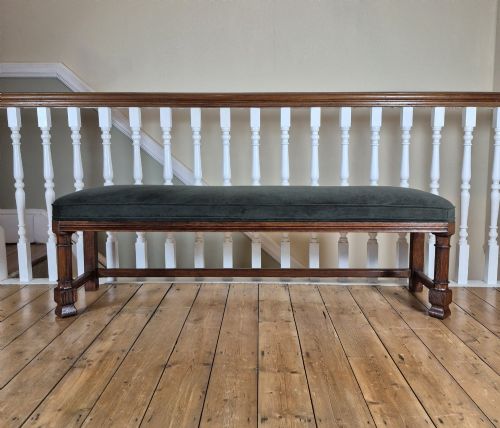
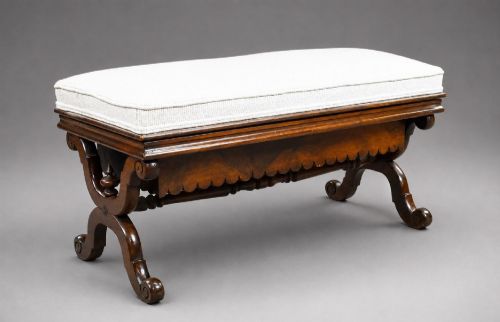
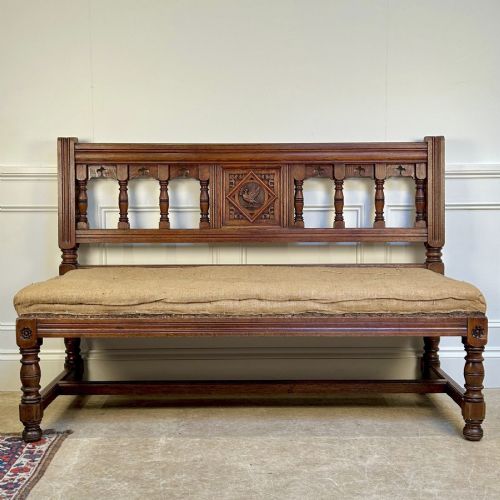
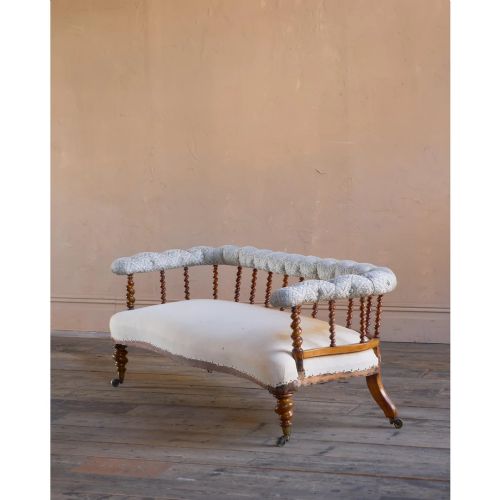
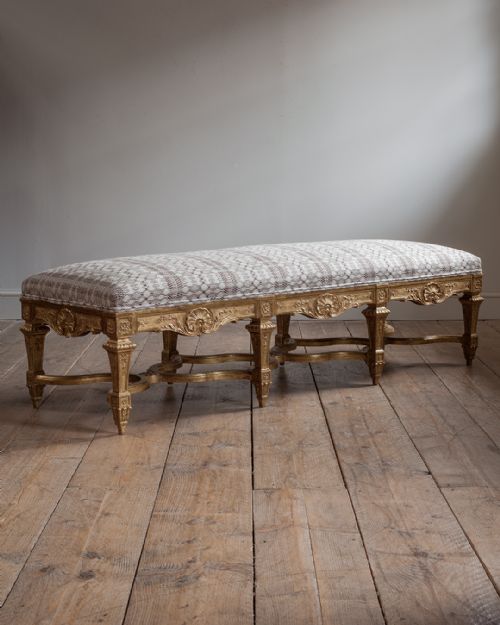
A 19th century window bench bridges the gap between domestic seating and architectural joinery, appearing in forms ranging from compact stools to long hall benches. The pieces on this page span the 19th century, covering Regency, Victorian, William IV, and Gothic Revival styles alongside continental and Asian workshops.
Most examples function equally well as window seats, hall benches, or long stools, utilising solid timbers like mahogany, oak, and walnut. Makers built them to fit specific architectural spaces, resulting in low profiles designed to sit beneath window sills or line narrow corridors.
The selection includes painted pine, satin birch, and exotic hardwoods alongside carved rosewood and giltwood variations. These forms reflect diverse regional tastes across England, France, Italy, Sweden, and China during the 1800s.
How they were made
Cabinet makers utilised dense timbers such as mahogany, oak, walnut, and rosewood, often selecting figured veneers like burr maple or burr elm for decorative impact. Construction relied on traditional joinery methods, securing frames with mortise and tenon joints to withstand heavy domestic use.
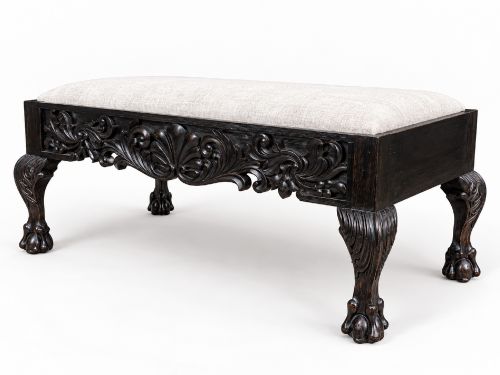
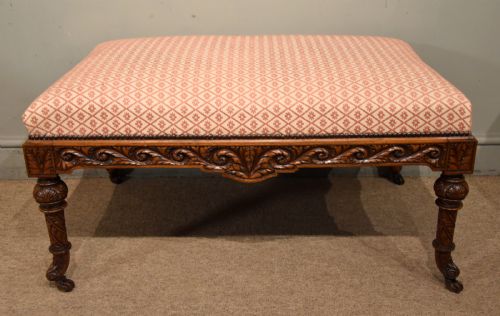
Upholstered versions combined webbing, springs or stuffing, and textile coverings including velvet, damask, and plain upholstery fabric. Carved elements required skilled hand chiselling, whether executing Gothic tracery, Rococo scrolls, or classical giltwood ornamentation.
19th Century Window Bench Retail Price Guide 2026
Typical asking prices for 19th century window bench among the pieces listed under this phrase on Sellingantiques today, from the lower quarter to the upper quarter. They describe what is for sale here now, not the wider market.
What varies in quality
The standard of carving and timber selection determines the distinction between ordinary utility items and exceptional workshop productions. Crisp detail in hand-carved foliage or architectural tracery signals superior craftsmanship compared to softer, mass-produced moulding.
Material choice and structural integrity dictate longevity, with dense hardwoods and robust frame joints holding up better than secondary softwoods. Maker attribution, through stamped signatures or documented workshop styles, adds historic weight to the piece.
C. Hindley & Sons·James Shoolbred & Co·Charles Nosotti·GIllows
The 19th Century Window Bench Glossary
- Gothic Revival
- A design style drawing on medieval architectural motifs such as pointed arches, quatrefoils, and heavy oak construction. It dominated mid 19th century church and domestic interiors.
- Regency
- An English design period spanning the early 19th century, characterised by classical Greco-Roman influences, saber legs, and restrained ornamentation. Pieces from this era often feature rosewood or mahogany.
- Giltwood
- Timber coated with a thin layer of gold leaf over a prepared gesso ground. This finish appears frequently on 19th century French and English salon seats and stools.
- Cabriole leg
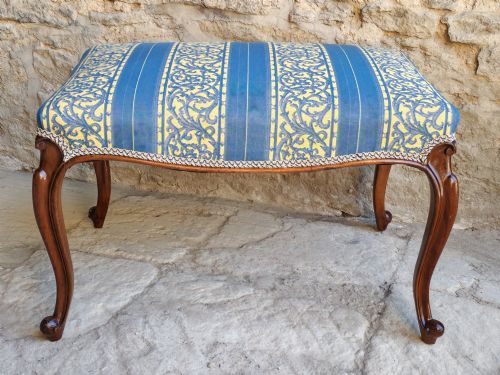
- A furniture leg that curves outward at the knee and tapers inward toward the foot, mimicking animal limbs. It frequently appears on mid 19th century walnut and mahogany seating.
- X-frame stool
- A folding or rigid stool supported by intersecting diagonal legs forming an X shape. This ancient form saw revival during the 19th century in Empire and Gothic styles.
19th Century Window Bench: Frequently Asked Questions
Where should I place a window bench?
These pieces suit narrow hallways, bedroom window recesses, or living room alcoves where traditional sofas prove too bulky. Their shallow depth allows them to sit flush against walls without obstructing pathways.
Positioning one beneath a low window creates a functional reading spot that utilises otherwise empty architectural space. In hallways, they offer a convenient surface for putting on shoes while introducing period character.
How do I distinguish between styles?
Regency examples typically feature clean classical lines, dark mahogany, and restrained brass or gilt mounts. Victorian and Gothic Revival pieces often display heavier oak construction, pointed arches, and deep relief carving.
Continental pieces from France and Italy lean towards painted finishes, giltwood, and curved cabriole legs. Checking the timber and ornamental motifs helps identify the specific period and regional workshop.
Can I reupholster an antique bench?
Many upholstered examples accept modern fabric without compromising their historic integrity, provided the internal webbing and padding are carefully restored. Traditional stuffing materials like horsehair can be retained or replaced using sympathetic methods.
Selecting a textile that matches the period style, such as velvet or traditional woven fabric, helps maintain the visual balance of the piece. Professional upholstery ensures the frame remains undamaged during the process.
Were these always used by windows?
Despite the modern term window bench, 19th century makers often designated these forms as hall benches, dressing stools, or long seats. They served multiple domestic purposes depending on the room and the household's needs.
In grand houses, long versions stood in entrance halls for visitors to use while waiting, while smaller padded stools sat in bedrooms or dressing rooms.