


19th Century Watercolour Art
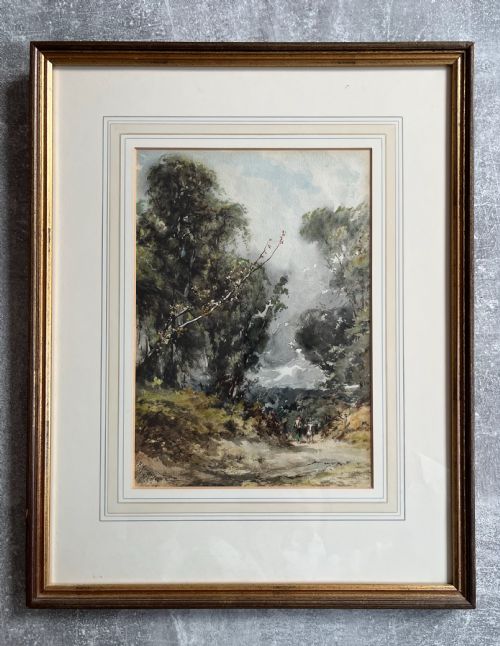
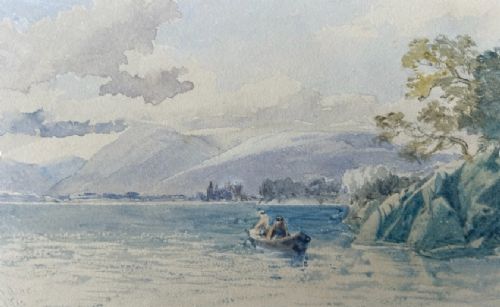
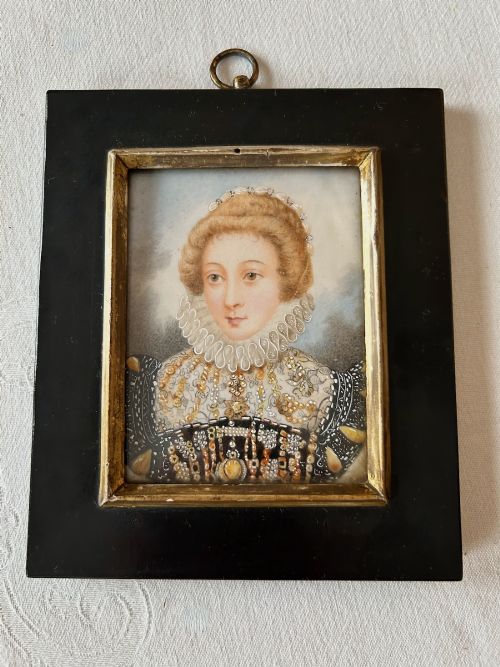
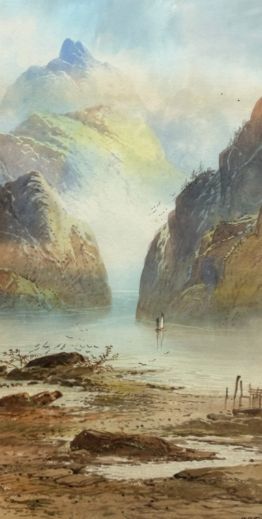
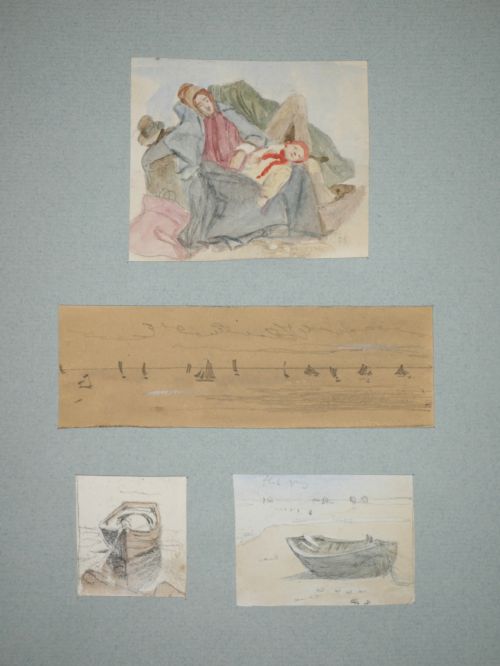
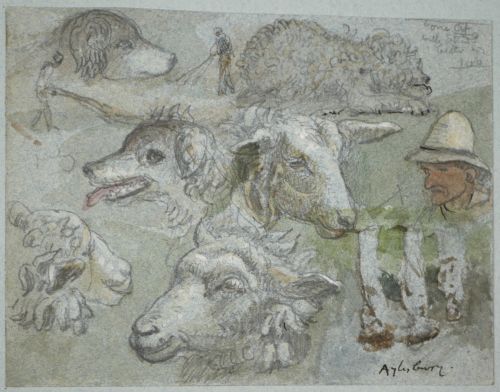
These 19th century watercolour art pieces capture intimate botanical studies, sweeping maritime views and detailed portrait miniatures on paper.
19th Century Watercolour Art
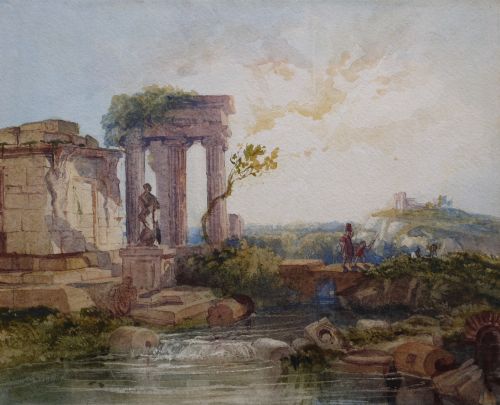
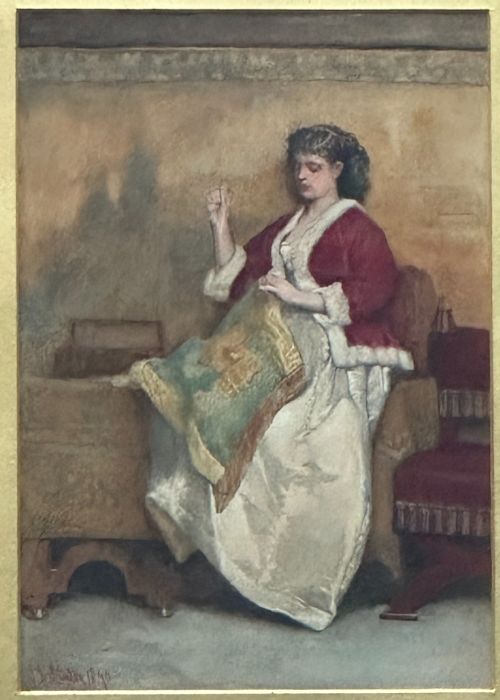
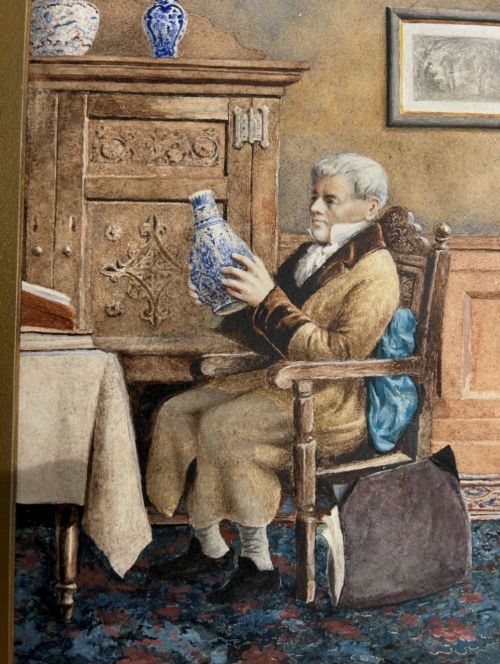
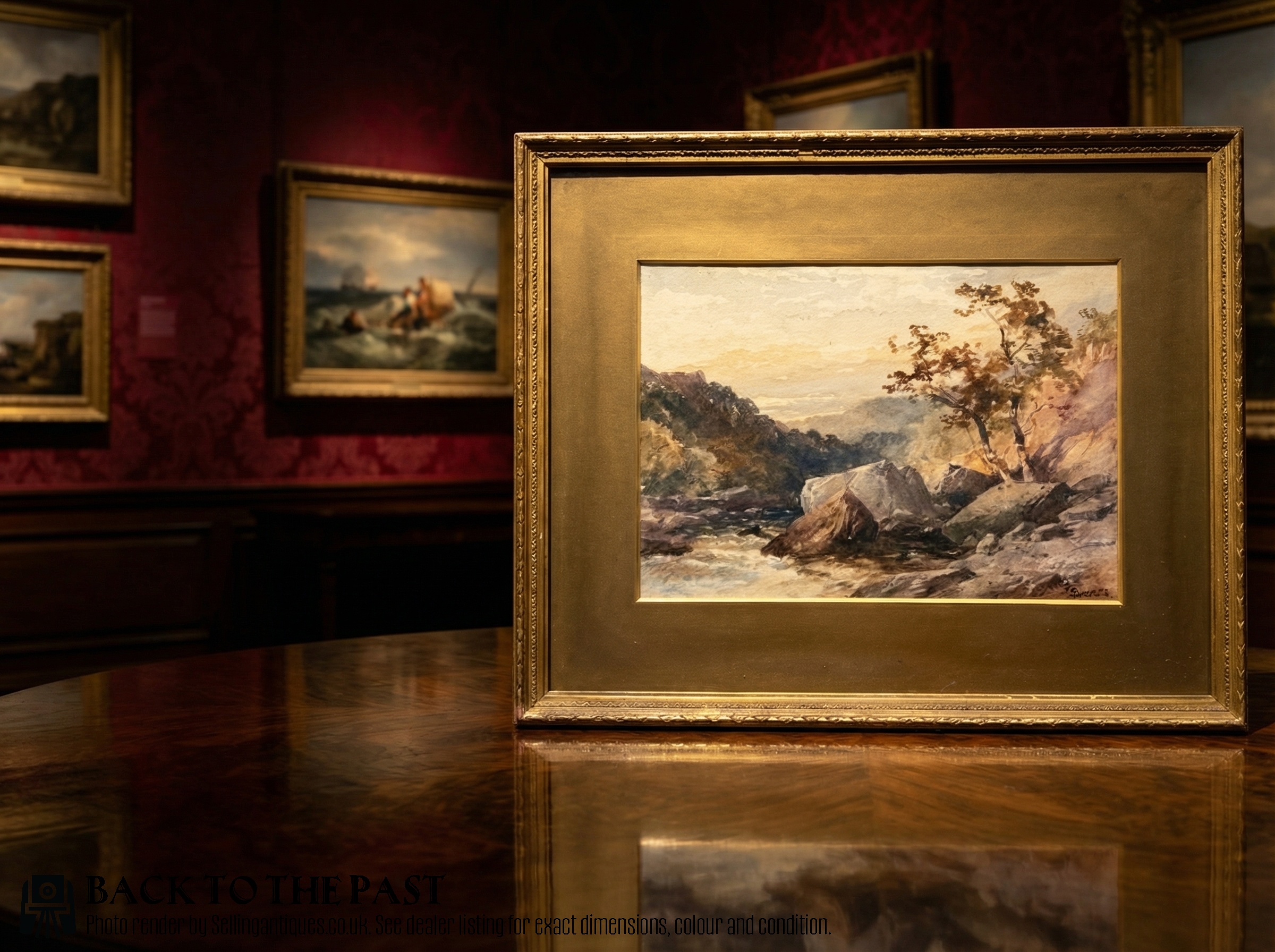
Collectors seeking 19th century watercolour art encounter works ranging from detailed botanical studies and ornithological watercolours to expansive British and Scottish landscapes. The selection includes framed wall art, intimate portrait miniatures, and sketchbook studies created across the Victorian and Regency eras.
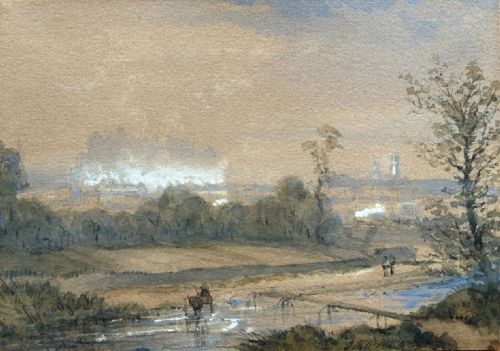
Many examples document topographical scenes, coastal fishing ports, and rural farmsteads, alongside illustrative works influenced by the Arts and Crafts movement or Pre-Raphaelite circles. These pieces reflect diverse technical approaches, spanning rapid plein-air sketches to highly finished exhibition watercolours.
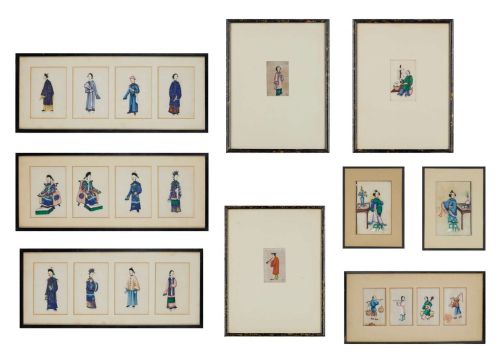
Buyers frequently find works attributed to named British artists, alongside provincial pieces and continental views executed by travellers and military officers. The material spans standard paper sheets, pith paintings, and works on silk housed within period frames.
How They Were Made
These works rely primarily on water-soluble pigment applied to paper, occasionally augmented with bodycolour for opaque highlights or ink and wash for underlying definition. Certain examples utilise specialised surfaces such as Chinese pith paper or silk panels.
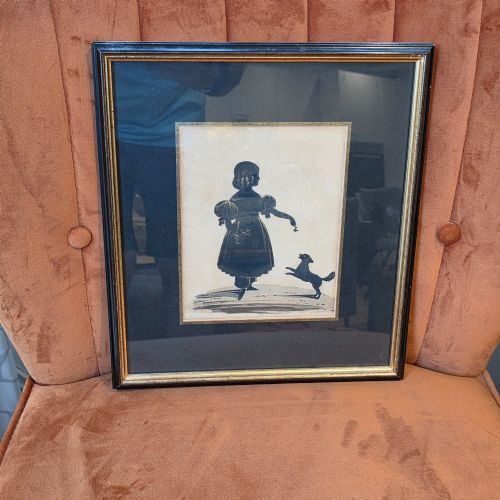
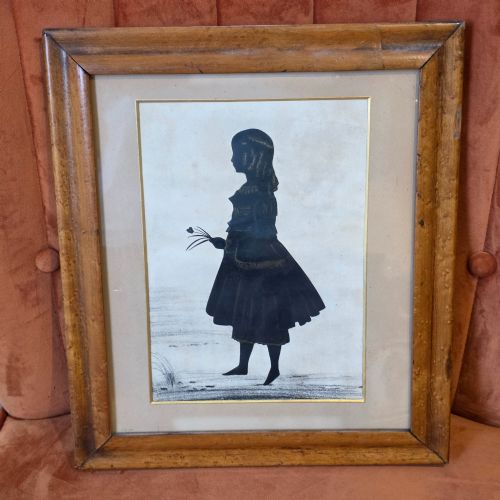
Artists mounted these works within wood frames, frequently incorporating giltwood, rosewood, or Hogarth mouldings, protected by glazing panes to shield the delicate pigments from atmospheric degradation.
A solitary blue bird gazes out from a Regency botanical sheet, entirely unbothered by the surrounding foliage.
What Varies in Quality
Quality depends heavily on the precision of the brushwork and the artist's command of light, atmosphere, and perspective within the composition. Exhibition-scale works and signed pieces by established painters generally display superior draughtsmanship compared to anonymous provincial sketches.
The survival of the original pigment vibrancy and the preservation state of the underlying paper support distinguish superior examples. Furthermore, period framing in original giltwood or rosewood enhances the overall integrity of the piece.
William James Hubard·George Fotherly Hargitt·Thomas Miles Richardson Jnr·James Orrock·William Henry Earp·Richard Principal Leitch·Sir James Dromgole Linton·John R Prentice·Alfred Young Nutt·Henry Stacy Marks·James Smetham·Edward Bradford·A Mitchell·John McDougal·Sir Thomas Lawrence·James E Aitken·Richard Cosway·William Banks Fortescue·Robert A Nottingham·Henry Silkstone Hopwood·Vincent Clare·Thomas William Morley·R Hurst·Robert Thorne Waite·Th Thibault
The 19th Century Watercolour Art Glossary
- Bodycolour
- Watercolour paint mixed with a white pigment to create an opaque finish. This technique allows artists to add solid highlights and opaque details over transparent washes.
- Portrait Miniature
- A small, highly detailed painting, often executed on ivory, vellum, or paper. These intimate works were highly popular for commemorating family members and historical figures during the Regency and Victorian periods.
- Pith Painting
- Artwork painted on the spongy cellular interior of the Tetrapanax papyrifer plant. These delicate Chinese export pieces feature vibrant pigments applied to a soft, absorbent surface.
- Hogarth Frame
- A distinctive wooden picture frame featuring a stepped or ogee profile, typically finished with a dark, marbled surface and a gilt slip. These frames are frequently found on 18th and 19th-century works on paper.
- Provenance
- The documented history of ownership of an artwork. Tracing the provenance helps confirm the authenticity, attribution, and exhibition history of a 19th-century painting.
19th Century Watercolour Art: Frequently Asked Questions
How should I display antique watercolours safely?
Keep these works out of direct sunlight to prevent the pigments from fading over time. Maintaining stable indoor humidity levels also protects the paper support and prevents mould growth.
Ensure that any framing uses acid-free mounts and backing boards to avoid chemical damage to the paper. Professional framing with UV-protective glass offers the best long-term preservation for historical artworks.
What is the difference between watercolour and bodycolour?
Traditional watercolour uses transparent washes of pigment where the white of the paper provides light and luminosity. Painters use this technique to achieve delicate atmospheric effects in landscapes and botanical studies.
Bodycolour incorporates white pigment to make the paint opaque. Artists utilise this method to add bright highlights, solid details, and rich opaque areas across the composition.
How can I identify the date of a watercolour?
Examine the paper watermark, artist signatures, dates inscribed on the front or verso, and stylistic clues within the subject matter. Clothing styles, architectural details, and framing methods often point to specific decades like the Regency or Victorian era.
Exhibition labels, gallery stamps, and biographical records of the artist provide further chronological anchors. Comparing signature styles across documented works helps narrow down the exact period of creation.
Were these watercolours intended for framing originally?
Many 19th-century watercolours were created as finished pieces for public exhibitions at institutions like the Royal Academy. Artists mounted and framed these works specifically for display in domestic interiors.
Other examples originated in artists' sketchbooks or travel journals, intended for personal study rather than wall display. Owners subsequently framed these sketchbook leaves to preserve and exhibit the intimate studies.