Radnorshire Fine Arts Ltd has dated this piece to the 19th Century.
Research and Attribution
Her work has resulted in two papers on the subject: “Decoding the Mystery Scrapbook” and “George Heriot and his Niece.”
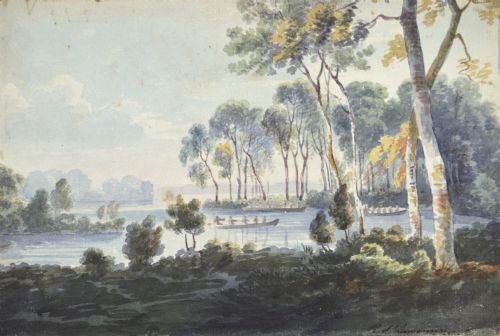
St Lawrence Watercolour
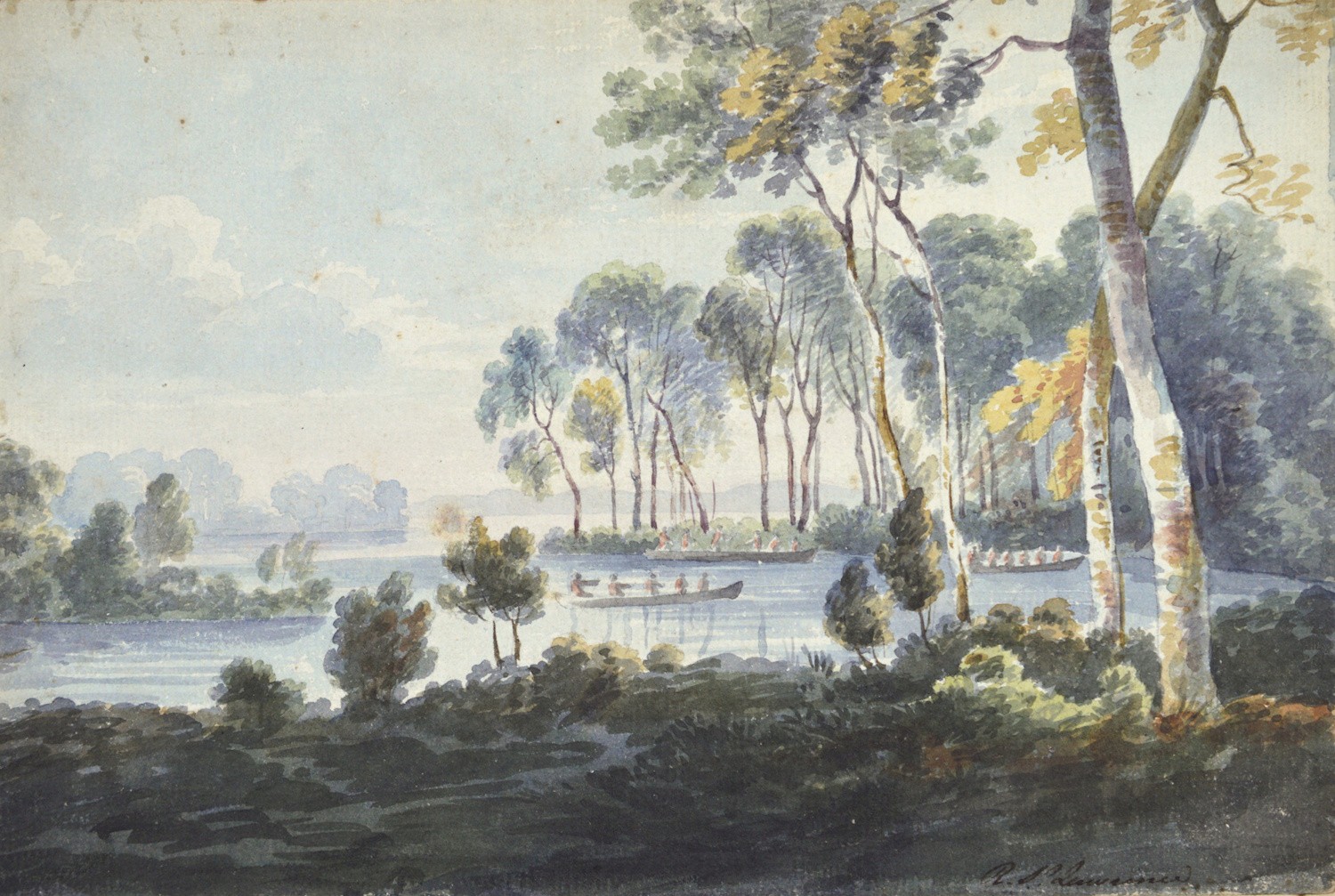
Among the album’s prints and drawings is a fine unsigned watercolour showing redcoat soldiers on the St Lawrence River. Our initial view was that Elizabeth Simcoe painted the picture, partly because she spent a considerable amount of time on the river and the album was purchased in Herefordshire where she once lived. However, after consultation with the historian Kerry Abel and a review of the broader evidence within the album, George Heriot now appears to be the most likely artist. The evidence also suggests that Heriot’s niece, Sophia Jane Turner Guy (1802–1888), was probably the keeper of the album.
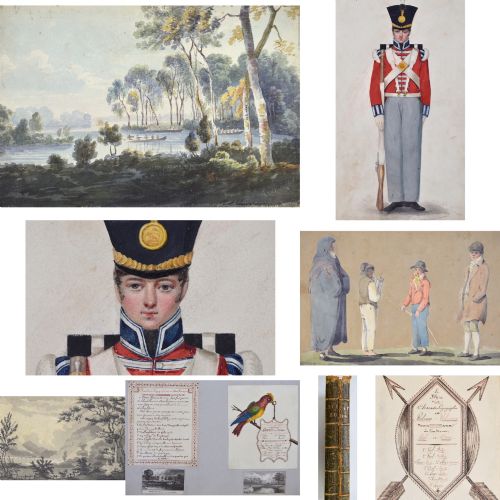
Further Information and Copyright: Images of the complete contents, together with copies of Kerry Abel’s two papers, are available on request to anyone interested in purchasing the album. Please note that all images and text are subject to copyright and must not be published without prior permission.
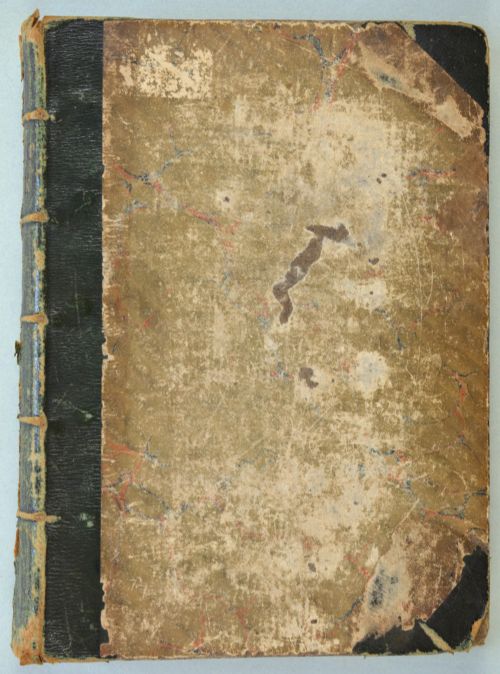
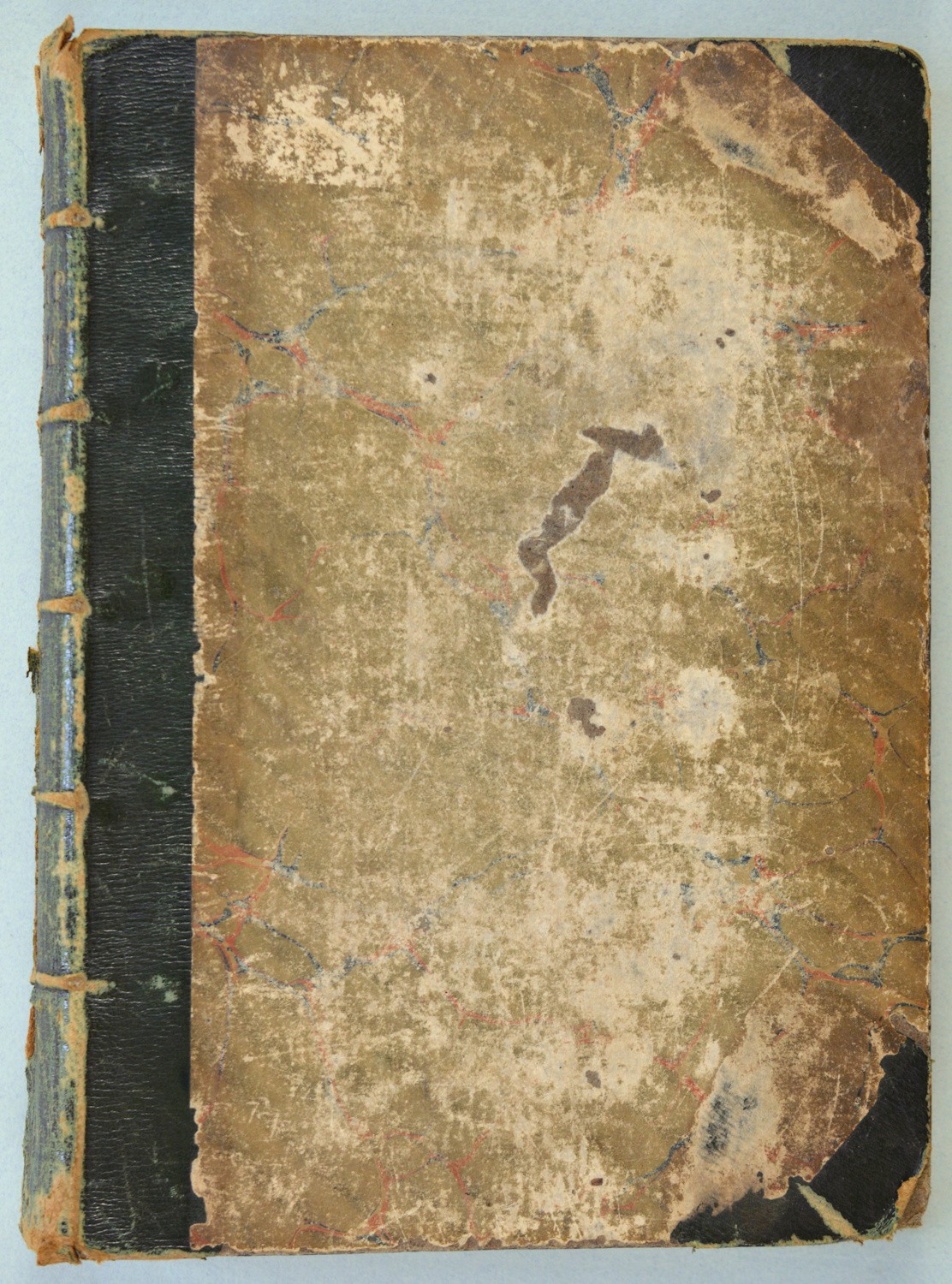
Album - Cover: 10 1/2 x 7 ¾ in.
Condition: Separated into three sections due to spine damage; general age-related wear.
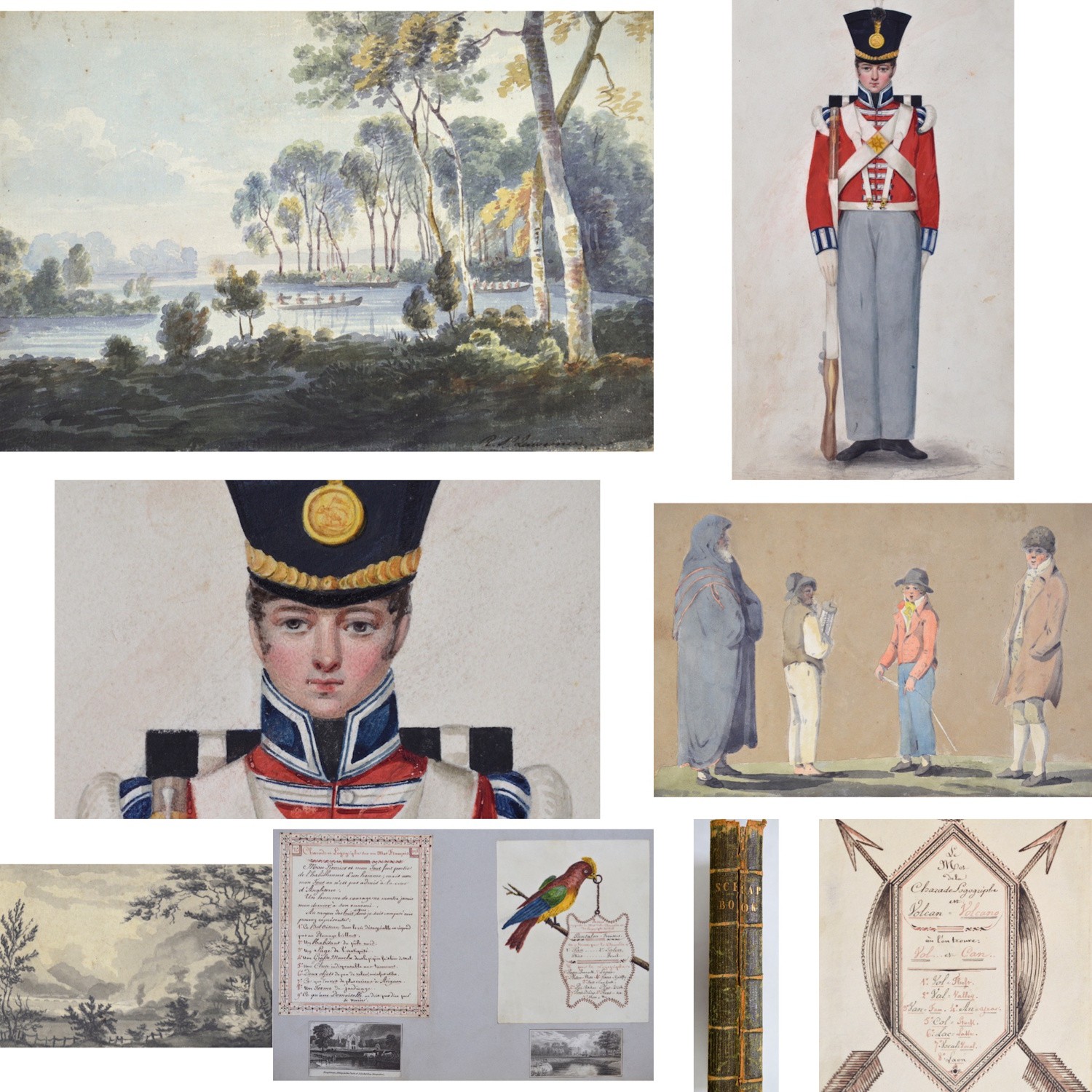
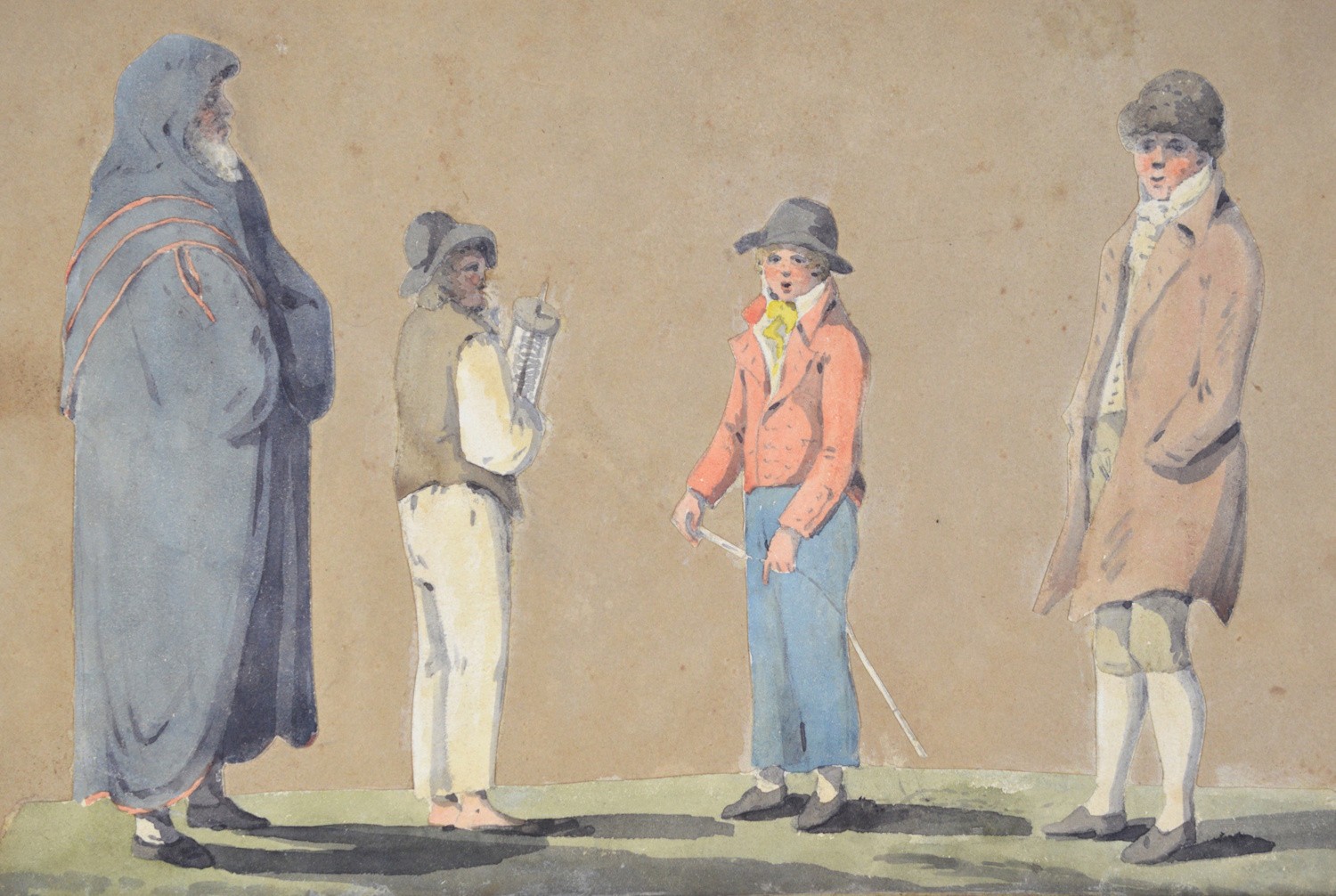
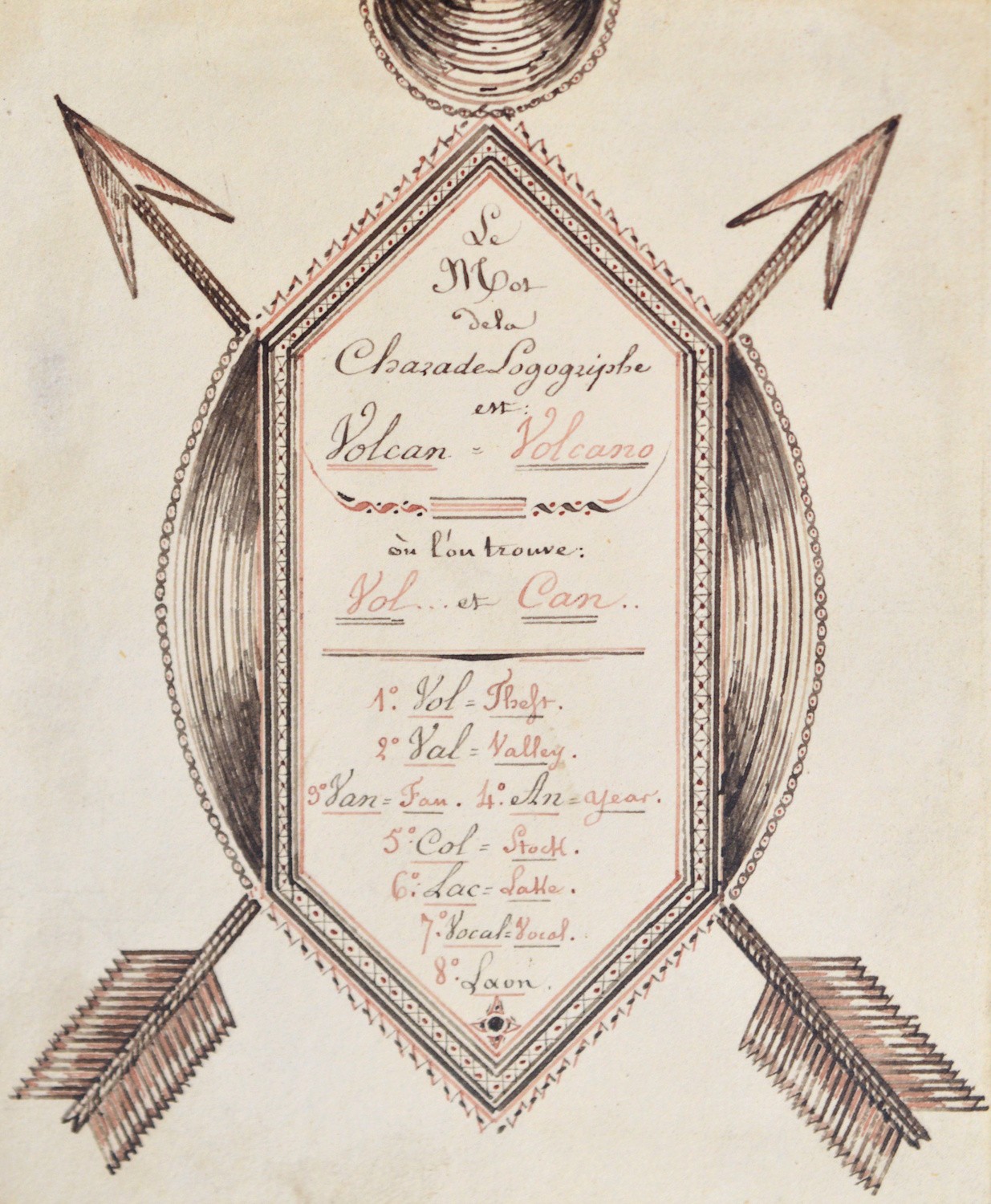
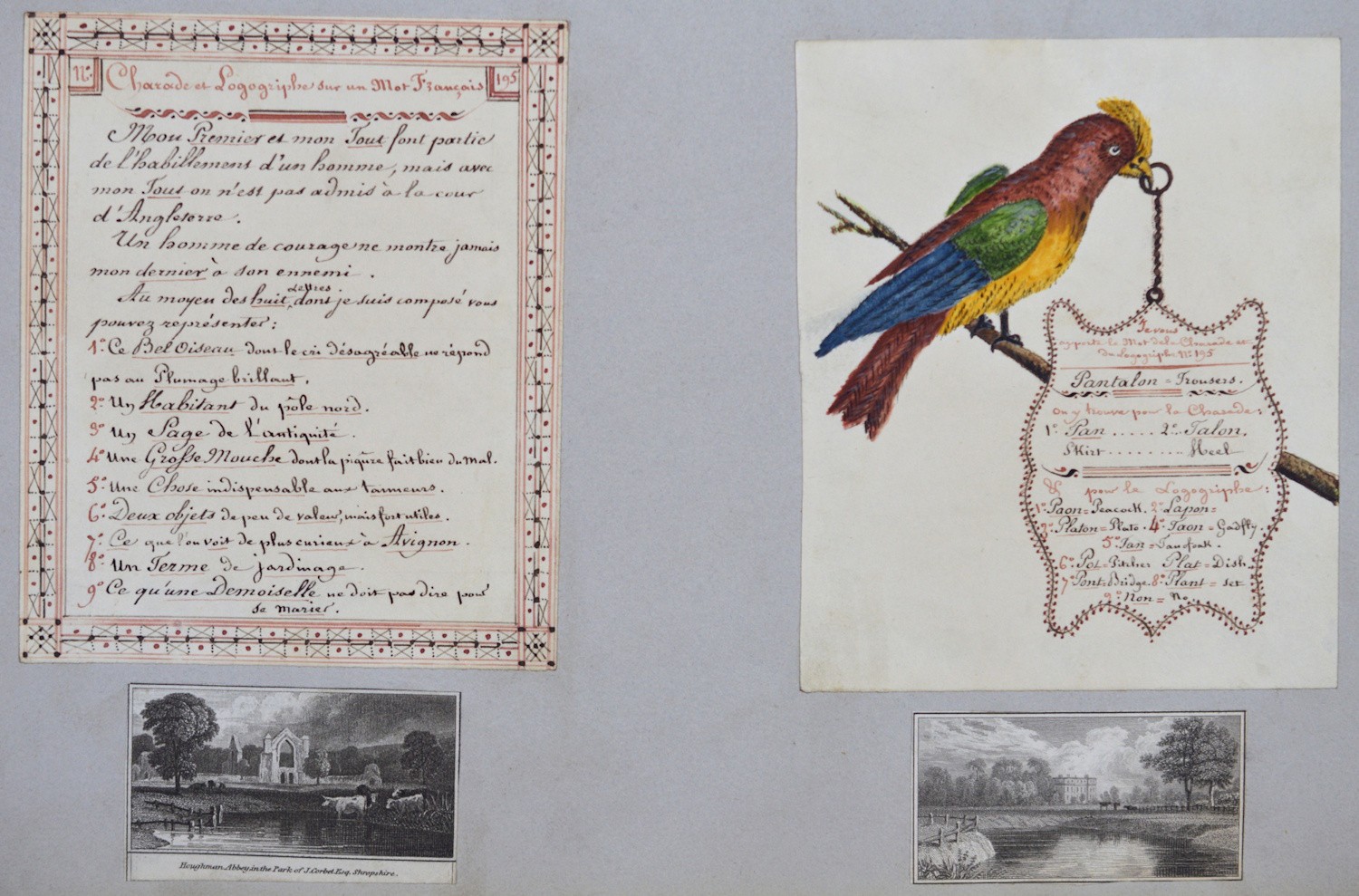
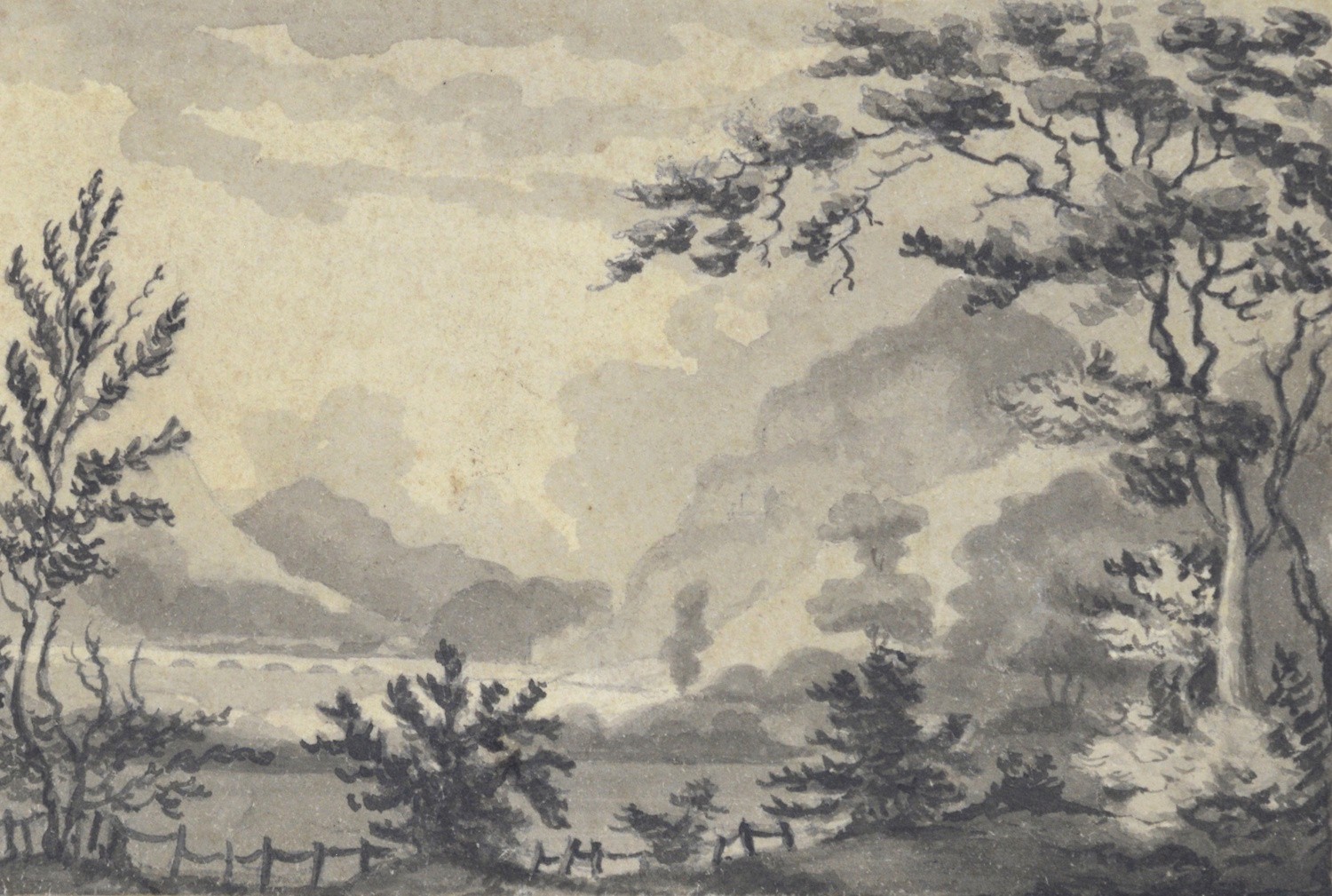
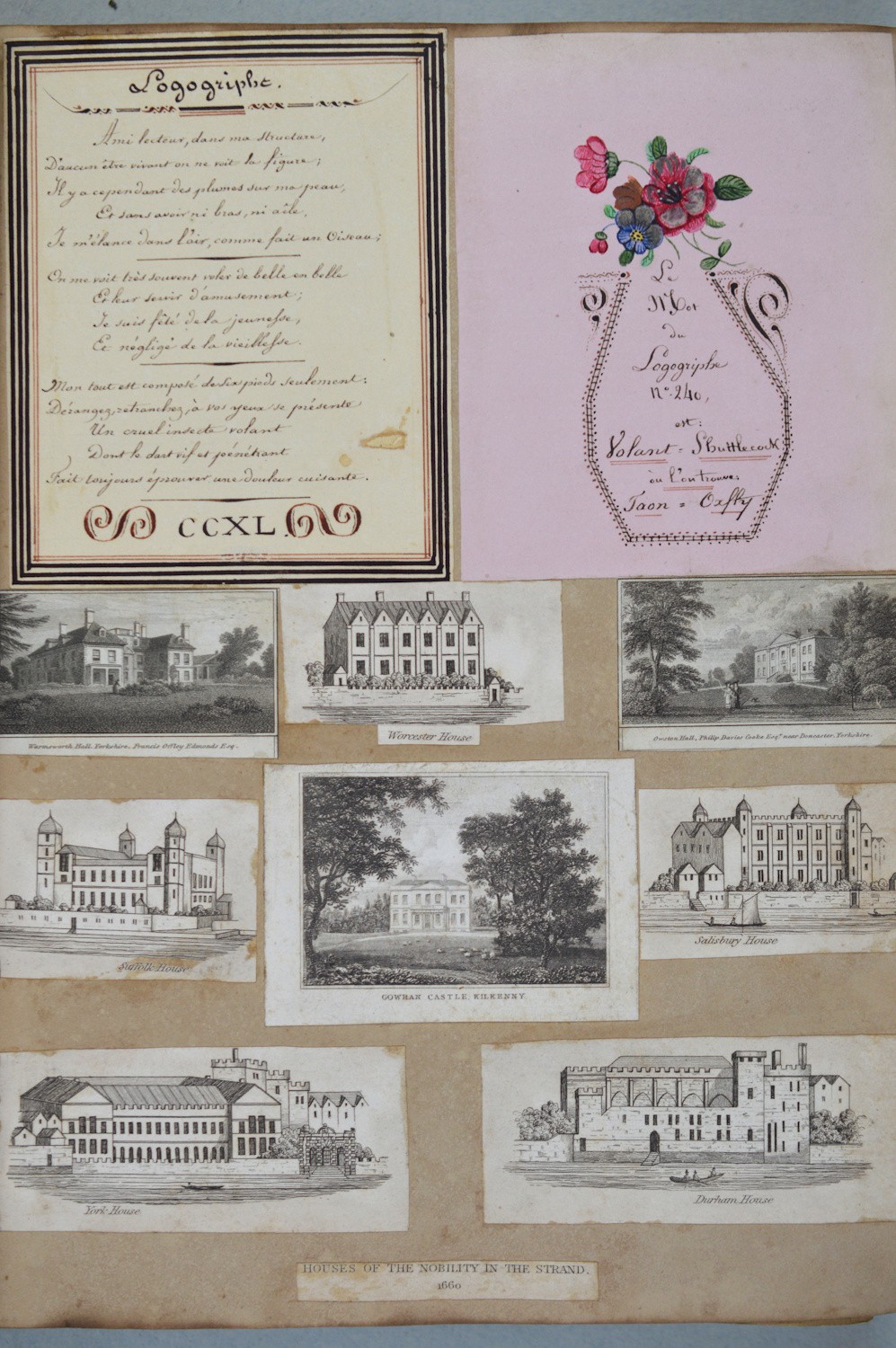
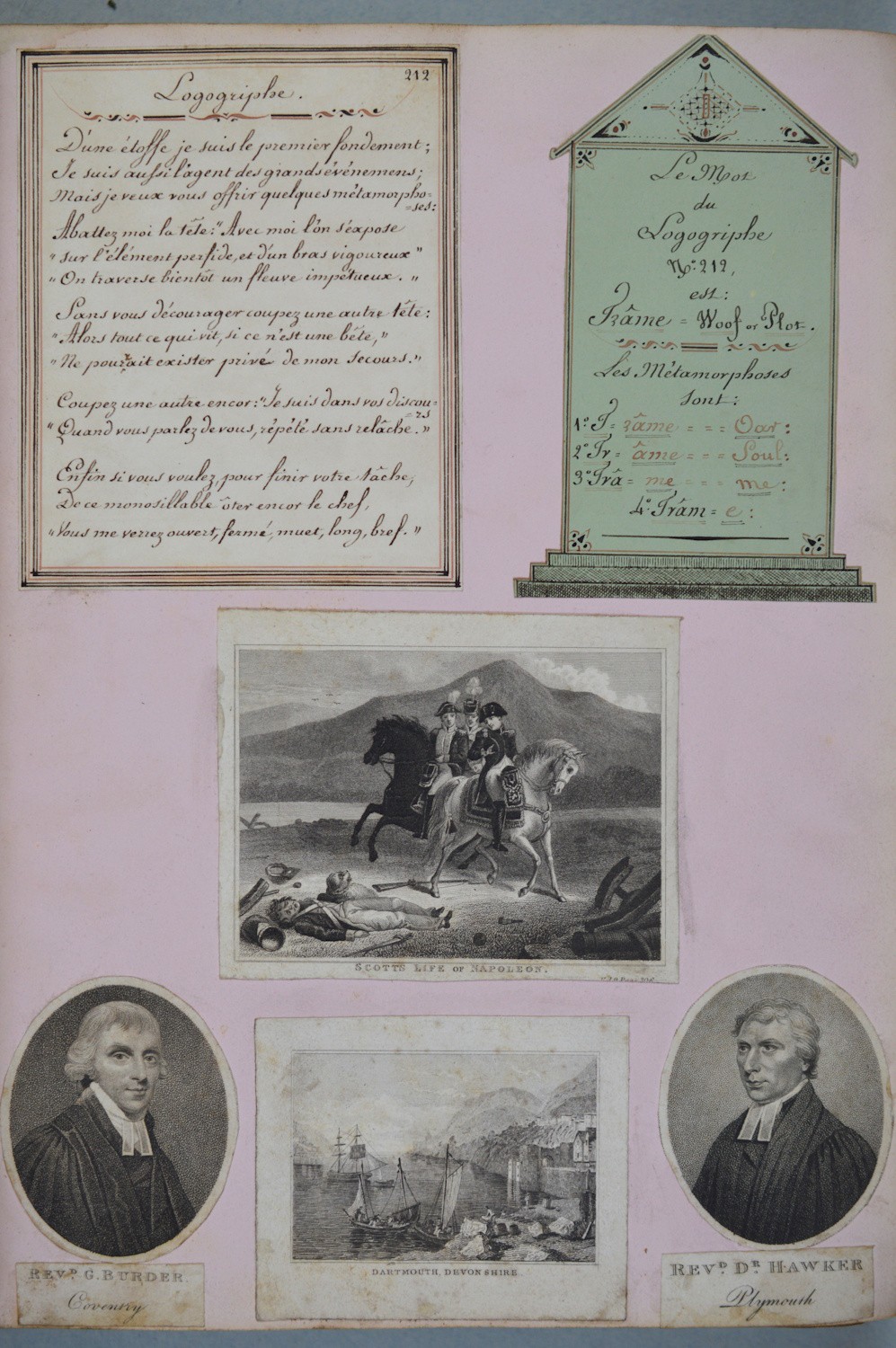
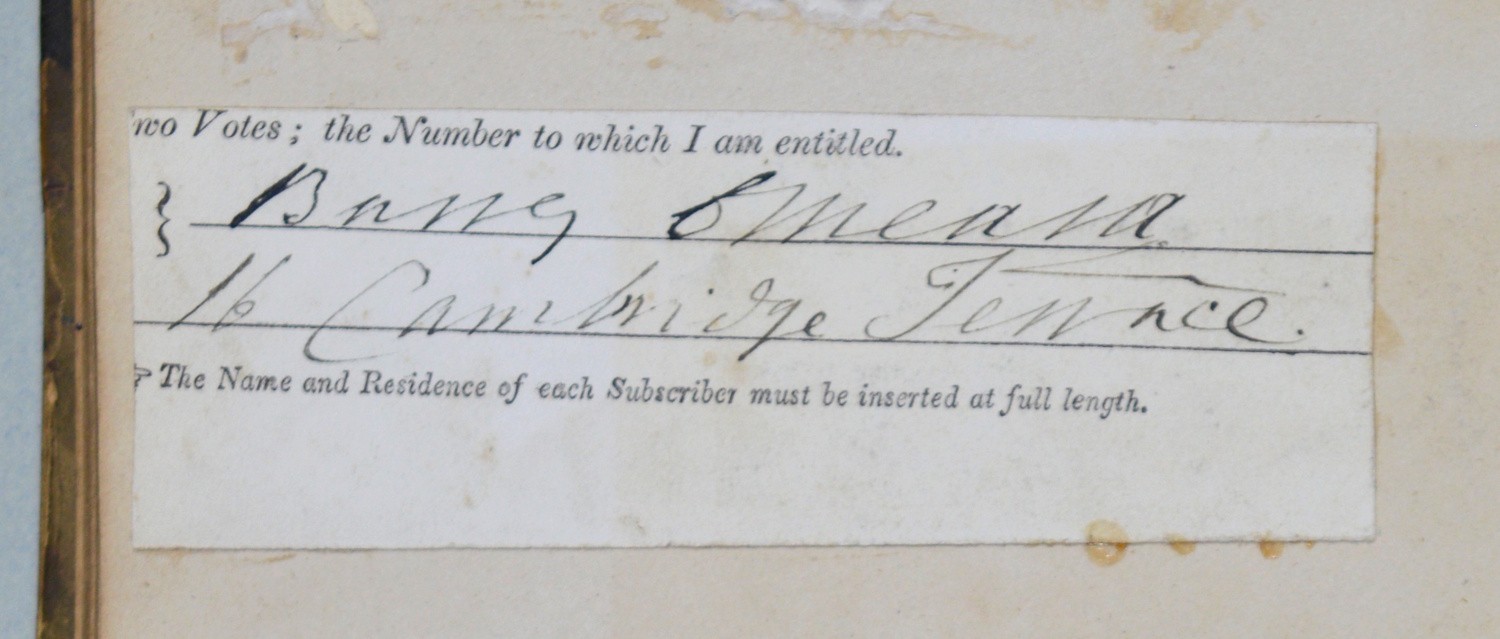
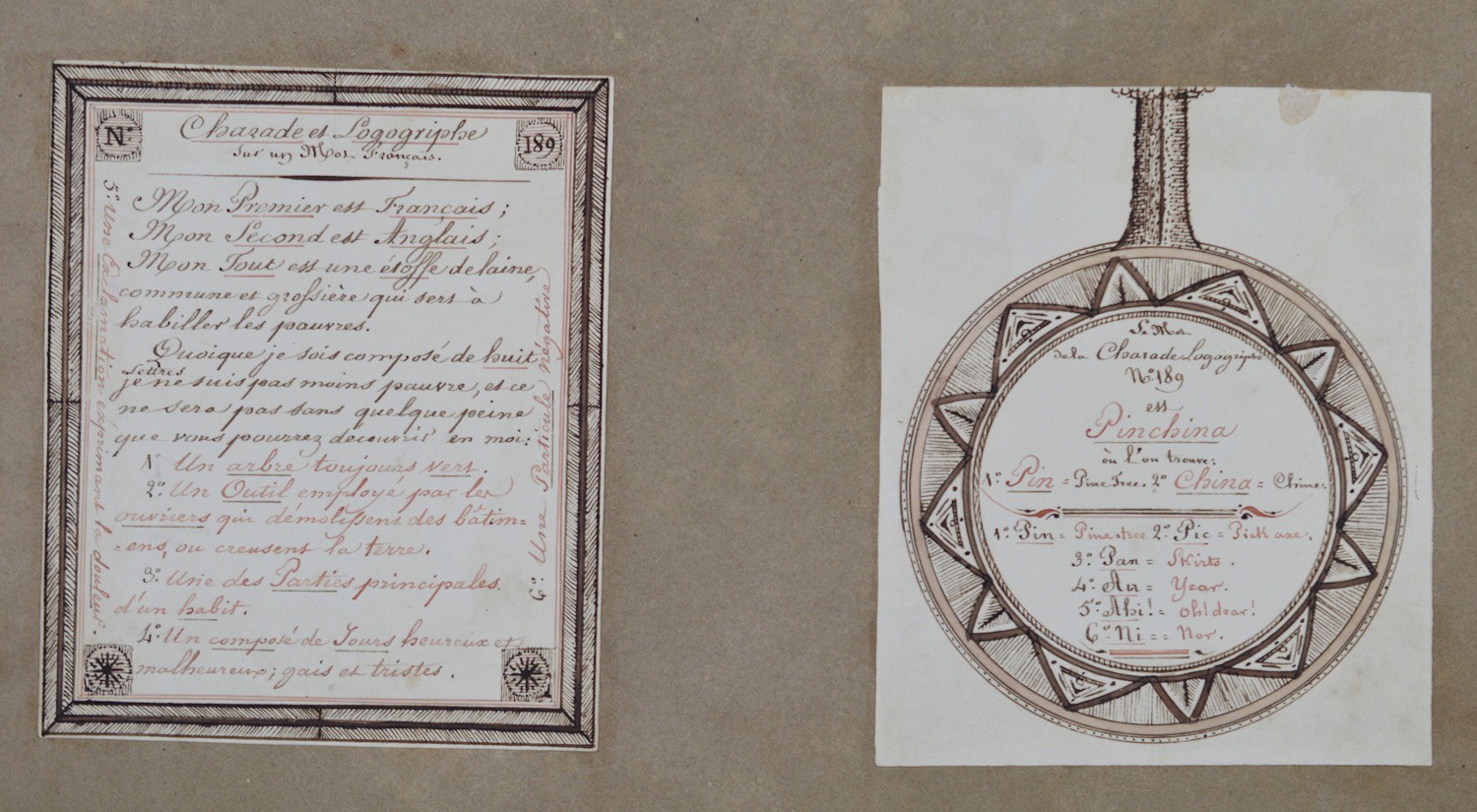
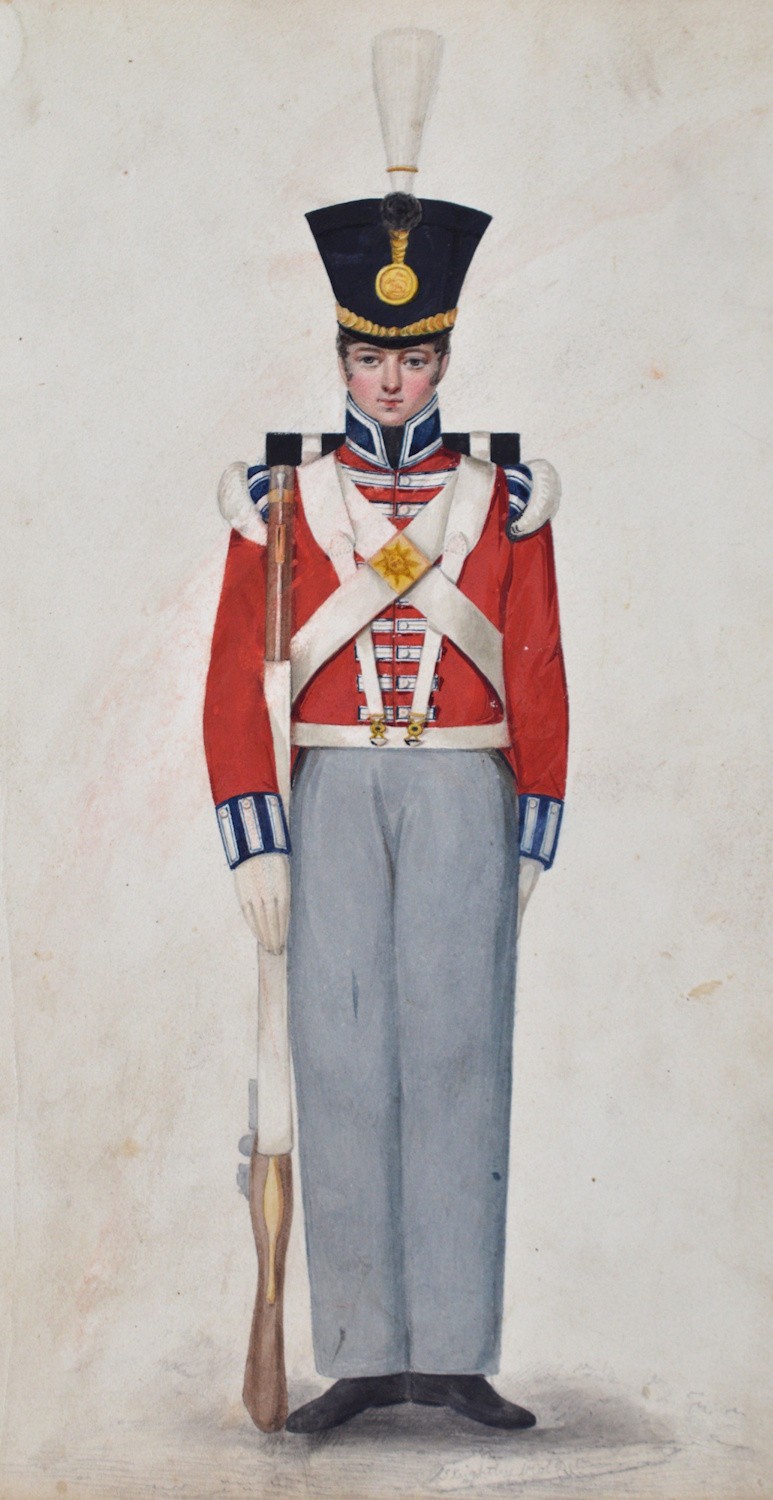
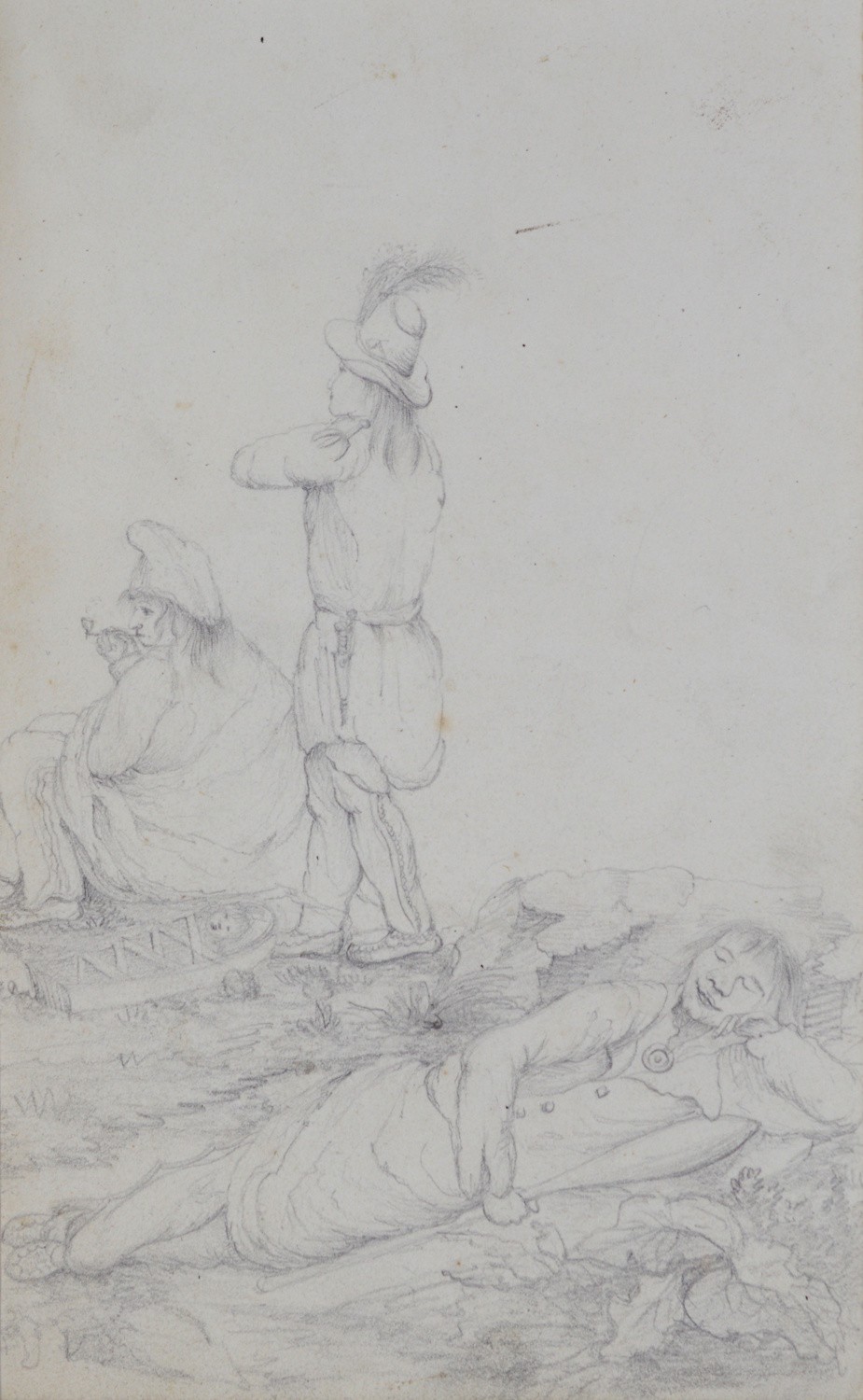
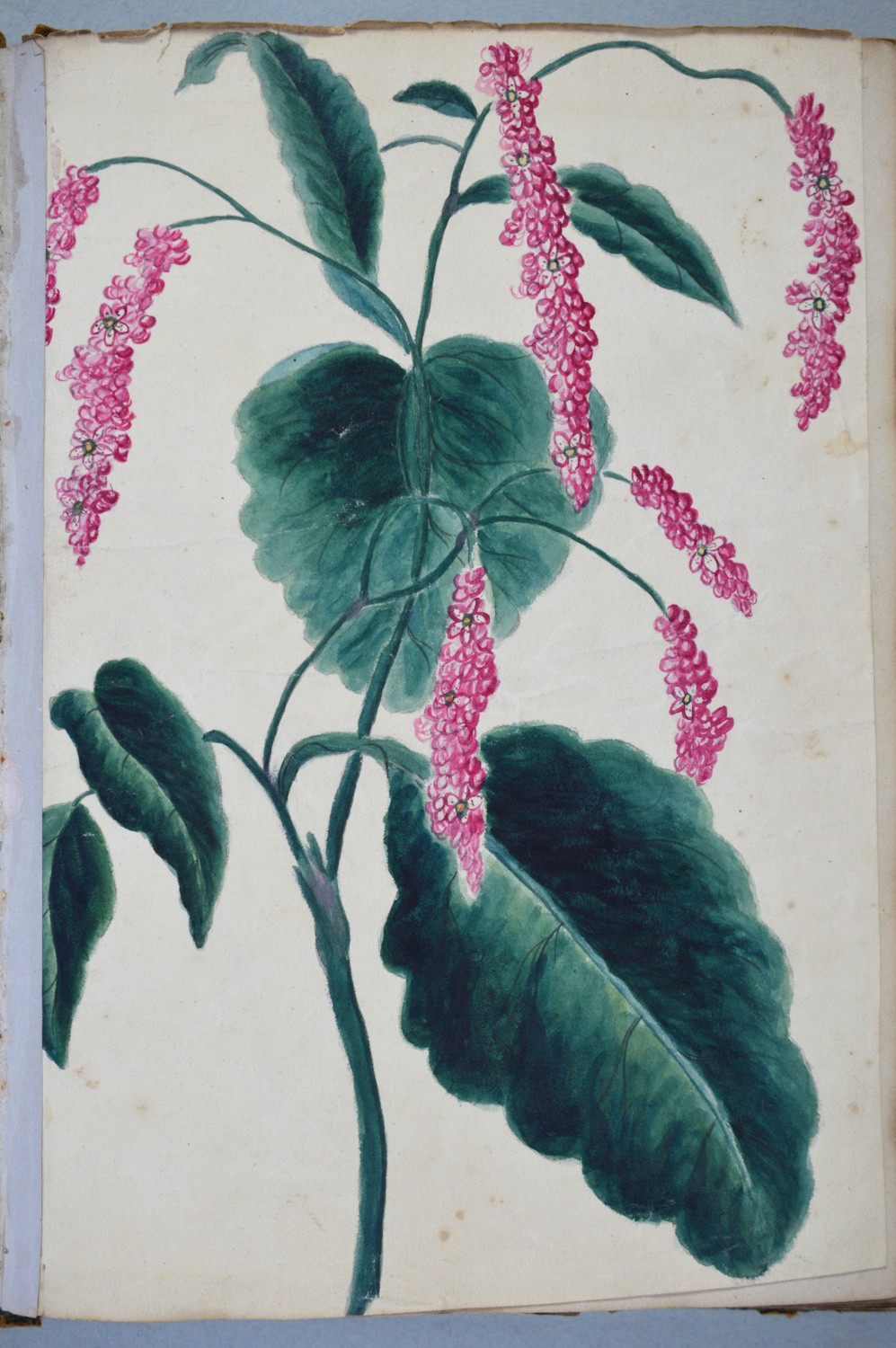
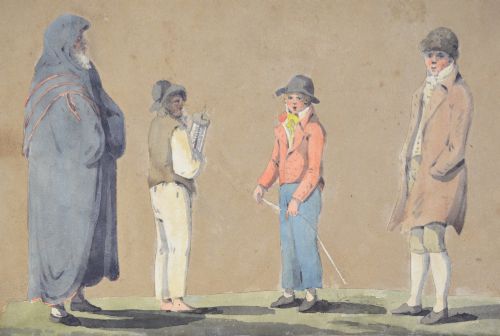
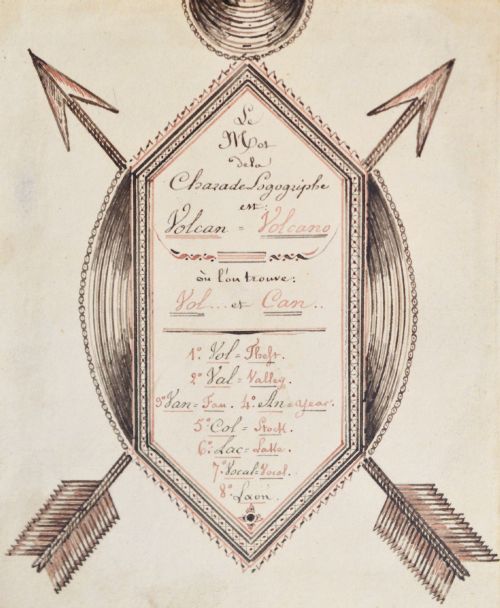
Contents: Many pages including study of four cut-paper figures applied to the first album page; watercolour attributed to George Heriot. Many finely decorated handwritten Logogriphes — French word puzzles. Prints, including Scott’s Life of Napoleon and many houses of the Nobility. A blank Page, watermarked GREEN 1819. Botanical watercolours, possibly after John Edwards’s "A Collection of Flowers", 1783–95. A Lake scene attributed to George Heriot: Monochrome wash with point of brush and framing lines. 7.4 x 11.1 cm. 7. Pen-and-ink Ten Commandments on yellow paper, with letters infilled by fine inscriptions. French-Canadian habitant figures, including one sleeping with a paddle; pencil on white wove paper. Verso: Fishmonger scene in pen and ink. Figures beside a fence and basket of produce. Pen and black ink on cut white wove paper, applied to the album page. Emblem incorporating French revolutionary symbols; pen and blue monochrome wash on white wove paper. Watercolour over pencil on laid paper, attributed to George Heriot. Inscribed R. St Lawrence lower right. 15.7 x 23.6 cm. 32. Printed label signed by Dr Barry Edward O’Meara (1783–1836), Napoleon’s physician on St Helena. The label gives his London address as 16 Cambridge Terrace. Young Soldier: Watercolour, pencil and bodycolour on white wove paper. Inscribed S or J Keightley Lt Col Delt. The uniform suggests a grenadier of the Queen’s Royal (West Surrey) Regiment, c.1812–16. Etc.
A hymn sheet was found between two of the album pages. It was printed for the opening of Christ Chapel, Mary-le-bone, and was intended to be sung on Sunday, 5th of October 1834.
Kerry Abel’s research indicates that the chapel was built in 1833/4. Its founders were Lt Col the Hon. James Stewart and Frederick Madan.
James Stewart (1783–1836) was an army officer with Canadian connections. Through his brother, Charles James Stewart (1775–1837), he also links indirectly to George Heriot: Charles James Stewart was the second Anglican Bishop of Quebec and travelled through Upper and Lower Canada as a missionary for the Society for the Propagation of the Gospel from 1807, exactly the same time in which Heriot was active there.
Radnorshire Fine Arts Ltd has dated this piece to the 19th Century.
We buy and sell paintings, watercolours, prints and drawings from the 17th to the 20th century
You can view the stock and full dealer information on the Radnorshire Fine Arts Ltd Profile Page
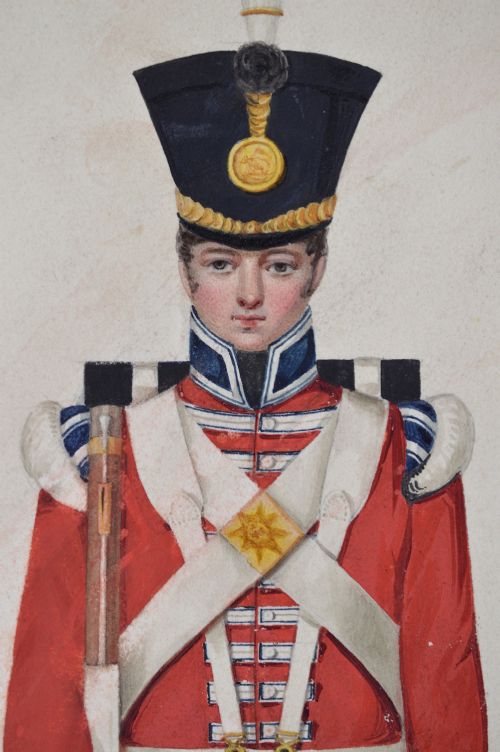
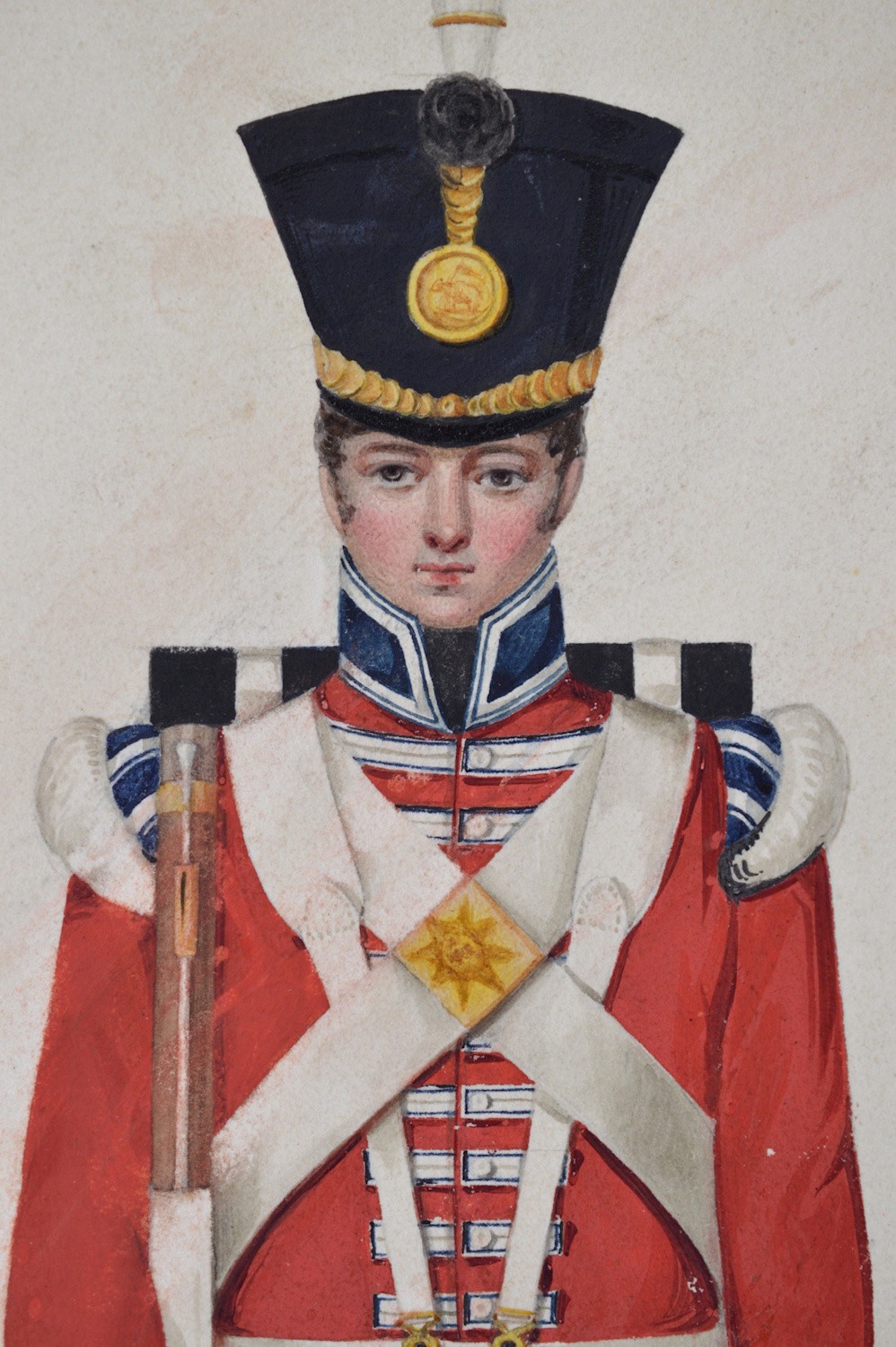
Important Canadian Watercolours Drawings and Prints (Scrap Album 19th Century)