






19th Century Terracotta Sculpture
These 19th century terracotta sculpture pieces bring tactile warmth and classical elegance to a room, ranging from grand busts to charming animal figures.
19th Century Terracotta Sculpture
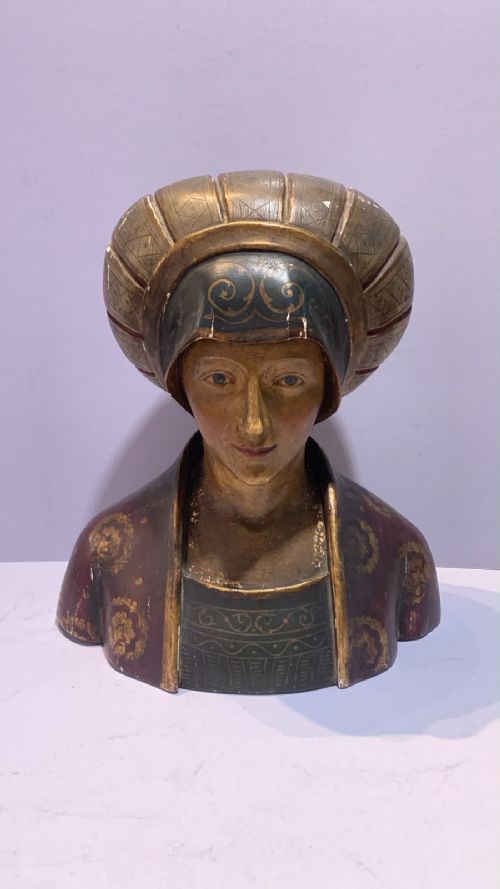
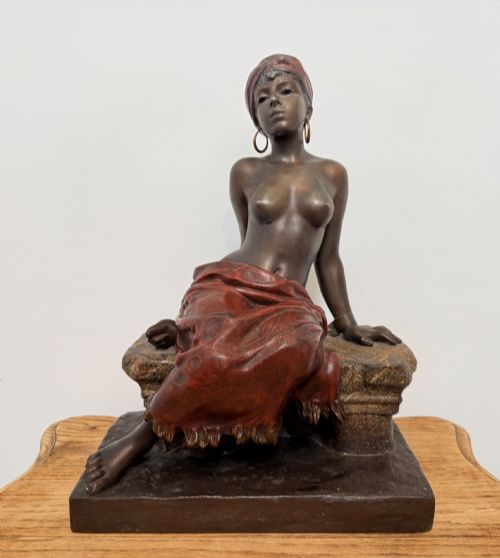
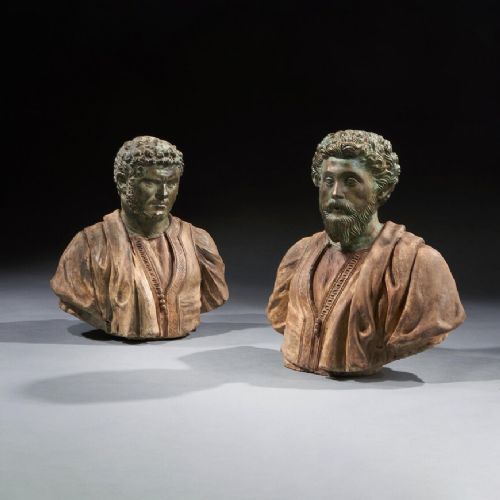
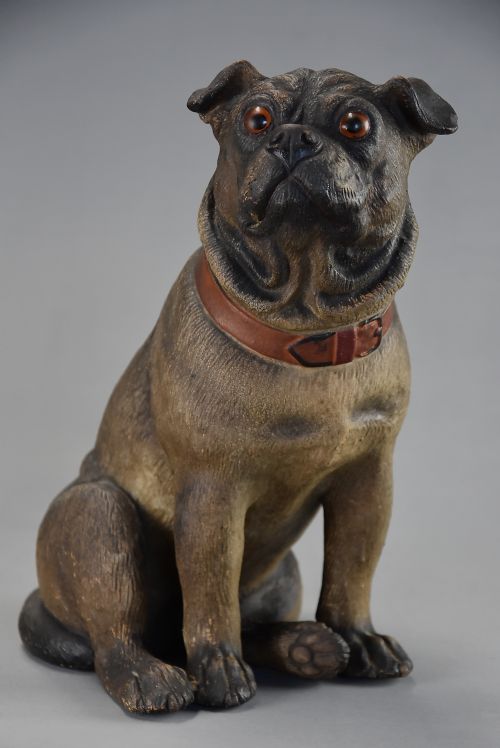
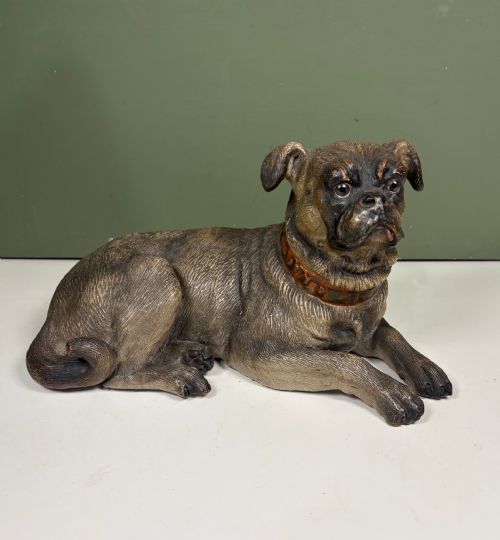
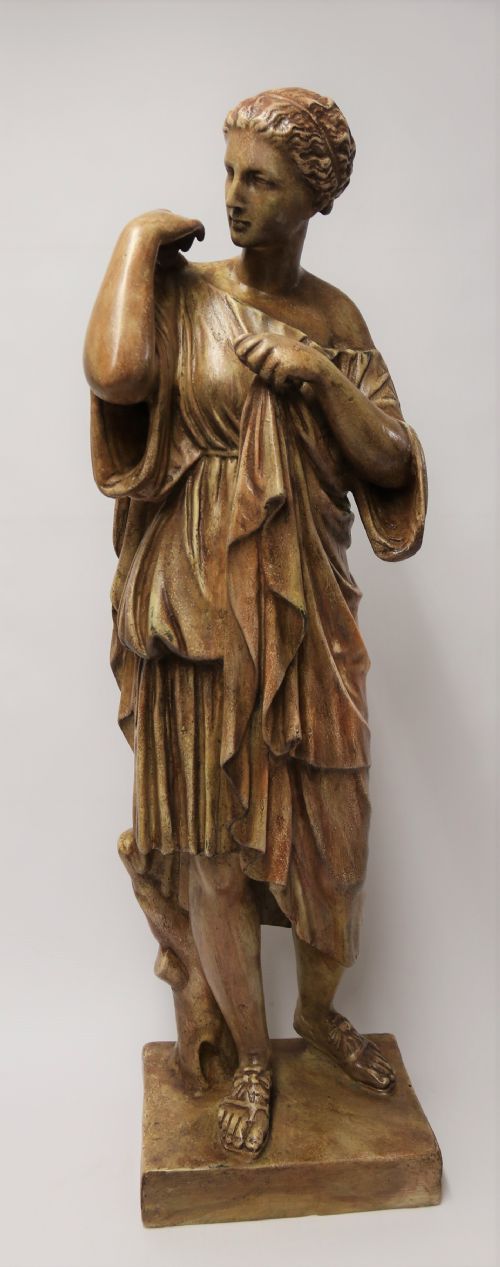
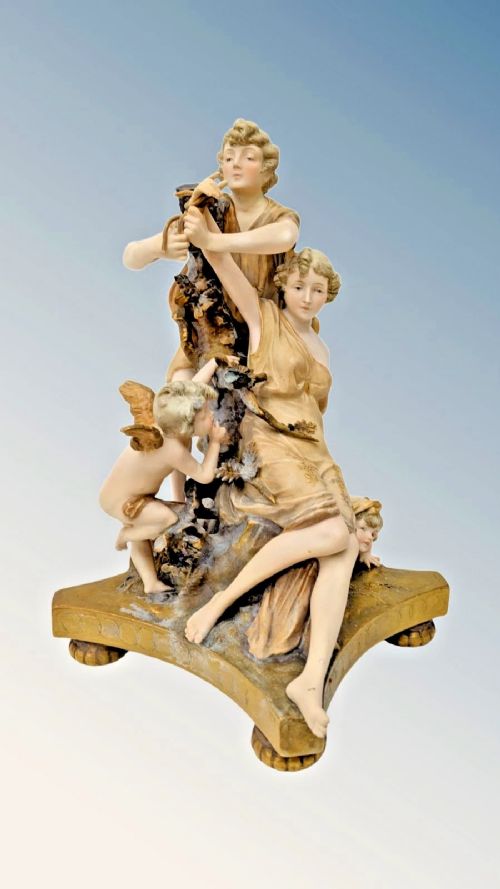
When you search for 19th century terracotta sculpture, you encounter a diverse array of figural works, portrait busts, and animal studies spanning the Victorian era and continental workshops. The selection on this page leans heavily toward continental European output, particularly Austrian, French, and Italian pieces reflecting academic traditions and Grand Tour tastes. Subjects range from mythological figures and historical rulers to domestic animals and exotic beasts.
The objects take many forms, including wall reliefs, life-size guardians, and decorative figurines produced by prominent European potteries. Neoclassical subjects and Renaissance revivals sit alongside Art Nouveau designs and folk art interpretations. Buyers often find distinct regional flavours, such as Austrian polychrome figures or Italian terracotta cockerels and lions.

Materials and methods
The pieces rely primarily on fired terracotta, a porous earthenware clay that takes fine detail from moulds or direct modelling. Many examples receive surface treatments such as applied paint, faux marble finishes, or glaze to enhance their visual depth and mimic more costly materials like bronze or stone.
Materials recorded across the inventory include terracotta, earthenware, paint, gold leaf, and ceramic.
What separates the grades of work
The application of paint or glaze also dictates the tier of the piece, with masterworks exhibiting subtle polychrome blending and realistic skin tones. Inferior items often show flat, uniform coloration and heavy-handed brushwork that obscures the underlying clay work.
E Villanis·Thomas Parr·Goldscheider·Ernst Wallace·Royal Dux·Ernst Whaliss·Pietro Calvi·Joseph Gott
The 19th Century Terracotta Sculpture Glossary
- Terracotta
- A porous, brownish-red fired earthenware clay used extensively for sculptural works. It hardens during kiln firing and accepts painted or glazed surface treatments.
- Neoclassical
- An artistic style drawing inspiration from the classical art and culture of ancient Greece and Rome. It manifests in clean lines, classical drapery, and heroic subjects.
- Grand Tour
- A traditional trip of Europe undertaken by upper-class Europeans for pleasure and education. It generated a steady demand for portable classical busts and souvenir sculptures.
- Art Nouveau
- An international style of art and architecture characterised by intricate linear designs and flowing organic shapes. It appears frequently in late period ceramic busts and wall reliefs.
19th Century Terracotta Sculpture: Frequently Asked Questions
How were these sculptures displayed originally?
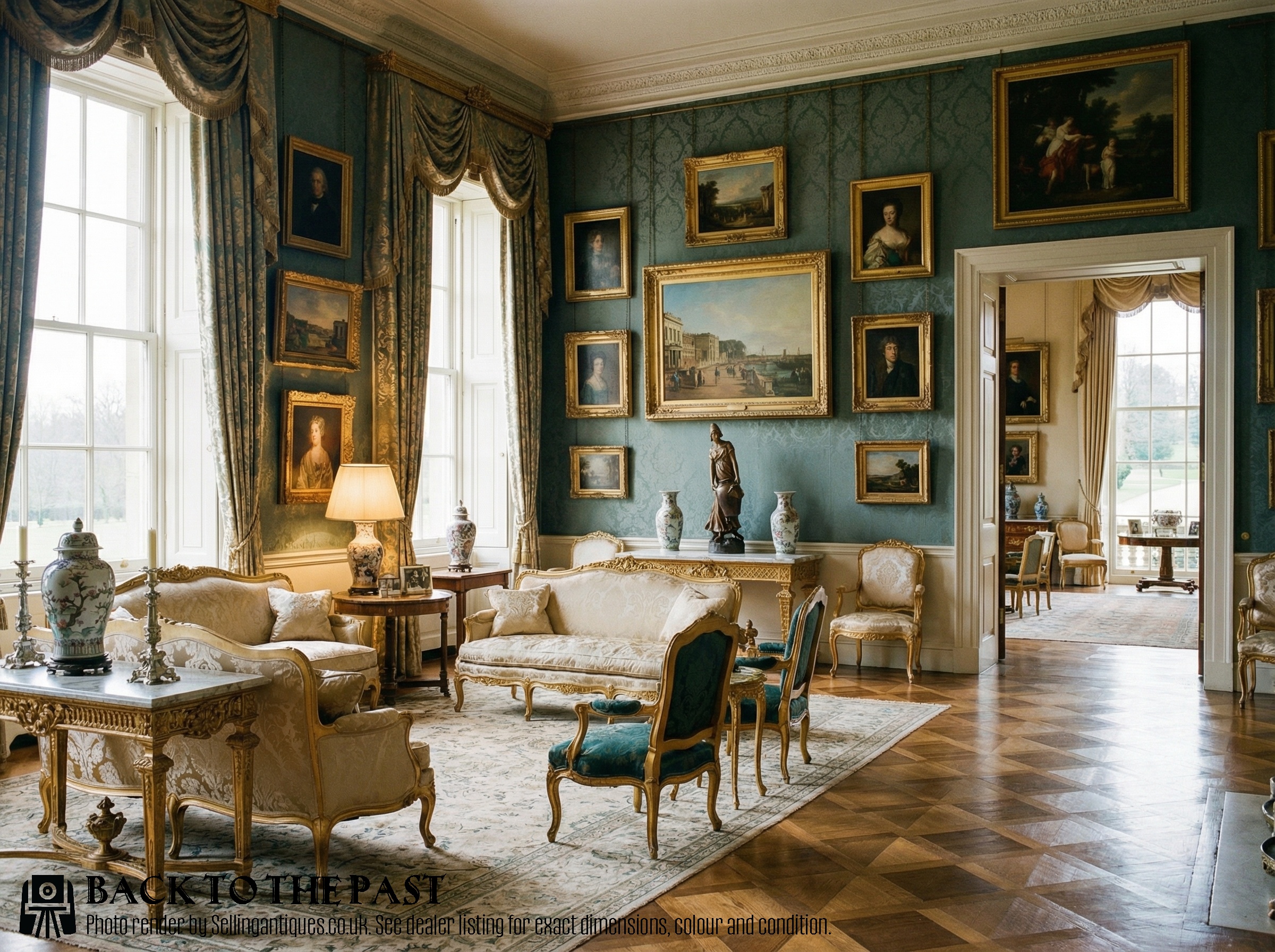
Homeowners in the period placed these figures on pedestals, mantelpieces, and library tables to signal cultural refinement and classical taste. Larger terracotta lions and dogs stood in hallways or garden rooms as decorative sentinels.
Interior settings often paired them with faux marble columns or pedestals to elevate their visual impact. Smaller figurines found homes in drawing rooms and cabinets of curiosity alongside other ceramic works.
Can these sculptures live outdoors?
Most of these decorative interior pieces, particularly painted or glazed continental figures, are unsuited for exterior exposure. Frost and dampness easily damage porous earthenware and ruin delicate painted surfaces.
Robust architectural elements like roof ornaments and heavy garden lions tolerate external conditions better if glazed or fired for weather resistance. Owners should verify the specific finish before exposing any piece to moisture.
How do I identify a period piece?
Examine the base and interior surfaces for maker marks, numbers, or impressed foundry stamps typical of European potteries. The ageing of the clay and the wear patterns on painted or glazed areas also offer clues to authenticity.
Stylistic markers, such as specific Art Nouveau lettering or Neoclassical proportions, help anchor the work to its decade of origin. Comparing the modelling quality to documented foundry catalogues confirms attribution.
What subjects are most common?
Human subjects span classical deities, historical emperors, and idealized female portraits reflecting the artistic revivals of the era. Orientalist figures and genre scenes of everyday workers also appear frequently in continental output.
Animal studies form another major category, featuring domestic dogs, exotic cats, and farmyard animals modelled with high realism. These varied themes allowed buyers to match sculptures to their specific collecting interests.