

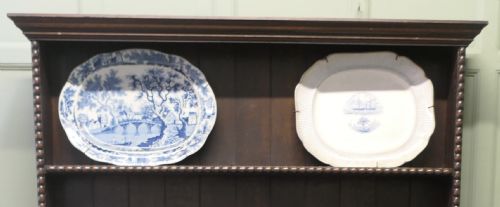


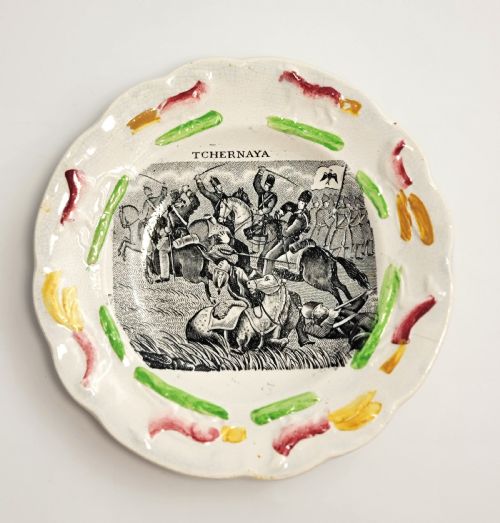


19th Century Staffordshire Plate
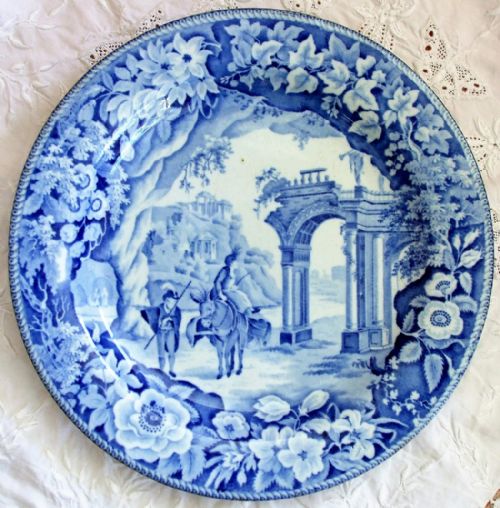
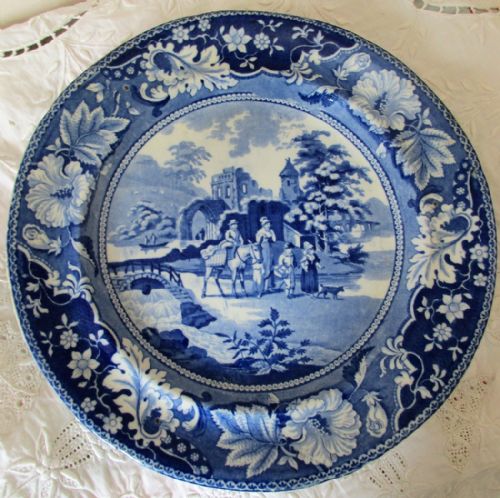
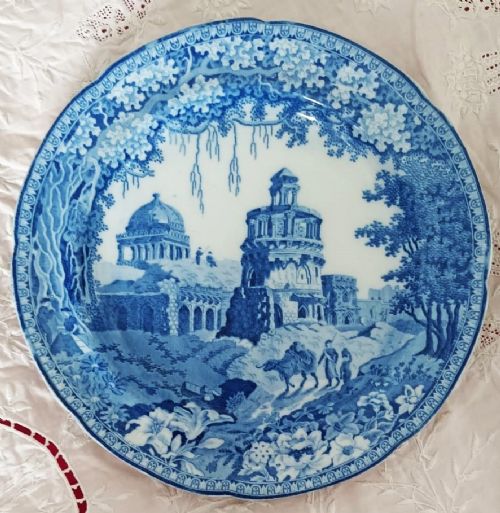
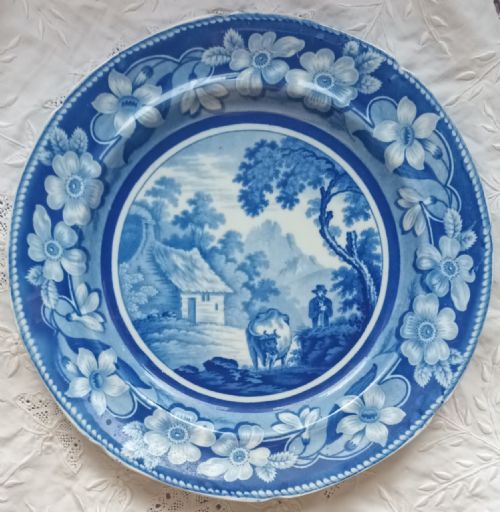
These 19th century staffordshire plate examples bring robust earthenware forms and transfer-printed scenes directly to the table or wall.
19th Century Staffordshire Plate
A 19th century staffordshire plate encompasses a range of ceramic tableware forms, from standard dining plates to large meat platters, chargers, and soup bowls. Buyers seeking these pieces encounter diverse aesthetic approaches spanning the Georgian and Victorian eras, including transfer-printed pictorial scenes and rich hand-painted palettes.
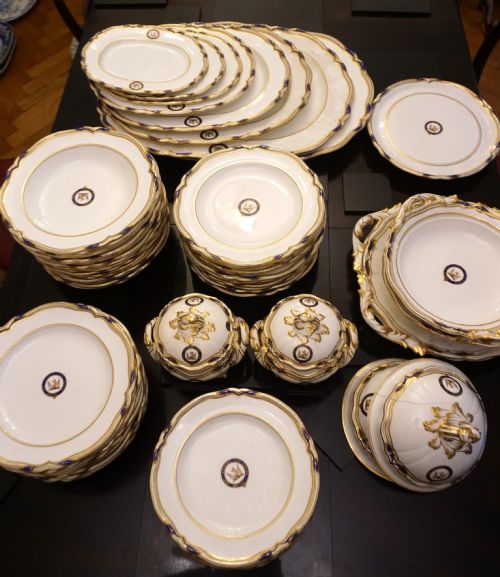
The selections appearing on this page highlight both utilitarian serving dishes and decorative wares produced across the nineteenth century. Common variants include heavy ironstone dishes with strainers and earthenware plates bearing named topographical, botanical, or narrative patterns.
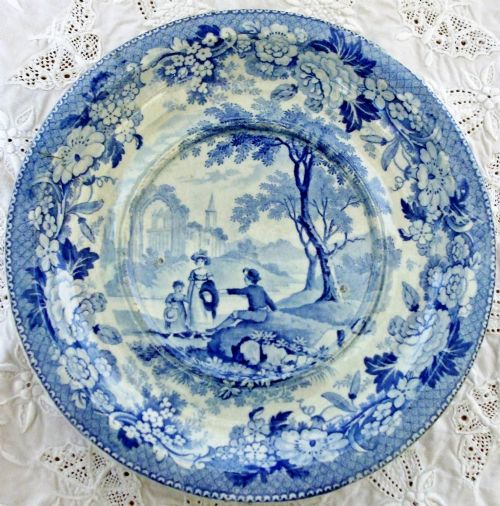
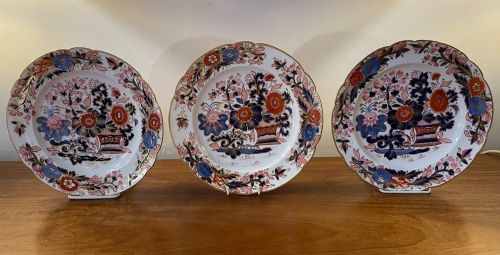
Originating primarily from English potteries during the 1800s, 1830s, and 1850s, these objects reflect shifting tastes from classical blue and white landscapes to polychrome Imari and Chinoiserie designs. Collectors often group matching sets of six or pairs to display historical patterns together.
Materials and Production Techniques
Potters of this era relied principally on earthenware, pearlware, and robust ironstone ceramic bodies shaped into plates and heavy serving platters. These clay bases received clear or tinted glazes that sealed the porous material and provided a smooth surface for subsequent decoration.
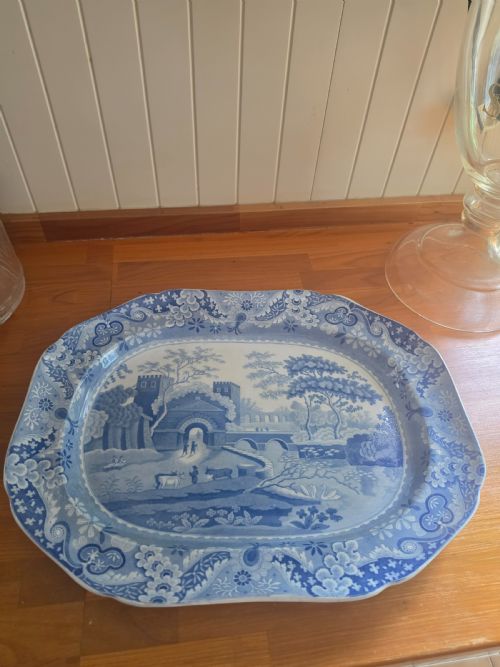
Decoration typically involved blue and white transfer printing, a technique using copperplate engravings to transfer complex pictorial designs onto the ceramic body before glazing and firing. Enamel colours and gold leaf accents were frequently added by hand over the glaze on finer polychrome pieces like Imari wares.
19th Century Staffordshire Plate Retail Price Guide 2026
Typical asking prices for 19th century staffordshire plate among the pieces listed under this phrase on Sellingantiques today, from the lower quarter to the upper quarter. They describe what is for sale here now, not the wider market.
Object forms range from standard dining plates and soup bowls to large meat platters, serving dishes, and chargers.
Assessing Quality in Nineteenth-Century Ceramics
Quality in a 19th century staffordshire plate rests on the crispness of the transfer print and the clarity of the underlying glaze. Finer examples display deep, uniform cobalt blues without smudging, while lesser pieces suffer from blurred lines and pooling in the glaze.
The weight and thickness of the ceramic body also signal grade, with dense ironstone dishes offering greater durability than standard earthenware. Additionally, hand-painted polychrome details and intact gold leaf additions elevate the standard of manufacture well beyond plain utilitarian ware.
Spode·John Ridgway·Brameld and Co·John Rogers and Son·John Davenport
The 19th Century Staffordshire Plate Glossary
- Ironstone
- A dense, durable type of heavy earthenware patented in the nineteenth century to withstand rigorous daily use. It forms a sturdy base for large meat platters and soup bowls.
- Transferware
- Pottery decorated by applying a printed paper design from an engraved copper plate onto the ceramic surface. This technique allowed intricate pictorial scenes to be produced in volume.
- Pearlware
- A refined earthenware body featuring a bluish-white glaze that created a paler, more porcelain-like appearance. It served as a popular predecessor to later Victorian ironstone.
- Imari palette
- A decorative colour scheme utilising cobalt blue, iron red, and gold leaf, inspired by Japanese porcelain imports. It appears on select nineteenth-century sets.
- Charger
- A large decorative plate or platter typically displayed on a wall or sideboard rather than used for serving food. These oversized pieces showcase expansive landscape and architectural patterns.
19th Century Staffordshire Plate: Frequently Asked Questions
How do I care for my 19th century staffordshire plate?
Wash these ceramic pieces gently by hand using warm water and mild soap, avoiding modern dishwashers that can damage aged glazes and delicate gold leaf.
Store them securely on plate racks or with felt separators between stacked items to protect the earthenware edges from chipping.
Were these plates used for dining or display?
Many items, such as meat plates and soup bowls, served functional roles at nineteenth-century dining tables for hearty meals and large joints of meat.
Larger chargers and serving platters were equally suited for grand sideboard presentation, while later decorative plates often hung on walls.
How can I tell the difference between Georgian and Victorian pieces?
Georgian examples often feature deep blue and white transfer landscapes or botanical studies produced around the 1830s, displaying classical proportions and distinct pearlware glazes.
Victorian pieces frequently embrace busier patterns like Chinoiserie, Imari palettes, or heavier ironstone bodies reflecting mid-century industrial expansion.
What is an ironstone dish used for?
Heavy ironstone dishes and matching strainers were engineered to handle heavy meat joints in nineteenth-century kitchens, allowing juices to drain effectively.
Their robust ceramic composition made them practical for daily service before transitioning into collectable display pieces.