


19th Century Silver Salts
These 19th century silver salts bring miniature metalwork and glass to the table, offering a glimpse into the dining habits of the past.
19th Century Silver Salts
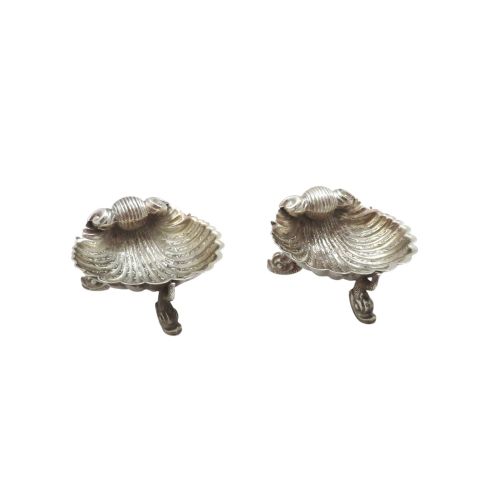
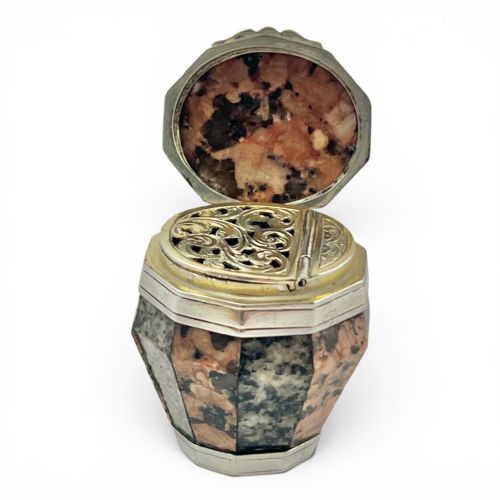
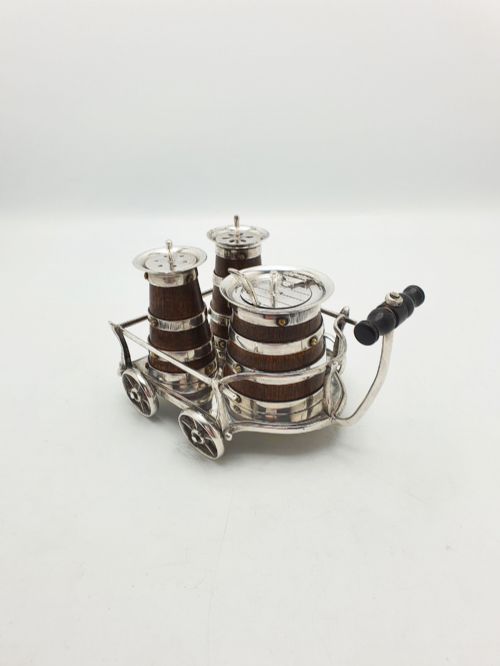
These pieces are small open vessels and enclosed cellars designed to hold salt at the dining table, encompassing forms like shell salts, figural wheelbarrows, and cruet sets. When searching for 19th century silver salts, buyers encounter items produced during the Victorian period alongside Georgian and later nineteenth-century examples. The selection includes sterling silver, silver plate, and combinations featuring cut glass or coloured glass liners.
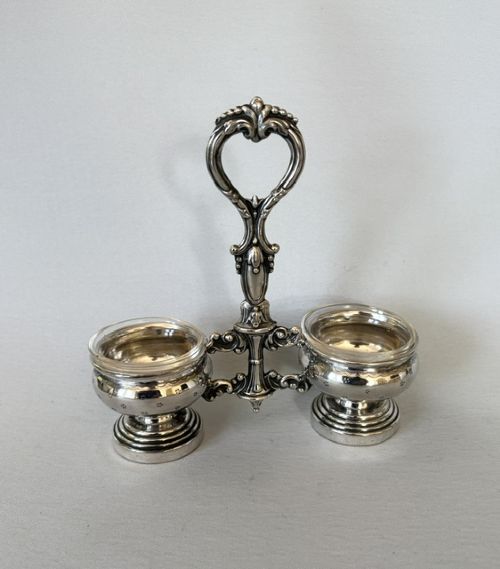
Makers and workshops across England, France, and Russia shaped these small wares into novelties, architectural revival styles, and classical French rococo forms. Alongside standard open cellars, the category stretches to include condiment stands, pepper pots, and complete sets accompanied by spoons. The surviving evidence shows these items functioned both as practical table accessories and as decorative novelties for wealthy households.
How they were made
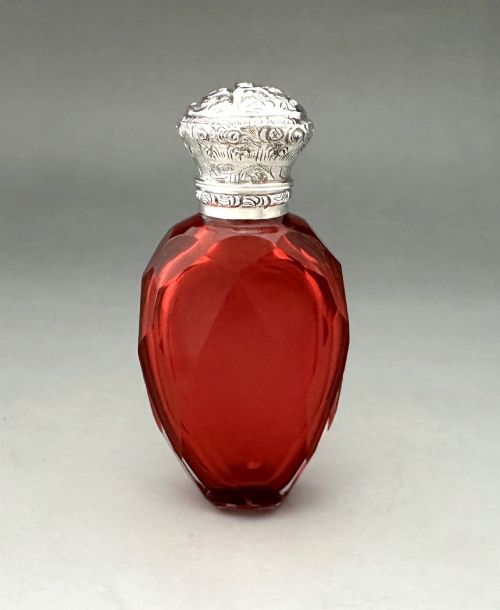
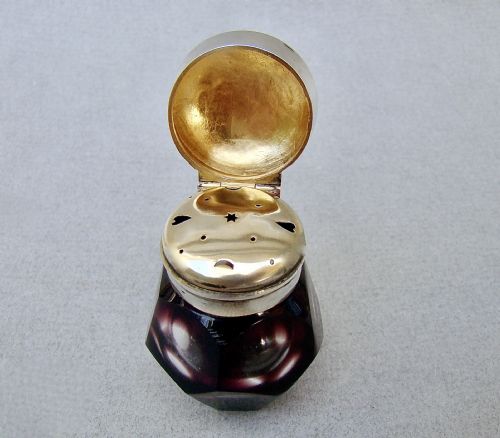
Silversmiths utilised casting, hammering, and repoussé techniques to shape sterling silver and silver plate into intricate forms like shells, animals, and garden wheelbarrows. Many examples incorporate cut glass, ruby glass, or blue opaline glass liners that contrast with the metal framework. Enamel cloisonné and silver gilt additions appear on specific Russian and European items, adding colour and texture to the small surfaces.
Makers applied chasing and engraving to the exterior walls of salts and condiment stands, creating detailed patterns and armorial details. The combination of glassblowing for the inner vessels and precision metalwork for the frames required specialist skill in miniature construction.
What varies in quality
The distinction between ordinary and exceptional pieces lies in the crispness of the cast detail and the originality of the components. Hand-chased motifs and well-defined figural elements show a higher level of craftsmanship than mass-produced stamped alternatives. Complete sets with matching spoons and undamaged glass liners command greater interest than assembled or modified groups.
Material quality reveals itself in the thickness of the silver gauge and the weight of the cut glass vessels. Maker marks and clear hallmarks contribute to the standing of an item, distinguishing documented workshops from anonymous production.
Edward Smith·Paul Storr·S. Morden and co·Martin Hall·Michael Alexandrovich Romanov
The 19th Century Silver Salts Glossary
- Salt Cellar
- A small open bowl or dish placed on the dining table to hold loose salt. They often sit on three small feet or rest directly on the surface.
- Silver Gilt
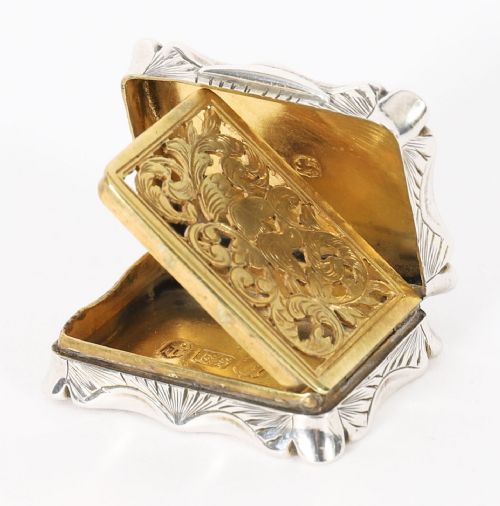
- Silver that has been coated with a thin layer of gold on its surface. This technique protected the interior of salt cellars from the corrosive nature of salt.
- Sterling Silver
- An alloy of silver containing 92.5 percent pure silver and 7.5 percent other metals, usually copper. It provides the standard metal purity found in British table silver.
- Cut Glass
- Glass shaped and patterned by abrasive wheels, creating faceted surfaces that reflect light. It frequently forms the body of salt cellars and scent bottles.
- Condiment Cruet
- A stand holding multiple bottles, jars, or open cellars for various table seasonings such as salt, pepper, mustard, and vinegar.
19th Century Silver Salts: Frequently Asked Questions
What were 19th century silver salts used for?
These pieces held table salt before free-flowing salt shakers became common in households. Diners used small spoons or their fingers to take salt from the open vessel onto their plates.
Wealthy hosts used sets of matching salts to display status and coordinate their dining tables during formal meals.
How do I clean silver salt cellars?
Silver components require gentle cleaning with a specialised silver cloth to remove tarnish without harming the metal surface. Harsh dips can strip away original patination and damage delicate gilt interiors.
Glass liners should be removed and washed separately in warm soapy water, ensuring they dry completely before being placed back into the silver frames.
Are glass liners original to the salts?
Many surviving salt cellars retain their original blown or cut glass liners, which protected the silver from corrosion caused by salt. Replacements are common because the glass inserts were fragile and prone to breakage over decades of use.
Close inspection of the fit and the glass tint helps determine whether the liner matches the production period of the silver holder.
How do I tell Victorian salts from Georgian ones?
Georgian examples often display restrained classical lines, heavy gauge silver, and understated maker marks associated with silversmiths like Paul Storr. Victorian pieces frequently embrace elaborate revival styles, novelty animal shapes, and colourful glass inserts.
Assay office marks and date letters stamped on the metal provide the definitive year of manufacture for British items.