




19th Century Pot Stand
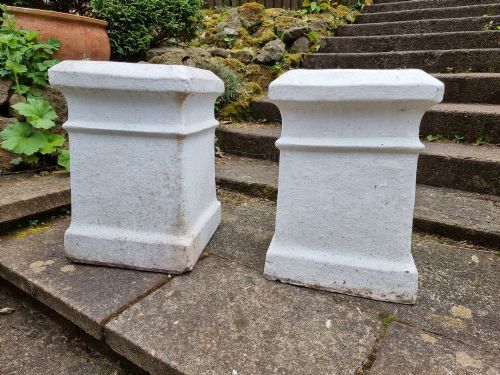
These pieces are a 19th century pot stand, offering a sturdy platform to elevate plants, lamps, and vessels while bringing period character into a room.
19th Century Pot Stand
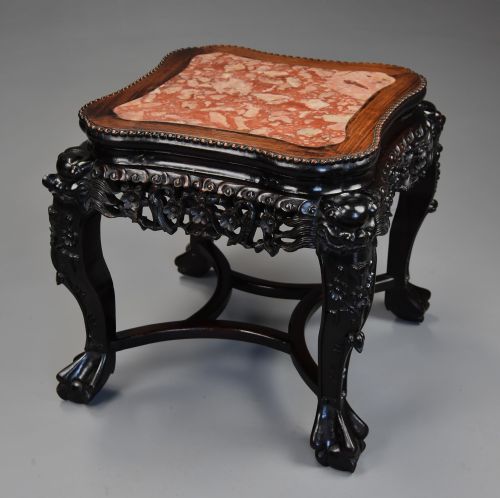
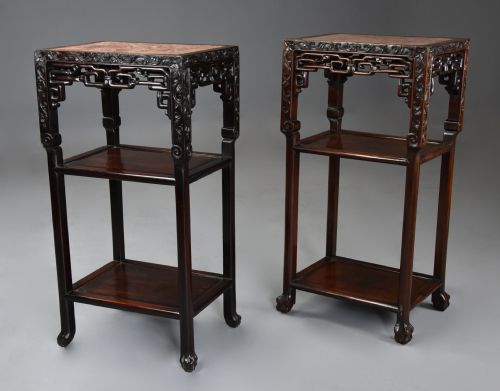
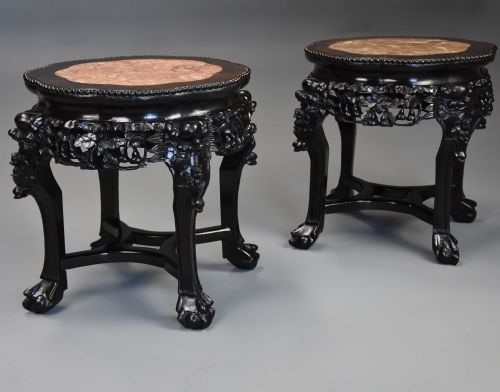
A 19th century pot stand encompasses various wooden, marble, and iron supports designed to elevate plants, porcelain, and household items. The most commonly encountered examples on this page are Chinese carved hardwood stands, frequently featuring shaped marble inset tops.
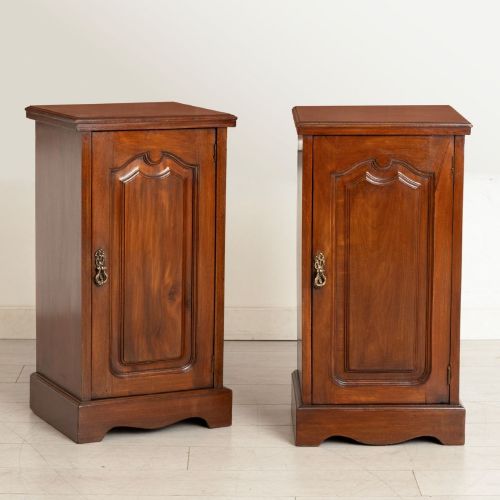
Beyond Eastern imports, the selection includes European bedside cabinets, night stands, and specialised iron or copper kitchen pot stands from the same era. These items span periods from the Regency and Georgian years through to the Victorian era and the late nineteenth century.
Forms range from low rectangular tables and circular jardiniere holders to tall pedestals and small cupboards. Buyers often use them as bedside tables or distinct display furniture in living spaces.
Materials and construction
Hardwoods such as mahogany, walnut, oak, and Asian varieties form the primary structural material for most stands, often shaped with intricate carvings. Marble inserts provide durable, decorative surfaces on many circular and rectangular Chinese and European examples.
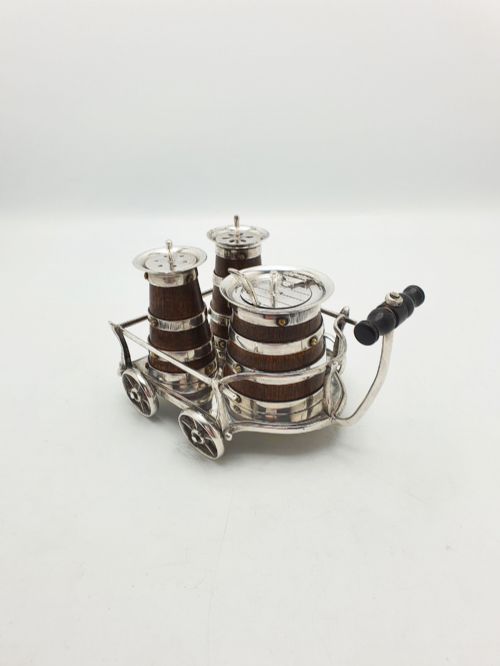
Metal components appear frequently, utilising brass fittings, silver plate, cast iron, and copper. Paint, faux marble finishes, and polished surfaces complete the construction methods recorded across the inventory.
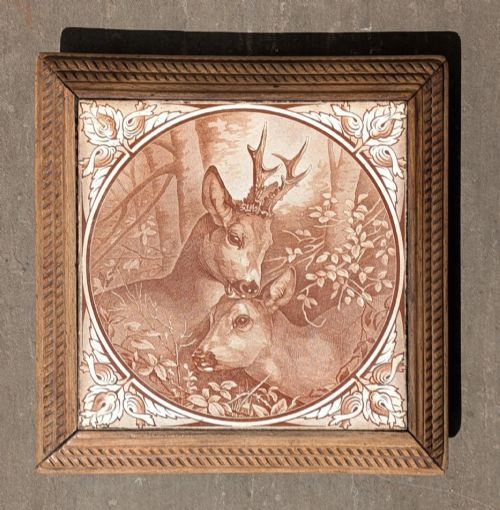
Black Forest bears and iron farmhouse kitchen trivets ensure a mischievous touch lurks among the stately mahogany.
Distinctions in quality
The standard of carving and the selection of timber dictate the distinction between ordinary utility items and finer decorative pieces. Crisp detailing in hardwood or well-fitted marble inset tops separates superior examples from simpler iron or painted pine versions.
Originality of surfaces, matching pairs, and refined proportions further elevate certain pieces, whereas heavily altered or mismatched items sit lower down the range.
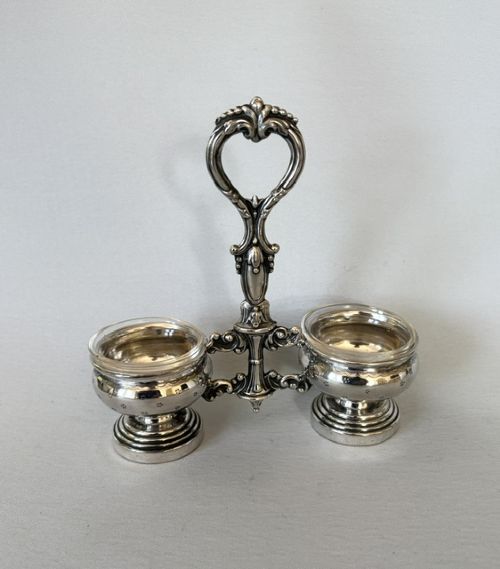
Mappin Brothers·Paul Storr
The 19th Century Pot Stand Glossary
- Jardiniere
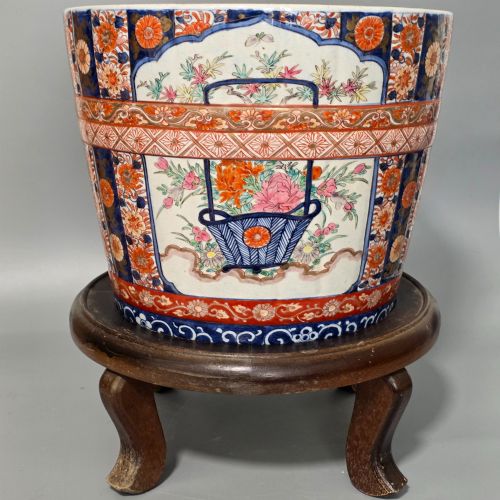
- A large ornamental pot or stand for holding plants or flowers. They are frequently raised on carved wooden pedestals or ceramic bases.
- Marble inset
- A slab of polished stone fitted flush into the wooden top of a table or stand. This surface protects the wood from moisture.
- Pedestal
- A tall, freestanding support column used to elevate urns, sculptures, or plants. They appear in wood, marble, and iron.
- Tambour
- A sliding door or shutter made of narrow vertical strips of wood glued to a canvas backing. It allows access to enclosed cabinet spaces on bedside furniture.
- Regency
- An English design period spanning the early decades of the nineteenth century. Characteristics include classical neoclassical motifs and elegant proportions.
19th Century Pot Stand: Frequently Asked Questions
What were 19th century pot stands used for originally?
These stands originally served to elevate heavy ceramic pots, plants, and jardiniere vessels off cold floors to protect surfaces and display greenery. They also functioned as small tables or night stands in domestic interiors.
Over time, many of these pieces adapted to general household display, holding lamps, decorative porcelain, and bedroom items.
How do I identify Chinese hardwood stands from this era?
Chinese hardwood stands from the late nineteenth century typically feature dense, dark wood with intricate carved details around the apron and legs. Many incorporate shaped marble inset tops designed to resist water from potted plants.
These pieces often take circular or rectangular forms, sometimes associated with Qing Dynasty production styles.
Are bedside cabinets considered pot stands?
Many nineteenth-century bedside cabinets and cupboards share the alternative designation of pot cupboards or night stands in period terminology. They were built from mahogany, oak, or satin birch to store chamber pots or bedside necessities.
Collectors frequently search for them alongside plant pedestals due to overlapping terminology in historical furniture listings.
How should I care for a marble inset top?
Marble inset tops require gentle cleaning with a damp cloth and mild soap to avoid dulling the polished stone surface. Acidic liquids should be kept away from the marble to prevent etching.
Treating the surrounding hardwood frame with appropriate wax helps maintain the overall finish of the stand.