
19th Century Porcelain Cup
A 19th century porcelain cup captures an era of intricate hand-painted decoration, refined cabinet forms, and functional ceramic artistry.

19th Century Porcelain Cup
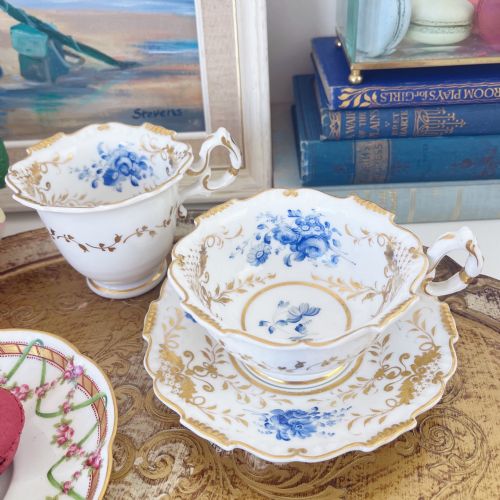
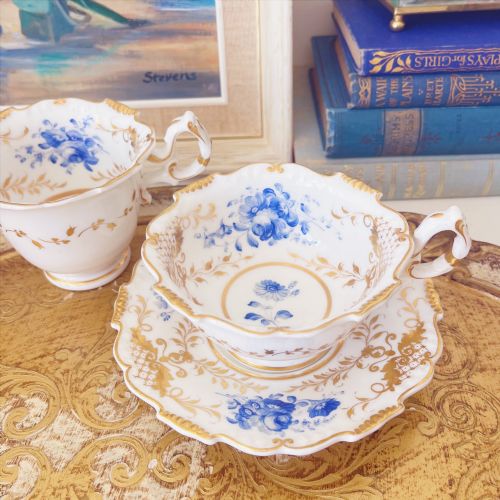
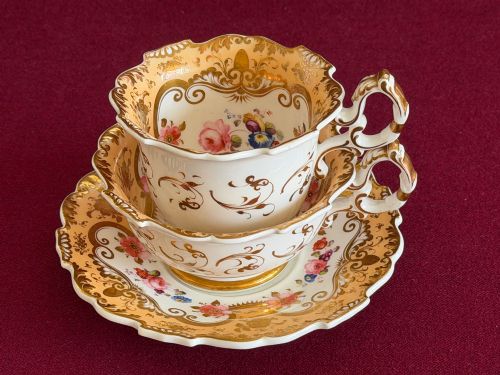
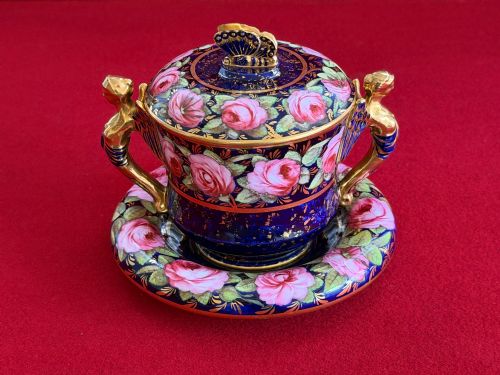
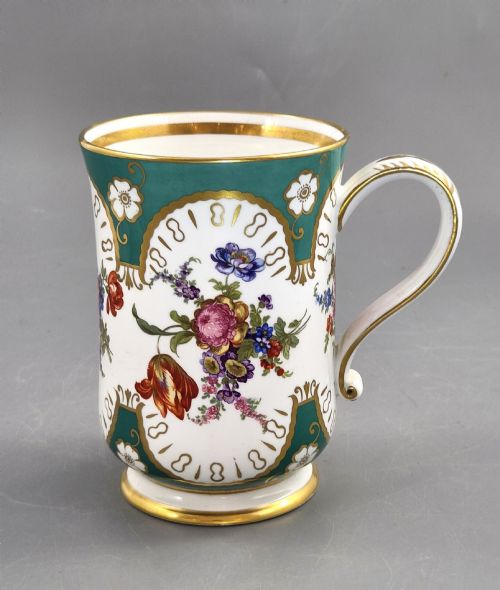
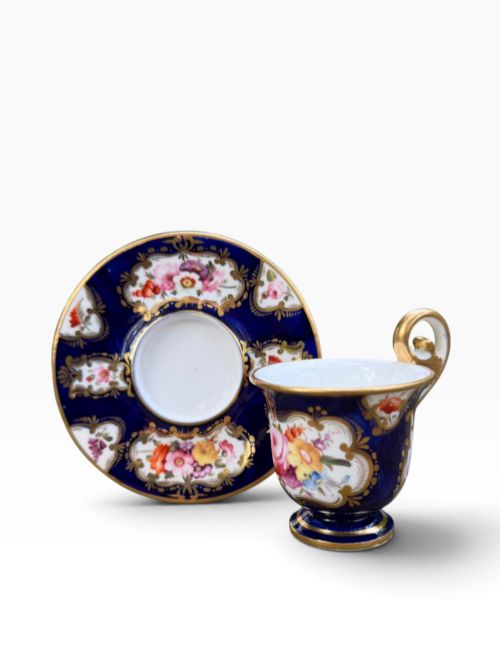
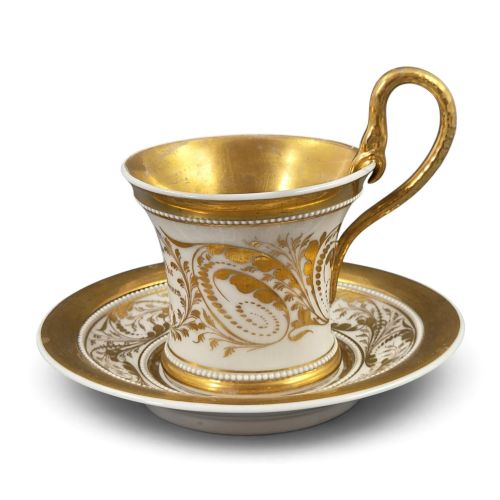
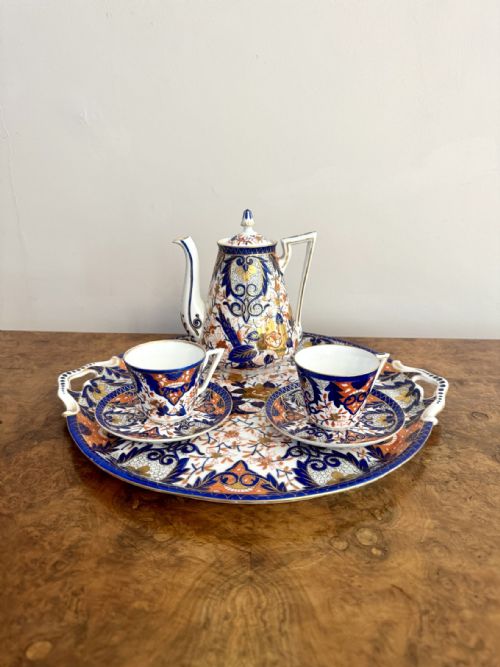
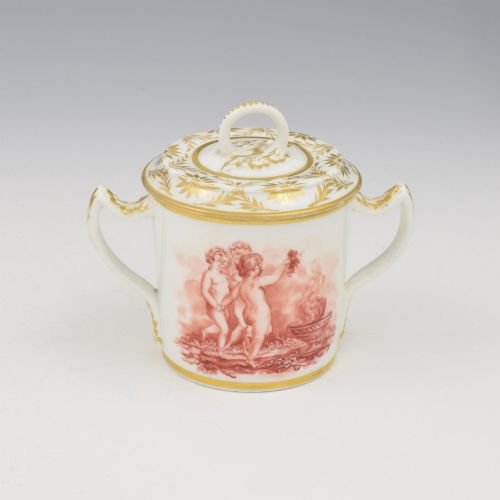
A 19th century porcelain cup encompasses diverse utilitarian and display forms, including teacups and saucers, chocolate cups with covers, coffee cans, cabinet mugs, and larger loving cups. These vessels originate from major English factories such as Worcester, Coalport, Spode, and Derby, alongside continental European workshops like KPM Berlin, Sèvres, Royal Vienna, and Old Paris.
The objects span multiple stylistic movements of the period, reflecting Regency elegance, Georgian classicism, Victorian ornamentation, and revivals of Rococo and French Empire designs. Buyers encounter individual cabinet pieces intended primarily for visual appreciation as well as complete trios comprising a teacup, coffee cup, and matching saucer.
Materials and technique
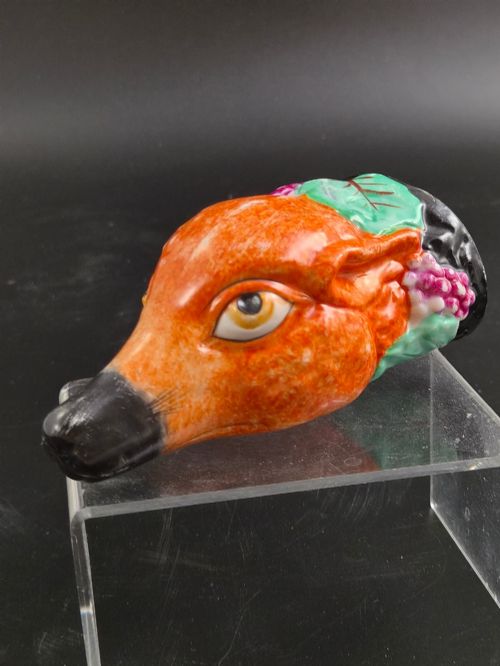
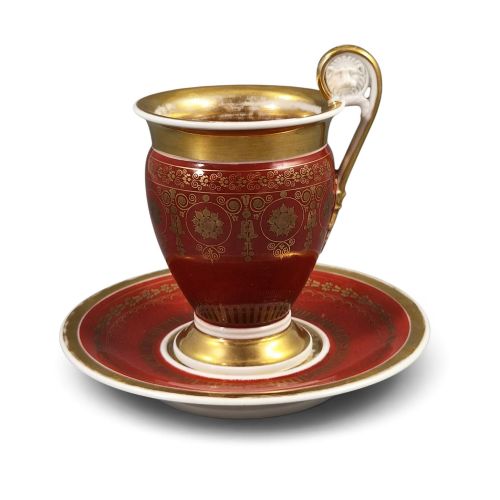
Production relies upon hard-paste porcelain or refined bone china bodies, shaped on wheels or cast in moulds to create specialised vessels like image handles, lion mask grips, and lidded chocolate cups. Potters fired these bodies at high temperatures before applying vitreous glazes.
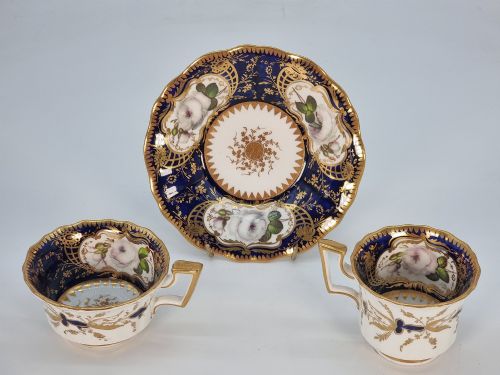
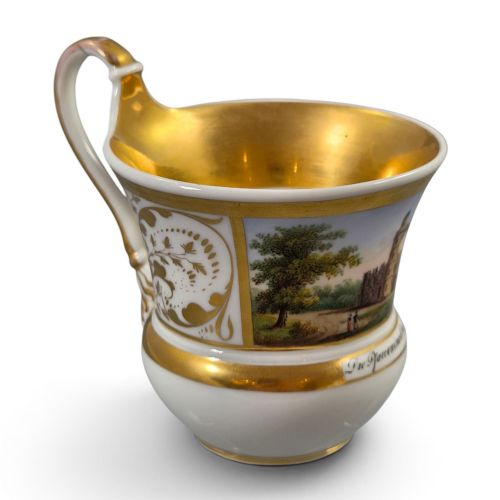
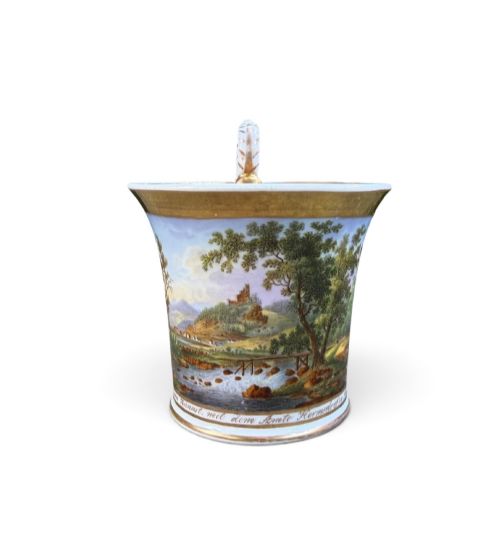
Decoration involves hand-painted polychrome enamels, topographical scenes, and allegorical motifs, frequently enhanced with applied gold leaf, heavy gilding, and specific ground colours such as Rose Pompadour and green.
19th Century Porcelain Cup Retail Price Guide 2026
Typical asking prices for 19th century porcelain cup among the pieces listed under this phrase on Sellingantiques today, from the lower quarter to the upper quarter. They describe what is for sale here now, not the wider market.
Some nineteenth century cups feature hidden frog figurines lurking inside, designed to startle drinkers as they finished their tea.
Distinctions in craftsmanship
Quality separates through the precision and complexity of the hand-painted brushwork, ranging from simple factory banding to meticulous topographical views, sepia figures, and elaborate heraldic or botanical details. Superior pieces often feature specialised relief moulding, such as image handles or intricate covers and stands.
The application and preservation of gilding also mark distinctions, with high-quality items displaying dense, burnished gold leaf rather than flat metallic paint. Furthermore, association with documented makers or specific historic service commissions elevates the standing of individual pieces.
H and R Daniel·Spode·Newhall·Coalport·Grainger Worcester·KPM Berlin·Bloor Derby·Rockingham·Derby·Sevres·Flight Barr and Barr·Gardner Moscow·Royal Vienna·Davenport·Volkstedt·Meissen·Ridgway
The 19th Century Porcelain Cup Glossary
- Cabinet cup
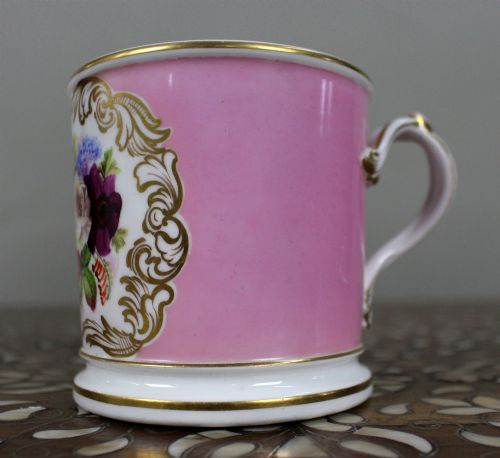
- A decorative ceramic vessel intended for display in a cabinet rather than daily tea or coffee service. These often feature elaborate topographical or allegorical paintings.
- Chocolate cup
- A specialised lidded vessel, sometimes supplied with two handles and a matching stand or saucer, designed for drinking rich chocolate drinks. They frequently date to the Regency and Victorian eras.
- Coffee can
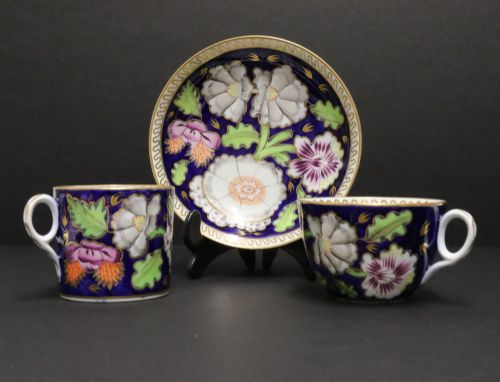
- A straight-sided cylindrical porcelain cup designed specifically for serving strong coffee during the early nineteenth century. They typically lack foot rims and feature strap handles.
- Trio
- A matched set consisting of a teacup, a coffee cup, and a saucer. These groupings highlight matching factory patterns and decorative motifs from English manufactories.
- Gilding
- The application of gold leaf or powdered gold to ceramic surfaces for decorative accent. Burnished examples show high metallic lustre.
19th Century Porcelain Cup: Frequently Asked Questions
How do I identify a coffee can?
A coffee can is characterised by its straight, vertical sides and cylindrical shape, resembling a small mug rather than a flared teacup. They were particularly popular during the early nineteenth century.
These pieces usually feature simple loop or strap handles and sit upon flat bases. They frequently form part of a trio set alongside a matching teacup and saucer.
Were these cups used daily?
Many items were made for actual dining and social rituals, particularly during the Georgian and Regency periods when tea and chocolate drinking gained prominence. Standard teacups and trios saw regular service in middle and upper-class households.
Conversely, heavily gilded cabinet cups and pieces with elaborate covers or stands served decorative roles. Their survival in pristine condition often indicates careful handling or display rather than heavy domestic use.
How are periods told apart?
Periods are distinguished through a combination of paste composition, ceramic shapes, and prevailing artistic styles. Georgian and Regency pieces often exhibit neoclassical restraint, botanical painting, and sharp cylindrical profiles.
Victorian items tend toward heavier ornamentation, vibrant ground colours, and revivalist motifs like Rococo scrolls. Factory marks, where present, provide further chronological documentation.