


19th Century Pier Glass
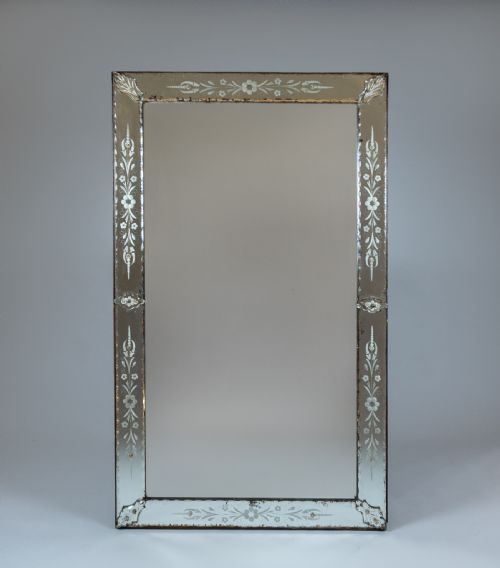
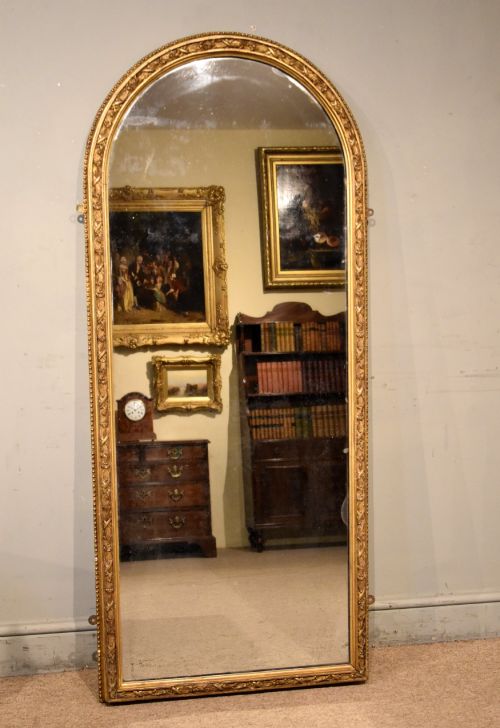
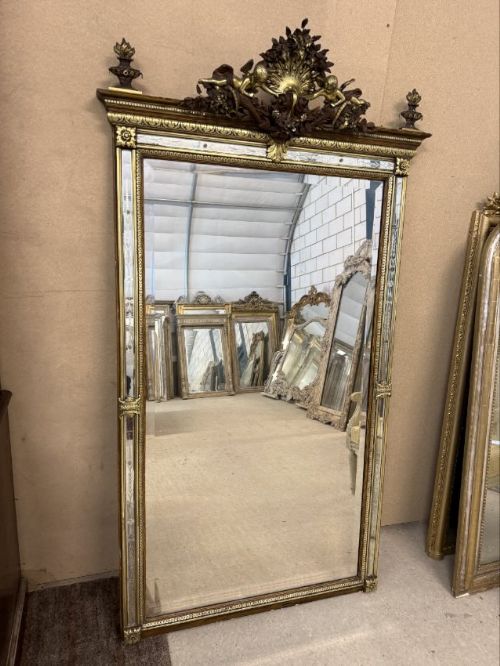
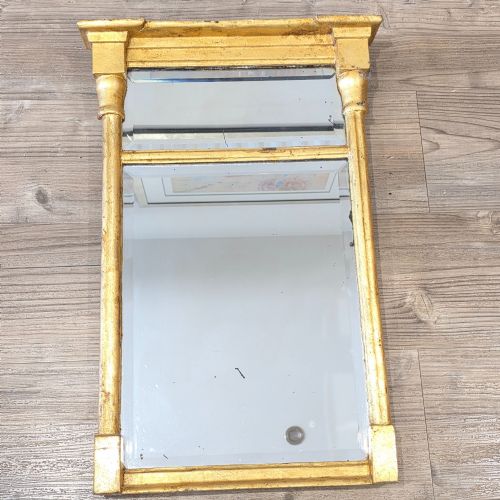
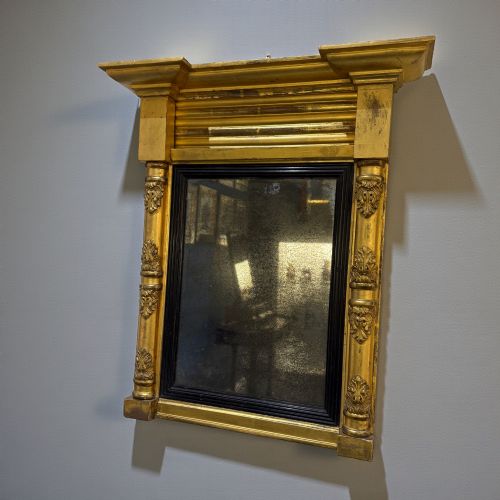
A 19th century pier glass brings historical reflection and vertical light into a room, framed in the giltwood or walnut typical of the period.
19th Century Pier Glass
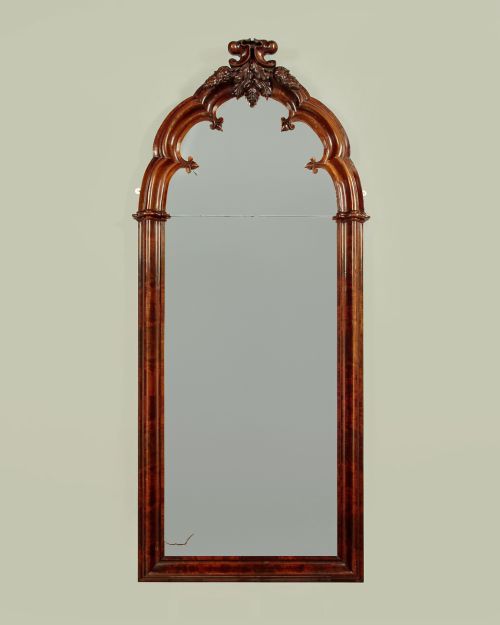
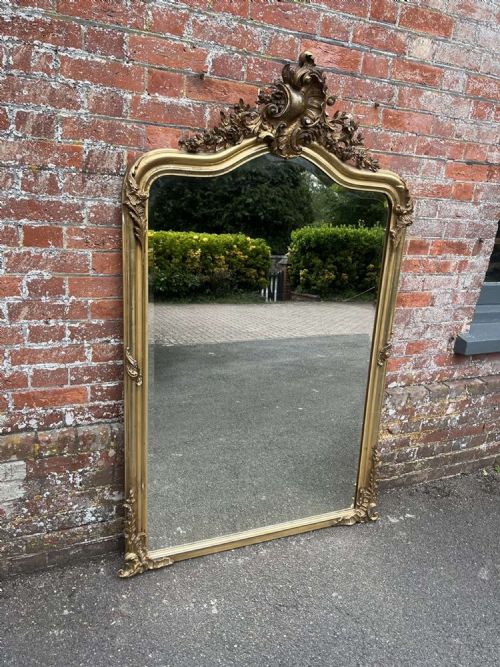
A 19th century pier glass is a tall, narrow mirror designed specifically to hang on the wall space between windows, known as the pier. These architectural mirrors reflect light back into the room and frequently sit above matching console tables or pier cabinets.
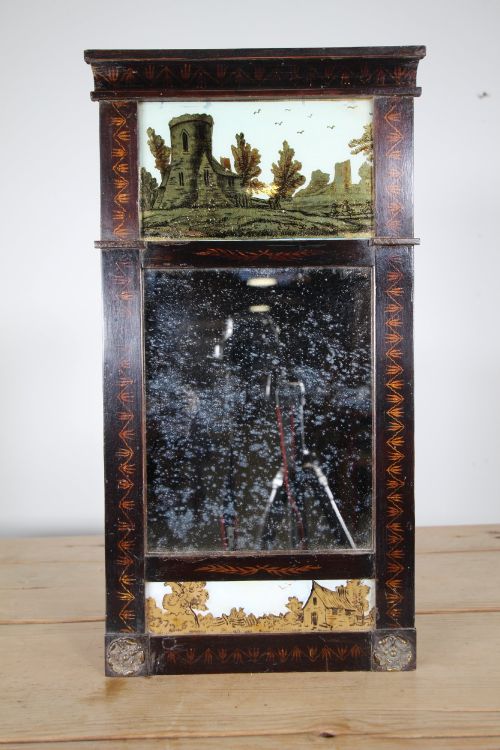
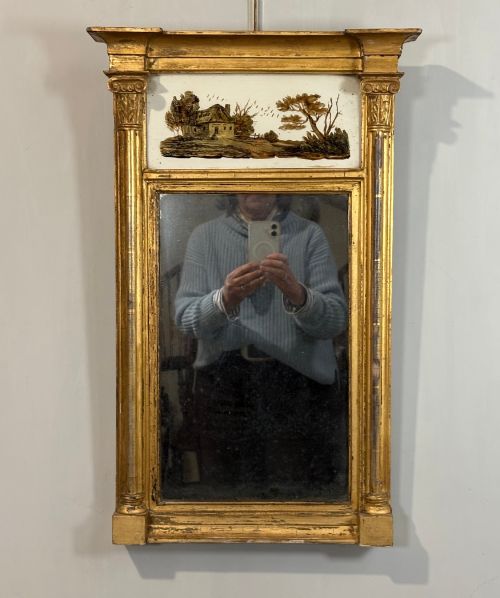
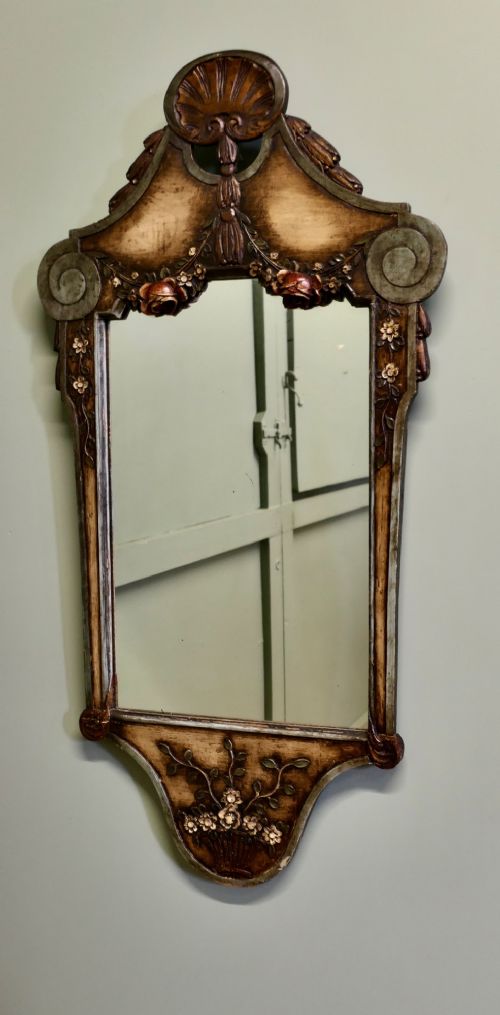
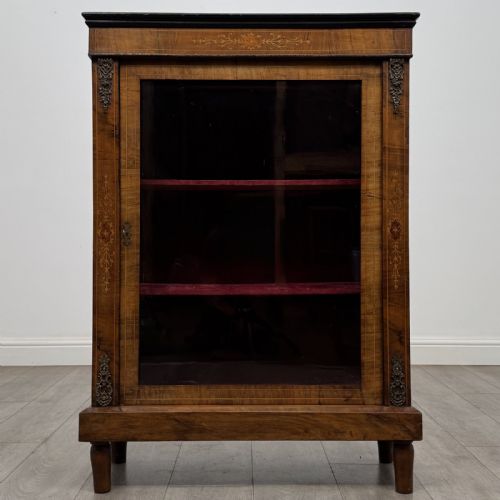
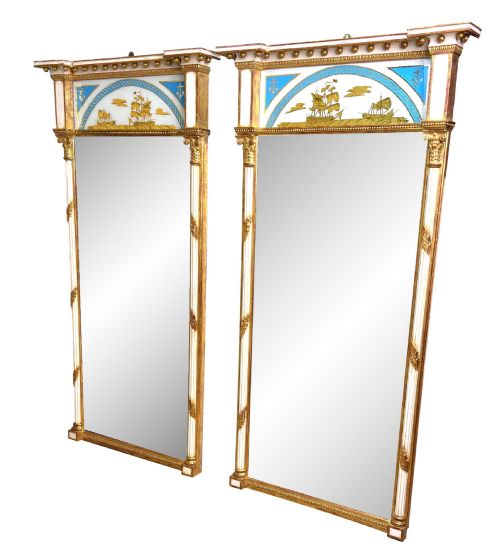
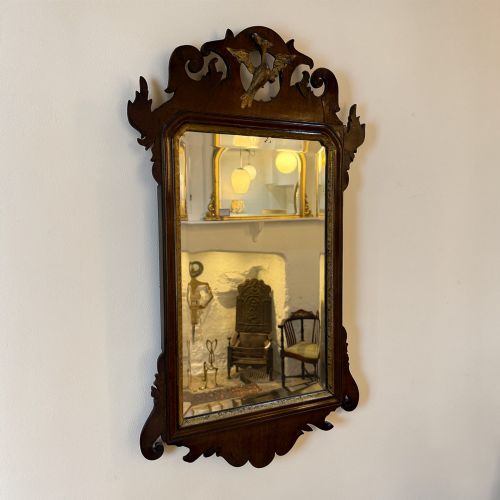
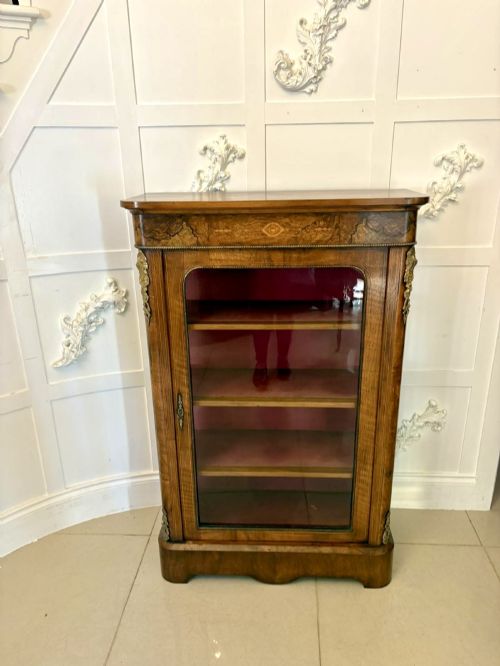
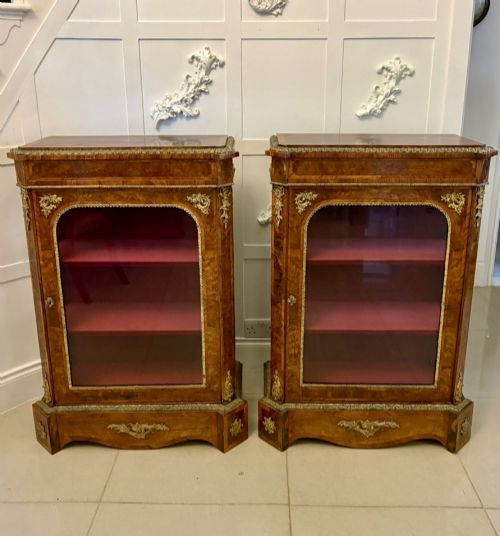
The pieces seen here span the 19th century, including Regency, Victorian, and French Rococo Revival styles. Buyers encounter both grand giltwood wall mirrors and fitted timber display cabinets that incorporate glass plates into their design.
Originating from British, French, and Italian workshops, these mirrors vary from restrained reeded frames to heavily carved giltwood and gesso creations with arched tops or verre eglomise panels.
Materials and Technique
Makers utilised timber substrates such as walnut, burr walnut, and mahogany, often applying intricate giltwood and gesso ornamentation to the frames. Carved wooden elements receive layers of gold leaf or paint, while cabinet pieces incorporate ormolu mounts and inlay.
Mirror plates are set within heavy frames, sometimes retaining their original silvered glass or showing the foxing acquired over the decades. Construction methods rely on traditional joinery for the frames and cabinets, alongside hand-applied gilding techniques.
19th Century Pier Glass Retail Price Guide 2026
Typical asking prices for 19th century pier glass among the pieces listed under this phrase on Sellingantiques today, from the lower quarter to the upper quarter. They describe what is for sale here now, not the wider market.
Some pier glasses share space on this page with skeleton clocks and marriage mirrors, proving ancestors liked to check their reflections while timing the boiling of an egg.
Quality Variations
The distinction between tiers rests upon the depth and crispness of the hand-carving on the frame and the quality of the original mirror plate. Superior examples display finely chased ormolu mounts, well-figured burr walnut timber, and intact original gilding without heavy modern restoration.
Proportion and decorative ambition set standard examples apart from monumental or specialised pieces. Workshop execution, such as the precision of the fretwork or the integration of console tables and cabinets, dictates the standing of an item.
Gillows Of Lancaster
The 19th Century Pier Glass Glossary
- Pier glass
- A tall mirror designed to fit the wall space between two windows. These vertical mirrors often matched console tables placed directly beneath them.
- Giltwood
- Timber carved and coated with gold leaf. This finish provided the reflective brightness desired in formal 19th century interiors.
- Gesso
- A plaster-like mixture applied to wood frames to create a smooth surface for gilding. It allowed makers to model intricate relief ornamentation.
- Verre eglomise
- A technique of cold painting and gilding on the reverse of glass. It appears as a decorative panel within the upper section of certain mirrors.
- Ormolu
- Gilded bronze mounts applied to furniture and mirror frames. These decorative metal additions signal high-status cabinet work.
19th Century Pier Glass: Frequently Asked Questions
What is a pier glass?
A pier glass is a tall, narrow mirror specifically proportioned to hang on the wall space between two windows. They were designed to maximise natural light in formal 19th century reception rooms.
Often paired with narrow console tables or pier cabinets, these mirrors served both decorative and architectural functions in period homes.
How do I style a pier glass?
These mirrors work best when hung on a narrow wall space, particularly between windows or above a low console table. Their vertical proportions draw the eye upward and brighten darker corners of a room.
Ensure the hanging height allows the frame to anchor the furniture placed directly beneath it, echoing traditional room layouts.
Are the mirror plates original?
Many 19th century pier glasses retain their original mirror plates, which often display characteristic age spots, slight distortion, or foxing. These natural signs of ageing confirm the glass belongs to the period of the frame.
Some pieces have received replacement mirror plates over time to provide a clearer reflection for modern use.
How do I identify Regency pier glasses?
Regency pier glasses typically feature neoclassical motifs, reeded columns, and ebonised details. The frames often incorporate convex or flat glass plates within restrained, architectural wooden structures.
By contrast, later Victorian examples lean towards heavier gesso ornamentation, giltwood scrolls, and Revival styles inspired by French chateaux.