




19th Century Pewter
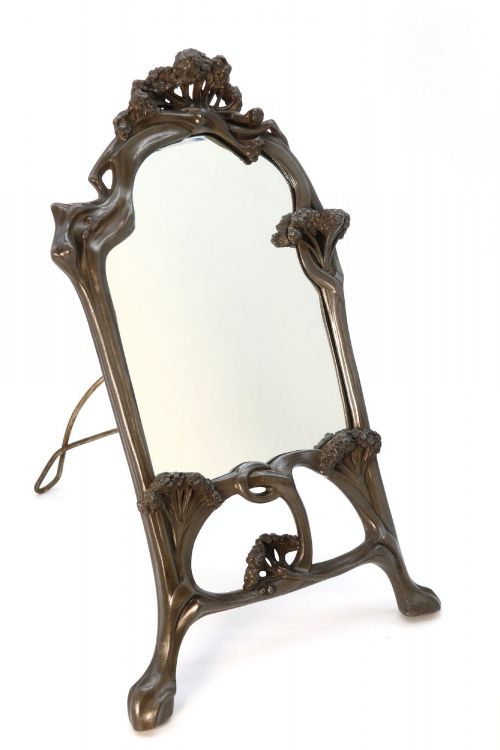
19th century pewter brings substance and utility to a room, offering everything from heavy measures to delicate table mirrors.
19th Century Pewter
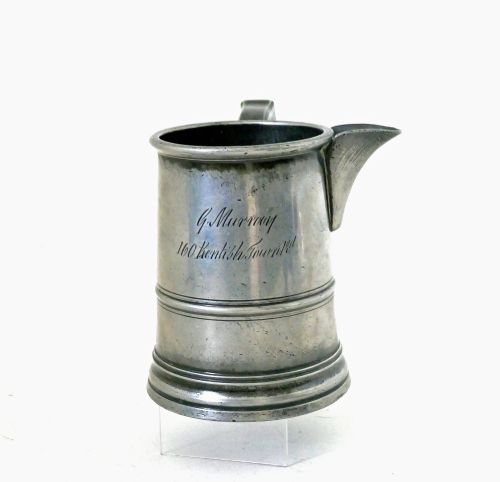
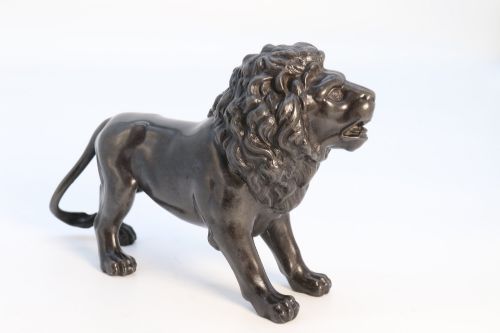
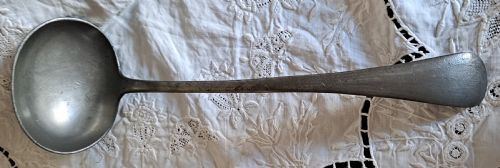
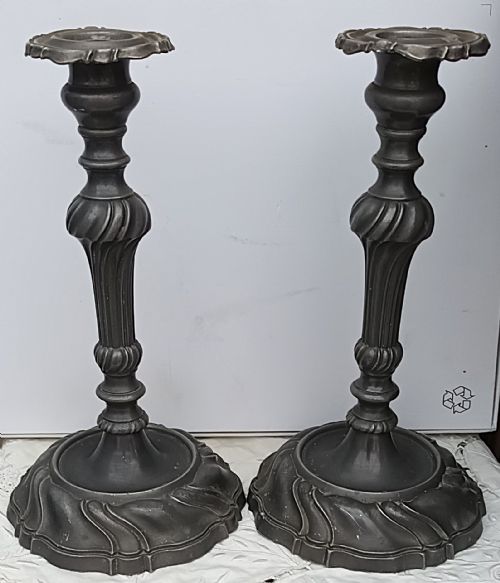
Makers from this period produced both plain everyday pieces and ornate display objects, drawing upon styles ranging from Georgian restraint to Victorian Rococo and French Art Nouveau. Domestic vessels often show heavy wear from daily use, while sculptural works and table mirrors survive in more decorative domestic contexts.
The material appears not only in solid form but also combined with glass liners, wood, and brass mounts, reflecting the varied manufacturing traditions of England, Ireland, Scotland, France, and Germany.
Materials and construction methods
Pewter objects from this era rely on an alloy of tin alloyed with copper, lead, or antimony to achieve durability and a dull grey lustre. Metalsmiths cast these components in moulds before finishing the surfaces by hammering, turning on a lathe, or hand-engraving details.
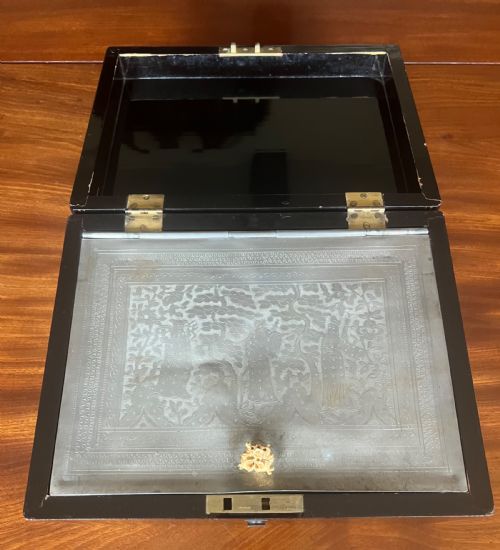
Makers integrated mixed media into their work, pairing the metal with glass inserts in inkwells, cedar wood in caskets, and japanned lacquer finishes on decorative urns. Stamped touchmarks, maker details, and regional verification stamps often appear directly on the base or rim, punched into the metal after casting.
19th Century Pewter Retail Price Guide 2026
Typical asking prices for 19th century pewter among the pieces listed under this phrase on Sellingantiques today, from the lower quarter to the upper quarter. They describe what is for sale here now, not the wider market.
Listings feature items spanning the 19th century, incorporating materials like glass, brass, wood, and tin-glazed earthenware alongside traditional pewter.
Distinctions in quality and execution
Quality in these metalwares rests upon the crispness of the cast details, the thickness of the metal walls, and the survival of original touchmarks. Heavy gauge pieces retain their structural integrity and precise capacity measures, whereas thinner vessels show denting and distortion from centuries of handling.
Artistic ambition also separates standard workshop output from named sculptural pieces, where finely chased surfaces, classical motifs, and artist signatures elevate functional alloy into display art.
Louis Auguste Moreau·John Yates·Thomas Phillips I·Yates Birch and Spooner·Francois Moreau
The 19th Century Pewter Glossary
- Touchmark
- An official stamp or maker mark impressed into the metal to certify quality and origin. These small punch marks help researchers identify individual workshops and regional standards.
- Measure
- A standardised drinking vessel or jug used in taverns and households for dispensing liquids. Measures often feature lidded designs and capacity stamps.
- Flagon
- A large drinking vessel with a handle and lid, frequently utilised for serving ale or wine. In ecclesiastical contexts, they served as communion flagons.
- Japanned
- A European imitation of East Asian lacquerwork applied to metal or wood surfaces. This decorative technique creates a glossy, dark finish often adorned with neo-classical motifs.
19th Century Pewter: Frequently Asked Questions
How do I clean antique pewter?
Historic metal surfaces require gentle washing with warm soapy water and a soft cloth to remove surface dirt. Avoid abrasive metal polishes that strip away the aged patina built up over generations.
Dry the pieces thoroughly immediately after washing to prevent water spotting. Preserving the dark, dull grey surface protects the character of the alloy.
What are touchmarks and how do I read them?
Touchmarks are small stamped symbols, initials, or heraldic devices pressed into the metal by the maker or guild. They act as a signature indicating who produced the vessel.
Matching these marks against historical guild records reveals the exact maker and town of origin. Unmarked pieces remain common, relying on style and weight for dating.
Were these items meant for display or daily use?
Most measures, tankards, and plates served as working utensils in homes, inns, and taverns. Their heavy tin composition made them durable enough for constant handling.
Over time, decorative items like candlesticks, vases, and figural desk accessories shifted primarily into parlour displays. The presence of dents and scratches usually points to a long history of active service.
How can I tell English pieces from continental ones?
National origin often shows through distinct regional capacities, touchmark styles, and decorative idioms. English makers focused heavily on standardised tavern measures and plain rims, while French and German examples frequently embraced Rococo or Historicist ornamentation.
Examining the weight, alloy composition, and accompanying stamps provides further clues to geographic manufacture.