

19th Century Pendulum Clock
A 19th century pendulum clock brings mechanical precision and period character into a room through measured beats and traditional cabinetwork.
19th Century Pendulum Clock
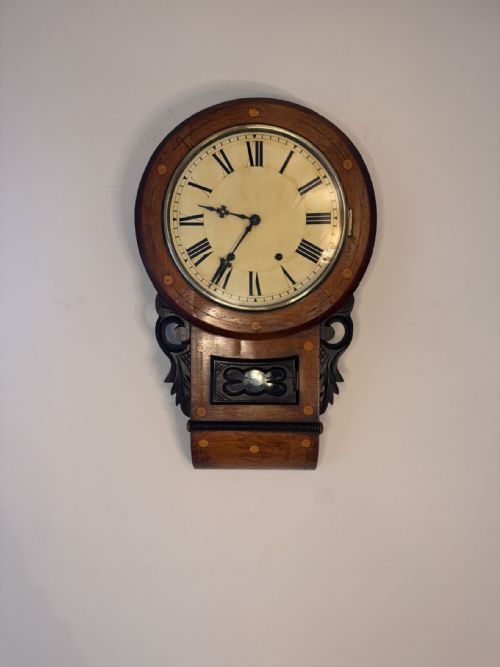
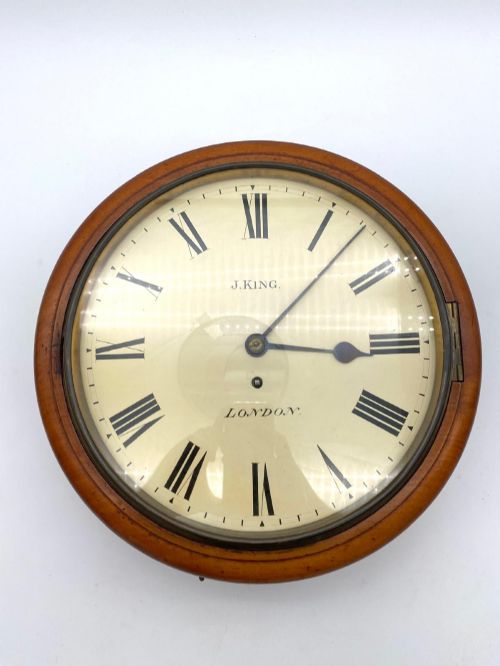
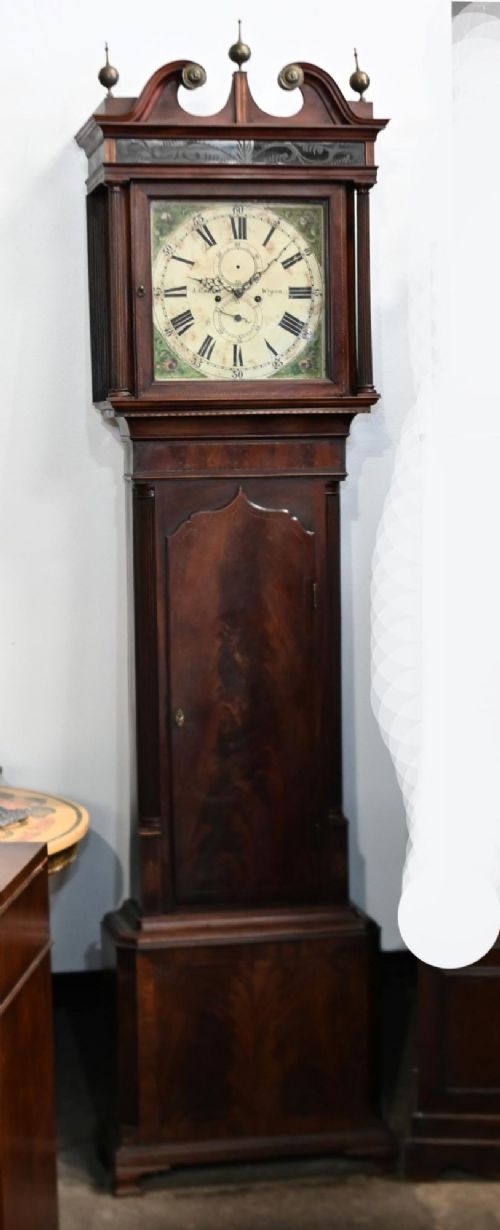
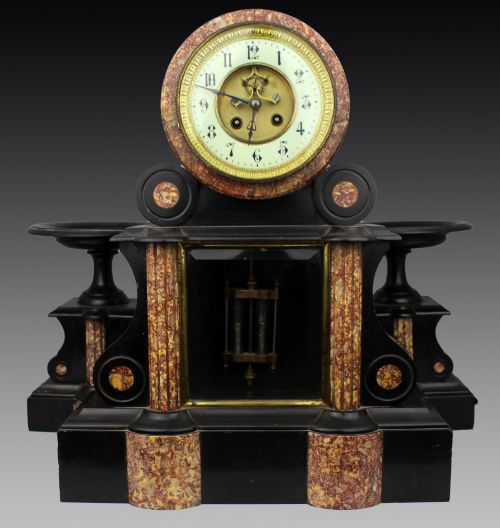
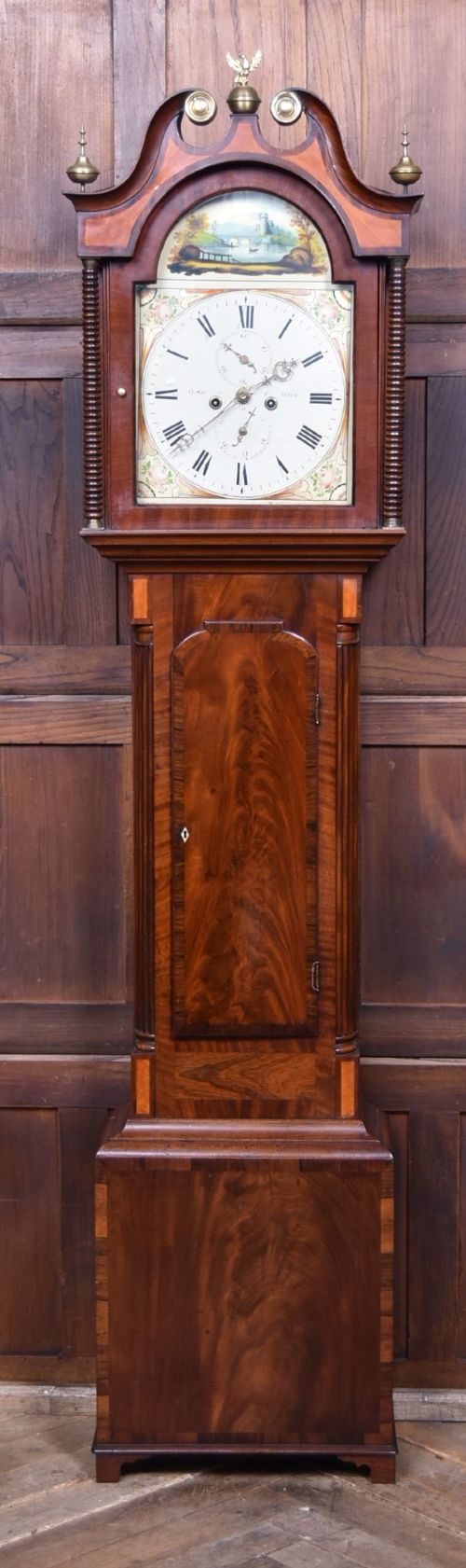
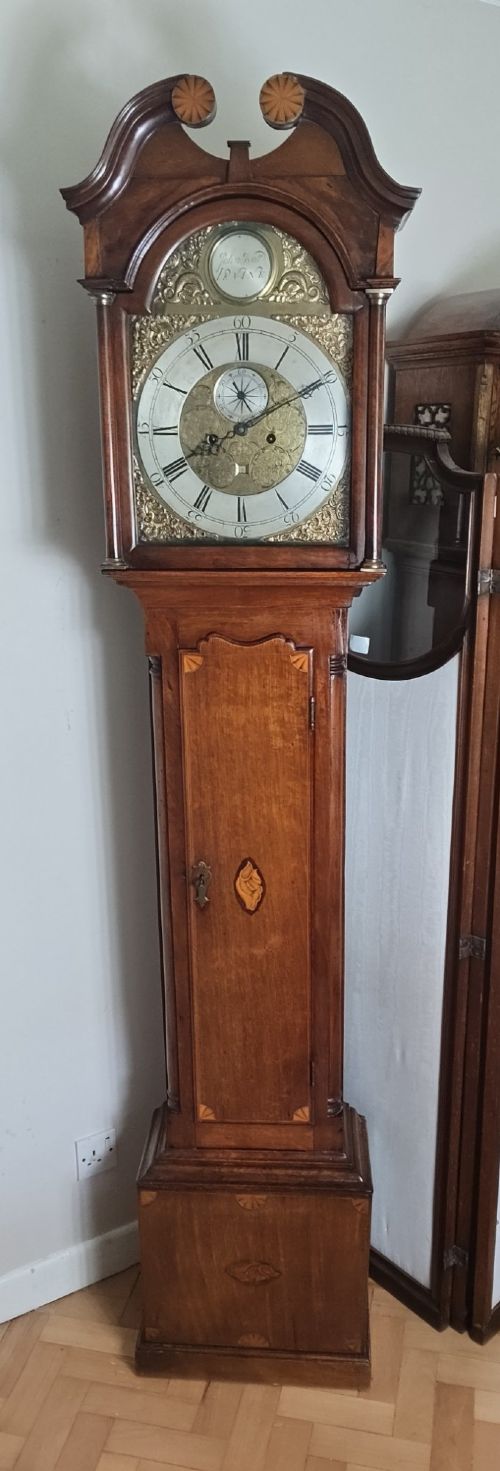
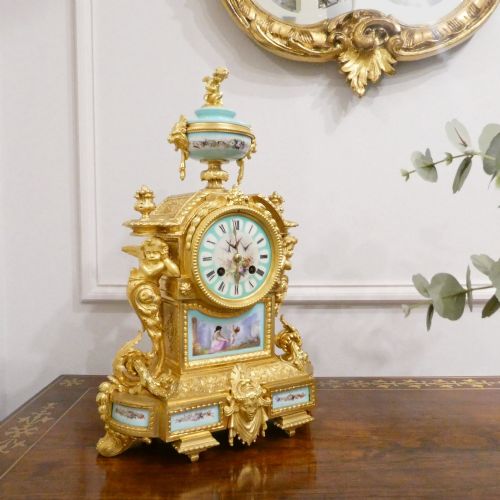
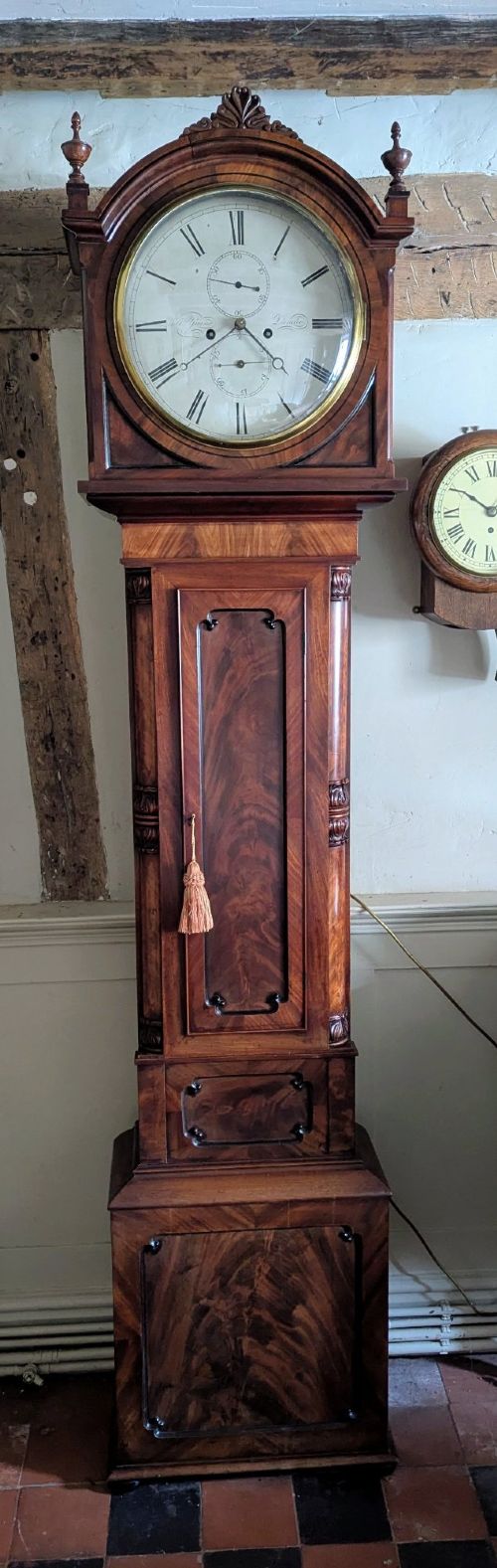
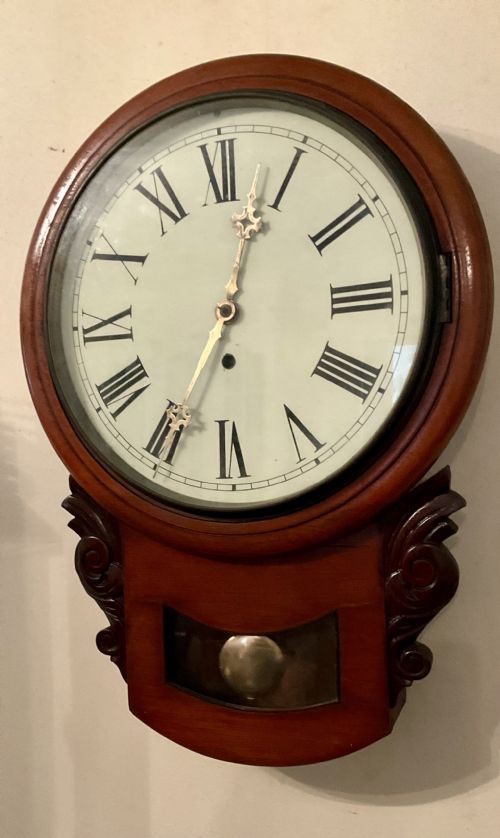
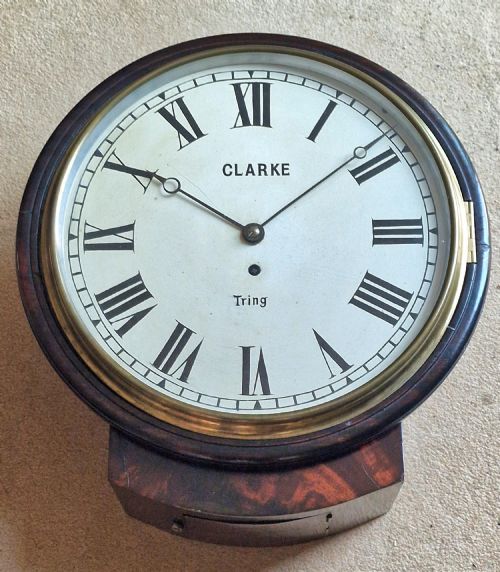
A 19th century pendulum clock encompasses floor-standing longcase examples, wall-mounted dial clocks, and decorative mantel pieces designed to keep domestic time. Buyers exploring this category encounter tallcase grandfather clocks alongside smaller wall regulators and bracket clocks.
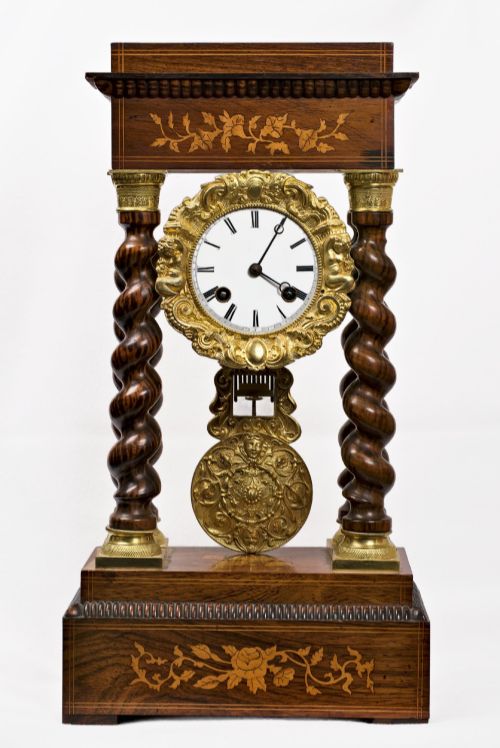
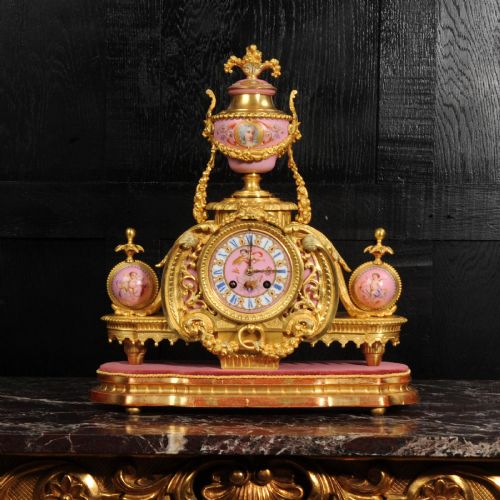
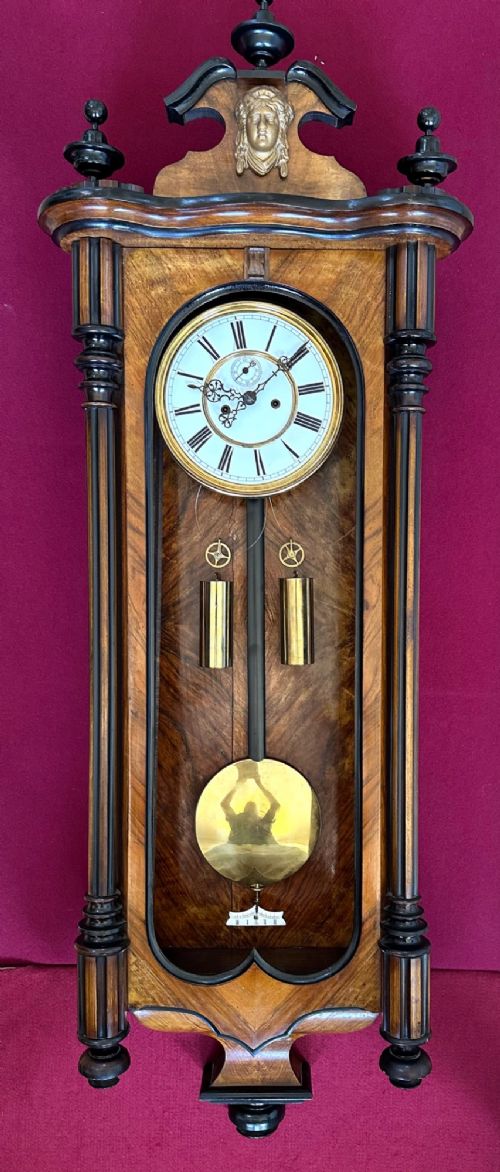
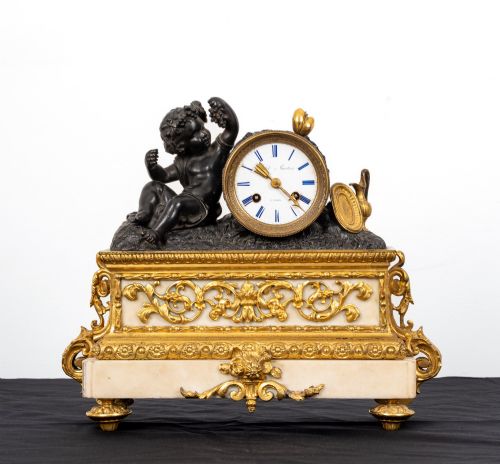
The objects stem from diverse origins, balancing British domestic cabinetmaking with French gilt bronze and porcelain mantel pieces, plus Austrian and German wall regulators. Mahogany and walnut cases dominate the selections alongside ebonised wood and brass.
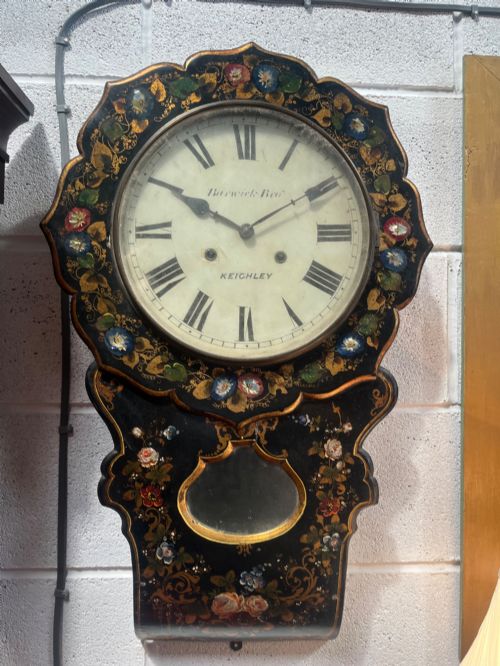
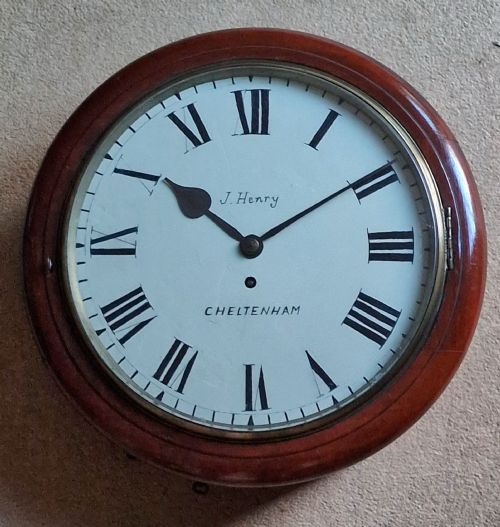
Mantel clocks and wall hanging varieties appear frequently, often driven by eight-day movements or fusee mechanisms. These pieces reflect the varied domestic interior styles of the Victorian, Georgian, and Regency eras.
Materials and Construction
Cabinetmakers utilised timber such as mahogany, walnut, and oak to construct tallcase bodies, wall surrounds, and bracket clock housings. Marquetry inlay, brass mounts, and painted decoration often supplement the timber surfaces.
Metals form the interior gear trains, pendulums, and exterior decorative elements, with gilt bronze, ormolu, and brass applied to French mantel designs and dial bezels. White enamel dials with contrasting numerals provide clear legibility.
Movements rely on weight-driven or spring-driven mechanisms, incorporating fusee setups to maintain even tension as the mainspring uncoils. Glass panels protect delicate dials and swing pendulums in regulator and crystal styles.
19th Century Pendulum Clock Retail Price Guide 2026
Typical asking prices for 19th century pendulum clock among the pieces listed under this phrase on Sellingantiques today, from the lower quarter to the upper quarter. They describe what is for sale here now, not the wider market.
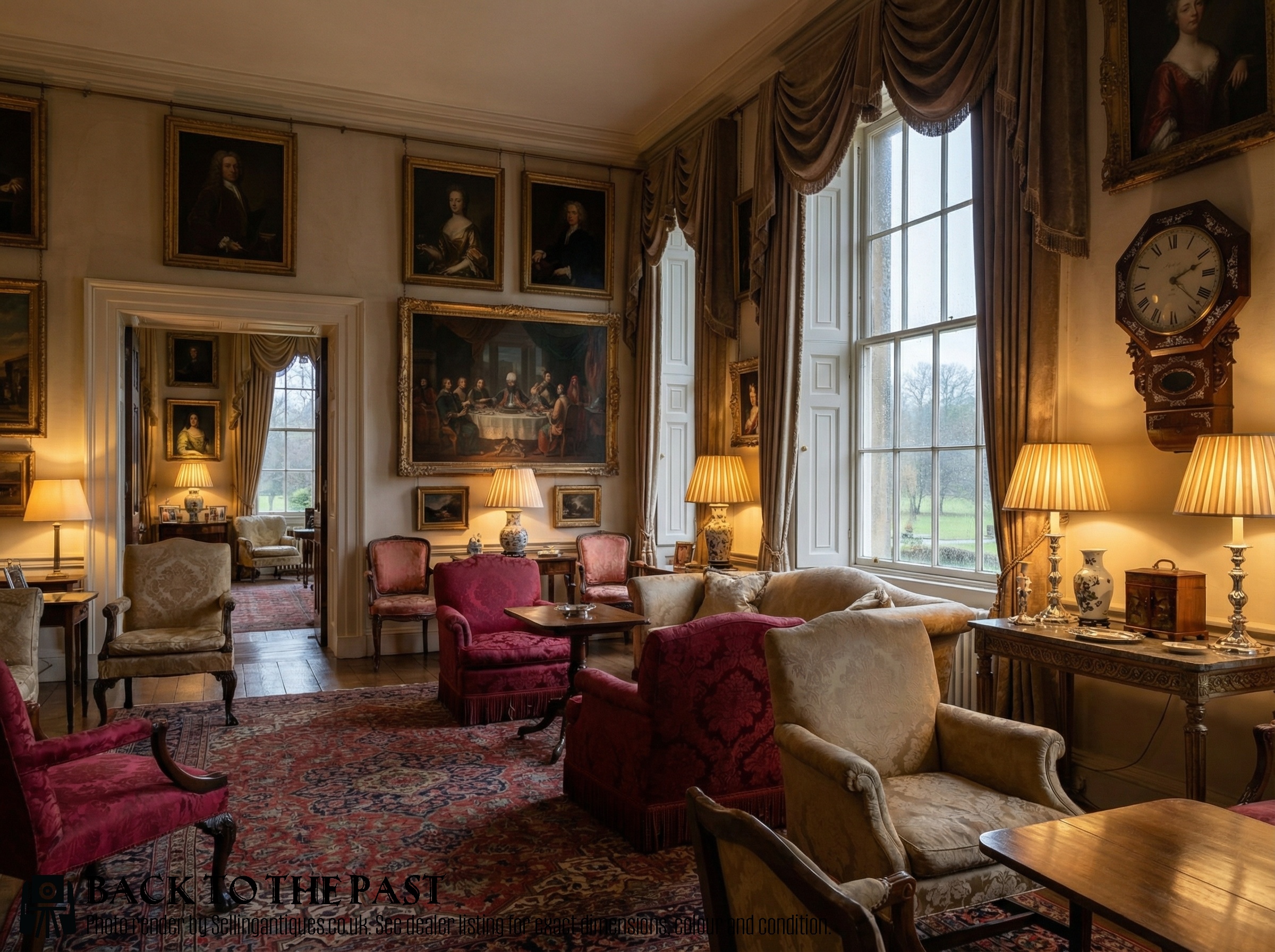
Some wall clocks feature intricate mother-of-pearl wire inlay designed to catch the flickering light of an oil lamp.
Factors That Distinguish Quality
The refinement of the movement and the reputation of the maker set exceptional examples apart from standard domestic timepieces. Signed dials, intricate engraving on movement backplates, and specialised complications indicate higher production standards.
Cabinetwork quality separates ordinary production from superior pieces, evident in the selection of figured wood veneers, precise marquetry, and well-executed brass mounts. Original components and matching serial numbers maintain the integrity of the ensemble.
Achille Brocot·Japy Freres·Brockbanks And Atkins·Siffel And Cartier·George Clarke
The 19th Century Pendulum Clock Glossary
- Fusee
- A conical pulley connected to the mainspring by a chain or cord. This device ensures uniform power delivery to the gear train as the spring winds down.
- Garniture set
- A mantel clock accompanied by matching side ornaments such as urns or candelabra. These sets create a balanced decorative display on a fireplace shelf.
- Regulator
- A precision pendulum clock designed for high accuracy. They often feature a long pendulum and a clear dial layout to aid timekeeping observation.
- Bracket clock
- A portable spring-driven clock originally designed to sit on a wall bracket. Many examples include carrying handles on top of the wooden case.
- Dial
- The face of the clock where the hours and minutes are displayed. They frequently feature enamel painted chapters and protective glass bezels.
19th Century Pendulum Clock: Frequently Asked Questions
How do I wind a pendulum clock?
Most mechanical clocks require a key inserted into winding holes on the dial to tension the springs or lift the weights.
Care should be taken not to overwind the mechanism, stopping as soon as resistance is felt.
Where should I place a longcase clock?
Tallcase clocks need a stable, dry interior wall away from direct heat sources and heavy vibrations.
Setting the case on a level floor ensures the pendulum swings evenly and the beat remains regular.
What is a fusee movement?
A fusee movement uses a conical drum to equalise the declining power of an uncoiling mainspring.
This mechanical refinement helps the clock maintain consistent timekeeping throughout its running period.
How are different periods identified?
Cabinet style, wood selection, and dial ornamentation provide primary clues to a clock's era of origin.
Georgian and Regency designs favour clean architectural lines, whereas Victorian and French revival pieces often display rich carving or gilt bronze mounts.