


Antique Wooden Timepiece
An antique wooden timepiece brings warmth and mechanical precision to a room through rich cabinet woods and traditional dial work.
Defining the antique wooden timepiece
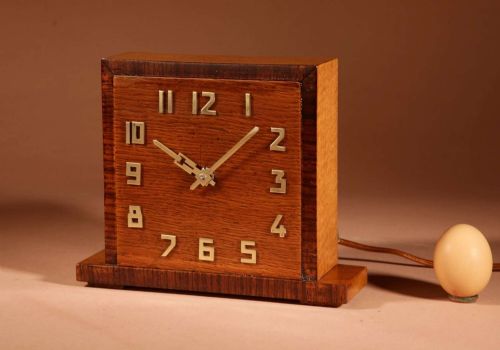
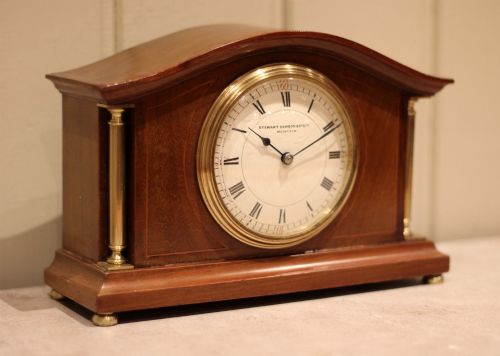
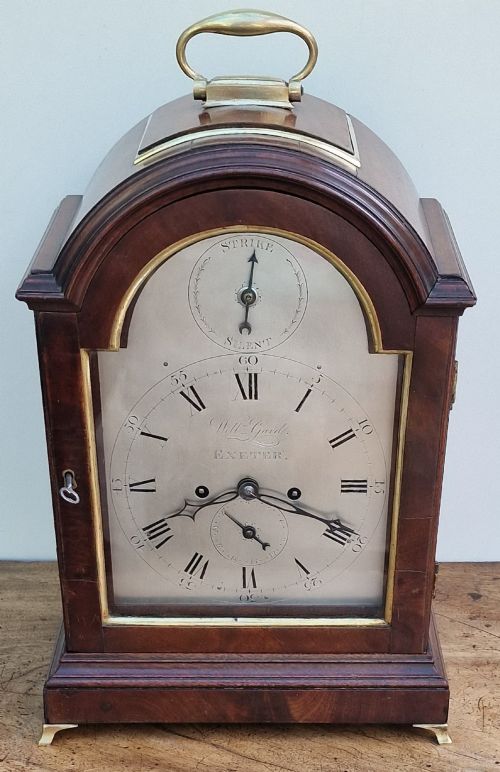
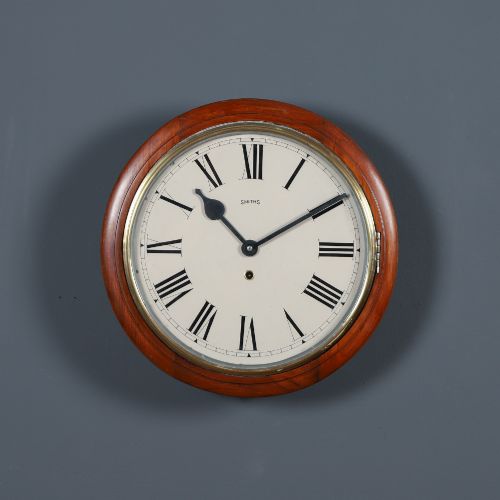
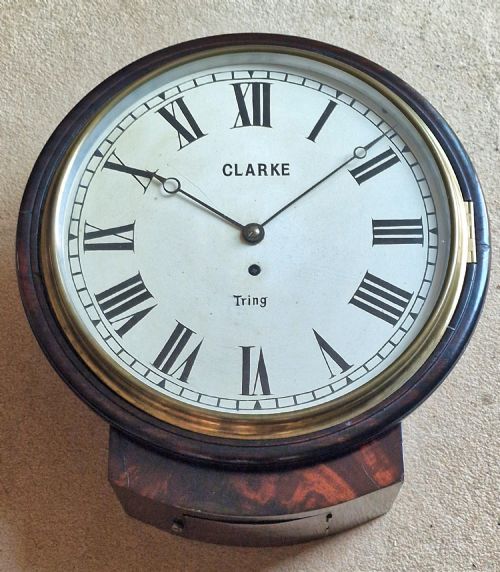
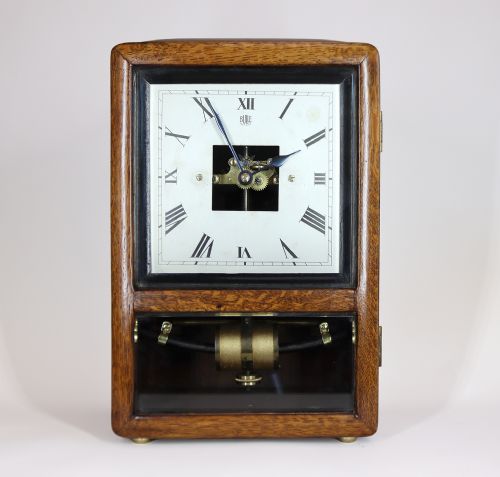
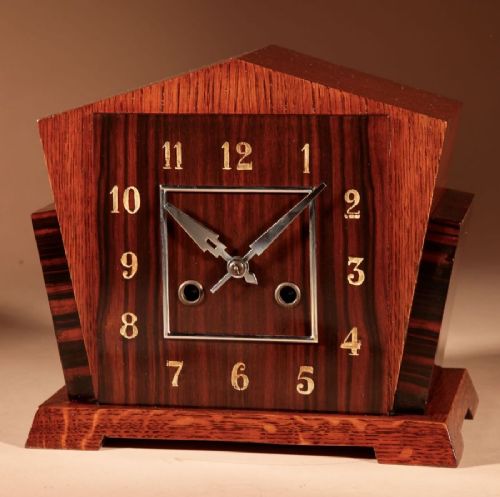
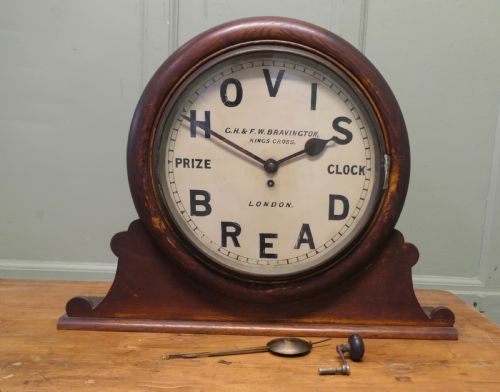
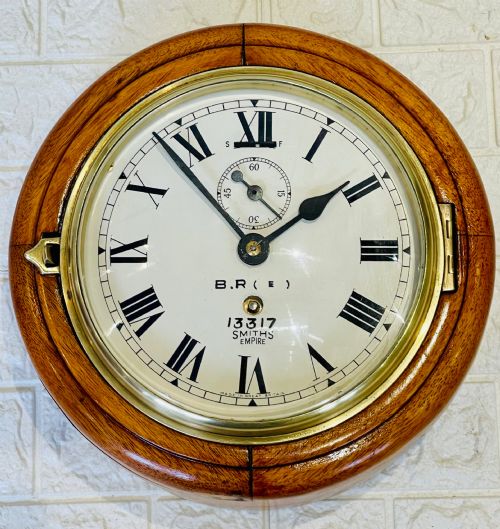
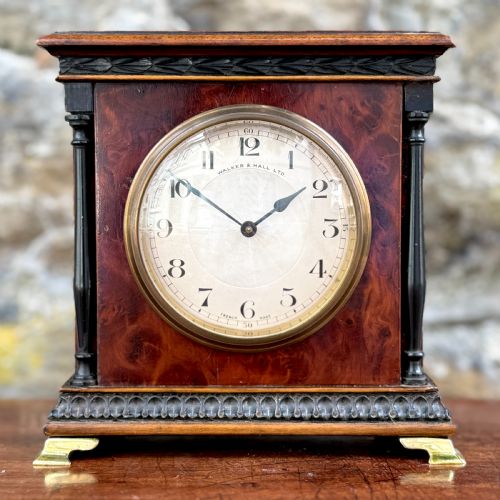
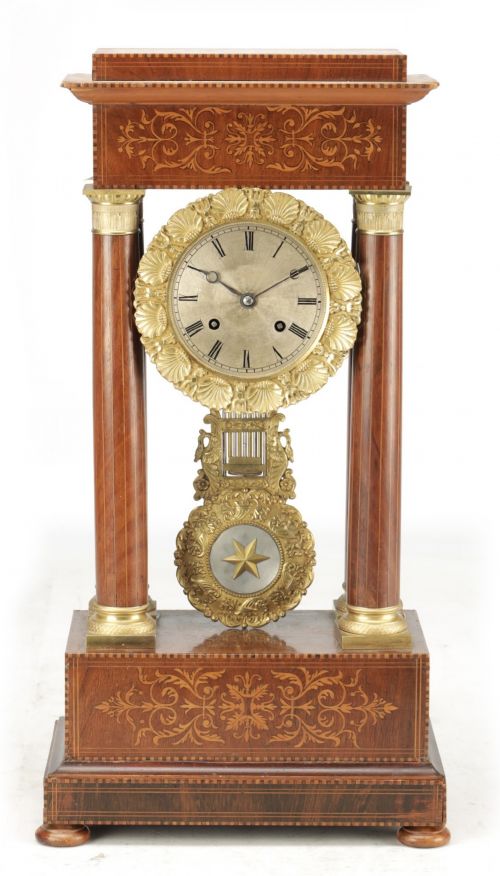
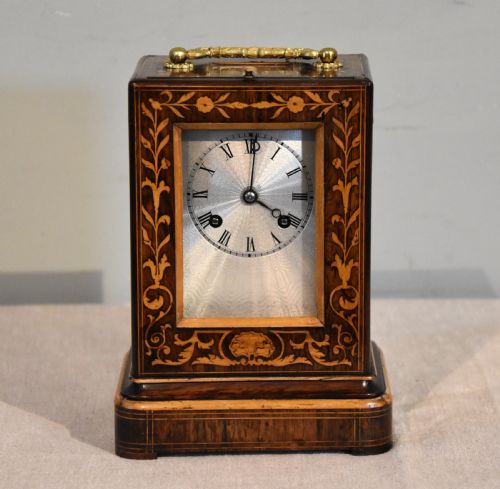
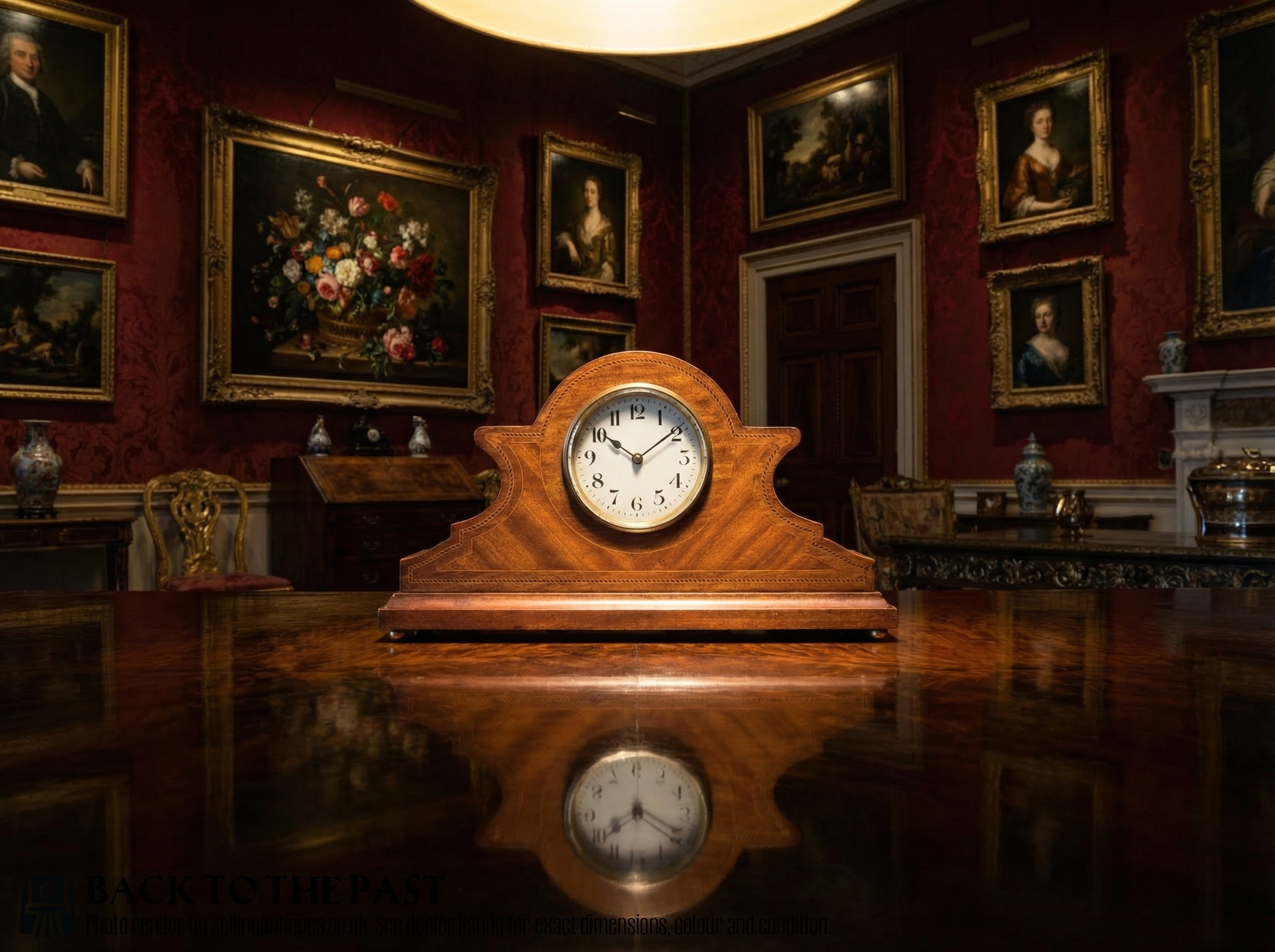
An antique wooden timepiece represents a functional instrument housed in a cabinet formed from rich timbers, created to mark the hours in domestic and public spaces. Collectors searching for an antique wooden timepiece will encounter forms ranging from compact mantel models to substantial dial clocks designed for wall mounting.
The selections available here span the nineteenth century, the Edwardian era, and the year nineteen hundred. These pieces encompass both desk and mantel clock configurations alongside wall hanging variations.
Makers and retailers such as Payne of Tunbridge Wells and J Fisher Esq are recorded among the examples. The variety extends across mantel clocks and wall clocks constructed with diverse timber cases.
Materials and construction
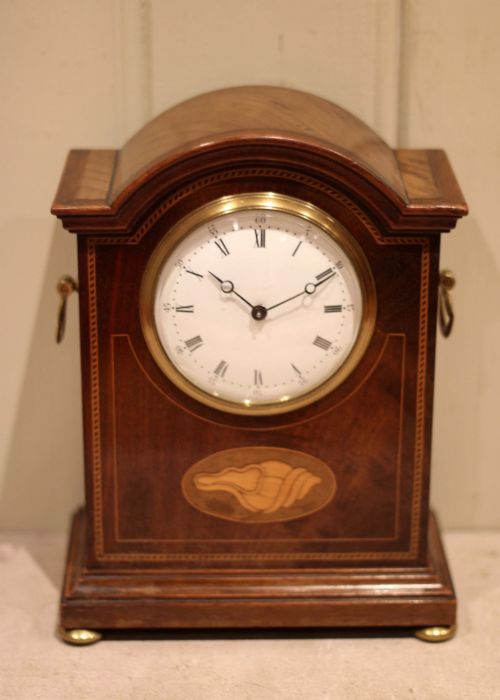
Cabinet makers utilised dense hardwoods including walnut, mahogany, and rosewood to build the outer enclosures. Figured walnut veneers and inlaid decoration frequently embellished the wooden surfaces.
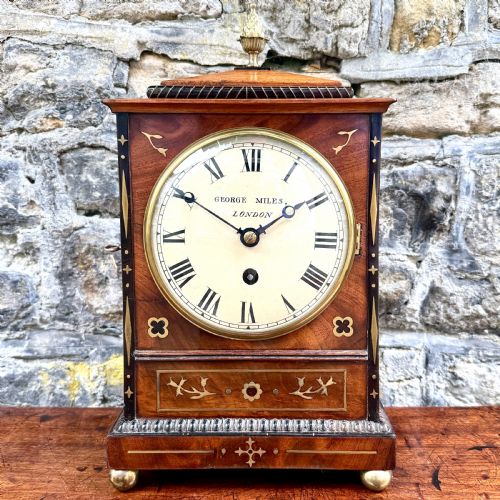
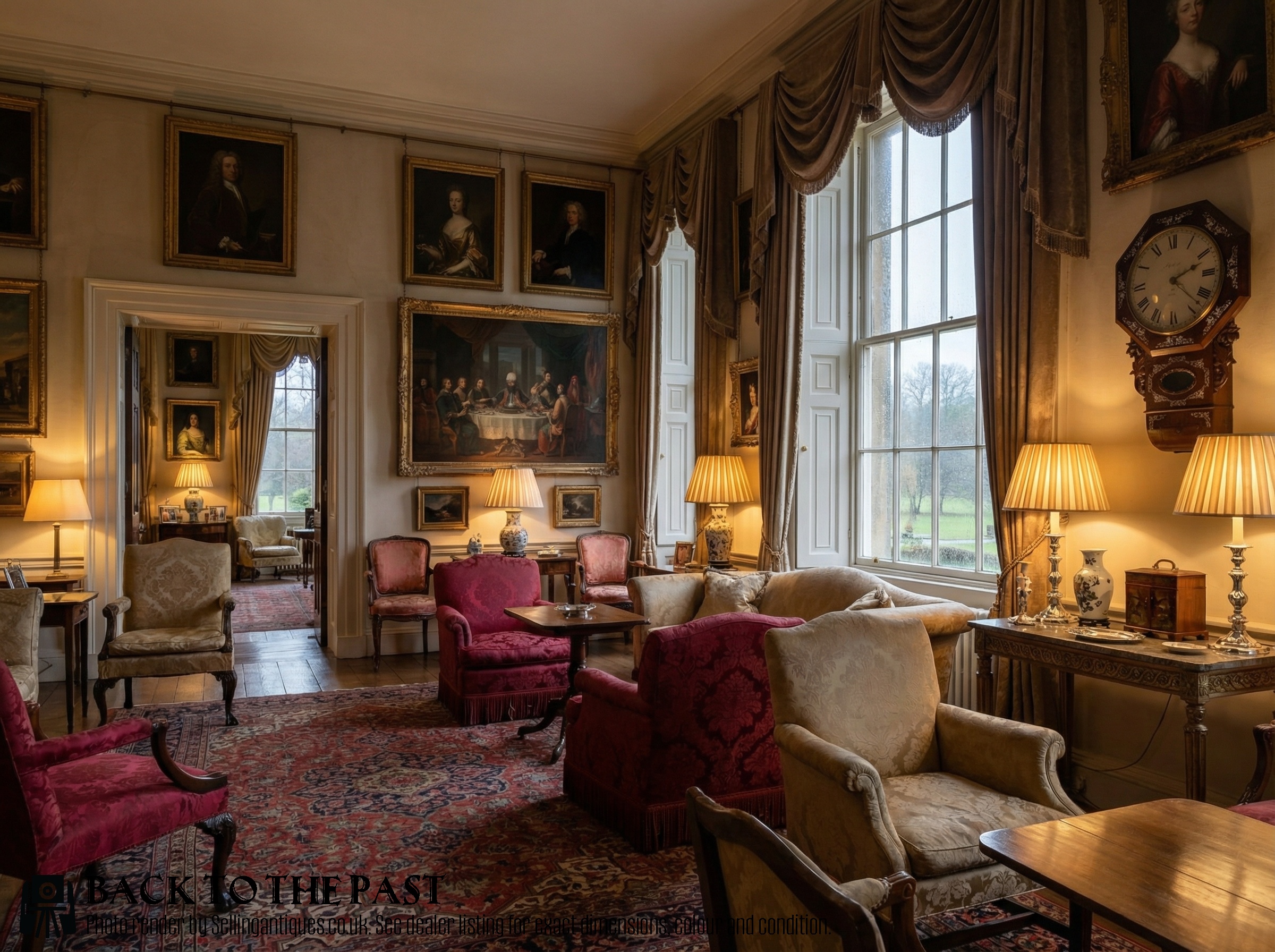
Movements and dials incorporated contrasting elements of brass, glass, iron, and mother of pearl. Fusee movements drove certain wall clocks, while desk and mantel pieces relied on fitted internal mechanisms protected by glazed bezels.
Retail Price Guide 2026
Typical UK retail prices for wooden timepiece, calculated from the Sellingantiques database of over a million retail prices indexed since 2003. This retail price guide relies exclusively on Sellingantiques data; no external sources or auction records are used, so the figures do not describe the wider market.
Some timepieces proudly bear the names of past owners or makers like J Fisher Esq, permanently tethering the clock to a specific historical desk or wall.
Assessing craftsmanship
The standard of an antique wooden timepiece rests in the selection of cabinet timbers, such as figured walnut or rosewood, and the precision of inlaid details. Finer examples display meticulous attention to the joinery and the harmonious integration of brass bezels and glass dials.
Quality also distinguishes itself through the reputation of the maker or retailer inscribed on the dial, such as Payne of Tunbridge Wells. The sophistication of the internal movement, including fusee mechanisms, separates standard production from superior horology.
Payne of Tunbridge Wells·J Fisher Esq
The Antique Wooden Timepiece Glossary
- Fusee
- A conical pulley used in clock movements to maintain an even pull on the chain as the mainspring unwinds. This mechanism improves timekeeping accuracy across the power reserve.
- Dial clock
- A wall-mounted clock featuring a prominent face, often enclosed by a brass bezel and glass door. These were commonly used in offices, stations, and large rooms.
- Mantel clock
- A portable clock designed to sit on the shelf above a fireplace. They appear in compact forms and varied timber cases.
- Inlaid
- A decorative technique where pieces of contrasting wood or mother of pearl are inserted into depressions flush with the surface. This adds intricate patterns to the timber case.
Frequently Asked Questions
Where should I place a mantel clock?
A mantel clock fits comfortably on a shelf, desk, or mantelpiece where its timber case and dial remain visible. Ensure the surface is level to keep the movement running reliably.
Keep the piece away from direct heat sources and damp environments to protect the wood and internal brass components.
How do I identify an Edwardian wooden clock?
Edwardian clocks typically date from the early twentieth century and often feature mahogany or inlaid walnut cases. Their styling reflects the furniture designs popular during the reign of King Edward VII.
Examining the timber and any inscribed dial details helps confirm this period of manufacture.
What is a fusee wall clock?
A fusee wall clock uses a special conical pulley system inside the movement to equalise the power delivered by the mainspring. This traditional mechanism helps the clock keep accurate time.
These pieces are usually hung on walls and feature clear dials protected by glass bezels.
How do I care for wooden clock cases?
Dust the timber case gently with a dry, soft cloth to prevent a buildup of particles on walnut, mahogany, or rosewood surfaces. Avoid commercial polishes containing silicone, which can damage antique finishes over time.
Protect the glass and brass elements by handling the clock with clean hands and stable support.