

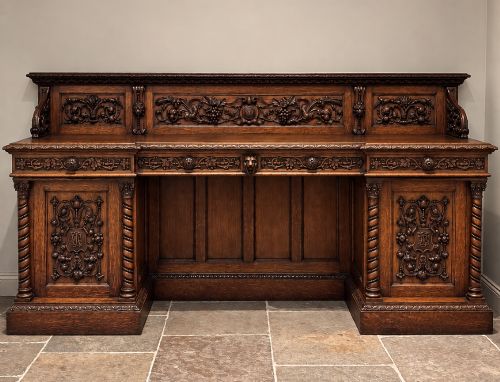
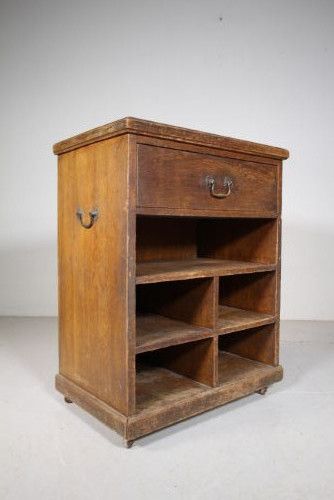
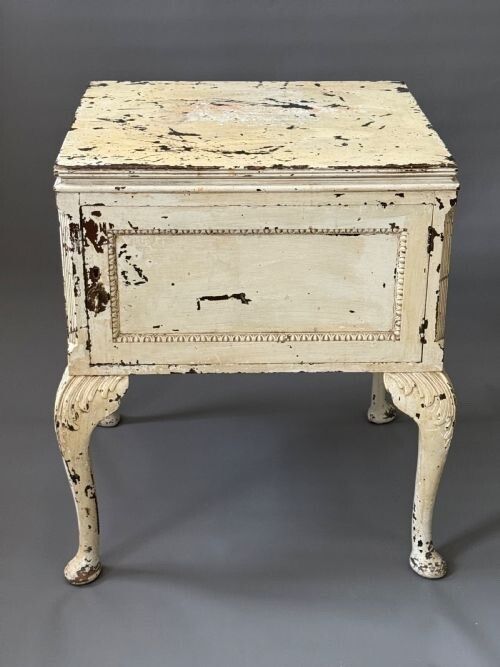
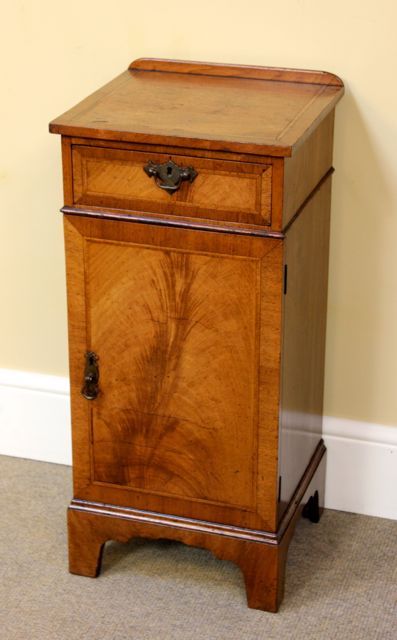
19th Century Pedestal Cupboard
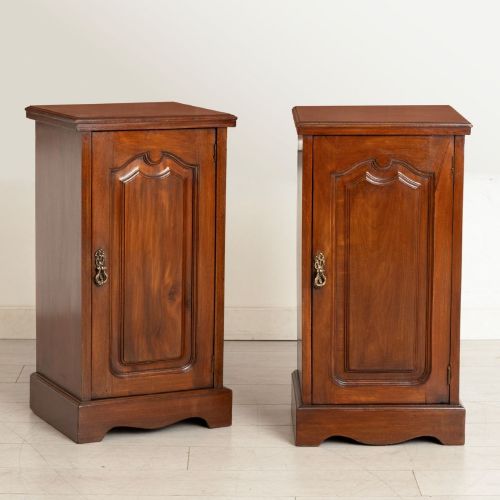
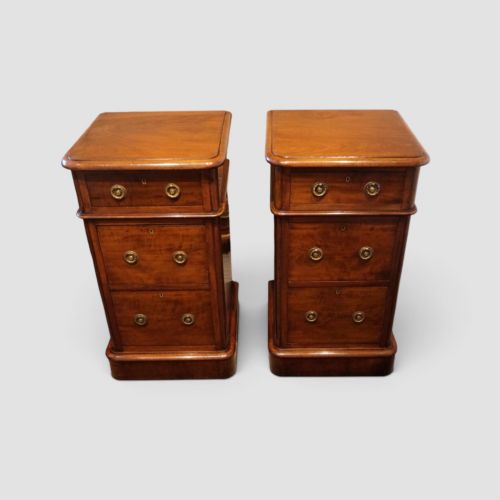
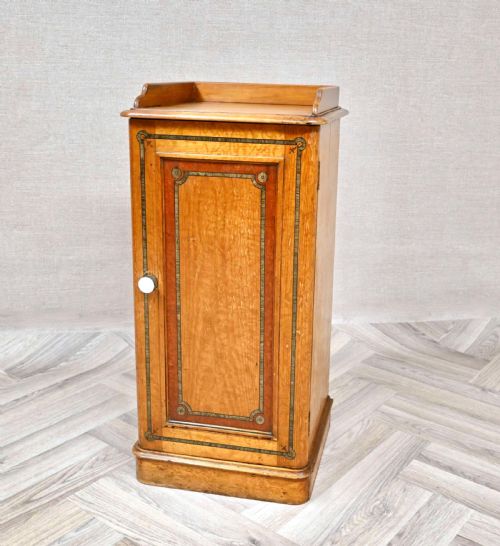
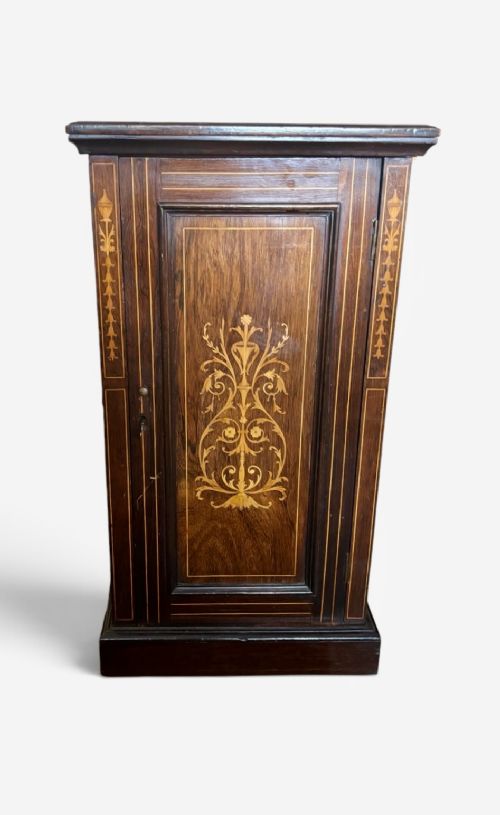
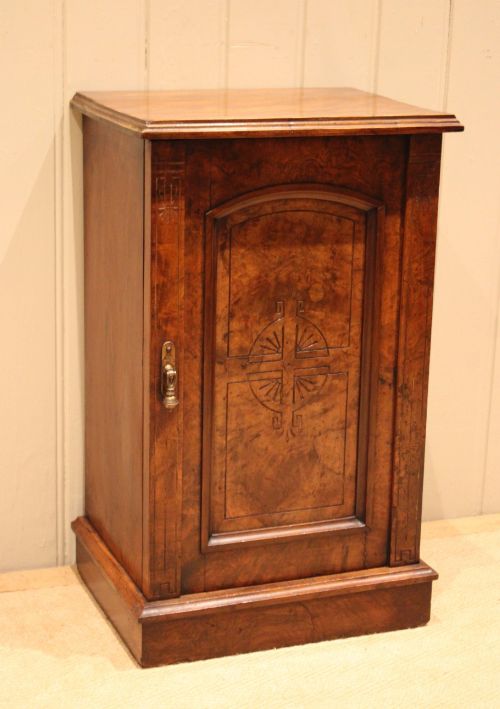
A 19th century pedestal cupboard is a singular piece of utility, mostly found here as a mahogany or burr walnut bedside companion.
19th Century Pedestal Cupboard
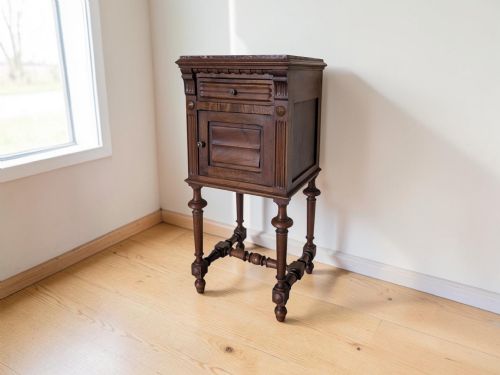
A 19th century pedestal cupboard serves primarily as a bedside cabinet, pot cupboard or nightstand, constructed on a vertical single-column or cabinet footprint designed to sit discreetly beside a bed or chair. When searching this phrase, buyers encounter numerous compact Victorian examples alongside Regency and William IV pieces, frequently rendered in solid mahogany or figured burr walnut.
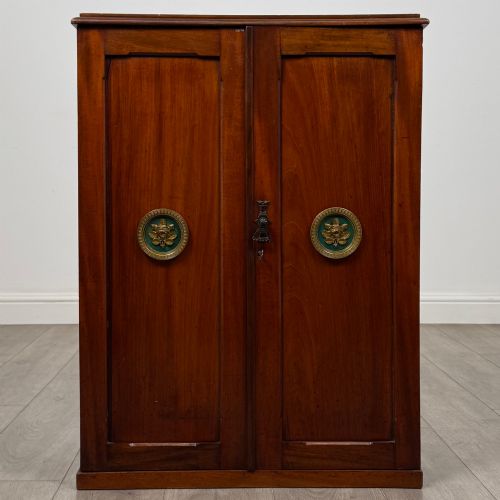
Beyond the standard bedside formats, the evidence shows these pedestal forms appearing as specialised items such as plate-warmers, narrow cabinets, and small side cupboards. Many examples date from the Victorian decades, particularly the 1870s and 1890s, though earlier Georgian and Regency roots emerge in simpler mahogany and rosewood designs.
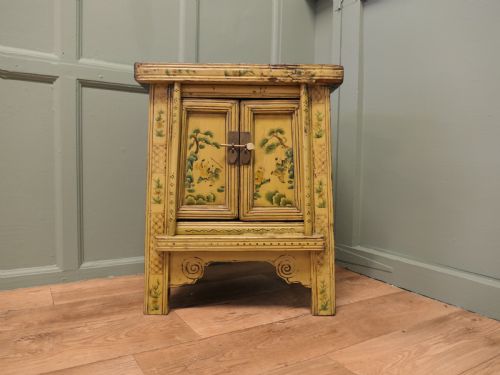
The practical function remains consistent across these forms, offering a concealed internal shelf or drawer space topped by a flat surface for a lamp or chamber candlestick. Whether finished with satinwood inlay, marble tops, or painted Chinoiserie decoration, each piece balances domestic storage with nineteenth-century proportion.
How They Were Made
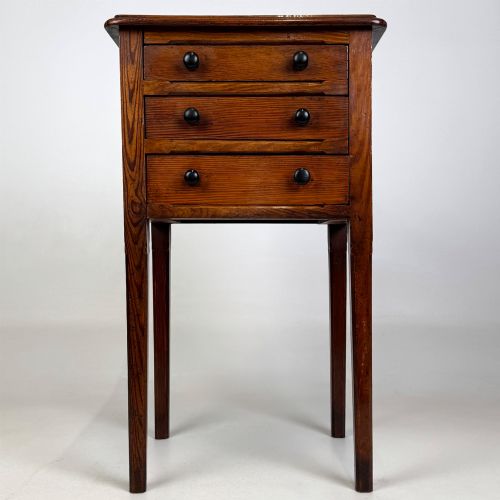
Cabinet makers of the nineteenth century relied heavily on timbers like mahogany, walnut, and burr walnut, often applying finely figured veneers over secondary woods to create rich surface movement. Pitch pine and standard oak appear in utilitarian or regional pieces, while inlaid satinwood and applied brass details punctuate more decorative examples.
Construction techniques combine traditional dovetailing for internal drawers with sturdy carcass framing to support heavy marble tops or paneled cupboard doors. Polishing was typically achieved through repeated shellac application, building a durable gloss that highlights the natural grain of the timber.
Listings demonstrate that mahogany and burr walnut dominate the materials used for these nineteenth-century bedside cabinets.
What Varies in Quality
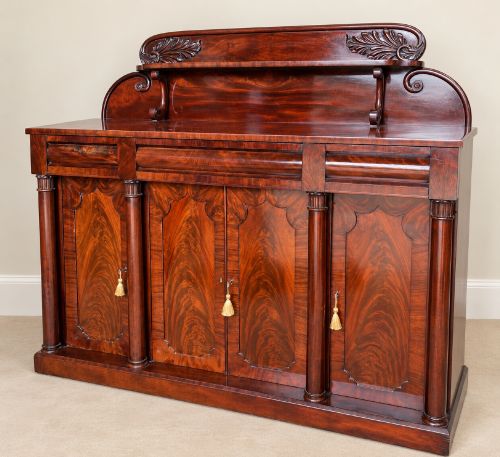
The refinement of timber selection dictates much of the distinction, separating standard utility pieces from those utilising heavily figured burr walnut or carefully matched flame mahogany veneers. Superior examples display meticulous attention to grain direction across door panels and drawer fronts.
Joinery execution and hardware integration define the upper tier, seen in the seamless operation of heavy doors and drawers, alongside original brass handles, hinges, and occasional marble insertions. Lesser pieces rely on simpler pine carcases and heavier, unrefined mouldings.
Gillows·Holland & Sons·Johnstone & Jeanes
The 19th Century Pedestal Cupboard Glossary
- Pot cupboard
- A small bedside cabinet originally designed to house a chamber pot behind a single door. These pieces often feature an enclosed upper section and a lower shelf.
- Burr walnut
- A prized timber veneer taken from the knotted growths of walnut trees. It yields a swirling, highly decorative grain pattern found on finer Victorian cabinets.
- Plate-warmer
- A specialised pedestal cabinet equipped with internal metal racks and vents. They were used in dining rooms to keep serving dishes warm near the fire.
- Chinoiserie
- A decorative style employing imitation of Chinese artistic motifs. Applied to nineteenth-century furniture through painted lacquer scenes on cream or dark backgrounds.
19th Century Pedestal Cupboard: Frequently Asked Questions
What is a pedestal cupboard used for?
These pieces were built to store bedroom essentials or dining accessories within a compact, vertical footprint.
Today, they serve well as bedside tables or small lamp stands in modern interiors.
How do I date a 19th century cupboard?
Dating relies on observing timber choices, construction methods, and prevailing decorative styles across the Victorian and Regency periods.
Key indicators include the transition from dense solid mahogany to figured burr walnut veneers later in the century.
Are these cupboards usually found in pairs?
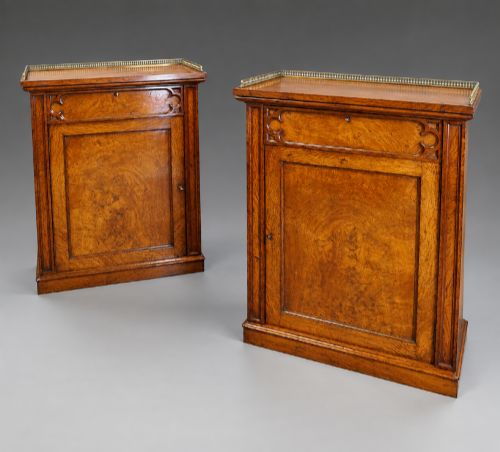
Many bedside cabinets and pot cupboards survive as matched pairs intended to flank a nineteenth-century bed frame.
Single pieces are equally common, originating from smaller rooms or standalone domestic settings.
What woods were used for these cabinets?
Mahogany remains the dominant timber across the nineteenth century, supported by substantial use of walnut and burr walnut.
Pine, oak, and rosewood appear less frequently in specific regional or decorative contexts.