




Victorian Walnut Storage Pedestal
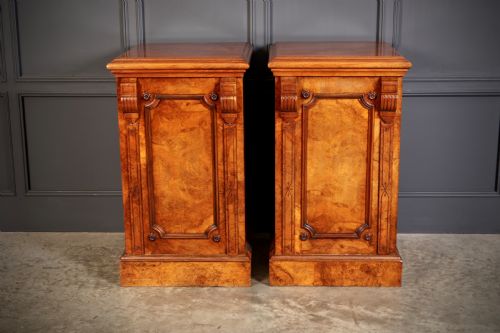
A victorian walnut storage pedestal brings dense timber and clever compartments to a bedside or parlour, offering the kind of closed storage collectors hunt for.
Victorian Walnut Storage Pedestal
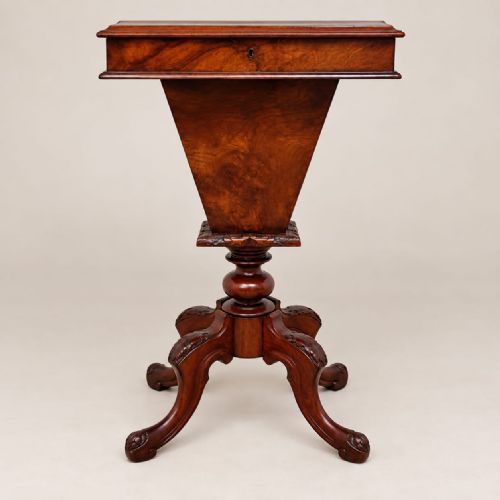
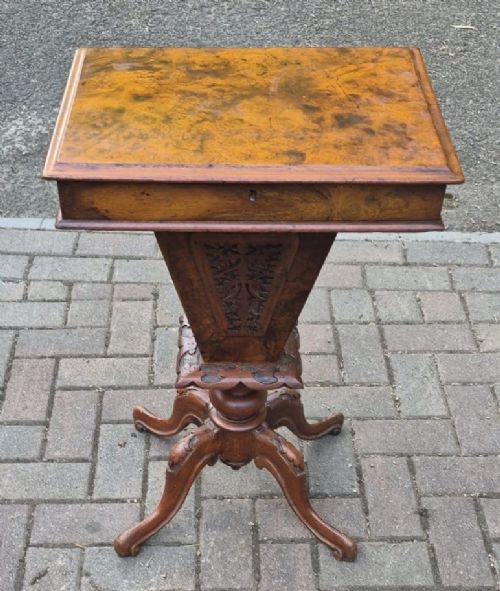
When you search for a victorian walnut storage pedestal, you find compact cabinets, bedside cupboards, work tables, and collectors chests dating across the nineteenth century. These forms were made to keep personal items, sewing gear, and small treasures out of sight while adding dark timber presence to a room.
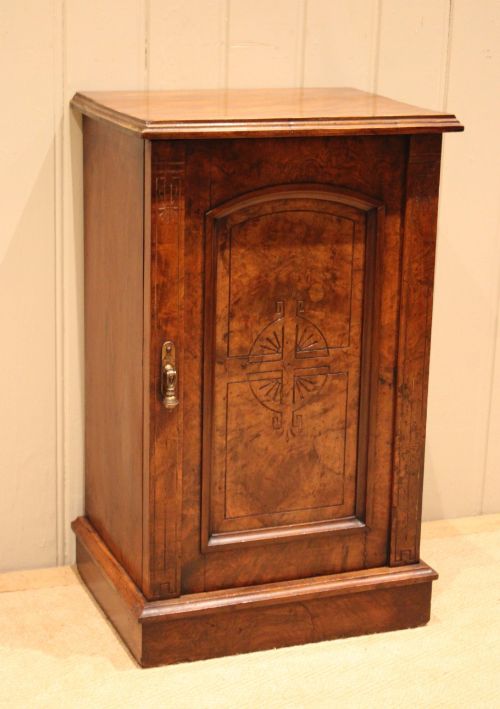
The version you meet most often on this page is the bedside cabinet or pedestal cupboard, frequently found in pairs and standing on a recessed plinth or small feet. Alongside these, work tables and small chests offer compartmentalised interiors beneath hinged lids or stacked drawers.
Originating largely in the Victorian period, these items draw on styles from the 1860s through to 1900, including Renaissance Revival details and marquetry inlay. Walnut remains the defining material across every form, giving each piece a rich, dark grain.
How they were made
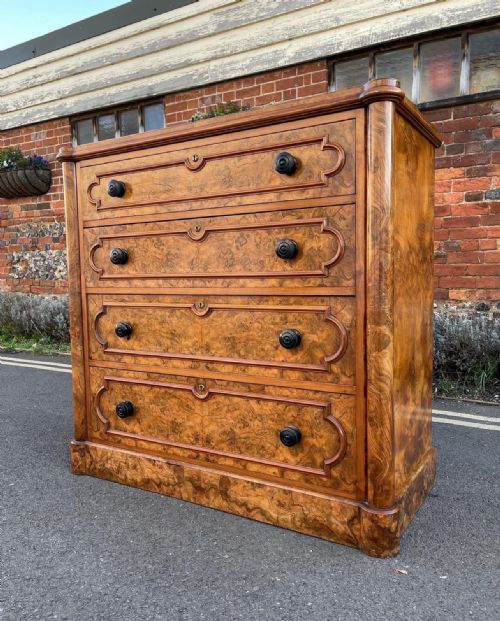
Cabinet makers utilised solid pine for internal carcases and drawer linings, applying figured or burr walnut veneers to the exterior surfaces to catch the light. These veneers were sliced thin and laid in patterns that made the most of the natural timber grain.
Brass handles, hinges, and occasional metal mounts provide functional contrast to the warm brown wood, while ebony stringing and marquetry inlay decorate the surfaces of side cabinets and sewing tables. Carved elements add relief to the edges of table tops and door panels.
Victorian Walnut Storage Pedestal Retail Price Guide 2026
Typical asking prices for victorian walnut storage pedestal among the pieces listed under this phrase on Sellingantiques today, from the lower quarter to the upper quarter. They describe what is for sale here now, not the wider market.
Listings span the latter half of the nineteenth century, running from the 1860s through to 1900, with walnut as the sole primary timber.
What varies in quality
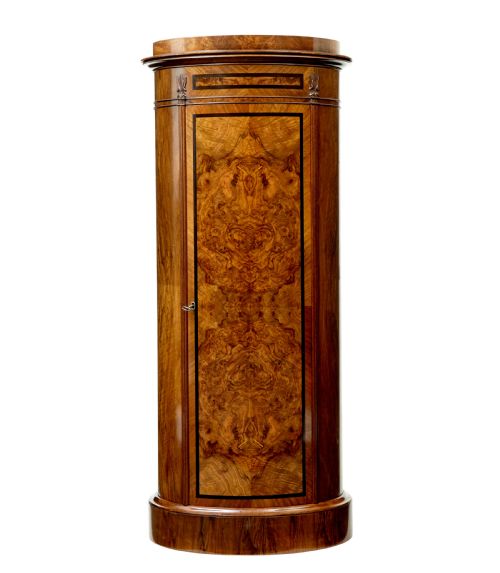
The division between standard examples and the finest work lies in the choice of veneer and the crispness of the secondary timbers like satin birch. Figured and burr walnut selections display intricate, swirling patterns that elevate a simple bedside cupboard into a cabinet of note.
Joinery detail and the survival of original brass hardware and internal partitions dictate the standing of a piece. Well-matched pairs and items retaining fitted sewing compartments show the hand of a more accomplished workshop.
The Victorian Walnut Storage Pedestal Glossary
- Burr walnut
- A veneer taken from the warted growths on walnut trees, showing highly twisted and knotted grain patterns. It was favoured for high-status Victorian cabinet fronts and table tops.
- Marquetry inlay
- The art of applying pieces of veneer to a structure to form decorative patterns or pictures. On these pieces, it often appears on side cabinets in contrasting timbers.
- Tea poy
- A small pedestal table fitted with internal caddies for storing tea leaves. Victorian examples often feature lidded compartments above a tapered column.
- Satin birch
- A pale, lustrous hardwood used for internal drawer construction and contrasting details. It provides a bright interior when you open a walnut chest.
- Renaissance Revival
- A nineteenth-century design style drawing on sixteenth-century motifs. It brings heavier carved relief and architectural lines to Victorian furniture.
Victorian Walnut Storage Pedestal: Frequently Asked Questions
What rooms suit a pedestal cabinet?
These compact cupboards fit readily beside a bed or sofa where surface space is needed for a lamp. Their enclosed storage keeps small items tidy.
They also serve as lamp stands in hallways or corners, adding dark timber tone without dominating the floor space.
How do I spot burr walnut?
Burr walnut shows a distinctive swirling, spotted grain pattern created by growths on the tree. It looks entirely different from straight-grained timber.
Cabinet makers used these figured veneers on the most visible surfaces, such as door fronts and table lids, to create dramatic visual movement.
What is a tea poy used for?
A tea poy was originally built to store dry tea leaves away from damp air in the main rooms of a house. The hinged top opens to reveal small internal compartments or caddies.
Today, the same lidded compartment works well for holding sewing supplies, trinkets, or modern odds and ends.
Are these cabinets found in pairs?
Bedside cabinets and smaller side cupboards occasionally turn up as matched pairs intended to flank a bed or fireplace. These sets command strong interest from collectors.
Single pieces appear just as often, serving as standalone accent tables in tighter spaces.