
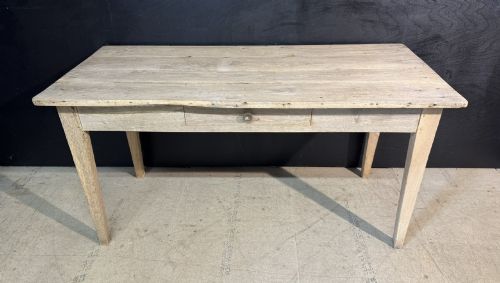
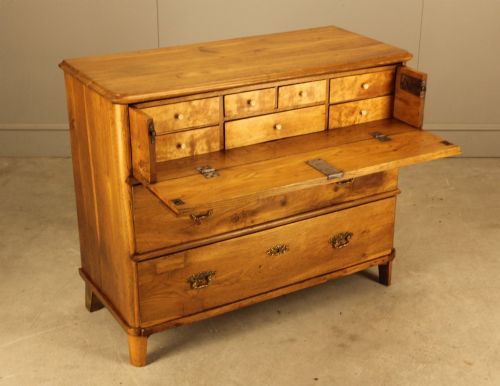
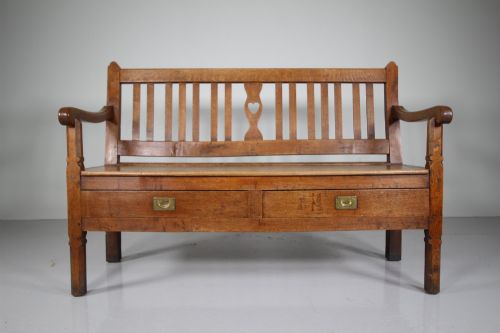
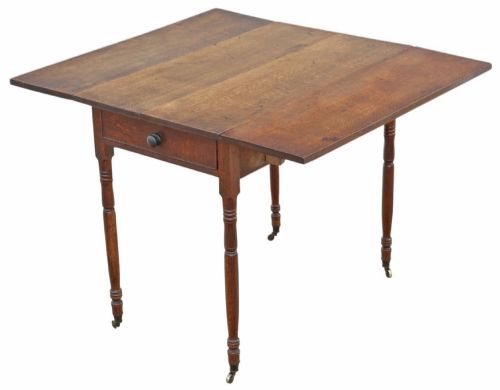

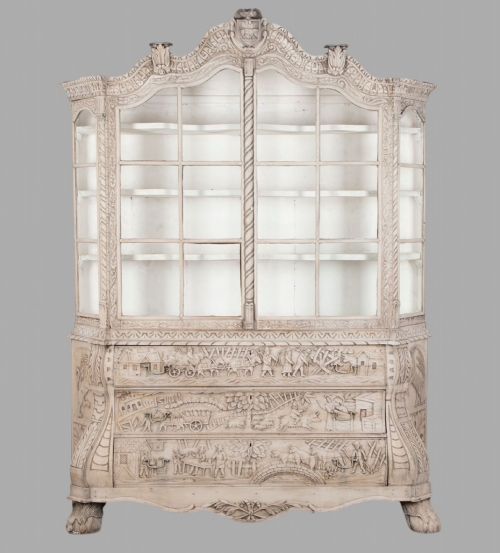
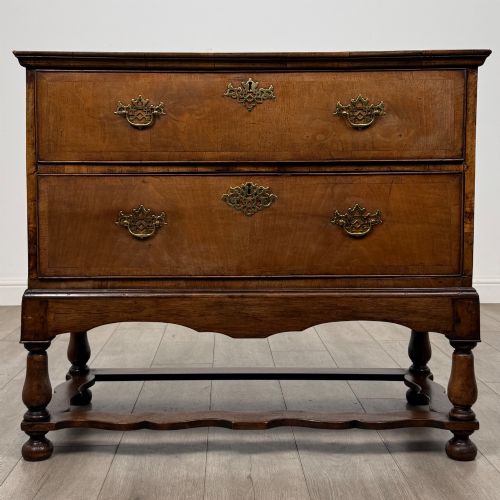
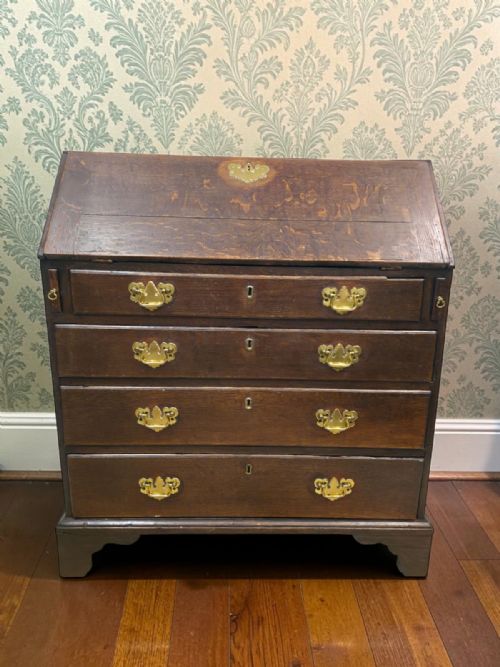
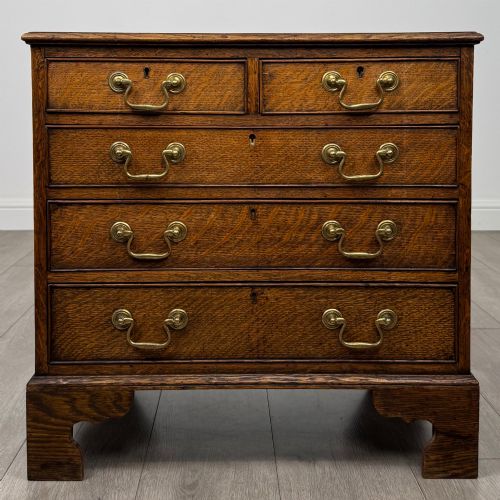
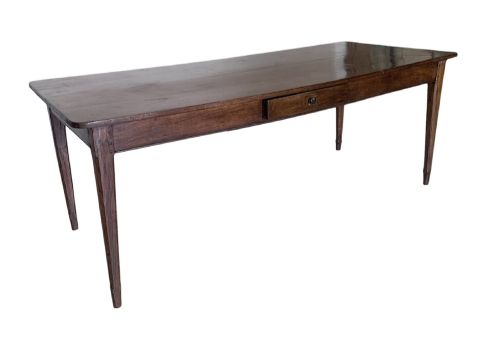
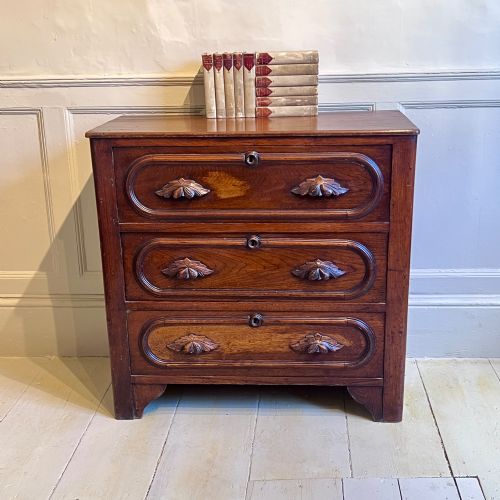
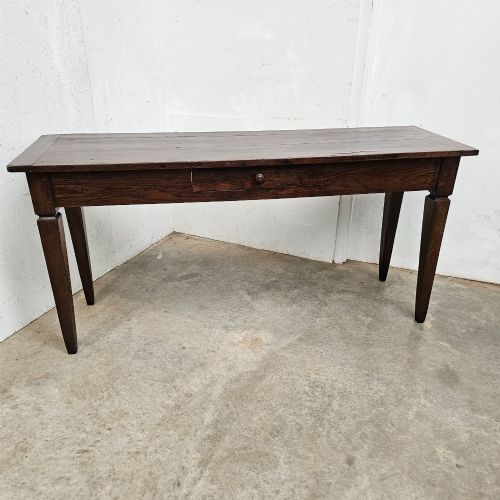
19th Century Oak Drawers
Solid timber storage defined by honest proportions, 19th century oak drawers bring enduring utility and rich grain to any interior.
19th Century Oak Drawers
When searching for 19th century oak drawers, collectors encounter robust case furniture spanning regional British workshops, French provincial kitchens, and commercial cabinet makers. The pieces range from modest three-drawer bedroom chests to tall Wellington chests and substantial linen presses.
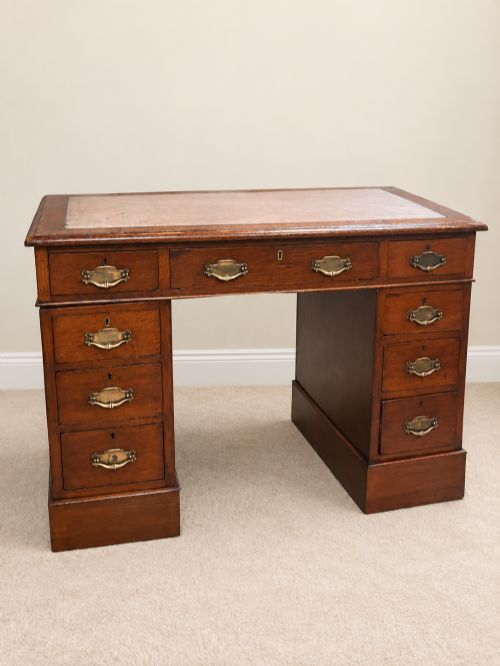
Victorian examples and earlier Georgian items dominate the selection, often displaying regional characteristics such as Welsh country proportions or French farmhouse influences. Beyond standard chests, similar storage appears integrated into pedestal desks, writing bureaux, and dresser bases.
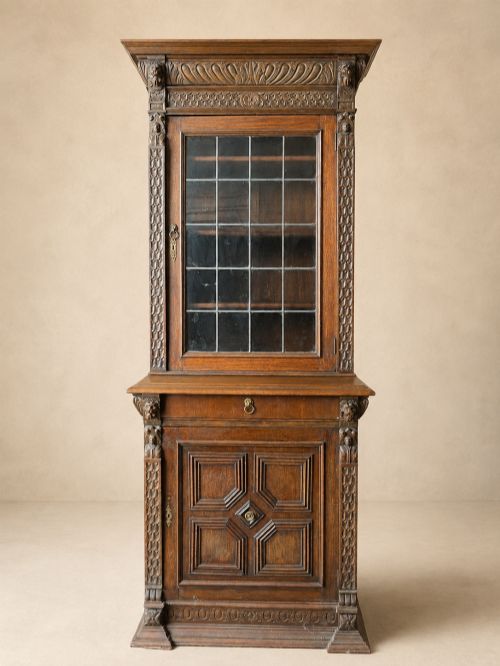
The aesthetic vocabulary stretches from austere country pieces to elaborate carved Victorian Gothic Revival and Arts and Crafts models. Buyers frequently find smaller diminutive versions alongside large scaled storage units designed for grander chambers.
Materials and Construction
Cabinet makers relied primarily on solid oak supplemented by secondary woods like pine and chestnut for drawer linings and internal framing. Walnut and burr walnut crossbanding frequently appeared on decorative drawer fronts during the early decades of the century.
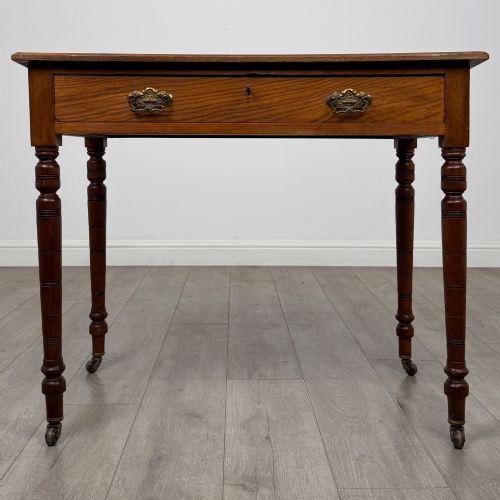
Brass handles, escutcheons, and drop pulls provided functional hardware, while leather inserts appeared on associated desk writing surfaces. Surface treatments ranged from scrubbed natural timber and dark wax finishes to painted scumble decoration imitating finer grains.
Joinery methods prioritized structural durability, utilising dovetailed drawer construction and robust panelled frames to withstand generations of daily domestic service.
Clever secret drawers hidden within upper cornices offered Victorian owners a discreet spot for keeping private ledger books and small valuables.
Gradations of Excellence
Superior examples distinguish themselves through the selection of timber, where tightly figured grain and uniform quarter-sawn boards elevate the visual impact of the piece. Lesser items might utilise plain, heavily knotted planks with less cohesive matching across the drawer tiers.
The refinement of the hardware and secondary details separates standard utility furniture from high workshop output. Original brass fittings, well-executed hand-cut dovetails, and secondary timber choices such as pollard oak indicate careful manufacturing standards.
Proportion and scale heavily influence desirability, with diminutive or narrow proportions commanding greater appreciation among collectors than standard heavy proportions.
Heals of London·Edwards and Roberts·Blyth and Son
The 19th Century Oak Drawers Glossary
- Wellington chest
- A tall, slender chest of drawers secured by a locking hinged side pilaster that fastens all drawers simultaneously.
- Dovetail
- An interlocking joint formed by wedge-shaped fingers, widely utilised to join drawer corners with maximum tensile strength.
- Scumble
- A decorative paint technique applied over a base coat to simulate the appearance of figured oak wood grain.
- Linen press
- A tall piece of furniture combining upper sliding shelves or cupboards for textiles with lower storage drawers.
- Crossbanding
- A decorative border of veneer laid around the perimeter of a drawer front with the grain running perpendicular to the centre panel.
19th Century Oak Drawers: Frequently Asked Questions
How do I date a chest?
Dating relies on examining construction methods, timber choices, and hardware styles across the piece. Early examples often feature hand-cut dovetails and solid timber backs, whereas later Victorian iterations incorporate machine-sawn components.
Hardware placement and lock designs also provide chronological clues. Original brass pulls and escutcheons typically match the prevailing aesthetic of the manufacture period.
Are these pieces solid oak?
Most items utilise solid oak for primary external surfaces, drawer fronts, and frames. Secondary timbers such as pine or chestnut frequently appear on internal drawer bases and back panels.
Cabinet makers of the era reserved the dense hardwood for visible areas while employing lighter or cheaper woods for concealed structural elements.
How should I care for the surface?
Maintaining antique timber requires regular dusting with a soft, dry cloth to prevent particulate buildup. Applying a quality beeswax occasionally nourishes the grain and preserves the historic finish.
Keep pieces away from direct heat sources and strong sunlight to prevent timber shrinkage and finish degradation.
What is a Wellington chest?
A Wellington chest is a tall, narrow storage unit traditionally containing seven drawers secured by a vertical locking flap on one side. This architectural locking mechanism kept sensitive documents or valuables secure.
The slender proportions made them suitable for smaller bedchambers where floor space remained at a premium.