
Oak Wooden Dresser
An oak wooden dresser is a robust storage piece built to anchor a room, uniting utility with centuries of traditional craftsmanship.
Oak Wooden Dresser
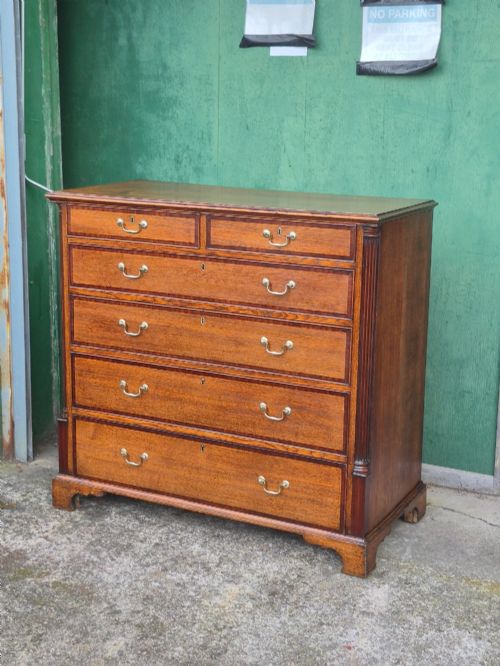
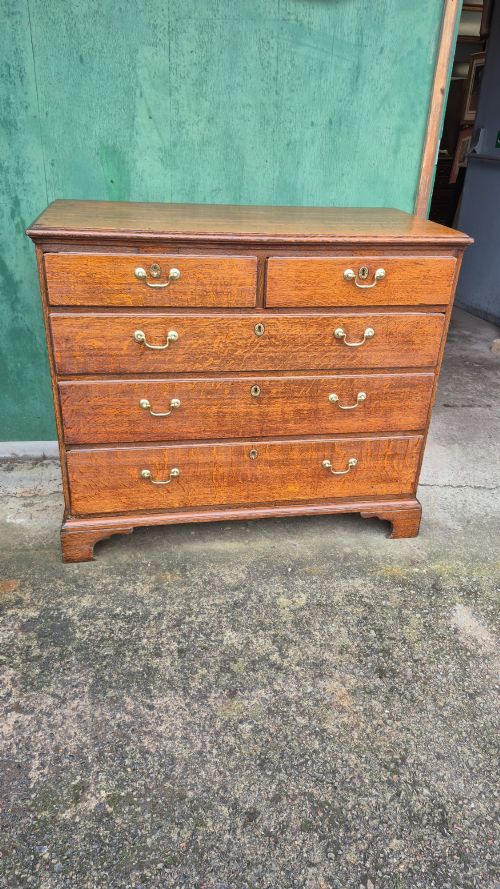
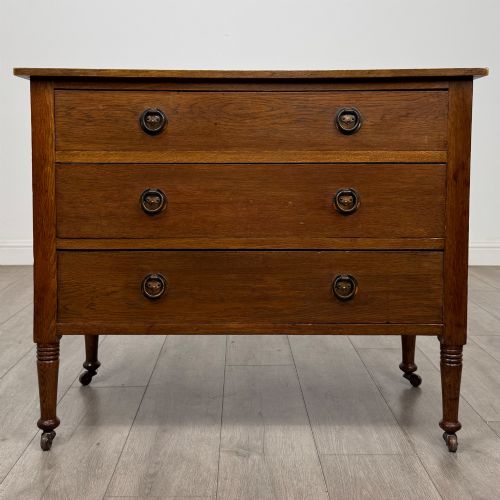
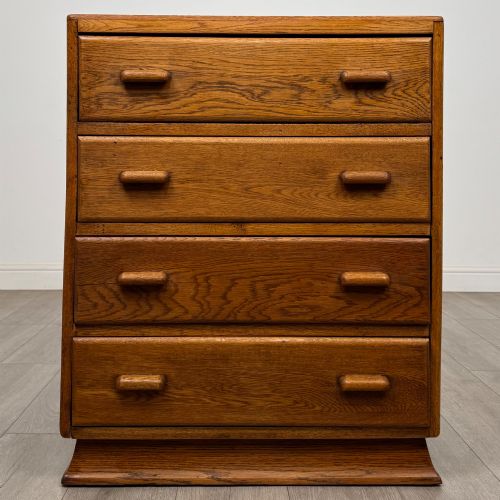
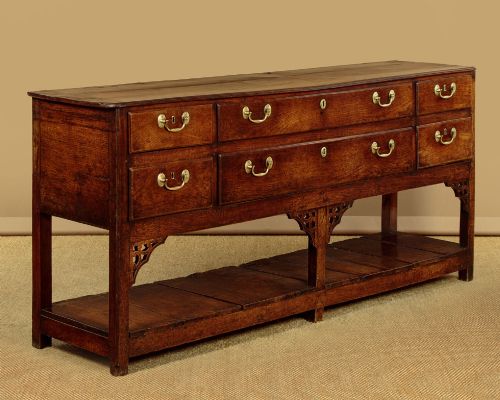
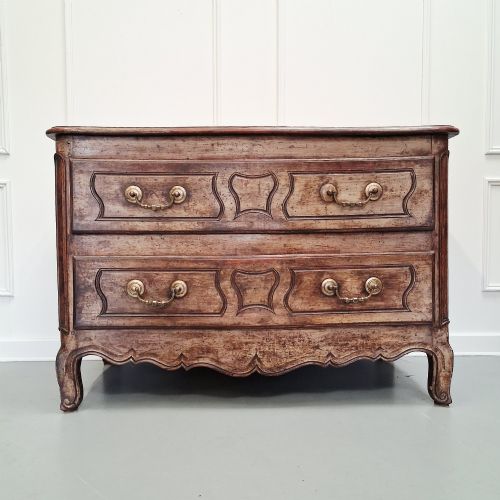
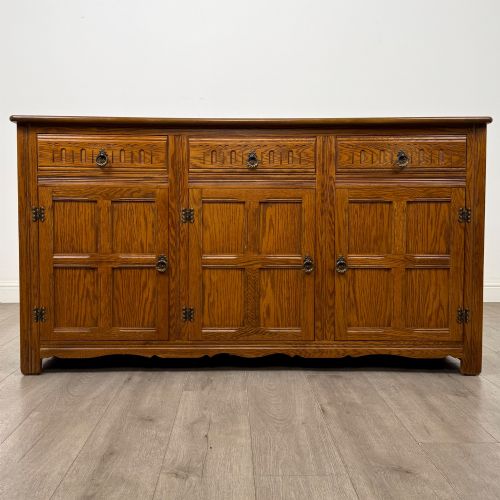
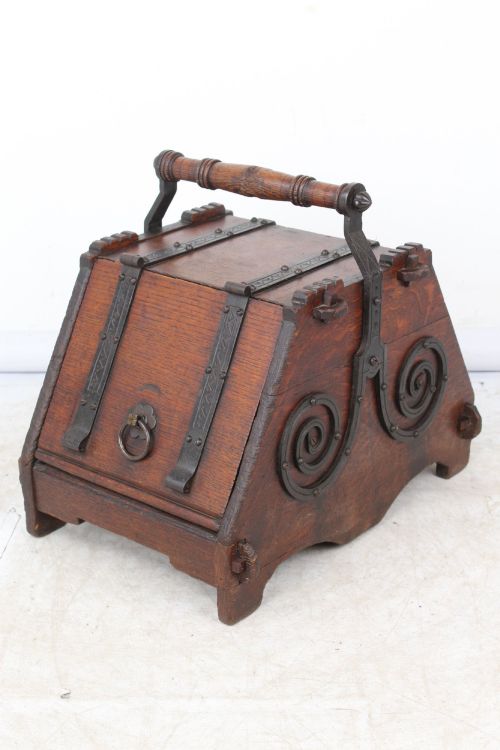
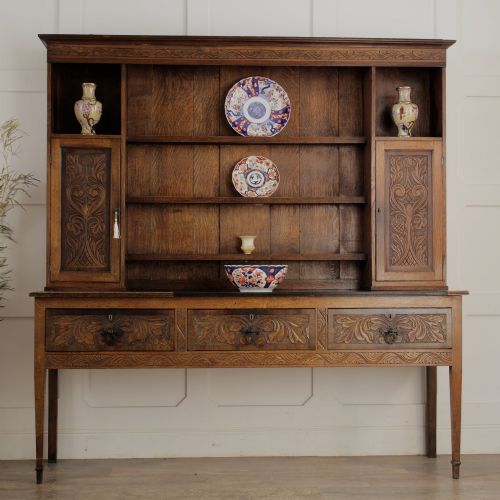
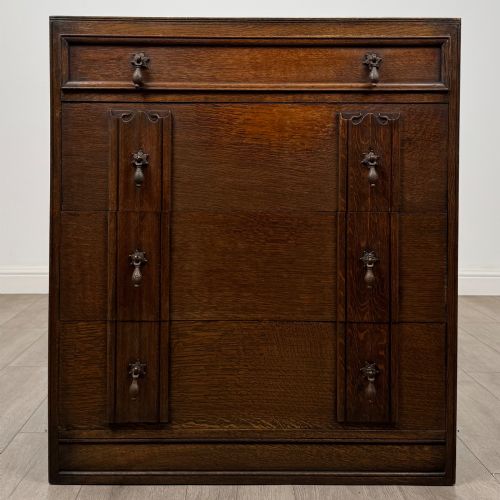
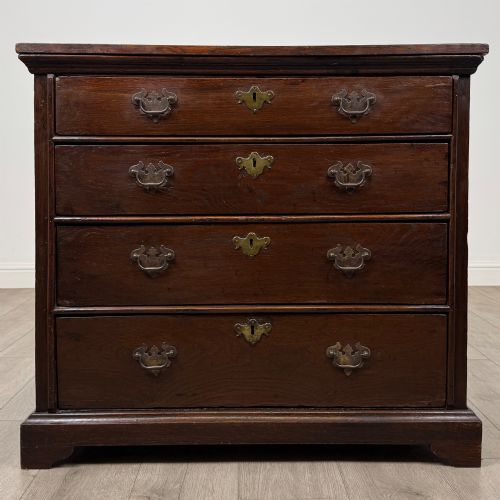
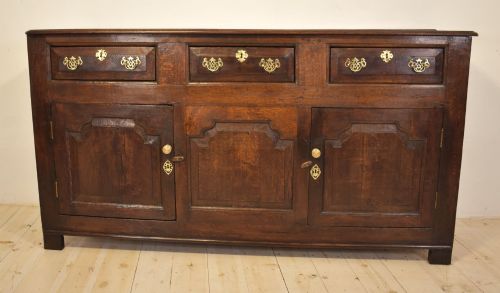
When you search for an oak wooden dresser, you encounter heavy functional furniture spanning several centuries from the eighteenth to the twentieth. The selections range from straightforward Edwardian cupboards and chests to eighteenth-century potboard dresser bases and plate racks.
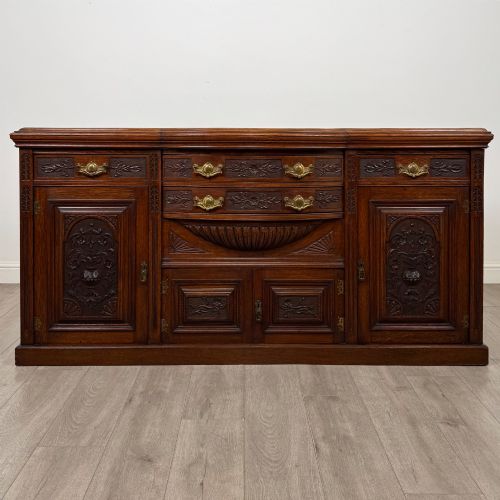
You are most likely to meet sturdy Georgian and Edwardian examples on this page, alongside regional items featuring carved details or geometric mouldings. These pieces serve primarily as functional storage for dining rooms and living spaces, incorporating drawers, cupboards, and plate racks.
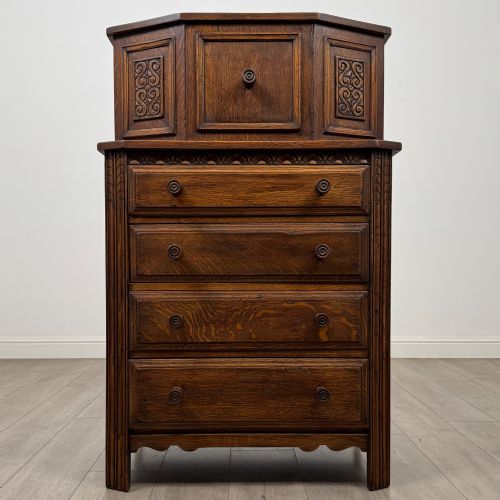
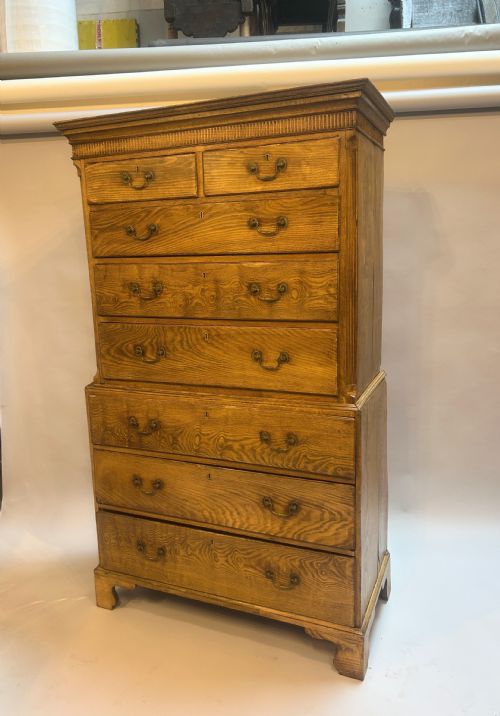
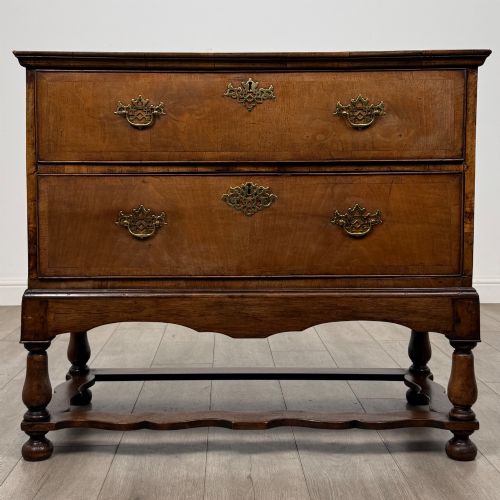
The objects grouped under this search span distinct forms, including tallboys, court cupboards, and low dresser bases. Each type reflects the domestic storage needs of its respective period, utilising native timber for enduring strength.
What varies in quality
Quality rests in the integrity of the timber selection and the precision of the joinery rather than surface ornamentation alone. Superior examples display tightly figured grain, stable board construction, and original brass or iron hardware that suits the period.
The sophistication of the carving and moulding defines the upper tier of the range, separating utilitarian items from ambitious workshop commissions. Proportion and balance also determine value, as smaller or unusually well-proportioned formats demonstrate greater design success.
Listings incorporate oak and walnut timbers alongside brass, iron, and glass across Georgian, Victorian, and Edwardian periods.
The Oak Wooden Dresser Glossary
- Potboard dresser base
- An open lower framework featuring a boarded shelf near the floor designed for storing pots and heavy kitchen utensils. This traditional configuration evolved in seventeenth and eighteenth-century domestic kitchens.
- Plate rack
- A wall-mounted or integrated shelving superstructure fitted with vertical slats or grooves to display delftware and ceramic plates safely. They frequently accompany eighteenth-century dresser bases.
- Geometric moulded
- A decorative front treatment utilising applied raised mouldings in geometric patterns such as rectangles and octagons. This technique is characteristic of seventeenth and early eighteenth-century joinery.
- Linenfold
- A carved wood panel motif resembling folded drapery or linen fabric. This style appears frequently on Edwardian revival cupboards and chests.
- Court cupboard
- A heavy enclosed storage piece featuring an upper cabinet recessed above a lower cupboard or base. They represent substantial forms from the Georgian and earlier periods.
Oak Wooden Dresser: Frequently Asked Questions
What is a potboard dresser?
A potboard dresser is a base unit featuring an open lower shelf intended for heavy kitchenware.
This open lower tier distinguishes it from enclosed cupboards and sideboards of later periods.
How do I date an oak dresser?
Dating relies on examining construction techniques, joinery marks, hardware types, and overall stylistic details.
Earlier eighteenth-century pieces display hand-cut joinery and pegged frames, while Edwardian items utilise later machinery methods and standard fixings.
Are plate racks original to dressers?
Plate racks are often matched to dresser bases from the same period, though many were constructed as separate wall units.
Examining the timber patina and fixing points helps determine whether the rack and base have a shared history.
Where should I place an oak dresser?
These pieces suit dining rooms, kitchens, and hallways where their substantial storage capacity and display shelves function best.
Keep them away from direct heat sources and strong sunlight to protect the timber surface and prevent splitting.