




19th Century Micro Mosaic
These tiny glass pieces of 19th century micro mosaic capture architectural views and natural motifs in minute detail, offering a tangible connection to the Grand Tour.
19th Century Micro Mosaic
A 19th century micro mosaic brings together miniature glass tesserae to form detailed pictorial scenes, ranging from classical architectural landmarks to domestic birds and floral patterns. Buyers search for these pieces to acquire portable works of art that capture the spirit of European travel and domestic Victorian craftsmanship.
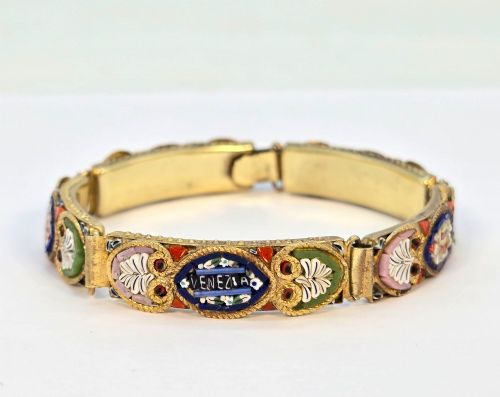
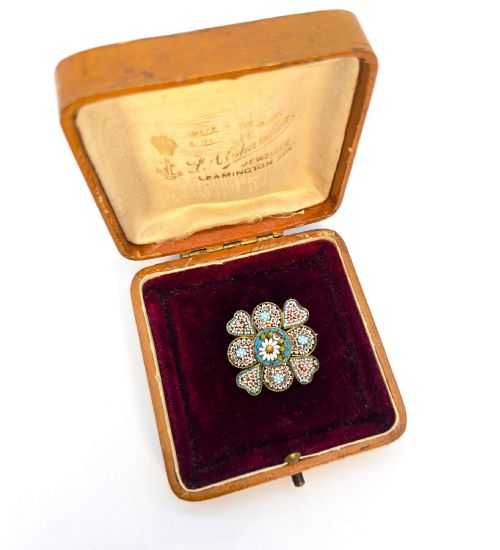
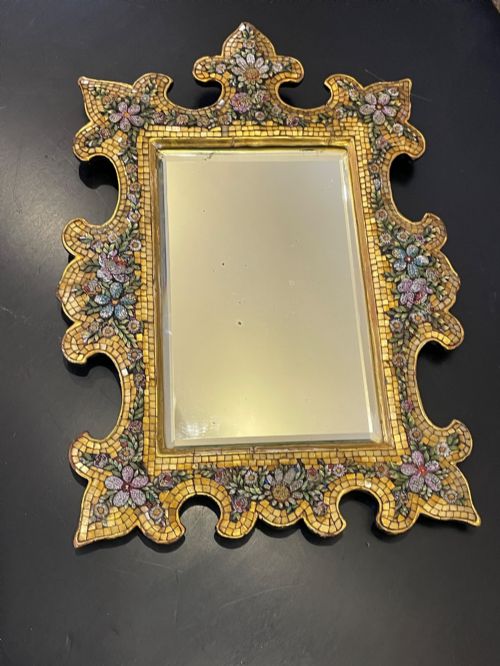
The objects take diverse forms across the evidence, appearing most frequently as personal jewellery such as brooches, necklaces, and bracelets, alongside decorative items including plaques, picture frames, and desk weights. Boxes intended for tea, trinkets, or games also utilise mosaic techniques.
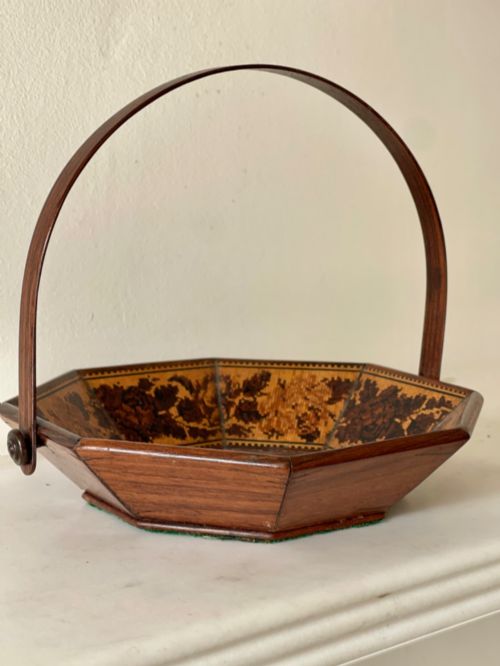
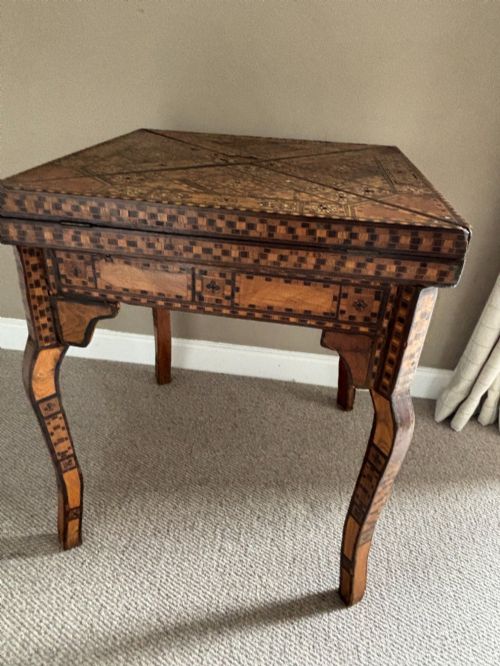
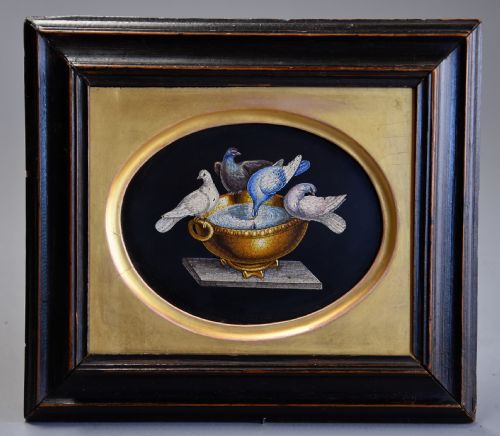
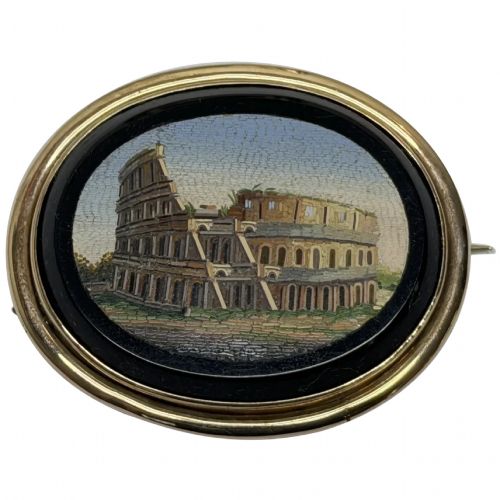
Italian examples, particularly associated with Rome and Venice, often depict specific tourist subjects like the Colosseum or the Doves of Pliny, while English Tunbridge Ware and Anglo-Indian Sadeli work apply similar geometric or pictorial mosaic principles to wooden boxes and frames.
Materials and construction methods
The creation of a micro mosaic relies on pulled glass threads, known as filati, which are sliced into tiny sections called tesserae and set tightly into a matrix of mastic or wax upon a secure base of metal, stone, or wood.
Support materials vary according to the object type, with gilt metal, brass, and marble underpinning Italian souvenirs, while walnut, rosewood, boxwood, and bone form the structural bodies of English Tunbridge Ware and Anglo-Indian boxes.
19th Century Micro Mosaic Retail Price Guide 2026
Typical asking prices for 19th century micro mosaic among the pieces listed under this phrase on Sellingantiques today, from the lower quarter to the upper quarter. They describe what is for sale here now, not the wider market.
Listings combine Italian glass tesserae works with English Tunbridge Ware wood mosaics and Anglo-Indian Sadeli boxes.
Factors that distinguish quality
The fineness of the finished work depends primarily on the density and microscopic scale of the glass tesserae, where smaller individual elements allow for greater shading, perspective, and detail in the pictorial subject.
The choice of surrounding mount or container contributes significantly to the overall merit of a piece, distinguishing mass souvenir production from works housed in gilt metal frames, marble bases, or intricately turned wooden boxes.
Henry Hollamby·G Roccheggiani
The 19th Century Micro Mosaic Glossary
- Tessera
- The individual small block of stone, glass, or other material used in the creation of a mosaic. In micro mosaic work, these glass elements are exceptionally small.
- Grand Tour
- A traditional trip of Europe undertaken by upper-class European young men of sufficient means. Souvenirs from these journeys form a distinct category of 19th-century decorative art.
- Tunbridge Ware
- A type of decorative woodwork characteristic of Kent, England, featuring intricate mosaic patterns made from many different natural woods. It often incorporates pictorial panels.
- Ormolu
- Gilded bronze used as a decorative mount for furniture, clocks, and boxes. It provides a bright metallic frame for mosaic plaques and mirrors.
- Cartouche
- An oval or oblong sculptural frame or design with a slightly convex surface, frequently seen in the shape of marble desk weights and plaques.
19th Century Micro Mosaic: Frequently Asked Questions
What subjects do these mosaics show?
The pictorial subjects span classical Roman architecture, Venetian landmarks, Italian landscapes, and natural studies such as doves and floral arrangements. These designs mirror the popular sights visited by travellers during the nineteenth century.
Religious buildings, ancient ruins, and picturesque squares appear repeatedly across plaques, frames, and jewellery pieces, serving as permanent records of foreign travel.
How do Italian and English pieces differ?
Italian examples typically feature microscopic glass tesserae assembled into pictorial scenes set within metal mounts, marble, or stone desk weights. They focus heavily on classical ruins and souvenir views of Rome and Venice.
English Tunbridge Ware and Anglo-Indian Sadeli boxes utilise contrasting natural woods and materials like bone to create geometric or pictorial surface patterns, relying on carpentry rather than glasswork.
Where should I display my mosaic?
These items require stable indoor environments away from direct sunlight and excessive humidity, which can affect the holding matrix of the glass pieces or warp wooden boxes. Placing smaller items on flat surfaces or hanging wall mirrors securely ensures their safety.
Because many pieces are delicate personal accessories or small desk items, they benefit from dedicated display cases or secure tabletops where they can be handled carefully.