
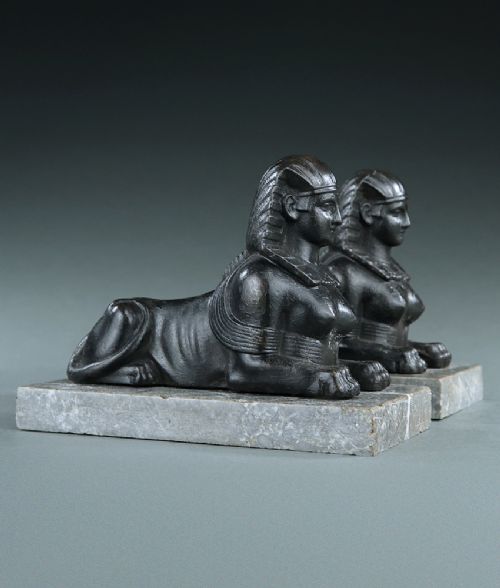


Victorian Marble Paperweight
A victorian marble paperweight brings the heavy ballast of nineteenth-century desk culture directly to your writing surface.
Victorian Marble Paperweight
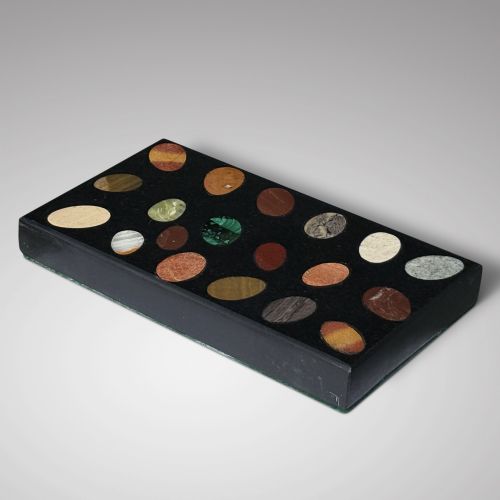
A victorian marble paperweight serves primarily as a heavy, decorative anchor for loose papers, emerging from a period when correspondence demanded serious desktop paraphernalia. These objects range from solid blocks of serpentine and black marble to sophisticated desk pieces adorned with micro-mosaic panels and specimen stones.
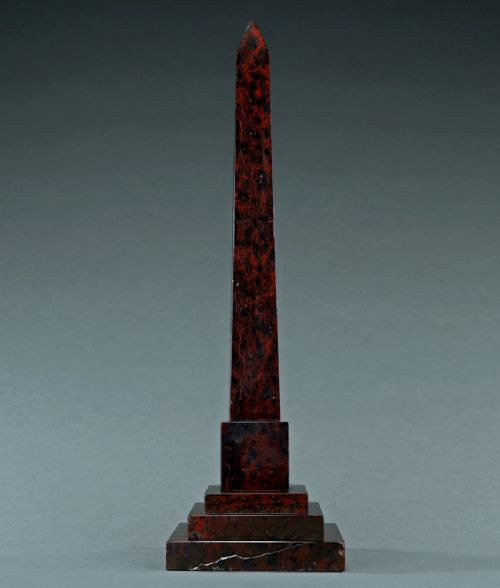
Buyers searching for a victorian marble paperweight most commonly encounter nineteenth-century examples incorporating inlaid semi-precious stones, pietra dura work, or regional British stones like Derbyshire Ashford marble. The forms vary from architectural obelisks to cartouche-shaped blocks and specimen tops designed to display geological variety.
Originating largely as souvenirs from the Grand Tour or domestic desk accessories, these items reflect the Victorian fascination with classical antiquity, mineralogy, and fine stonework. They function equally well today as tactile paperweights or as compact architectural sculptures for the modern interior.
How they were made
The construction of a victorian marble paperweight relies on meticulous cutting, turning, and polishing of dense natural stones, often combining different mineral varieties within a single piece. Makers utilised black marble, red serpentine, and green Connemara marble as a foundation for intricate surface embellishments.
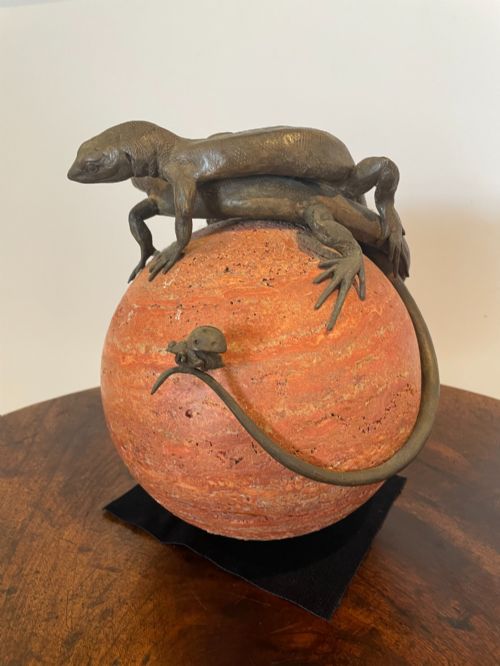
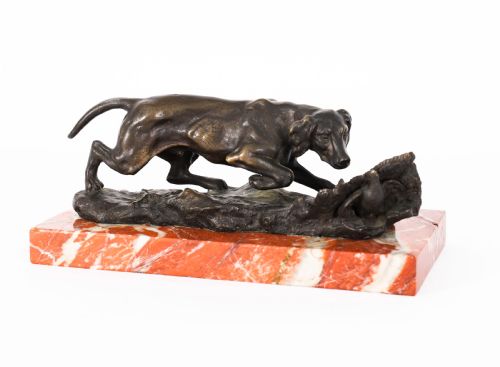
Many examples feature pietra dura or micro-mosaic inlays, where tiny cut sections of semi-precious stones and coloured glass are fitted precisely into a recessed stone base. Some versions incorporate cast bronze or cast iron figural mounts, such as lizards, sphinxes, or hounds, secured directly to the marble substrate.
Listings show nineteenth-century desk pieces utilising black marble, red serpentine, and cast bronze elements.
What varies in quality
The quality of a victorian marble paperweight depends heavily on the precision of the stone-cutting and the complexity of any inlaid work. Finer specimens display tight, seamless joints in pietra dura compositions and superior mineral selection with varied, striking natural figuring.
The artistic merit of associated metalwork also dictates value, where hand-finished patinated bronze sculptures show superior anatomical detail compared to simpler cast iron elements. The depth of polish on the marble surface and the complexity of the overall geometry distinguish utilitarian desk items from high-status Grand Tour souvenirs.
Carl Kauba·Pierre Jules Mene·Griffith and Sons
The Victorian Marble Paperweight Glossary
- Pietra dura
- An Italian technique of inlaying cut and fitted polished coloured stones to create pictorial or geometric designs. It appears frequently on Grand Tour desktop pieces.
- Micro-mosaic
- A method of forming detailed miniature pictures using tiny coloured glass tesserae fused together. This work often centres on the top panel of a cartouche-shaped weight.
- Serpentine
- A group of green silicate minerals resembling jade, commonly polished into obelisks and smooth blocks during the nineteenth century. It provides a distinct mottled texture.
- Grand Tour
- A cultural journey undertaken by wealthy Europeans through France and Italy to collect classical antiquities and souvenirs. Many desk ornaments trace their origins to this tradition.
- Ashford marble
- A compact black limestone from Derbyshire used for inlaid marble work involving local fossils and mineral specimens. It forms the basis for distinct regional obelisks and paperweights.
Victorian Marble Paperweight: Frequently Asked Questions
What is a Victorian marble paperweight made of?
These desk pieces are constructed primarily from dense stones including black marble, red serpentine, and green Connemara marble. Many incorporate inlaid semi-precious stones, micro-mosaic panels, or cast bronze elements.
Makers selected these materials for their weight, visual grain, and ability to take a high polish. Some regional British stones also incorporate local fossils and mineral specimens.
How were these paperweights used?
Victorians placed them on writing desks to secure loose correspondence, letters, and documents against drafts. They served both a practical function and a decorative purpose in the study or library.
Beyond holding paper, they acted as conversation pieces that displayed the owner's taste in mineralogy and travel souvenirs.
What is Grand Tour style?
Grand Tour style refers to decorative objects acquired by travellers visiting classical sites in Italy and Egypt during the nineteenth century. These pieces often mimic ancient architectural forms, such as obelisks and sphinxes.
They rely on materials like patinated bronze, marble, and pietra dura to evoke antiquity. Their design reflects a broad Victorian enthusiasm for classical history and archaeology.
How do I care for a marble paperweight?
Keep the stone clean by dusting it gently with a dry, soft cloth to prevent abrasion to the polished surface. Avoid using harsh chemical cleaners or abrasive sponges that might damage inlaid sections or bronze patination.
Place the piece on a stable desk surface away from edges where it might fall, given its heavy weight. Natural stone benefits from occasional gentle wiping with a damp cloth followed by immediate drying.
How can I tell the age of a paperweight?
Nineteenth-century pieces typically exhibit hand-finished stone surfaces, traditional joinery methods, and specific historical motifs like Egyptian Revival or animalier bronzes. The wear patterns on the underside often show the passage of time on the stone base.
Examining the materials, such as specific regional marbles and older casting techniques for any attached metal figures, helps confirm nineteenth-century production periods.