


19th Century Meissen Ceramic
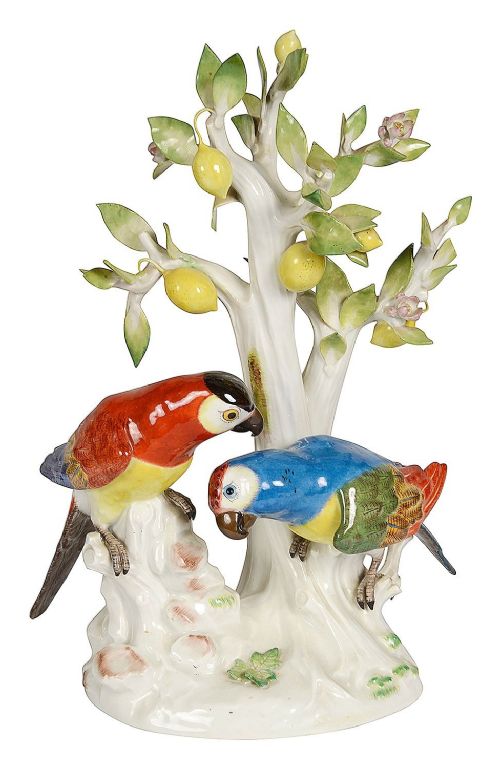
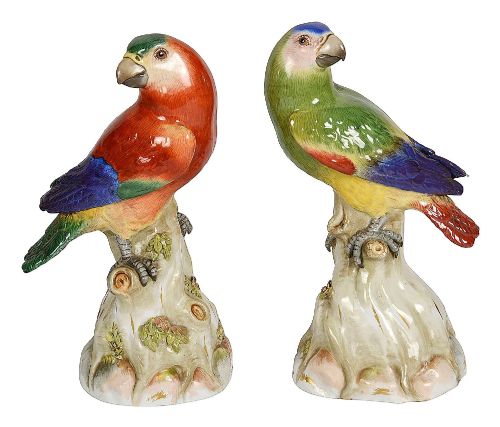
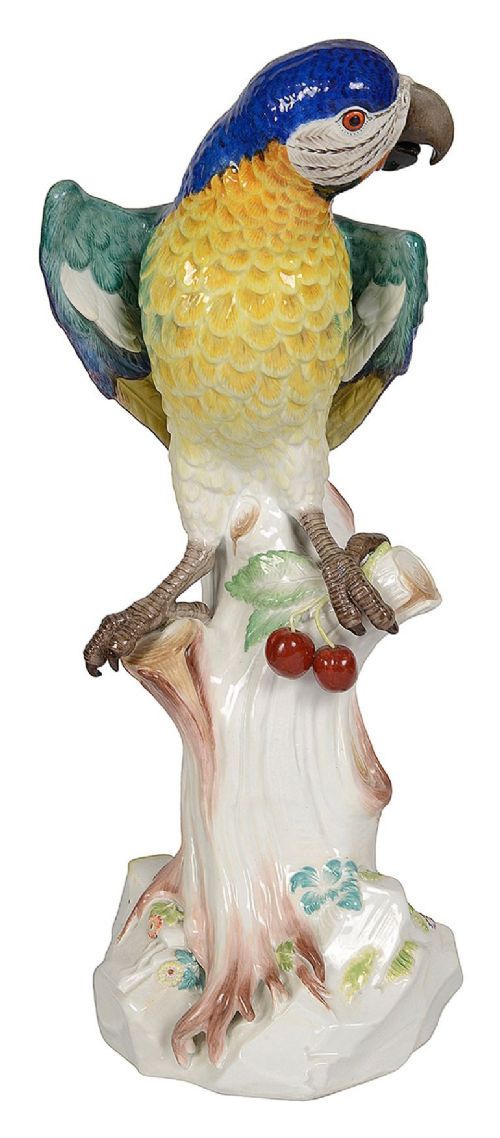
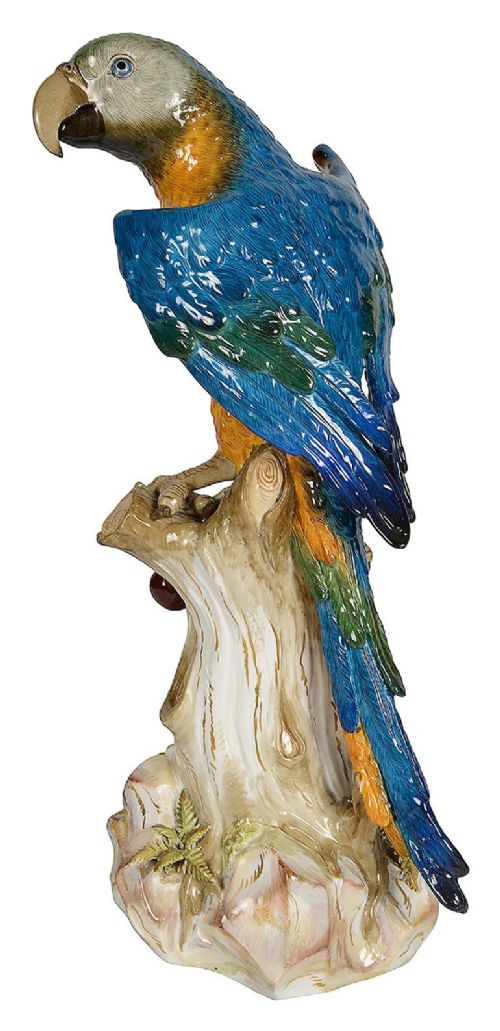
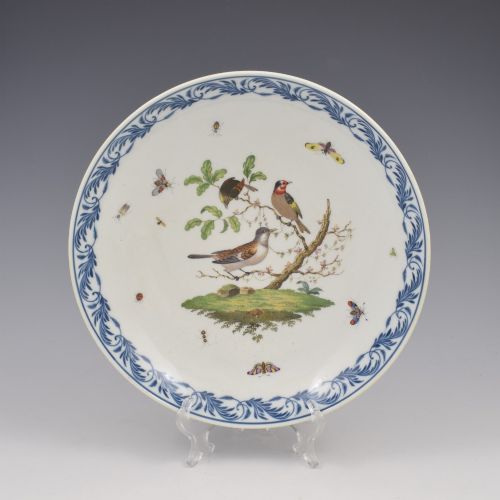
These 19th century meissen ceramic pieces combine hard-paste porcelain and hand-painted enamel detail, bringing sculptural animal figures and painted plates to the room.
19th Century Meissen Ceramic
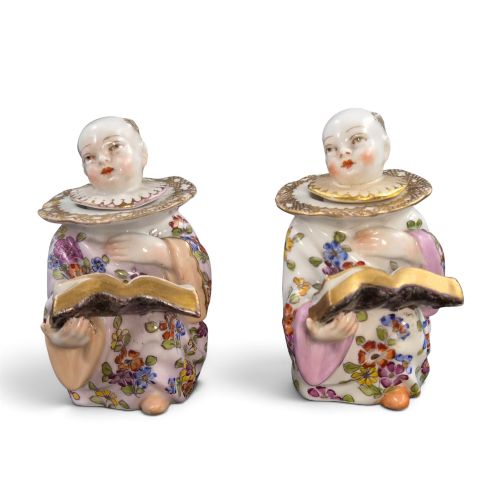
When you search for 19th century meissen ceramic, you encounter a variety of sculptural and decorative forms produced during the eighteen hundreds. The selection spans porcelain figurines depicting birds, children, and mythological groups, alongside functional items such as inkwells, urns, and dessert dishes.
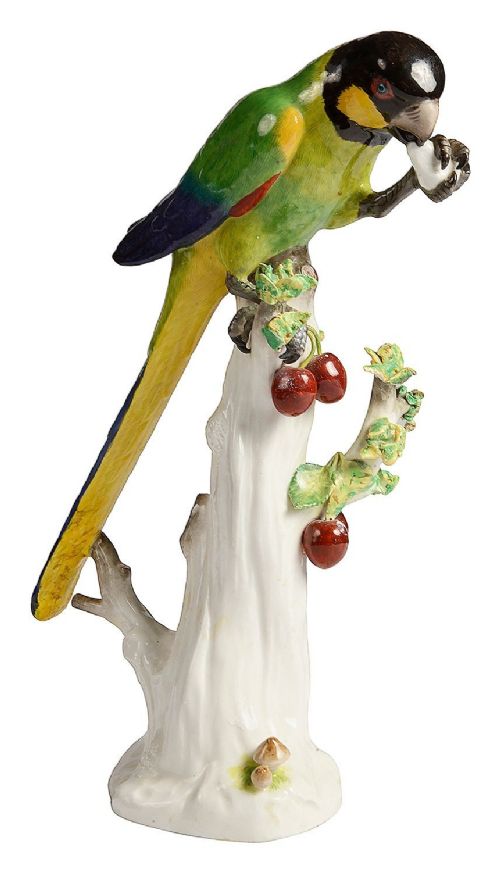
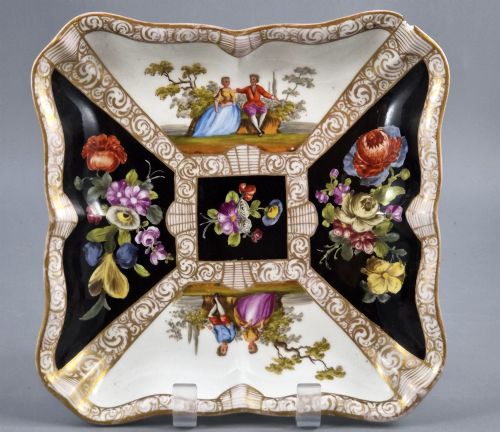
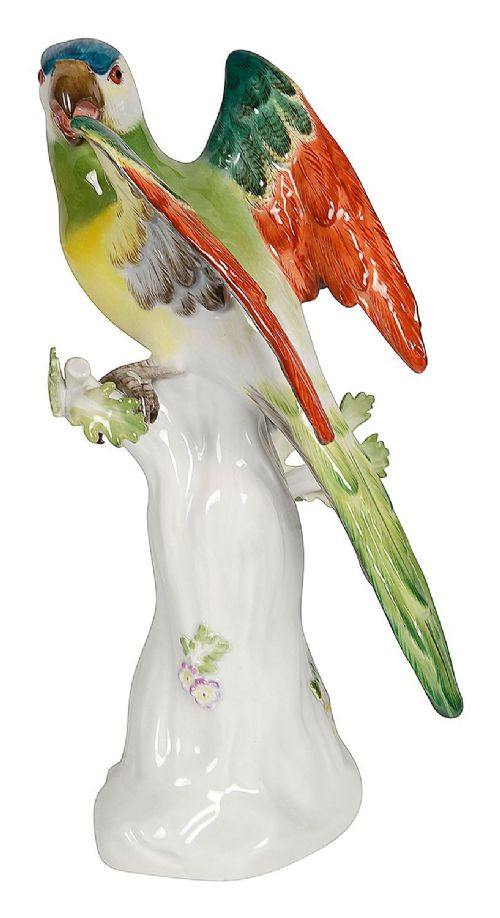
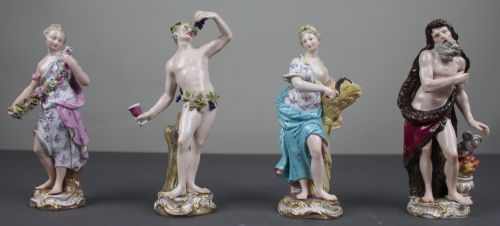
You are most likely to meet bird figures, particularly parrots and hoopoes perched on tree trunks, alongside figural groups illustrating allegorical themes like the four seasons. Plates and dishes adorned with hand-painted birds, insects, and Watteau scenes also appear frequently across the period listings.
How they were made
The objects utilise hard-paste porcelain as a primary body, shaped through moulding and hand-modelling before firing. Artisans then applied underglaze and overglaze enamel pigments by hand to render plumage, botanical details, and figurative scenes.
Gilt, gold leaf, and surface glaze provide the metallic highlights and protective sheen seen on many plates, candelabra, and urns. Some pieces incorporate gilt bronze mounts or reticulated openwork borders alongside the painted porcelain elements.
The listings span the entire nineteenth century, including specific dated items from 1850, 1860, 1870, 1880, 1890, and 1900.
What varies in quality
The precision and delicacy of the hand-painting separate different examples within this group. Finer pieces display meticulously rendered feather patterns on birds and subtle facial expressions on human figures, whereas simpler versions show broader brushwork.
The complexity of the modelling also distinguishes the range. Large sculptural pairs, multi-figure groups, and pierced reticulated plates require advanced technical skill during firing compared to standard moulded dishes.
Edmé Samson·Helena Wolfsohn
The 19th Century Meissen Ceramic Glossary
- Hard-paste porcelain
- A dense, vitrified ceramic material composed of kaolin and petuntse, fired at high temperatures to create a durable, non-porous white body.
- Overglaze enamel
- Coloured glass decoration applied on top of the fired glaze and fixed by a second, lower-temperature firing.
- Reticulated
- Describes an openwork lattice pattern cut into the ceramic body of a plate, bowl, or basket before firing.
- Crossed Swords Mark
- The blue underglaze factory mark utilised by Meissen, derived from the arms of the Elector of Saxony.
- Gilt
- A thin layer of gold applied to the surface of the porcelain or metal mounts to provide metallic embellishment.
19th Century Meissen Ceramic: Frequently Asked Questions
How do I identify a Meissen mark?
Genuine factory pieces typically display the blue crossed swords underglaze mark on the base, though related factories and followers used distinct marks such as the AR cipher.
Examining the style of the mark alongside the quality of the paste and enamel helps differentiate authentic works from later derivative pieces.
How should I display porcelain candelabra?
These pieces function as striking table centrepieces or mantel ornaments when placed on stable, level surfaces away from heavy foot traffic.
Their intricate branching arms and painted details require careful placement to avoid accidental contact.
Were other factories producing similar styles?
Several workshops in Dresden and France produced porcelain items in the established Meissen style during the same period.
Maker marks and baseline painting quality assist in distinguishing these secondary workshops from the primary Saxon factory.