


Antique German Porcelain Sculpture
When you collect antique german porcelain sculpture, you acquire three-dimensional figures shaped from hard-paste clay and finished with painted enamels and glaze.
Antique German Porcelain Sculpture
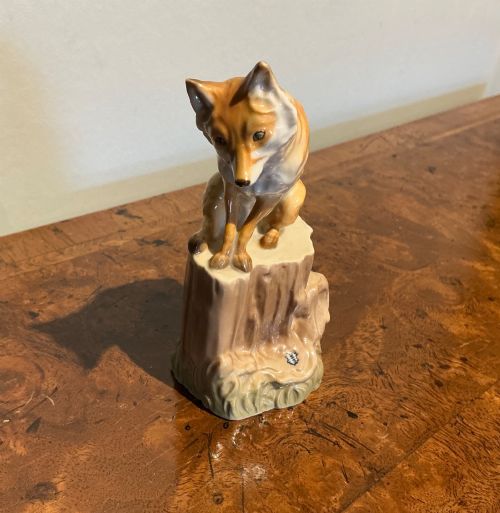
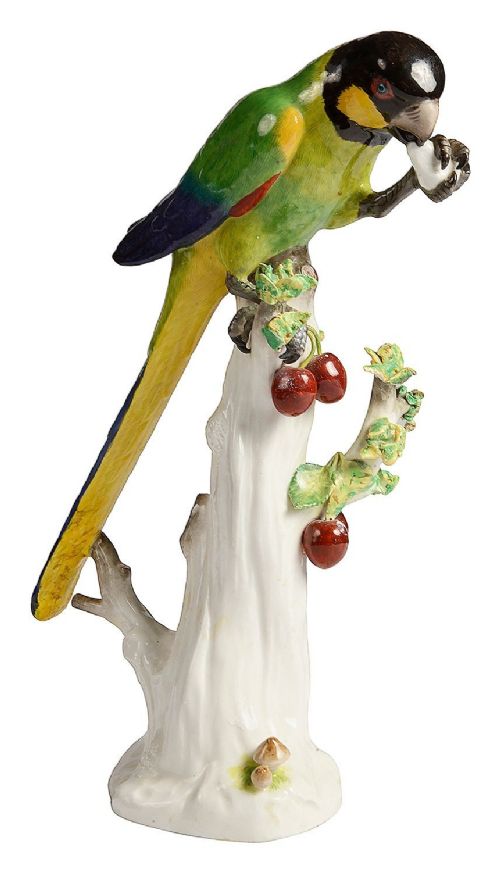
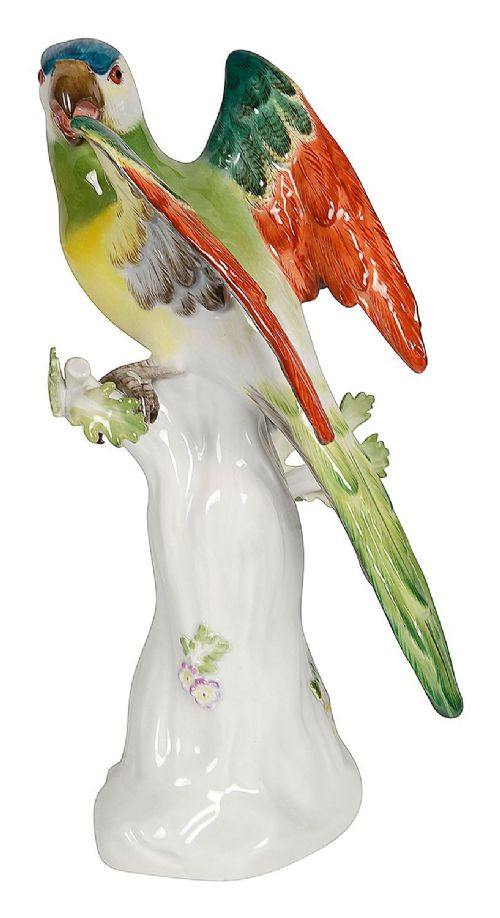
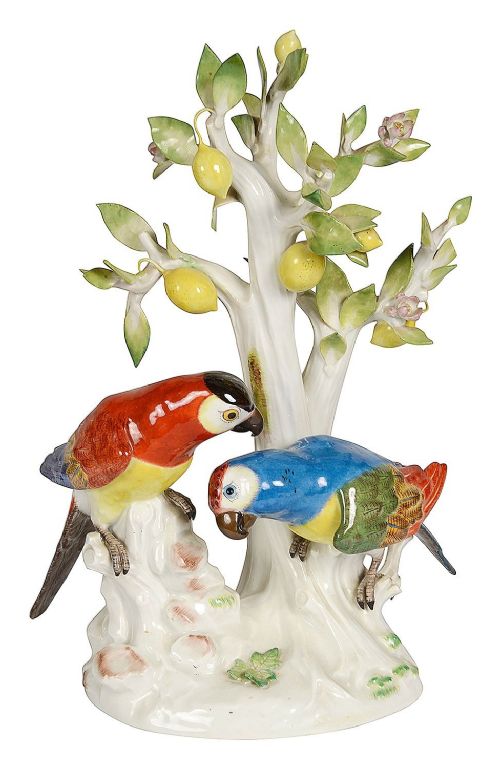
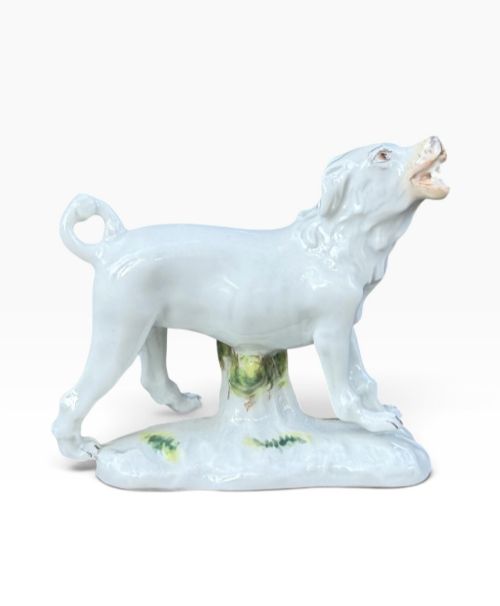
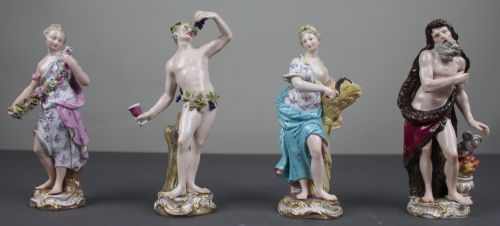
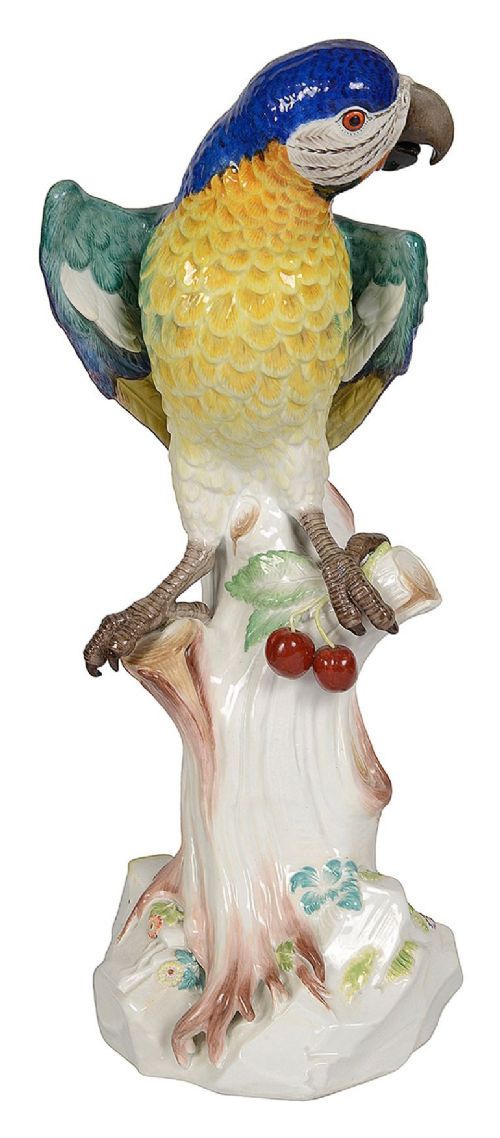
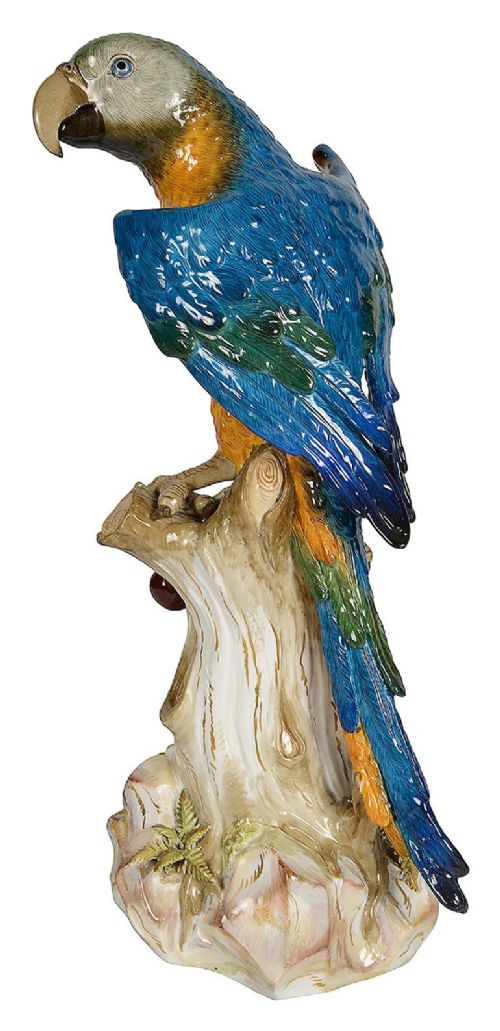
An antique german porcelain sculpture encompasses figural groups, birds, animals, and allegorical subjects produced across several centuries. You will frequently encounter Meissen animals and pastoral figures spanning the eighteenth and nineteenth centuries.
Makers shaped these objects to decorate dining tables, mantelpieces, and cabinet displays. The selection ranges from small single figures to large pairs of birds and complex theatrical groups.
Materials and construction
Potters utilised hard-paste porcelain fired at high temperatures to achieve a dense, durable body. Artisans then applied colourful enamel paints and clear glaze before a final kiln firing.
Some workshops incorporated gold leaf and gilt highlights to accentuate details on garments and bases. Bisque porcelain pieces remained unglazed to display a matte, marble-like finish.
Some nineteenth century artisans modeled intricate porcelain lace by dipping real fabric into liquid clay before firing.
Factors determining quality
The precision of the modelling and the delicacy of the hand-painted enamel work set superior examples apart. Finely detailed feathers, foliage, and facial expressions indicate skilled handwork by master modellers.
The crispness of the porcelain paste and the preservation of applied elements like lace or delicate branches dictate the desirability of a piece.
Meissen·Rosenthal·Volkstedt·Nymphenburg·Fürstenberg·Ludwigsburg·Frankenthal·C G Schierholz·Ernst Bohne Söhne·Triebner Ens And Co·Karl Tutter·Helena Wolfsohn
The Antique German Porcelain Sculpture Glossary
- Hard-paste porcelain
- A dense ceramic material composed of kaolin and petuntse fired at high temperatures. It resists scratching and takes a bright glaze.
- Bisque porcelain
- Un-glazed porcelain fired once to create a matte, porous surface resembling white marble. It highlights sculptural form over surface decoration.
- Enamel
- Vitreous coloured paints applied over the glaze and fired at lower temperatures to fuse with the surface. This technique produces vibrant reds, blues, and greens.
- Gilt
- A thin layer of gold applied to the porcelain surface for decorative highlights. It is often burnished to achieve a bright shine.
- Blanc de Chine
- A French term for white porcelain without coloured glaze. It showcases pure white forms and subtle modelling.
Antique German Porcelain Sculpture: Frequently Asked Questions
How do I identify the maker?
Inspect the base for underglaze blue crossed swords, impressed numbers, or painted factory marks. These symbols correlate with historical production periods.
Compare the mark style and model number against known factory records to confirm the origin and approximate date.
What is hard-paste porcelain?
Hard-paste porcelain is a ceramic composition of kaolin clay and feldspar fired at extremely high temperatures. This creates a vitreous, non-porous body.
It differs from soft-paste by its hardness, resistance to acids, and bright white appearance under the glaze.
Where should I display them?
Place figures in enclosed cabinets away from direct sunlight to protect the enamel colours from fading. Ensure shelves are stable and secure.
Keep pieces away from high traffic areas to prevent accidental knocks against delicate protruding elements like fingers or branches.