

19th Century Mahogany Couch
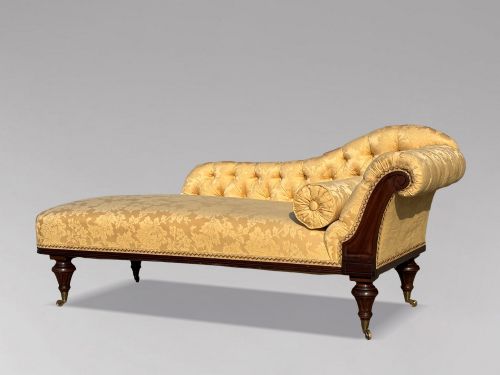
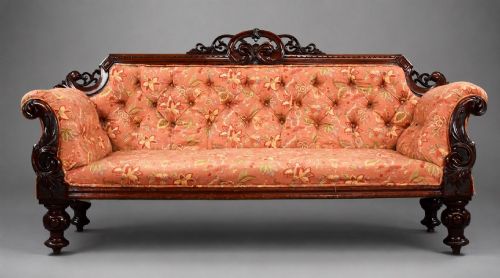
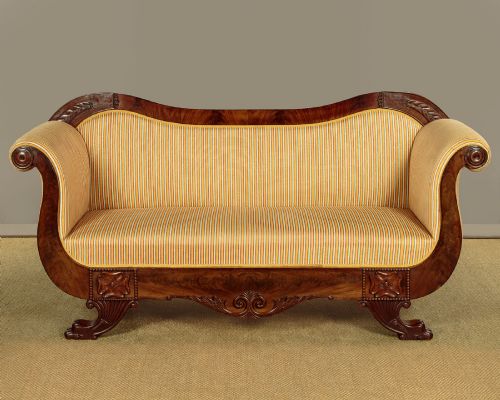
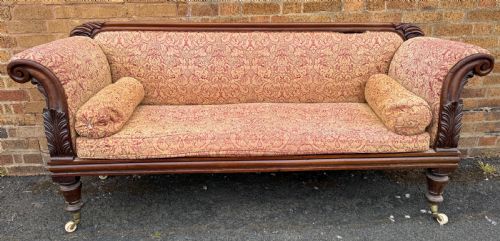
These heavy mahogany frames and sweeping scroll ends offer a sturdy seat, bringing period character and comfortable lounging to a modern room.
19th Century Mahogany Couch
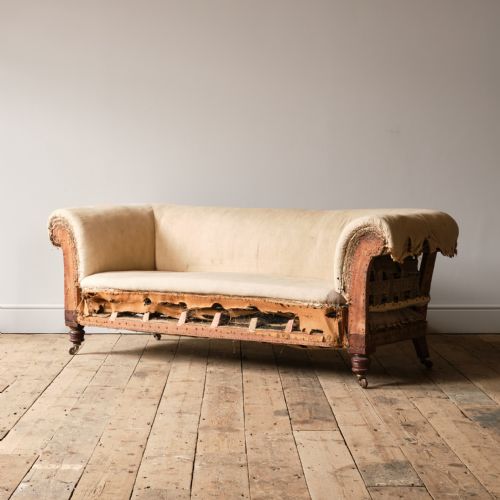
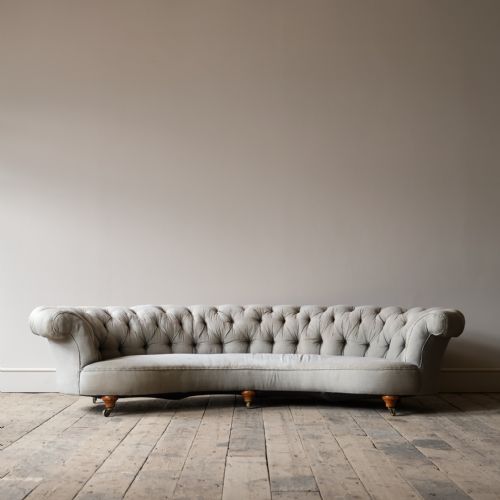
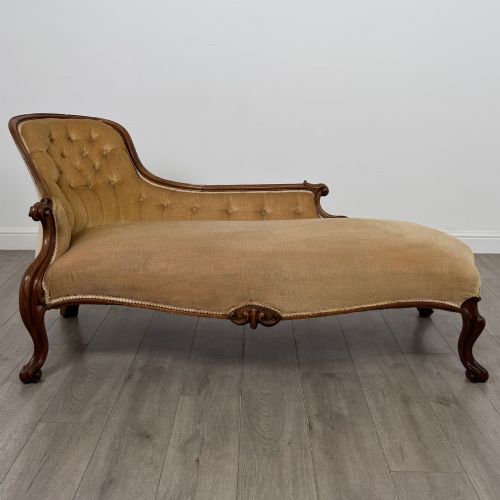
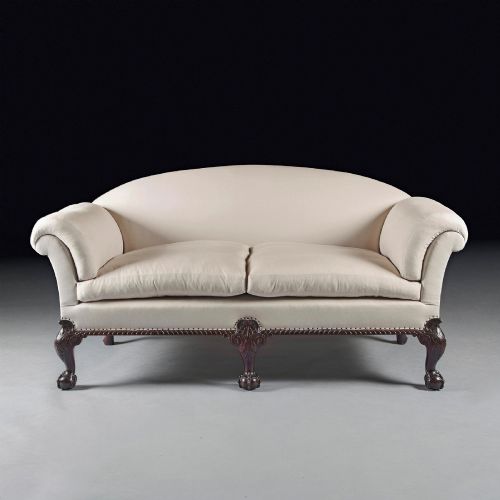
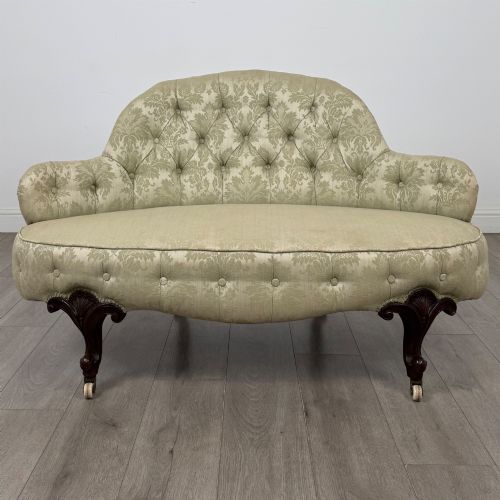
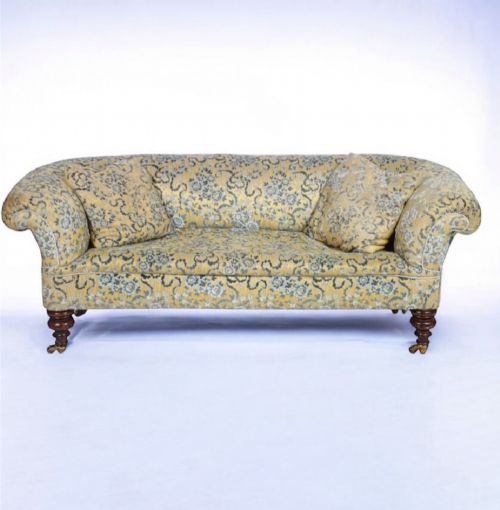
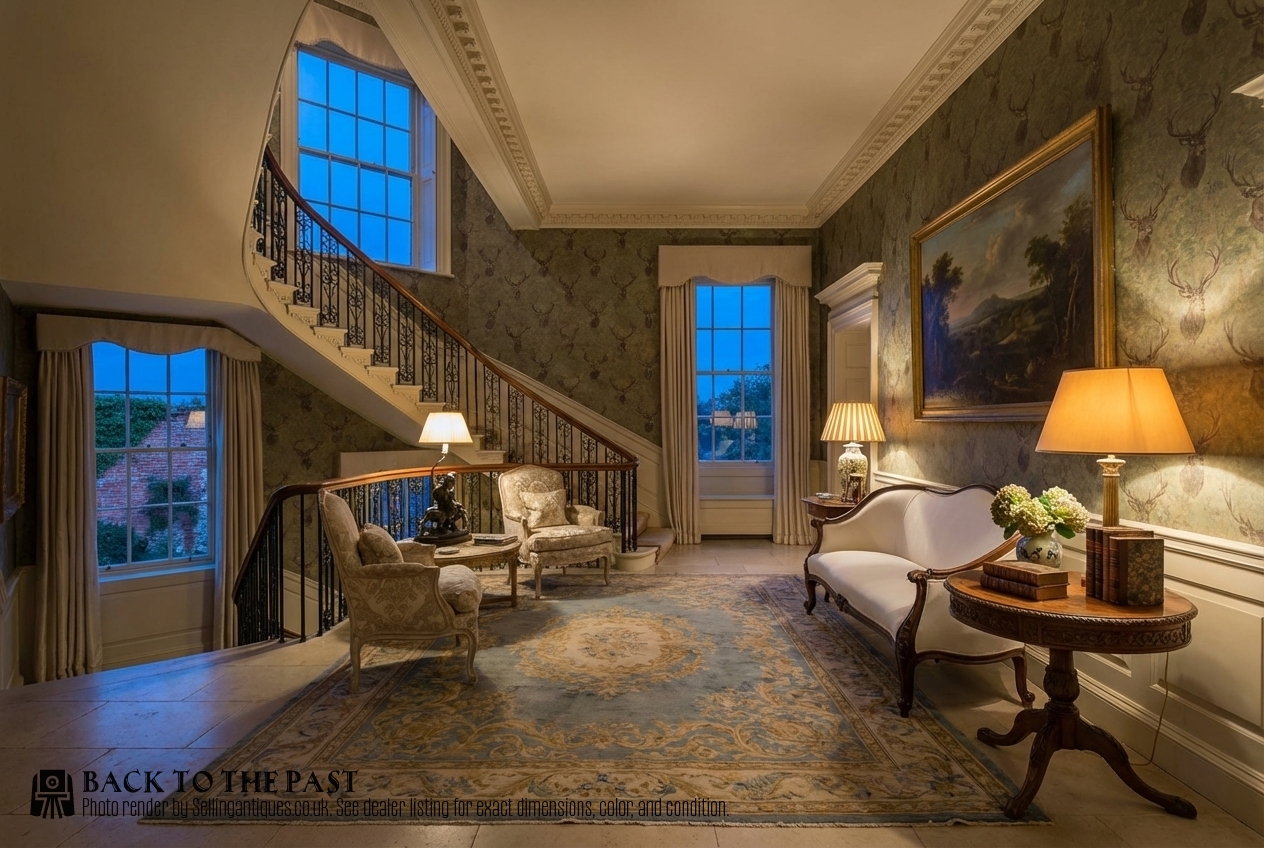
A 19th century mahogany couch combines rich timber frames with upholstered seating, spanning forms from intimate chaise longues to grand Chesterfield sofas. You will encounter various regional interpretations and revival designs on this page, including Regency scroll-end couches and Victorian settee variants.
The periods represented stretch from the Regency era through William IV to the later Victorian decades, showing shifts in silhouette from classical restraint to heavier upholstery. Makers often utilised mahogany for its deep grain and structural strength, shaping it into scroll arms, fluted details, and carved framework.
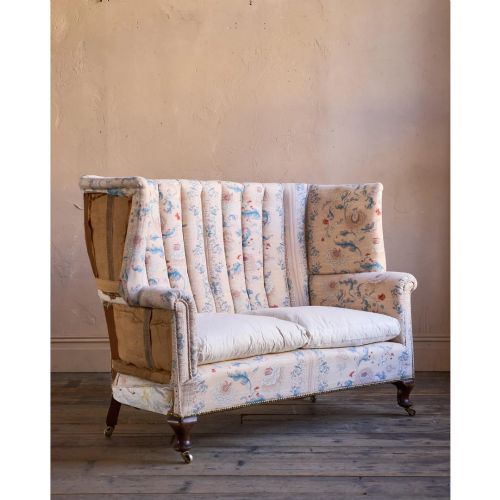
Different silhouettes serve distinct interior functions, with daybeds and chaise longues built for reclining, while multi-seat sofas and settee designs accommodate sitting upright. The selection ranges from country house Chesterfields to camel back sofas reflecting Georgian proportions.
Materials and construction methods
Cabinet makers built the structural frames from solid mahogany, often carving details like scroll ends, ball and claw feet, or reeded legs directly into the timber. Joints relied on traditional joinery techniques to support the heavy stresses placed on long settees and daybeds.
Upholstery layers sat upon supporting webbing and springs, held in place with hessian and calico before final covering in velvet, damask, or leather. Brass castors frequently fitted to the feet allowed these heavy pieces to move across carpets without marking the floorboards.
Several couches carry traces of nineteenth-century horsehair stuffing, which occasionally decides to poke through when the weather turns humid.
Assessing quality in period seating
The weight of the timber and the crispness of the carved details dictate the baseline standard of the frame, separating mass production from bespoke workshop output. Deeply figured mahogany grain and substantial timber thickness indicate superior material selection.
Upholstery execution and internal webbing quality determine the longevity and comfort of the piece, with reputable makers employing durable springs and traditional stuffing. Attribution to documented workshops or firms adds distinction to the surviving frame.
Howard & Sons·C. Hindley & Sons·Hampton & Sons·Holland & Sons
The 19th Century Mahogany Couch Glossary
- Scroll end
- A sweeping, curved wooden or upholstered arm resembling a scroll. This design element dominates Regency and William IV seating.
- Chesterfield
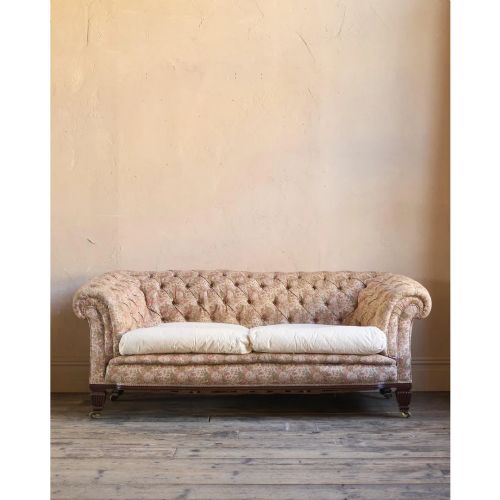
- A large upholstered sofa with deep buttoning and arms of the same height as the back. Versions here appear in fabric and hand-dyed leathers.
- Settee
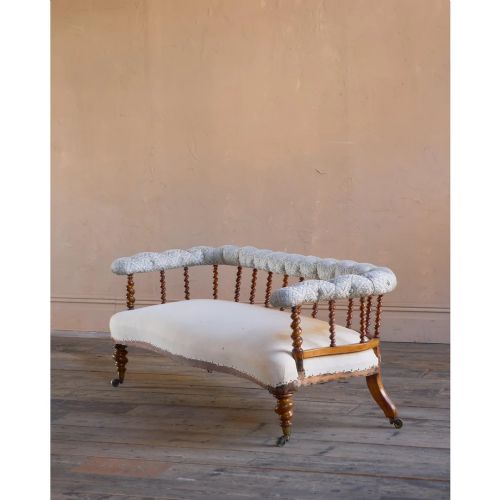
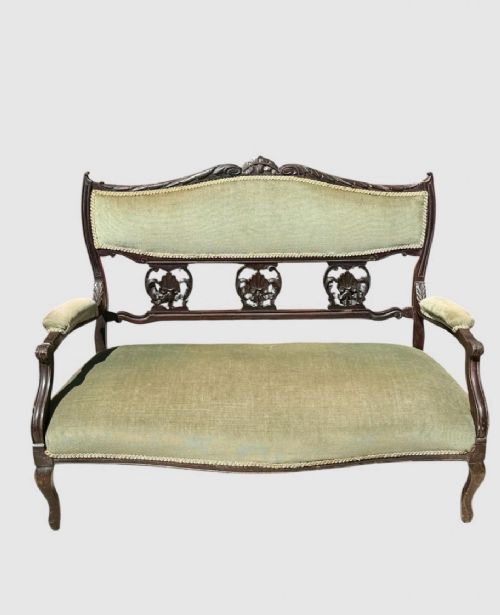
- A medium-sized upholstered seat with a back and arms, designed for two or more people. It sits between a chair and a full sofa in scale.
19th Century Mahogany Couch: Frequently Asked Questions
How do I date a mahogany couch?
Dating relies on stylistic clues within the woodwork and upholstery foundation. Regency and William IV pieces show lighter classical lines, whereas later Victorian examples lean toward heavier proportions and deeper buttoning.
Examining secondary timbers and construction methods underneath the upholstery also helps determine the exact manufacturing decade.
Where should I place a chaise longue?
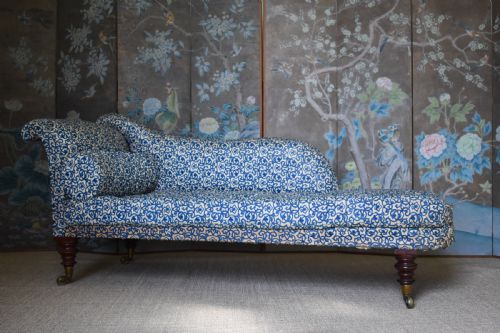
A chaise longue fits well in a bedroom, a spacious hallway, or as an accent piece in a drawing room. Because the backrest runs along only one side, it sits comfortably against a wall without blocking light from a window.
Ensure there is adequate floor space around the piece to appreciate the curved scroll end from multiple angles.
Are these sofas comfortable for daily use?
Period sofas offer robust support, though comfort levels depend on whether the internal webbing and padding have been restored. Traditional horsehair and spring systems provide a firmer sit than modern foam cushions.
Many buyers appreciate the upright posture encouraged by Victorian settee designs and the reclining angle of daybeds.
What is the difference between a settee and a sofa?
Historically, a settee referred to an upholstered wooden seat for multiple people, often with a lighter frame. A sofa typically denoted a larger, fully upholstered piece designed for lounging.
Over time the terms began to overlap, particularly through the nineteenth century as maker catalogues expanded.