





19th Century Landscape Print
A 19th century landscape print captures the topography, rural idylls, and architectural views of the era through diverse graphic media.
19th Century Landscape Print
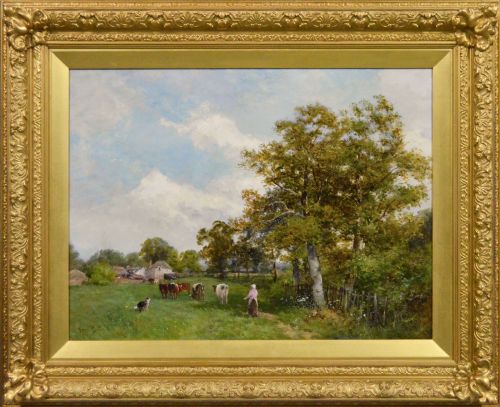
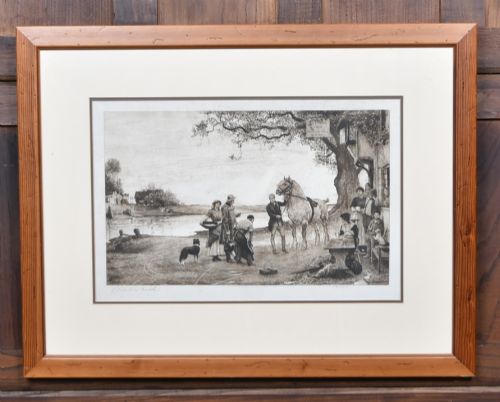
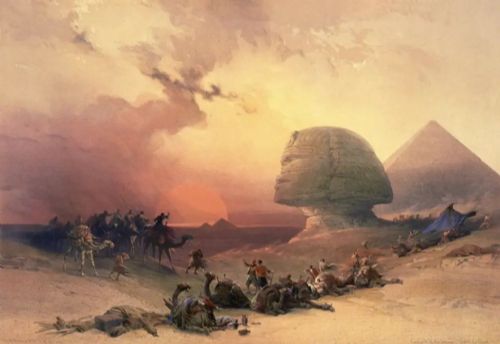
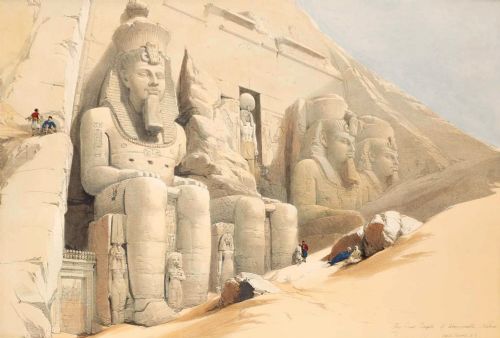
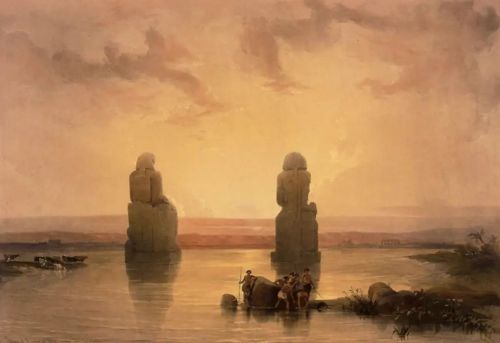
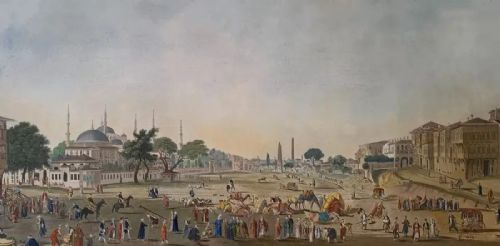
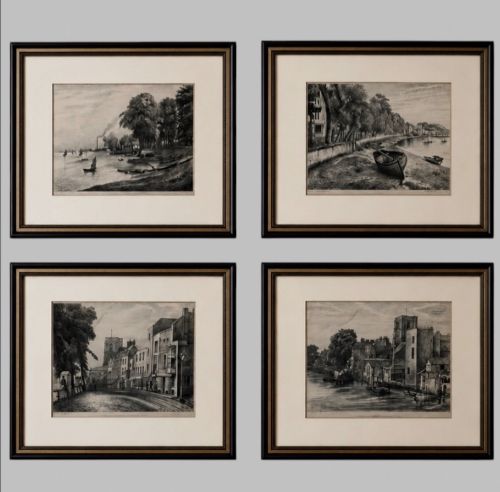
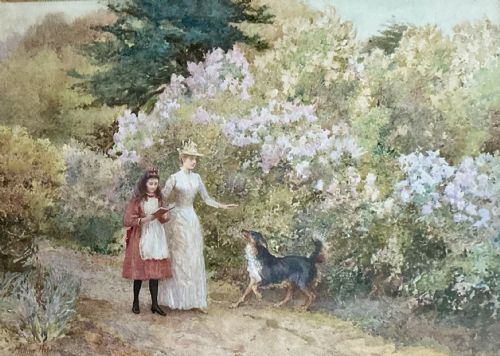
A 19th century landscape print encompasses engraved, etched, and lithographic works depicting rural scenery, rivers, architectural landmarks, and distant horizons. Collectors encounter hand-coloured impressions, monochrome plates, and detailed topographical sheets produced across the Georgian, Victorian, and Regency periods.
The selection ranges from intimate depictions of the Thames and rural cottages to expansive Mediterranean and Middle Eastern vistas. These works reflect both domestic British countryside studies and foreign travel destinations popular during the nineteenth century.
How they were made
These works rely primarily on paper supports marked with ink through etching, engraving, or lithographic printing techniques. Many examples receive subsequent hand-colouring or tinting in watercolours to enhance architectural details and natural scenery.
Framed presentation often incorporates wooden mouldings, protective glass, and occasional gold leaf highlights or gesso liners to secure and display the printed sheet.
Even nineteenth-century travellers appreciated a good scenic view before the invention of the postcard.
What varies in quality
Quality rests upon the crispness of the line work, the register of the printing plate, and the preservation of the paper surface against discolouration. Strong impressions retain deep ink tones and sharp topographical detail without blurring or fading.
The precision of hand-colouring and the integrity of early framing materials further separate standard decorative plates from finer collector examples.
David Roberts·J.C Burgess·T.A Prior·William Day·J. Mitan
The 19th Century Landscape Print Glossary
- Etching
- A printmaking method where acid bites lines into a metal plate to hold ink. This process allows for fluid, expressive lines characteristic of many period graphic works.
- Lithography
- A planographic printing technique using a flat stone or metal plate. Grease and water repel each other to transfer the drawn image onto paper.
- Mezzotint
- A tonal printmaking process that works from dark to light by roughening a metal plate. It produces rich, velvety gradients suitable for atmospheric scenes.
- Hand-coloured
- The application of watercolour or tint by hand after the base impression is printed. This technique adds individual colour variation to published plates.
19th Century Landscape Print: Frequently Asked Questions
How do I care for a print?
Keep works away from direct sunlight and high humidity to prevent paper degradation and fading of any applied colour. Acid-free mounting protects the sheet during long-term display.
Ensure framing uses conservation-grade materials so the paper breathes without contacting the protective glass directly.
Are these works original period pieces?
The items originate from the nineteenth century, utilising period printing methods, papers, and inks contemporary to their publication dates. Documentation or plate dates often verify their production era.
Examining the paper texture and impression quality helps distinguish authentic period printing from later reproductions.
How are different printing methods identified?
Etchings and engravings display a visible platemark indentation where the press forced the paper into the carved lines. Lithographs exhibit a smooth surface without plate impressions, relying on chemical ink adherence.
Closer inspection under magnification reveals the characteristic dot patterns or fine lines unique to each technique.
Where were these views originally published?
Many plates originated as illustrations for travel books, portfolio sets, or individual topographical publications documenting British and continental sights. Publishers distributed these works to satisfy public interest in exploration and scenic art.
Framed sheets often emerged from bound volumes or dedicated print seller inventories of the period.