
Antique Paper Wall Art
When you search for antique paper wall art, you uncover centuries of delicate illustration, portraiture and cartography preserved behind glass.
Antique Paper Wall Art
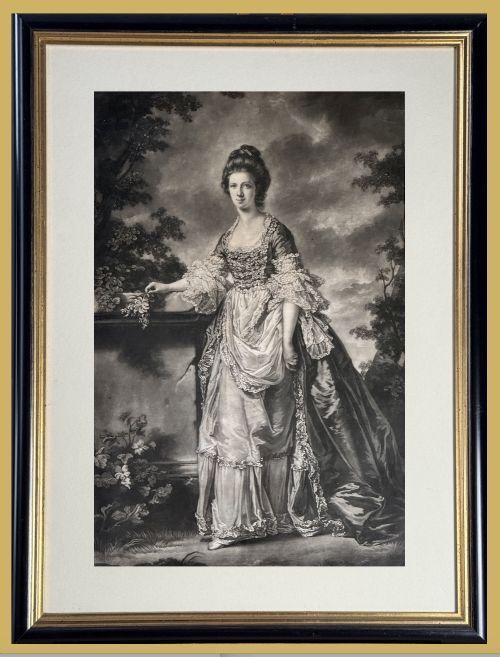
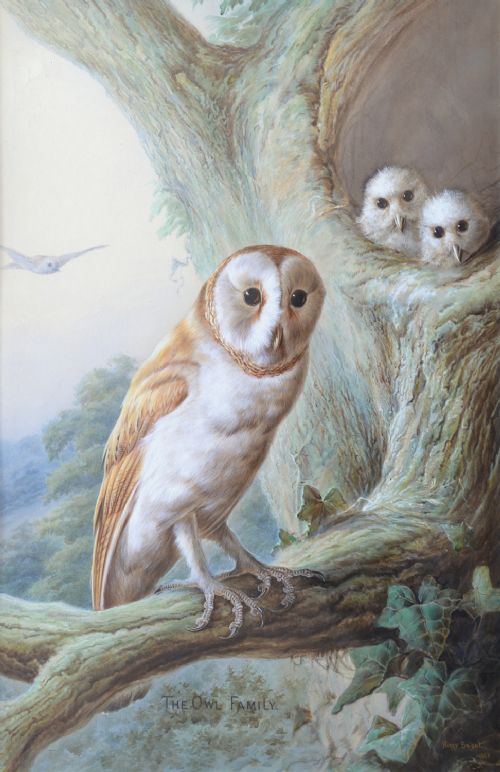
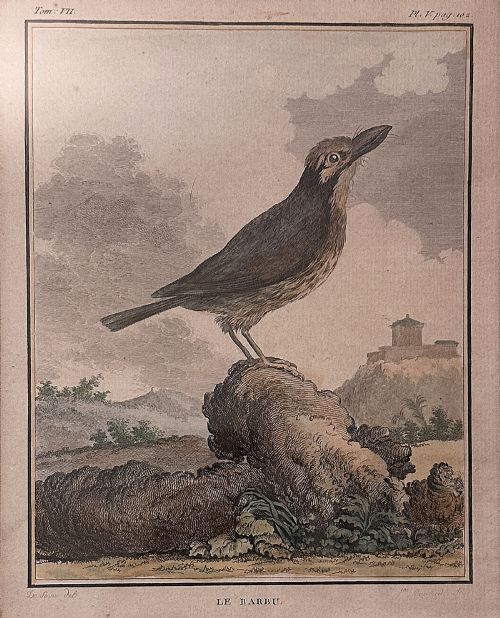
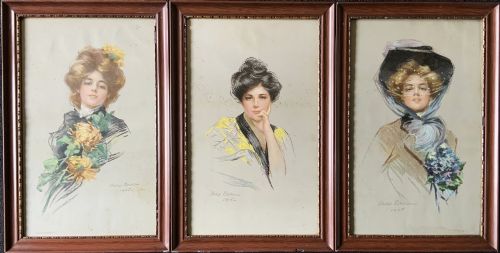
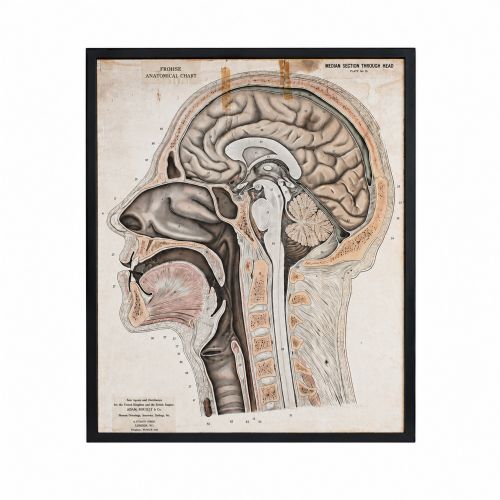
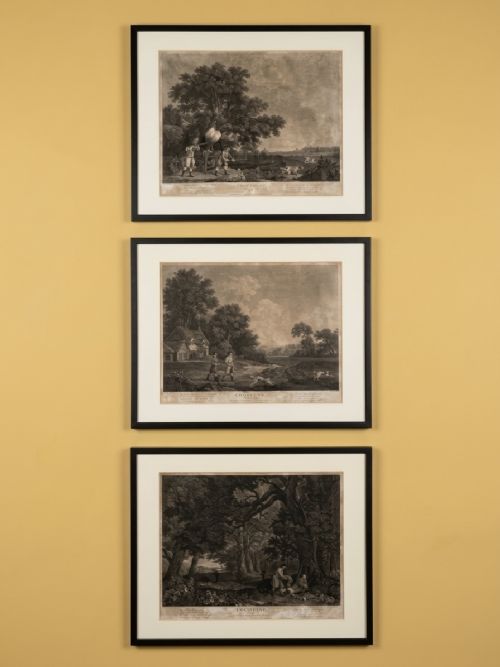
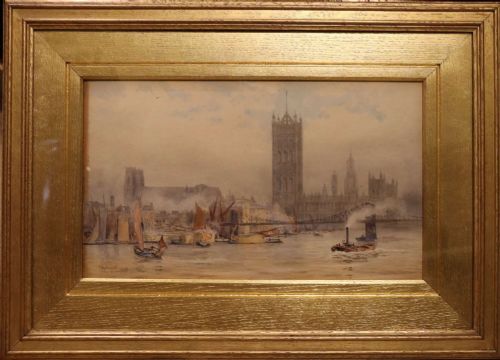
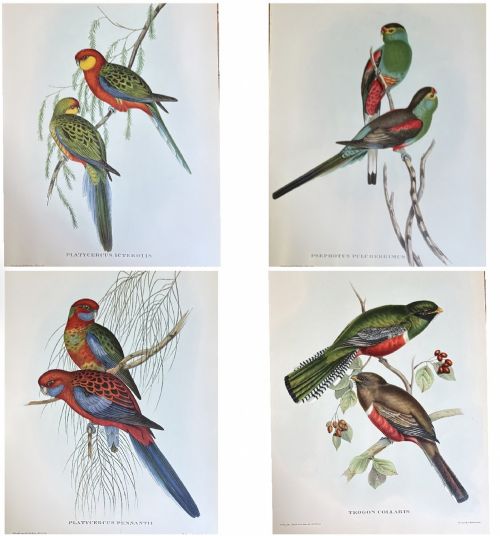
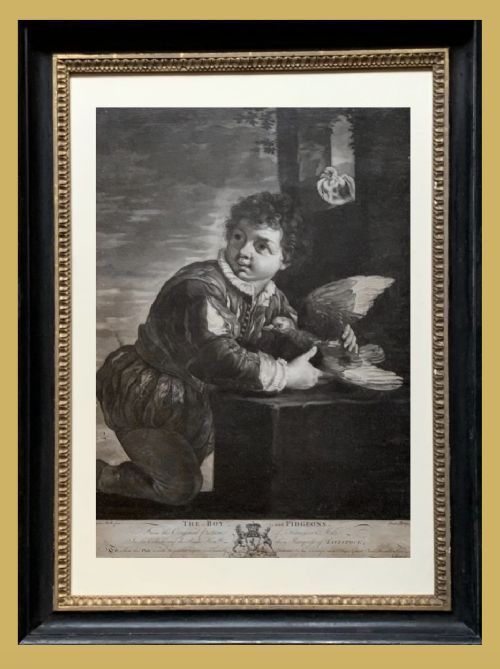
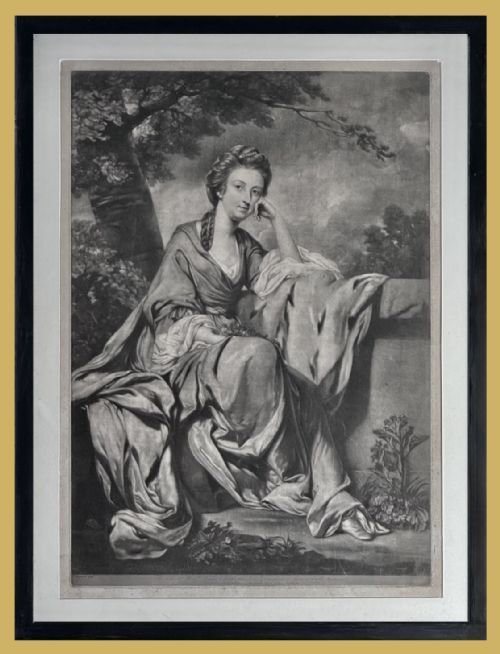
Antique paper wall art encompasses a diverse range of works on paper, spanning from the seventeenth century through to the mid-twentieth century. Buyers frequently encounter framed prints, engravings, mezzotints, watercolours, and gouache paintings ready for hanging.
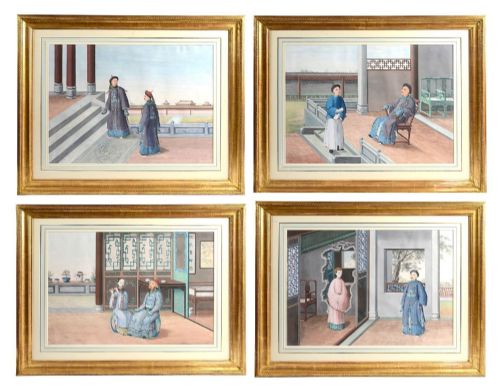
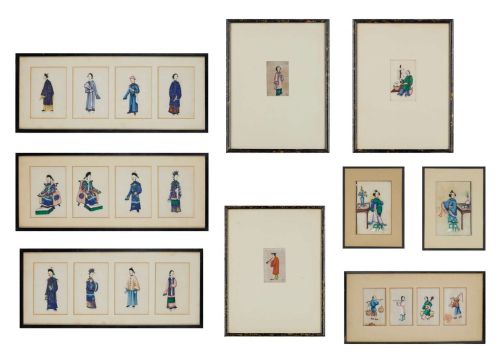
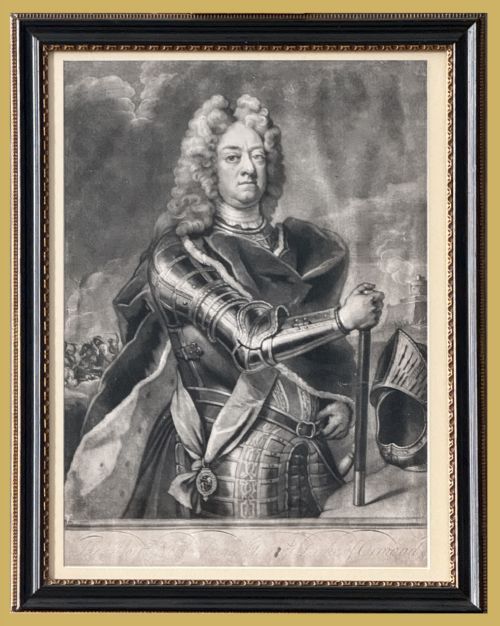
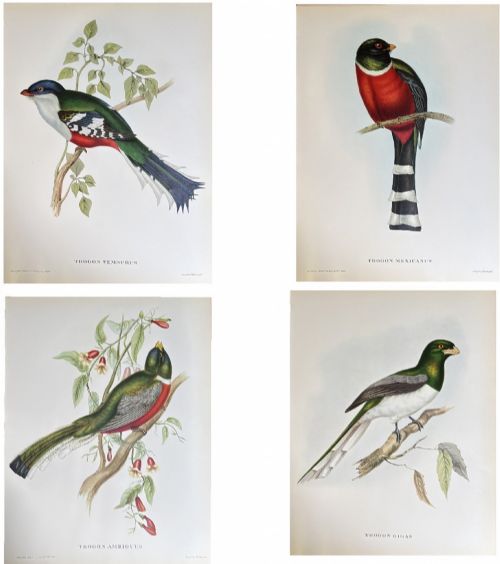
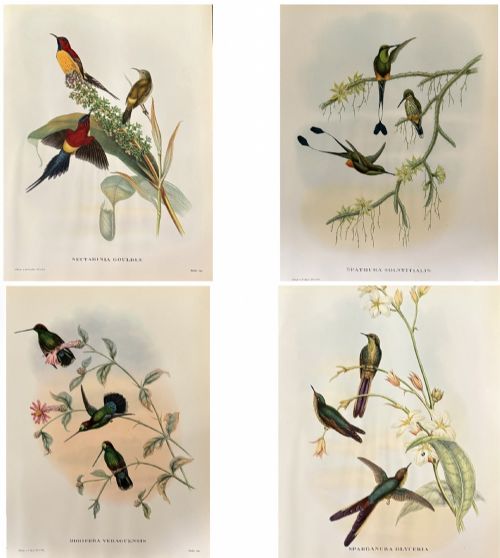
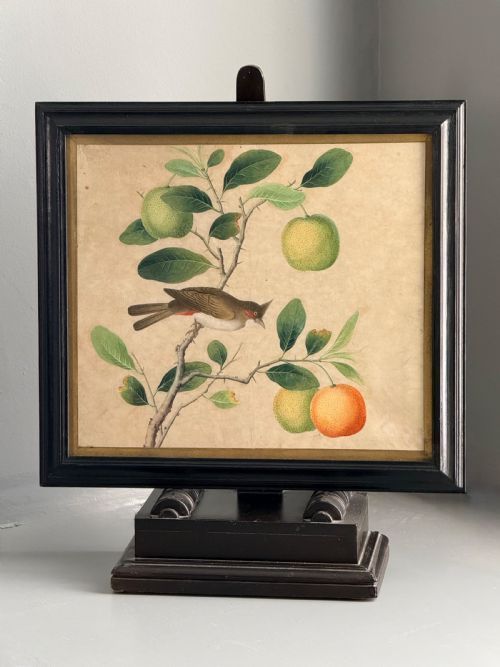
The selection ranges from British portraiture and botanical studies to Chinese pith paintings and continental cartography. Works often arrive in period frames with glass protection, preserving delicate ink, pastel, and watercolour pigments.
How they were made
Makers utilised traditional mediums such as watercolour, gouache, ink, and gold leaf applied directly to paper or pith. Mezzotints, etchings, and stipple engravings were pulled from copper or metal plates using printing presses.
Framed works combined hand-carved wood surrounds with protective glass panes to shield fragile organic materials from atmospheric damage.
Look closely and you will spot eighteenth-century cupids sharing space with nineteenth-century polo matches and playful canine caricatures.
What varies in quality
The distinction lies in the crispness of the impression for printed works and the fidelity of brushwork in hand-painted studies. Master engravers and notable watercolourists achieved depth and subtlety that lesser hands missed.
The survival of the paper itself dictates desirability, alongside the original registration of hand-applied watercolour pigments and the historical integrity of the framing.
John Simon·Michael Dahl·John Boydell·Pier Francesco Mola·Edward Fisher·Sir Joshua Reynolds·Francesco Bartolozzi·John Smith·G. Kneller·Thomas Murray·James Watson·Joseph Sympson·Sir Peter Lely·W Dickinson·Thomas Watson·Blaeu·William Lionel Wyllie·Augustin Edouart
The Antique Paper Wall Art Glossary
- Mezzotint
- A printmaking process where the copper plate is roughened to achieve rich tonal gradations in dark areas. This method was widely utilised for eighteenth-century portraiture.
- Pith paper
- A delicate material cut from the pith of the Tetrapanax papyrifer plant, frequently used for Chinese export paintings. It absorbs gouache and watercolour pigments with a luminous velvety texture.
- Stipple engraving
- A technique using dots of varying density to create tonal effects rather than continuous lines. It gained popularity for reproducing soft-focus portraits.
- Etching
- A printmaking method where acid bites lines into a metal plate covered with a protective ground. The resulting matrix holds ink for transfer to paper under pressure.
- Cartography
- The art and science of mapmaking, represented here through antique engraved and hand-coloured county maps. These pieces combine geographical data with decorative cartouches.
Antique Paper Wall Art: Frequently Asked Questions
How do I care for antique paper art?
Keep framed pieces away from direct sunlight to prevent the fading of watercolour pigments and ink. Stable indoor humidity protects the paper support from becoming brittle over time.
Ensure hanging locations do not experience dramatic temperature fluctuations. Professional framing with acid-free backing boards further safeguards the longevity of the work.
Are these works original or reproductions?
The listings feature period originals, including hand-painted watercolours, gouaches, pastels, and period-pulled prints from centuries past. Each piece bears the physical characteristics of its specific production era.
Print techniques such as mezzotint and etching were produced using historical printing plates rather than modern digital reproduction methods.
What is pith paper?
Pith paper is a delicate organic material prepared from plant stems, historically used in nineteenth-century Chinese export workshops. It accepts gouache and watercolour with vibrant depth.
Because of its fragile nature, pith paintings require careful preservation behind glass to prevent cracking or tearing.
How can I date an engraving?
Dating relies on stylistic evidence, paper characteristics, plate marks, and recorded biographical dates of the artist and engraver. Costuming and typography within the image also offer clues.
Comparative examples in museum archives help narrow the window of publication or execution.