



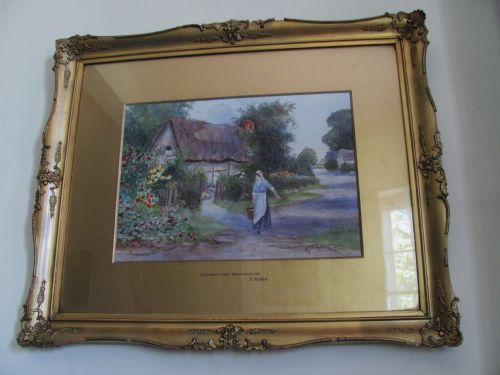


Antique Rural Scene Print
An antique rural scene print captures the quiet charm of the countryside, offering buyers a window into pastoral life through historical imagery.
Antique Rural Scene Print
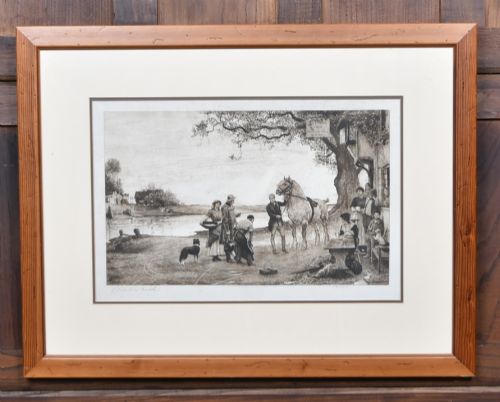
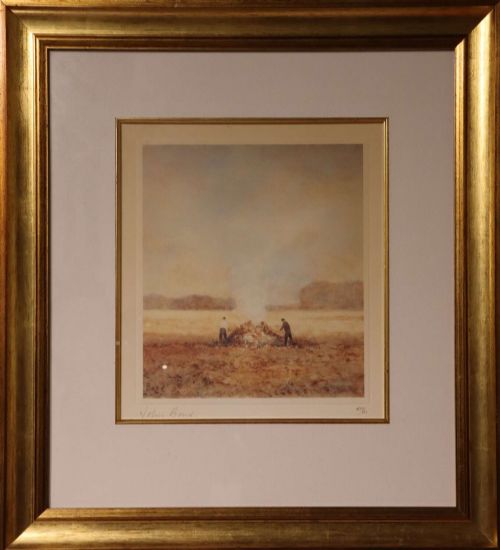
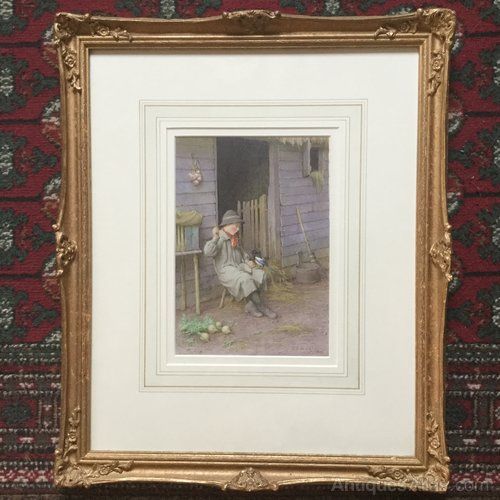
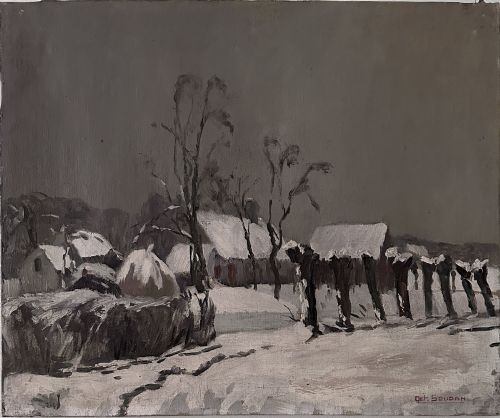
Every antique rural scene print brings a slice of the countryside into the room, depicting farms, cottages, and agricultural labour from past eras. These works range from delicate watercolours and oils to transfer pottery plates and framed prints, reflecting the varied ways artists recorded agrarian life.
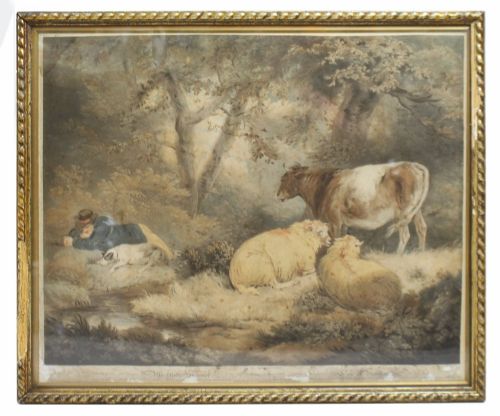
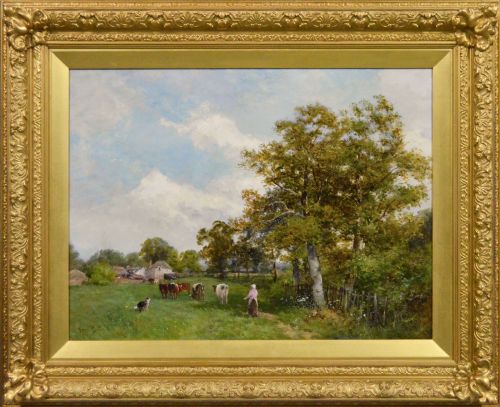
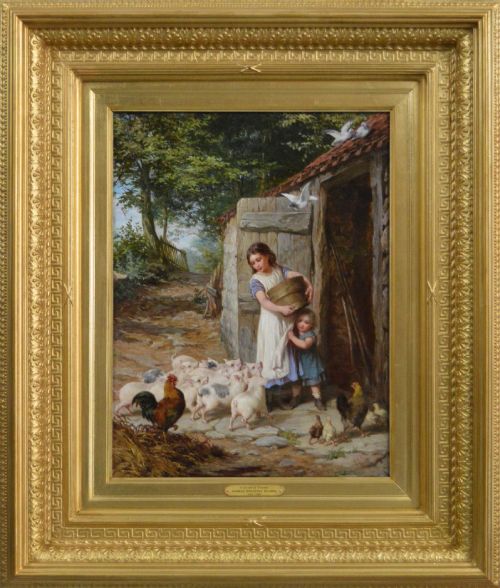
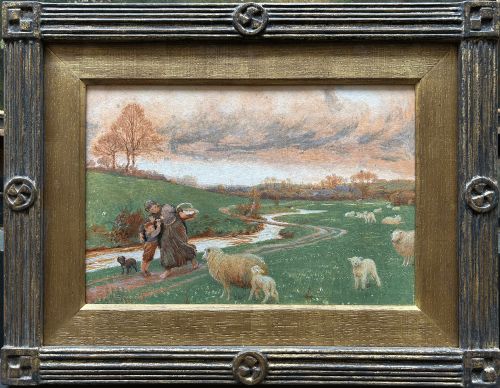
The pieces seen here span the nineteenth and early twentieth centuries, encompassing Victorian pastoral scenes and Edwardian watercolours. Buyers frequently encounter framed works on paper alongside canvas paintings and decorative plates bearing pastoral motifs.
Subjects commonly feature figures tending animals, harvesting hay, or inhabiting quiet village lanes. This focus on domestic and agricultural routines provides a tangible connection to historical British rural communities.
Materials and methods of production
Production relies heavily on paper, canvas, and pottery as surfaces for ink, watercolour, and oil paint. Etchings, mezzotints, and lithographs utilise printing presses to transfer inked designs from plates or stones onto paper.
Framing often involves wood and gilt wood or gold leaf, enclosing the artwork behind glass for protection. Ceramic items employ transfer printing techniques to apply monochrome rural scenes onto pottery plates.
Antique Rural Scene Print Retail Price Guide 2026
Typical asking prices for rural scene print among the pieces listed under this phrase on Sellingantiques today, from the lower quarter to the upper quarter. They describe what is for sale here now, not the wider market.
Several pigs and cows clearly share the spotlight with the human subjects across these rural views.
Distinctions in quality and execution
Quality rests upon the skill of the draughtsman or painter in rendering human anatomy, animal forms, and natural light with conviction. Finer works display subtle tonal gradations and careful composition that elevate a simple cottage view into a compelling study.
The integrity of the materials, from stable pigments to well-preserved paper and secure original framing, separates better examples from lesser items. The reputation of the artist or printmaker also plays a definitive role in distinguishing standard decorative pieces from accomplished works of art.
David Bates·Robert W. Macbeth·George Augustus Holmes·Frederick Walker·Charles Edward Wilson·James William Booth·B. Kaufmann·Joseph Kirkpatrick·Herbert Royle·George Morland·I R Smith·V Jordan·Lois Wilton
The Antique Rural Scene Print Glossary
- Mezzotint
- A printmaking process of the intaglio family where a copper plate is roughened to achieve rich dark tones. This method allows for subtle gradations of light and shade.
- Lithography
- A planographic printing process based on the repulsion of oil and water. Artists draw directly onto a stone or metal plate to produce multiple impressions.
- Etching
- A printmaking technique where lines are incised into a metal plate using acid. The recessed lines hold the ink that transfers to paper under pressure.
- Transfer printing
- A method of decorating ceramics by applying an inked design from an engraved copper plate onto tissue paper and then onto the pottery body.
- Watercolour
- A painting method where paint is made of pigments suspended in a water-soluble vehicle. It is typically applied to paper to create luminous transparent washes.
Antique Rural Scene Print: Frequently Asked Questions
What subjects appear in these rural prints?
These works typically depict agricultural activities, village cottages, farm animals, and figures labouring in the countryside. Common motifs include hay carting, livestock tending, and winter village scenes.
Such imagery reflects nineteenth and early twentieth-century artistic interest in pastoral life and British rural landscapes.
How should I display them at home?
Framed works on paper and canvas suit traditional living spaces, studies, or hallways where lighting can be controlled. Keeping them away from direct sunlight protects watercolours and coloured prints from fading.
Decorative plates with rural scenes look best displayed on plate racks or wall mounts rather than used for dining.
How do I date an antique print?
Dating relies on stylistic clues within the imagery, the type of paper or printing technique used, and any inscriptions or signatures by the artist. Victorian and Edwardian pieces often exhibit distinct palettes and framing conventions.
Comparing the maker or publisher details against known working dates helps narrow the timeline further.
Are these works original or reproductions?
The listings include original paintings in oil and watercolour alongside period prints such as etchings, mezzotints, and lithographs. Period prints are vintage impressions produced during the era rather than modern photocopies.
Examining the surface under magnification reveals the ink application characteristic of period printing methods.