



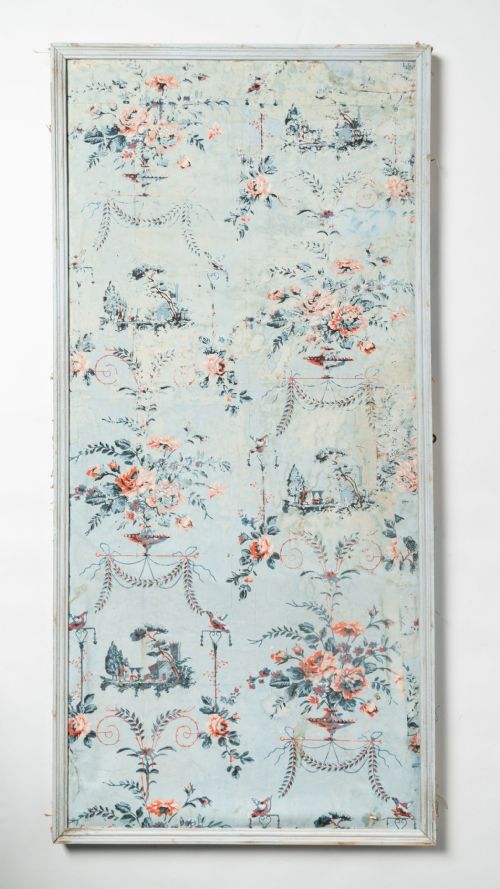


Georgian Decorative Wall Art
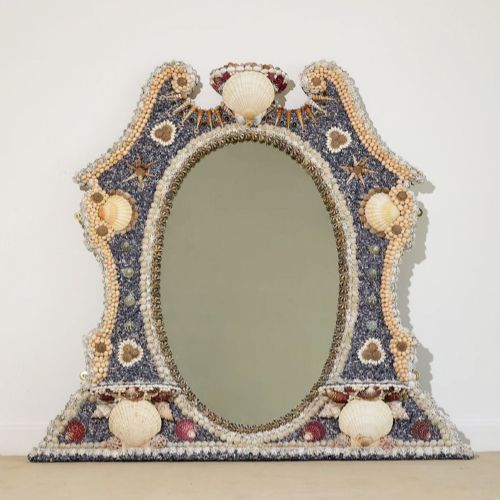
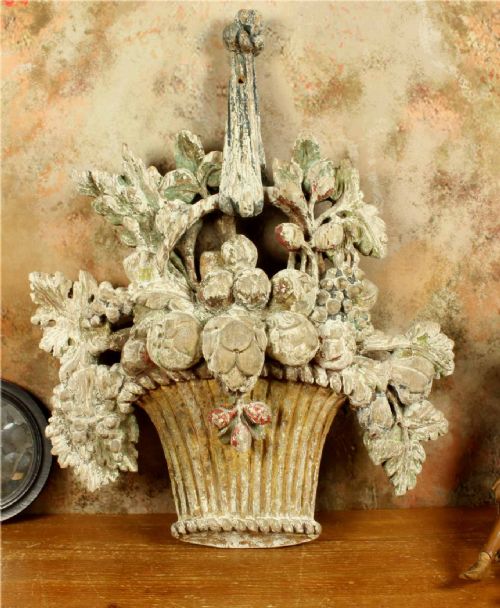
Georgian decorative wall art brings together hand-painted panels, framed engravings, and carved reliefs that capture the visual character of the period.
Georgian Decorative Wall Art
Georgian decorative wall art encompasses a diverse range of items designed to ornament interior spaces during the eighteenth and early nineteenth centuries. Buyers searching for this phrase encounter framed prints, oil paintings, wall reliefs, and painted panels originating from the Georgian and Regency eras.
The objects available on this page reflect the aesthetic preferences of the period, spanning neoclassical designs, Rococo details, and classical compositions. Common forms include botanical or theatrical prints, embroidered maps, and carved wooden or gesso panels.
Originating from British, French, and Continental workshops, these pieces demonstrate the varied ways interiors were dressed with fine imagery and relief work. The selection ranges from copper engravings and hand-coloured prints to large painted canvases and Delft ceramic plaques.
Materials and Construction
Makers utilised traditional supports such as wood, paper, canvas, and papier-mâché to create these decorative pieces. Canvases received oil pigment layers, while paper items were worked with hand-colouring, etching, or engraving techniques.
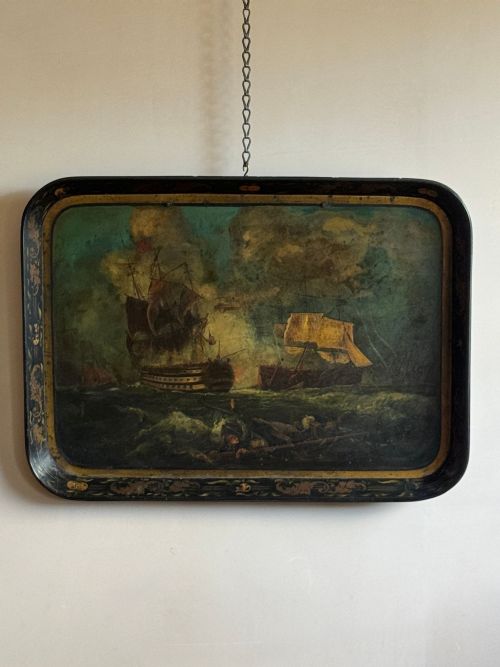
Frames and structural panels frequently incorporated gilded wood, gold leaf, and carved elements to enhance their visual weight. Specialised media like tinsel, decoupage, and japanning appear across theatrical prints and trays adapted for wall display.
Listings feature paper, glass, wood, gold leaf, pigment, canvas, and gilded wood across eighteenth and nineteenth-century pieces.
Distinguishing Quality
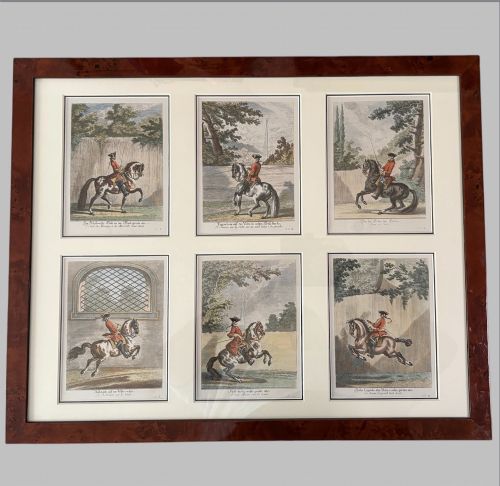
Quality in these wall pieces rests upon the precision of the handwork, whether in the fine lines of an equestrian engraving or the depth of a carved wooden floral relief. Finer examples show careful pigment application and disciplined brushwork that survive clearly across the surface.
The integration of original framing materials, such as gilt gesso frames, contributes significantly to the integrity of an object. Pieces retaining their original hand-coloured details or authentic surface treatments stand apart from later adaptations.
The Georgian Decorative Wall Art Glossary
- Engraving
- A printmaking technique where an image is incised into a metal plate, usually copper, allowing multiple impressions to be transferred to paper. Hand-coloured examples received pigment washes by hand after printing.
- Japanning
- A European imitation of East Asian lacquerwork, involving layered varnishes and resin finishes applied to substrates like papier-mâché or wood. This technique produced glossy, durable surfaces often decorated with metallic motifs.
- Gesso
- A plaster-like mixture applied to wood frames or panels as a smooth base for gilding with gold leaf. It allows for intricate, sharp-edged moulding before the application of metal leaf.
- Decoupage
- The art of decorating a surface by gluing paper cutouts onto an object and then coating them with protective varnish layers. In Georgian contexts, this method often created theatrical and decorative compositions.
- Delft
- Tin-glazed earthenware originating from the Netherlands, characterised by a white opaque background painted with polychrome or blue pigments. Plagues and tiles in this medium were frequently produced for interior wall display.
Georgian Decorative Wall Art: Frequently Asked Questions
How do I hang antique wall art safely?
Support heavy framed panels and carved wooden reliefs directly from structural wall studs using appropriate fixings rated for the weight.
Keep pieces away from direct sunlight and damp environments to protect paper, canvas, and gilded wood surfaces from degradation.
What periods are covered by these pieces?
The items span the eighteenth and early nineteenth centuries, encompassing both the Georgian and Regency eras.
Styles range from classical and neoclassical compositions to Rococo details and Dutch Delft Baroque designs.
Can I mix different styles of wall art?
Combining varied forms such as embroidered maps, engravings, and painted panels creates a layered interior reminiscent of period display habits.
Matching the scale or framing tones helps unify disparate objects within the same room.
How do I clean antique painted panels?
Remove surface dust gently using a soft, dry brush without applying liquid cleaners directly to oil paint or paper.
Consult a professional conservator if deeper cleaning or structural stabilisation is required for delicate surfaces.