



Paper Landscape Print
These paper landscape print works combine historical views and topographical subjects on paper, offering collectors a direct window into past centuries.
Paper Landscape Print
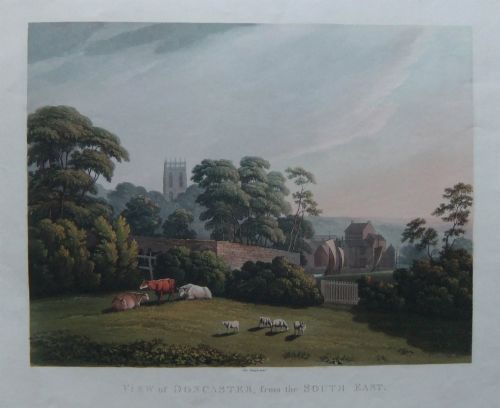
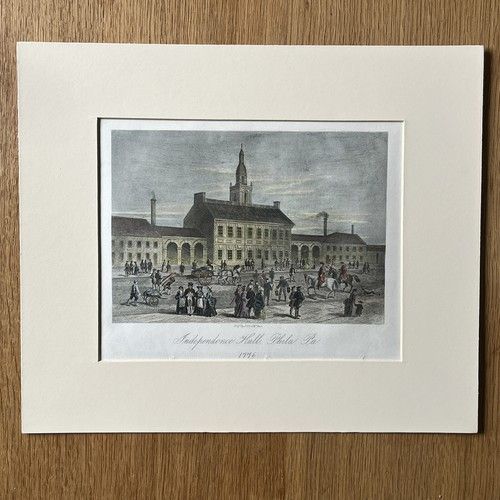
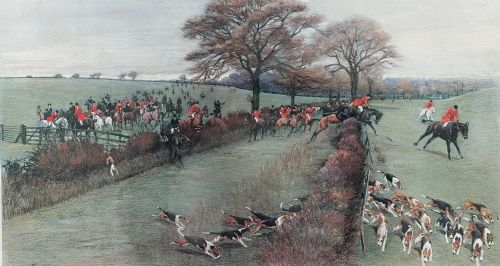
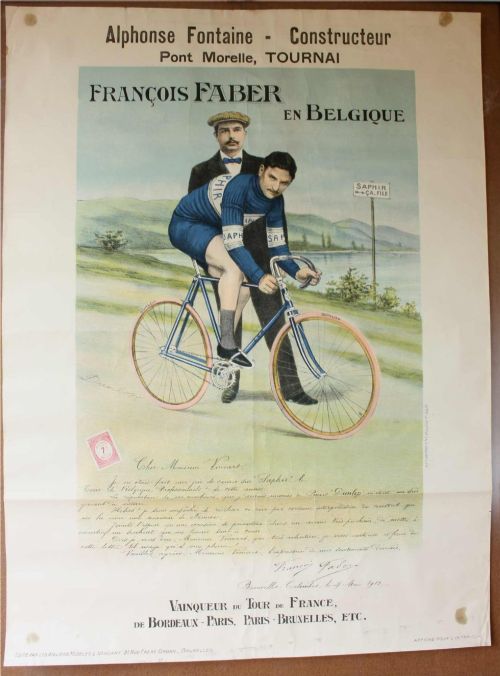
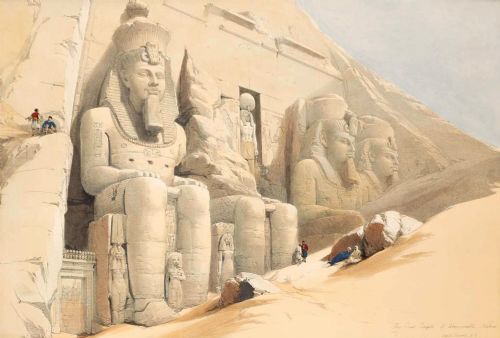
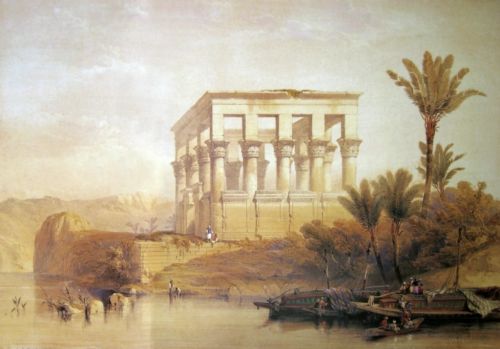
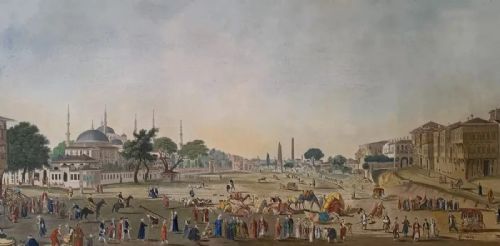
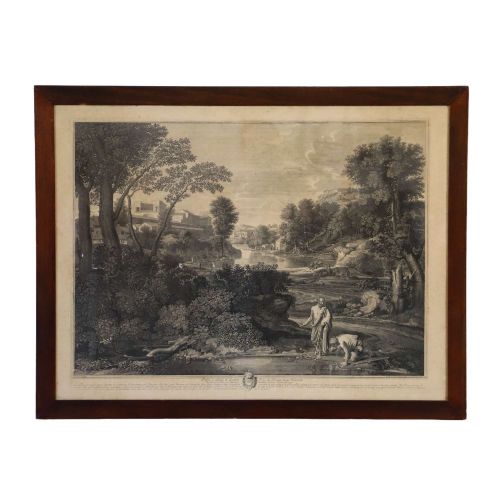
A paper landscape print captures topographical views, architectural landmarks, and rural scenes executed on paper substrates. They range from hand-coloured etchings and lithographs to antique woodblock prints and aquatints spanning the eighteenth century through the mid-twentieth century.
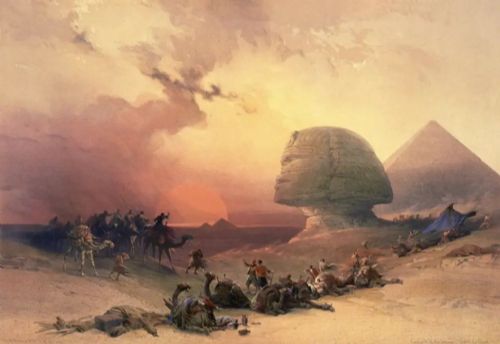
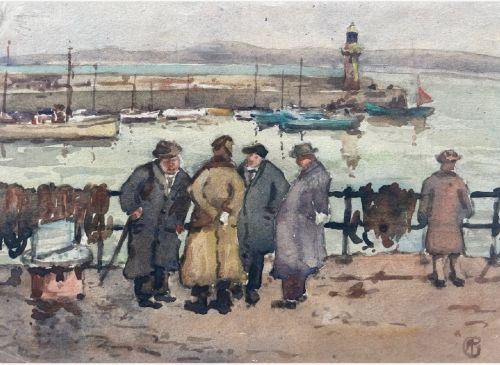
Buyers will encounter various formats on this page, including framed wall art, portfolio prints, and mixed media watercolours. The selections encompass British views, European architecture, and Orientalist compositions produced across the Georgian, Victorian, Edwardian, and later periods.
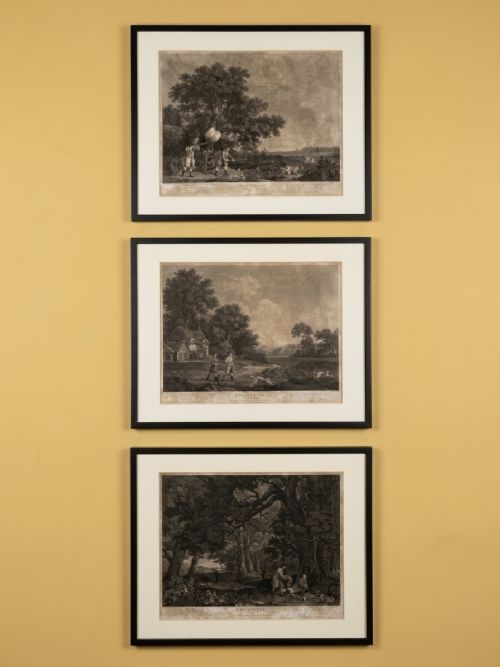
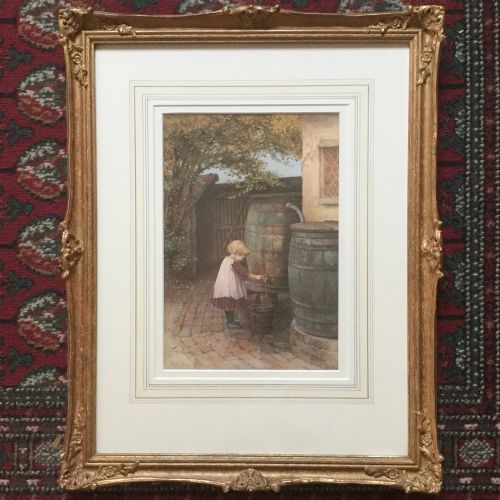
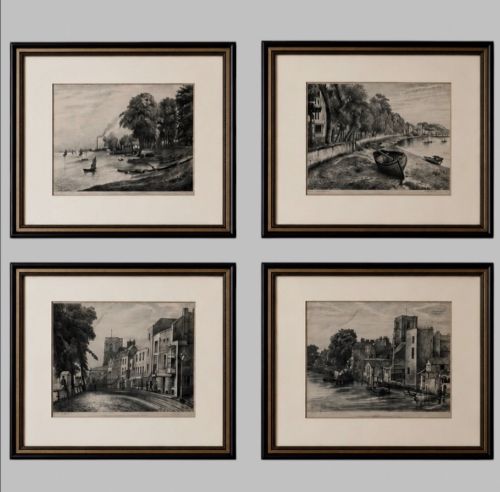
Many examples retain their original frames, housing delicate paper sheets behind glass to protect the underlying ink and pigment work. These objects serve as documentary records of towns, rivers, and antiquities as artists and printmakers observed them decades ago.
How they were made
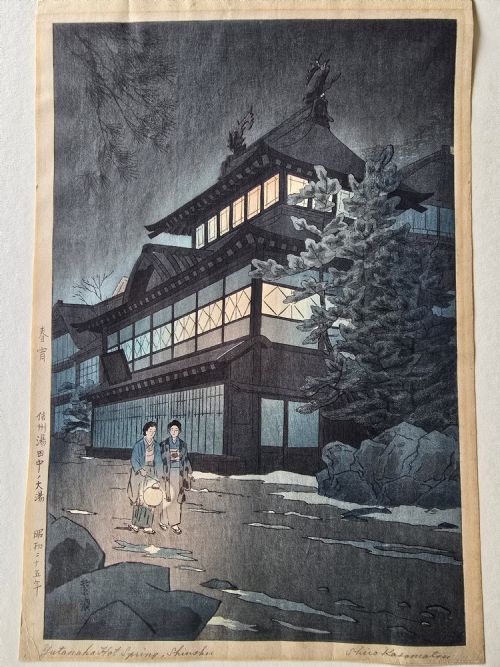
Makers utilised traditional printing methods such as etching, lithography, aquatint, and woodblock carving to transfer images onto paper. Artisans frequently applied watercolour pigment, gouache, or gold leaf by hand over printed outlines to enhance the visual depth of the landscape.
Substrates consist primarily of laid or wove paper, framed within wood surrounds and protected beneath glass panels. These materials interact over time, making proper framing essential for the preservation of antique paper and water-soluble pigments.
Paper Landscape Print Retail Price Guide 2026
Typical asking prices for paper landscape print among the pieces listed under this phrase on Sellingantiques today, from the lower quarter to the upper quarter. They describe what is for sale here now, not the wider market.
Listings feature works executed on paper using watercolour, ink, etching, and woodblock techniques across Victorian, Georgian, and Edwardian periods.
What varies in quality
The precision of the line work and the clarity of the plate impression distinguish superior examples from ordinary production. Fine hand-colouring executed with controlled washes contributes substantially to the overall character of a finished sheet.
The survival of original framing and the preservation state of the paper sheet influence the standing of an individual piece. Strong provenance, identifiable printmakers, and well-preserved margins elevate the interest of historical topographical works.
Thomas Ellison·Alfred Young Nutt·David Roberts·Anton Ignaz Melling·Étienne Baudet·J.C Burgess·Shiro Katamatsu·Charles Edward Wilson·George F Pennington·James William Booth·T.A Prior·Kunisada·T.M Baynes·Joseph Farrington·Joseph Constantime Stadler·Edith E Caswall·Fred Lawson·Henry Wimbush·Jane Utley·Norman Janes·John Atkinson·H.P Parker·CB Prescott
The Paper Landscape Print Glossary
- Lithography
- A planographic printing process utilising a stone or metal plate on which the image area retains ink through chemical repulsion. This technique allowed artists to produce detailed tonal landscapes and architectural views.
- Etching
- A printmaking method where lines are bitten into a metal plate with acid before ink is applied and transferred to paper under pressure. It yields fine, precise details characteristic of many historical topographical prints.
- Aquatint
- A variant of etching that produces tonal areas resembling watercolour washes by treating a metal plate with resin. Printmakers combined this method with line etching to create atmospheric shaded landscapes.
- Woodblock print
- A relief printing technique where an image is carved into a wooden block, inked, and pressed onto paper. Japanese ukiyo-e works and certain British landscape illustrations utilise this method.
- Collotype
- A photomechanical collodion process used to produce continuous-tone reproductions without a screen. It appears in early twentieth-century print portfolios and decorative wall art.
Paper Landscape Print: Frequently Asked Questions
Are these works original antique prints?
The listings comprise period impressions pulled during the active dates of the makers and publishers, rather than modern reproductions. Techniques such as plate marks, watermarks, and paper ageing indicate their period origin.
Examine the medium specified in each listing, whether etching, lithograph, or woodblock, to understand the exact production method used.
How do I identify the date of a print?
Look for printed publication lines, artist signatures, or archival watermarks embedded within the paper substrate. Stylistic clues in the depicted architecture and clothing also point toward specific eras like the Georgian or Victorian periods.
Compare the paper quality and printing technique against known publishing dates for specific topographical series.
Can I hang watercolours in sunlight?
Watercolour pigments and hand-applied tints are sensitive to ultraviolet light and will fade if exposed to direct sun for extended periods. Position your wall art on interior walls away from direct windows.
Using specialised conservation glass offers an extra layer of defence against light damage while maintaining clear visibility.