

19th Century Irons
These 19th century irons span heavy hearth tools, garden furniture, and utilitarian metalwork designed to bring durable utility and period character to domestic spaces.
19th Century Irons
When searching for 19th century irons, buyers encounter a diverse selection of fireplace furniture, architectural elements, and household implements forged or cast during the Victorian and Georgian eras.
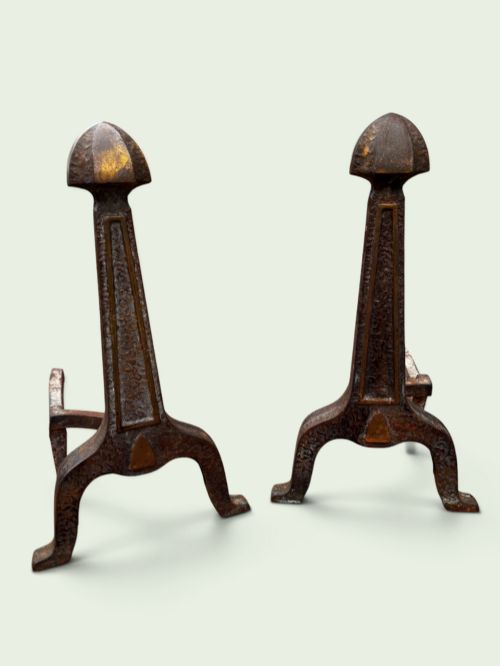
The most prevalent examples on this page comprise sets of steel or brass fire irons alongside heavy cast iron andirons designed for inglenook fireplaces.
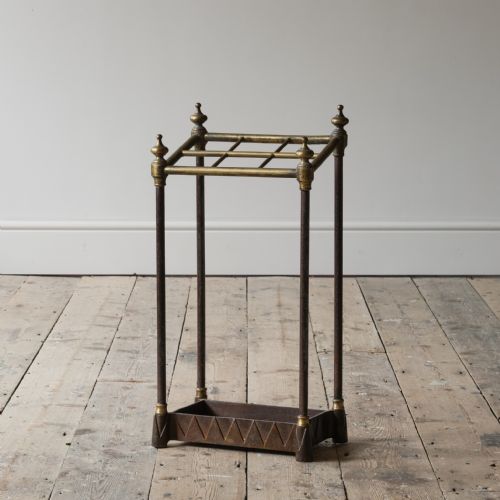
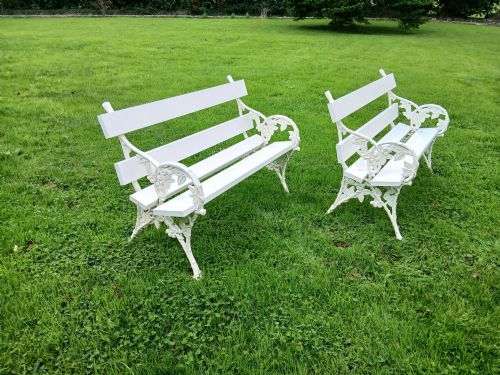
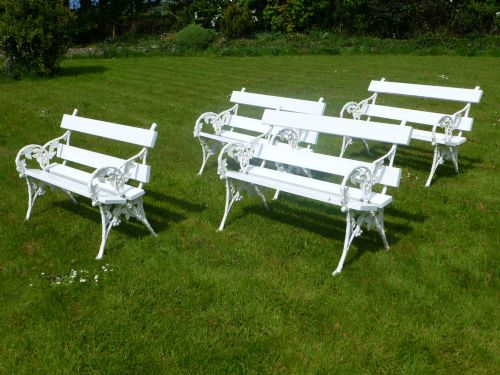
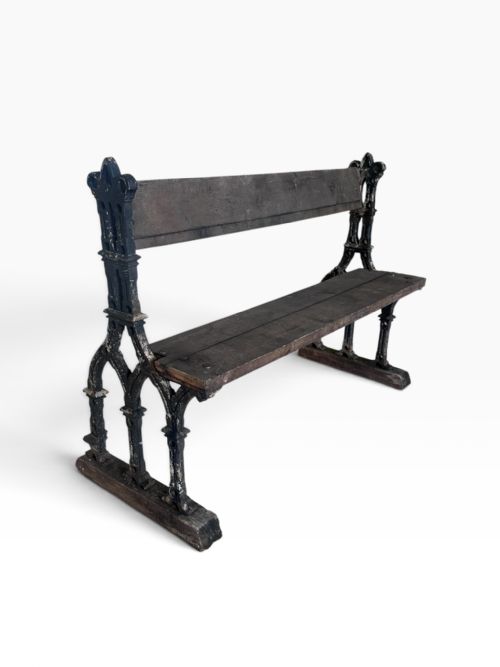
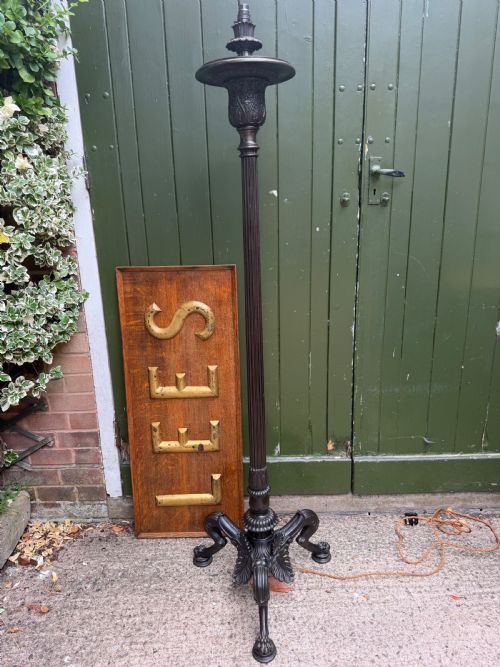
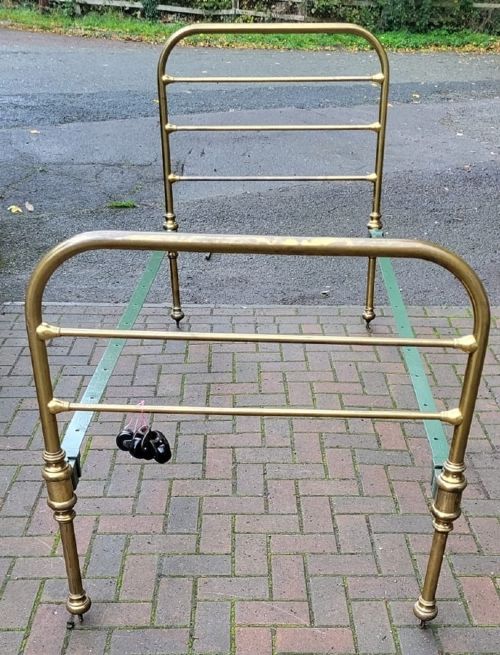
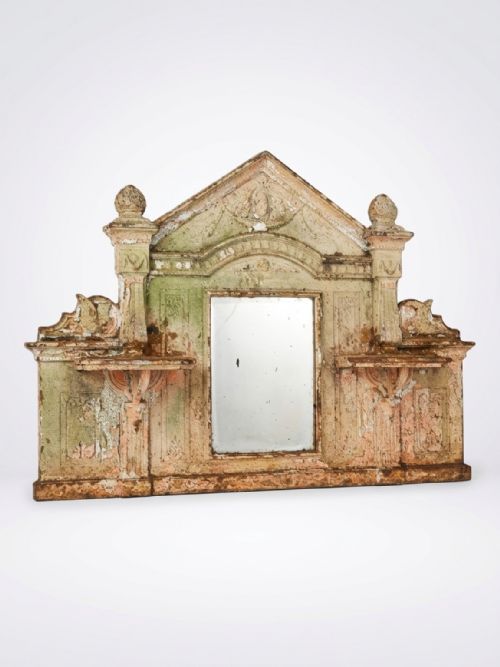
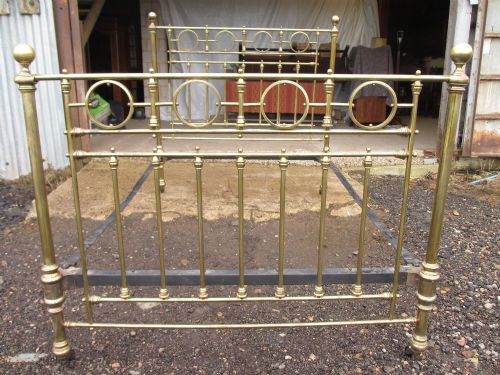
Additional forms include garden benches, umbrella stands, and structural bed frames that utilise the robust properties of cast and wrought iron.
How They Were Made
Items in this category rely primarily on cast iron, wrought iron, and polished steel, frequently paired with brass finials or accents.
Foundries utilised mould casting to produce intricate botanical motifs and structural frames, while blacksmiths shaped steel and wrought iron manually for hearth implements.
Listings feature cast iron, brass, wrought iron, and steel across the 19th Century, Victorian, and Georgian periods.
What Varies in Quality
Distinction across the range depends on the crispness of foundry casting, the weight of the metal, and the retention of original surface patination.
Pieces produced by established foundries with detailed ornamentation command greater attention than utilitarian castings lacking decorative definition.
Falkirk Carron Foundry·Corneau Freres Charleville·James Bruce Glasgow
The 19th Century Irons Glossary
- Cast iron
- Iron poured into a mould to create complex shapes and heavy structural items. This method allowed foundries to mass-produce detailed garden seats and architectural stands.
- Wrought iron
- Tough, malleable iron beaten into shape by hand using tools. It offers high resistance to fatigue and was favoured for items requiring strength without brittleness.
- Andirons
- Horizontal metal bars supported by legs used to raise firewood in a hearth. They often feature decorative front standards cast in brass or iron.
- Fire irons
- Matching sets of hearth implements including pokers, tongs, and shovels. They are typically fashioned from polished steel or brass.
19th Century Irons: Frequently Asked Questions
What are fire irons used for?
Fire irons serve to tend and manage coal or wood fires within open hearths safely. Individual implements allow users to arrange fuel, lift embers, and maintain the grate.
Complete matched sets provide a cohesive decorative appearance flanking the fireplace when not actively in use.
How do I clean cast iron?
Maintenance requires removing surface dust with a dry cloth and addressing any active oxidation gently. Avoid harsh chemical cleaners that strip historical patination.
Applying a light protective wax helps preserve the metal surface against future moisture exposure.
Are andirons purely decorative?
Andirons perform the practical duty of elevating logs above the hearth floor to improve airflow beneath the fire. Better oxygen circulation promotes cleaner combustion and more efficient heat distribution.
At the same time, their prominent front faces allowed makers to showcase sculptural brass work and cast iron detailing.
How do I date these items?
Dating relies on stylistic markers, foundry stamps, and construction techniques characteristic of the Victorian and Georgian periods. Heavier proportions and specific decorative motifs often correspond to mid to late nineteenth-century manufacturing standards.
Comparing registration marks or maker plaques helps narrow the production window.