


Antique Fire Companion
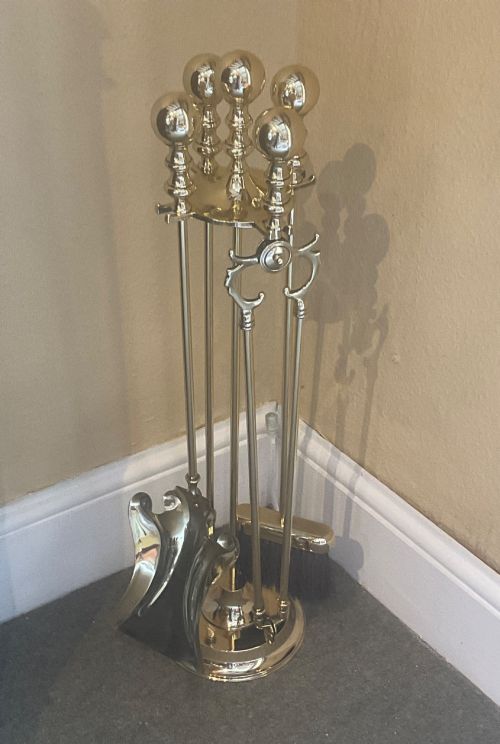
An antique fire companion brings functional sculpture to the hearth, combining pokers, tongs and shovels in brass, steel or iron.
Antique Fire Companion
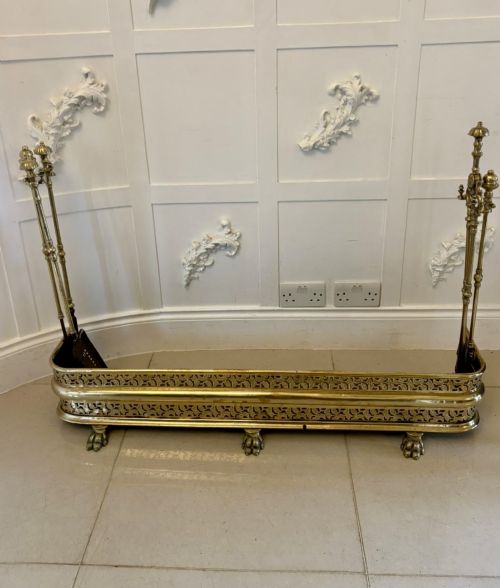
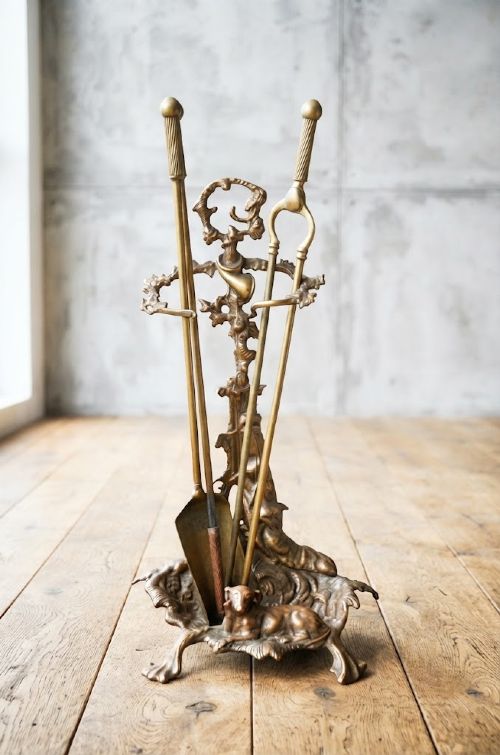
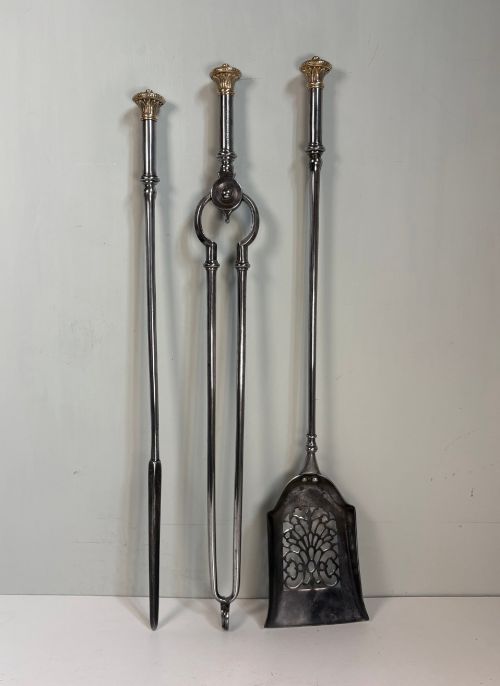
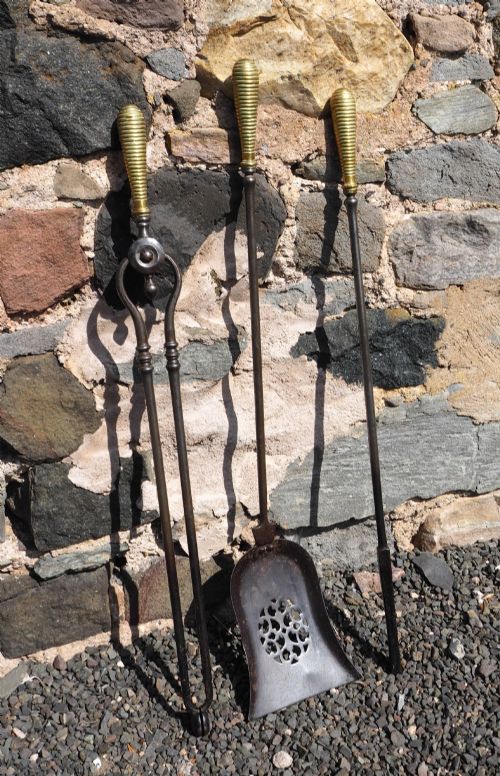
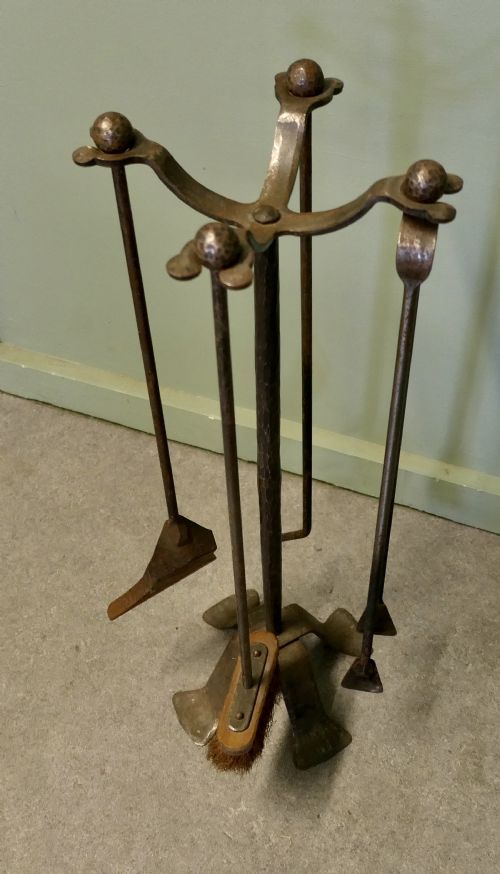
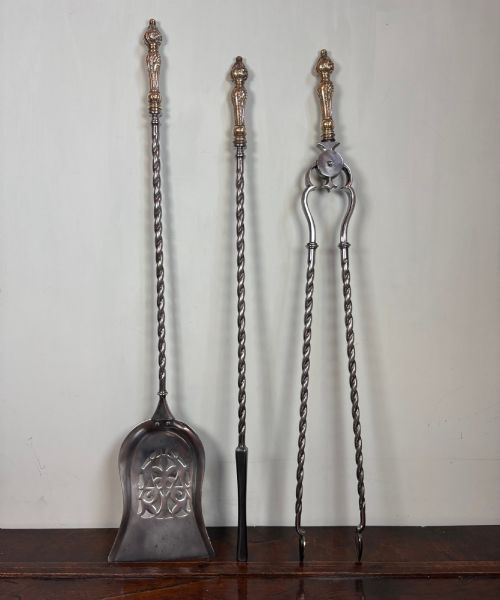
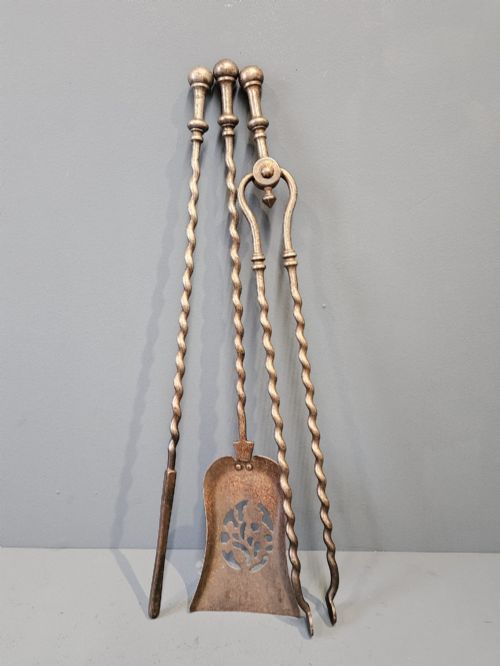
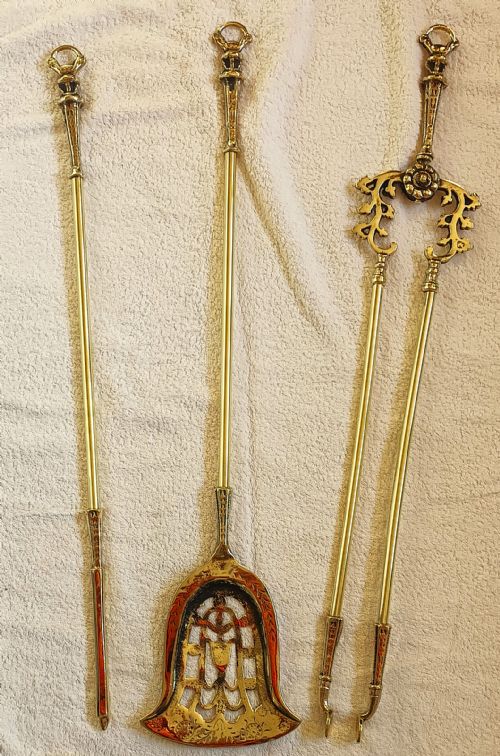
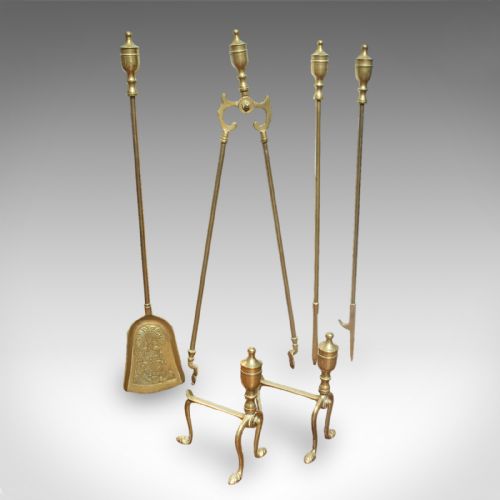
When you search for an antique fire companion, you encounter practical hearth equipment designed to tend a coal or wood fire. These ensembles typically group tools such as tongs, pokers and shovels, often mounted on a dedicated stand or resting alongside a fender.
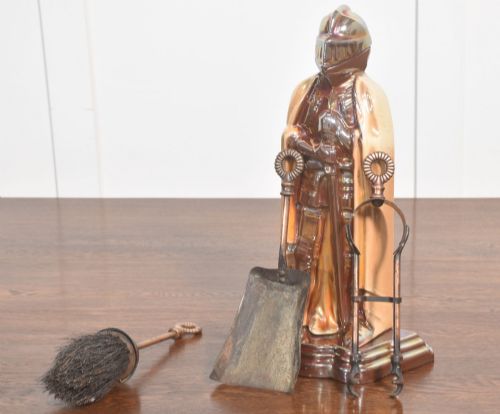
The versions you meet most frequently on this page date from the Victorian and Edwardian eras, alongside earlier Georgian examples and later pieces into the 1930s. They appear in forms ranging from straightforward steel tool sets to figural companion stands depicting knights or golfers.
Materials and construction
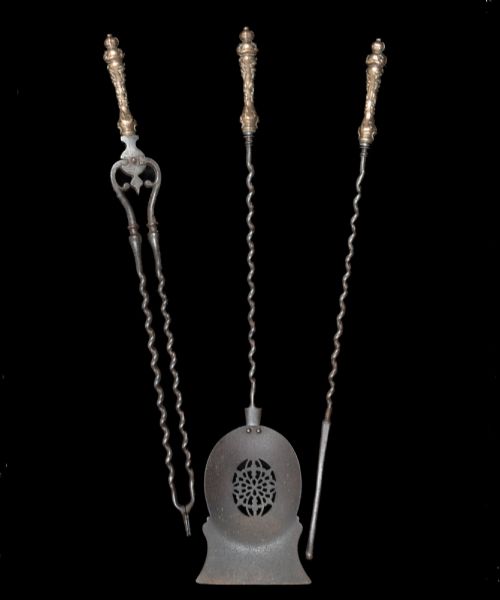
Metalworking techniques dictate the build of these hearth sets, relying heavily on cast iron, polished brass and forged steel. Smiths shaped wrought iron by hand, while brass components frequently utilised cast or spun elements finished with rope twist handles or decorative finials.
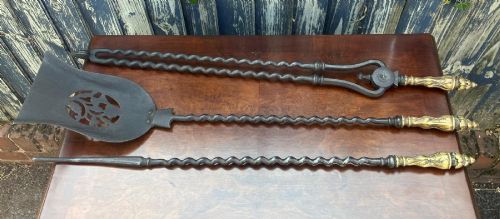
Makers combined materials within single sets, pairing steel shafts with brass handles or mounting iron tools on cast brass bases to balance utility with visual display in the room.
Antique Fire Companion Retail Price Guide 2026
Typical asking prices for fire companion among the pieces listed under this phrase on Sellingantiques today, from the lower quarter to the upper quarter. They describe what is for sale here now, not the wider market.
Hearth accessories include suited knights, Beefeaters, and golfers standing guard by the grate.
Assessing quality and finish
Subtleties of metal density and handle articulation separate simpler utility items from finer parlour pieces. Heavier gauge steel and substantial cast brass retain their structural rigidity through repeated use at the hearth.
Detailing in the casting or forging defines the upper tier, visible in crisply chased hunting scenes, deliberate rope twist patterns on handles, and integrated stands that match the exact alloy of the tools they support.
Christopher Dresser
The Antique Fire Companion Glossary
- Companion set
- A matched collection of fireplace tools, including tongs, a poker and a shovel, usually housed on a stand or rack.
- Fire irons
- Individual metal implements designed for managing burning fuel inside a domestic fireplace.
- Fender
- A low metal guard placed on the hearth around the fireplace opening to contain sparks and ash.
- Coal scuttle
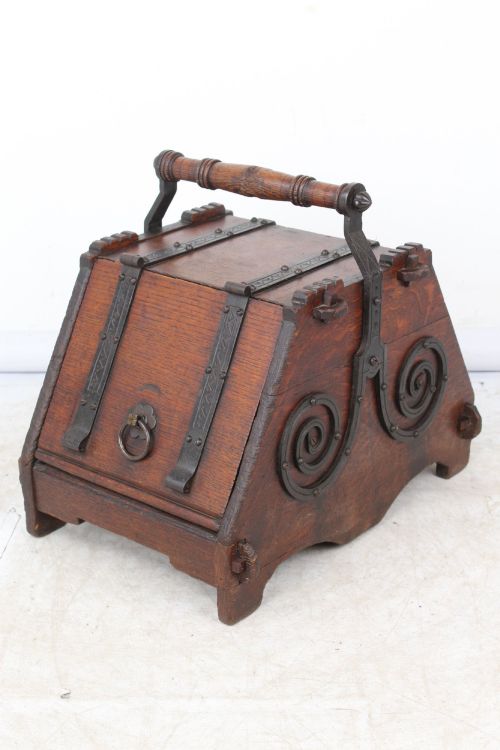
- A bucket or bin utilised for storing and transporting coal to the grate.
- Dummy board
- A painted wooden figure shaped as a person or animal, sometimes termed a silent companion.
Antique Fire Companion: Frequently Asked Questions
What tools come in a set?
Standard companion sets typically contain a poker, a pair of tongs and a shovel. These pieces handle stoking the fire, moving logs or coal, and clearing ash from the grate.
Many arrangements also incorporate a dedicated stand, rack, or pair of rests to keep the implements upright beside the hearth when not in use.
How do I date a set?
Dating relies on stylistic clues and material combinations, moving from heavy Georgian steel through ornate Victorian brass to early twentieth-century figurative designs. Gothic Revival or Arts and Crafts motifs point to specific decades in the nineteenth century.
Manufacturing marks and fastener types offer further clues, though many utilitarian hearth tools remain unmarked by their original makers.
Were these used daily?
Most pieces served an active domestic role in managing coal and wood fires in period homes. Sturdy construction in iron and steel ensured they withstood regular heat and physical strain.
Heavily decorated brass sets often occupied formal reception rooms, where their primary function was ornamental display rather than heavy stoking.
What is a silent companion?
A silent companion, or dummy board, is a flat wooden or metal silhouette painted to represent a human figure or animal. Placed near the hearth, these decorative items created a visual presence in an empty fireplace during warmer months.
Examples range from military figures to domestic servants and sporting characters like golfers.