
Antique Brass Tools
Antique brass tools bring the weight of past workshops and hearths into modern rooms.
Antique Brass Tools
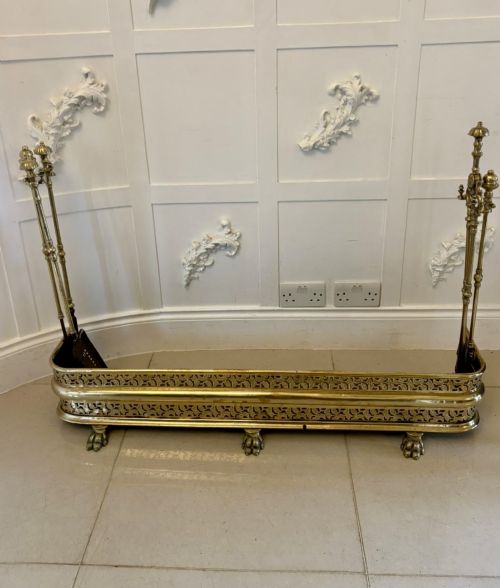
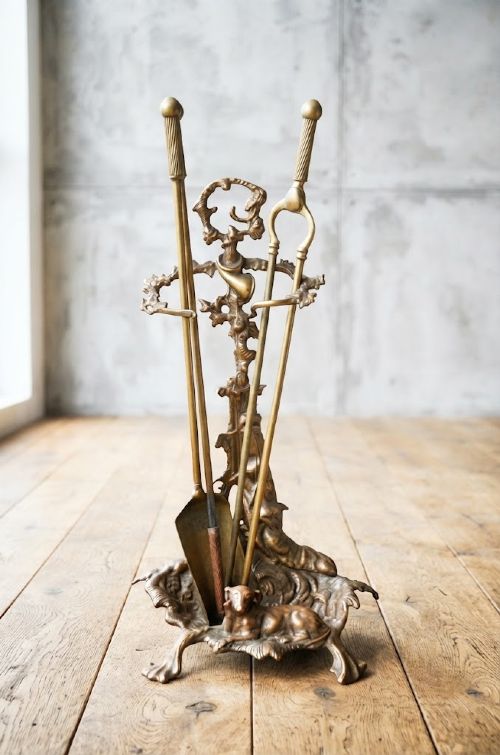
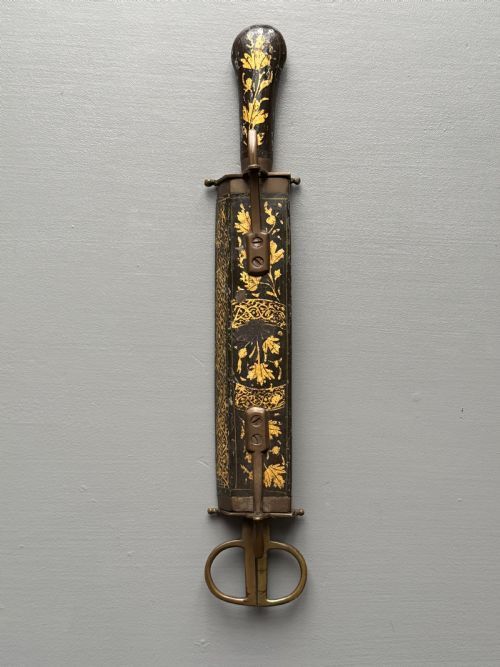
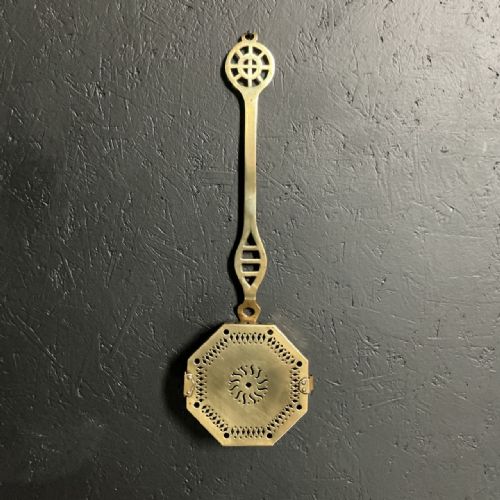
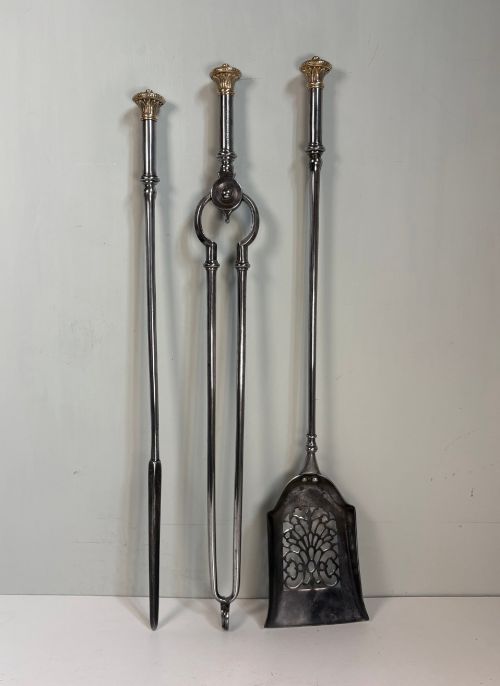
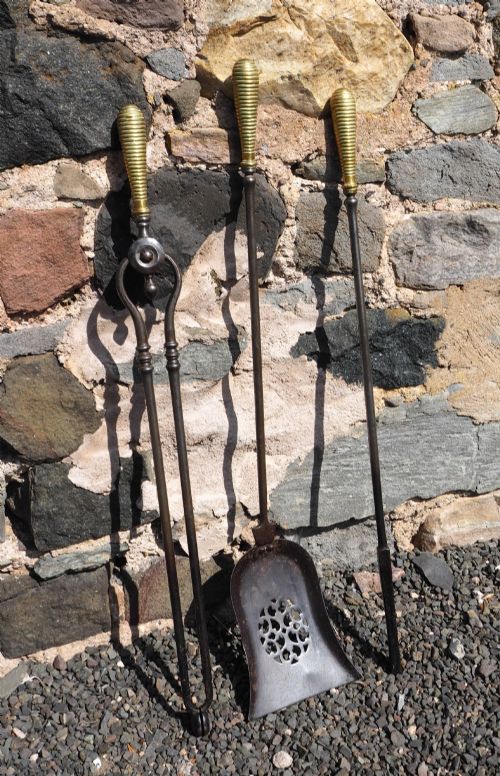
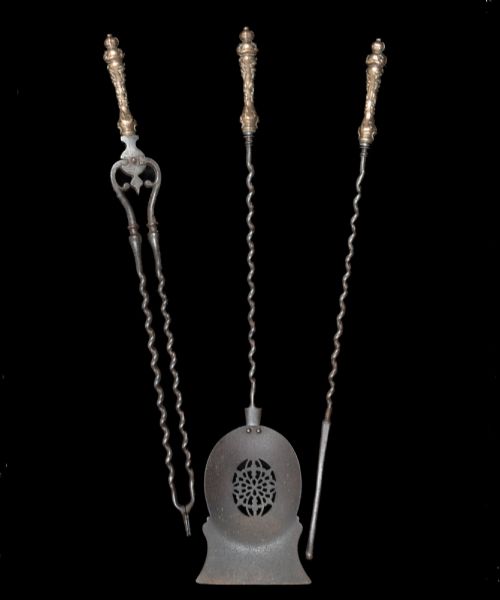
When you search for antique brass tools, you encounter items designed for practical labour, scientific measurement and hearth management rather than mere display. The selection here leans heavily towards fireside sets, comprising pokers, tongs and shovels alongside fender stands, alongside specialised woodworking planes and scientific instruments.
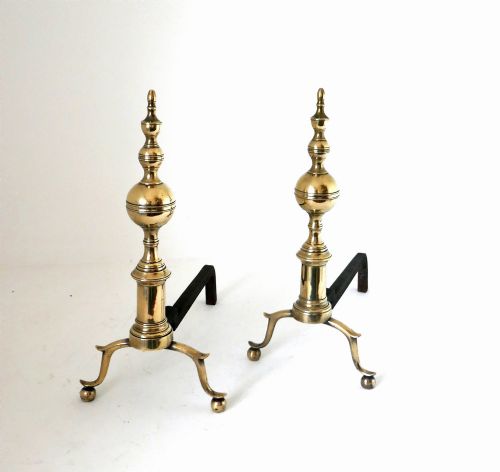
The periods represented stretch from the eighteenth century through the Victorian era and into the early twentieth century, capturing shifts in domestic life and industrial capability. Hearth accessories dominate the available forms, often forged or cast with classical or Victorian ornamentation to sit beside coal grates.
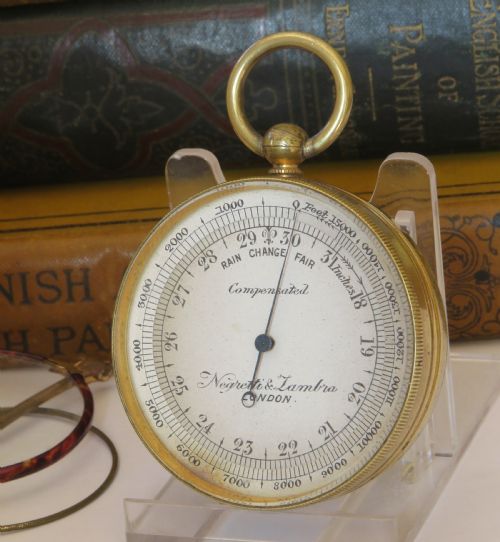
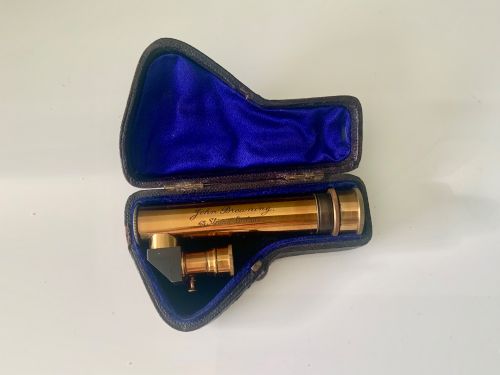
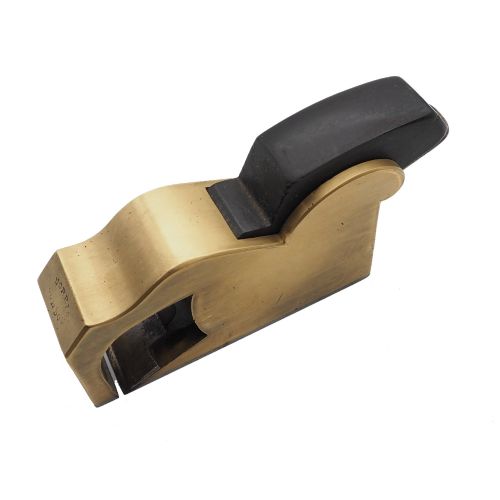
Alongside domestic hearth equipment, the listings reveal precision instruments such as pocket barometers, spectroscopes and levels, reflecting the era's scientific curiosity. Woodworking implements like planes and draw bore pins also appear, showing how brass was integrated into utilitarian workshop items to add durability and strength.
How they were made
Makers combined brass with steel, iron and hardwood, matching each material to its specific mechanical duty. Brass provided corrosion resistance and a warm finish for handles, mounts and decorative plates, while iron and steel formed the rigid working shafts and blades.
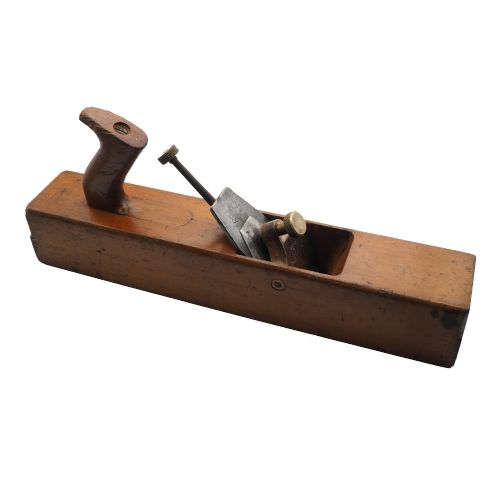
Casting and forging shaped the primary components, followed by hand-finishing, turning and engraving to refine the details. Wooden elements such as beech, walnut and pitch pine were turned on lathes or joined with brass bindings to create sturdy storage boxes and plane bodies.
Materials span cast iron, brass, steel, glass and hardwoods such as walnut and beech.
What varies in quality
The standard of a piece rests on the integrity of its construction and the precision of its assembly. Heavier gauges of brass and well-fitted joints indicate workshops that prioritized durability over mass production.
Decoration separates basic utility items from finer examples, with crisp engraving, balanced proportions and original matching implements marking out superior items. The survival of secondary components, such as original stands or fitted wooden cases, elevates a piece's integrity.
Negretti and Zambra·John Browning Strand London·Norris London·Holtzapffel and Co·L Casella and Co
The Antique Brass Tools Glossary
- Andirons
- Supports used to hold logs above the hearth floor, allowing air to circulate beneath the fire. They often feature decorative brass fronts.
- Companion set
- A matched group of fireside tools, typically including a poker, shovel and tongs, kept together on a stand or rest.
- Plane
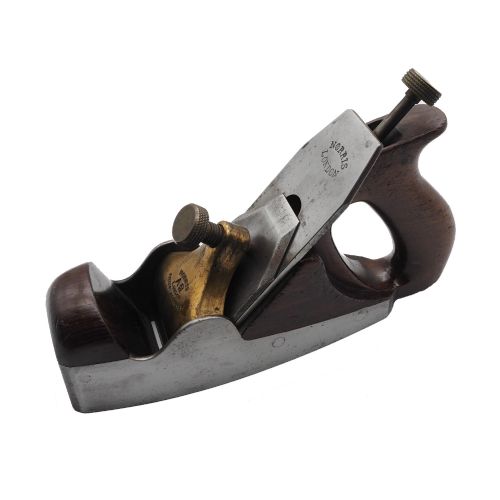
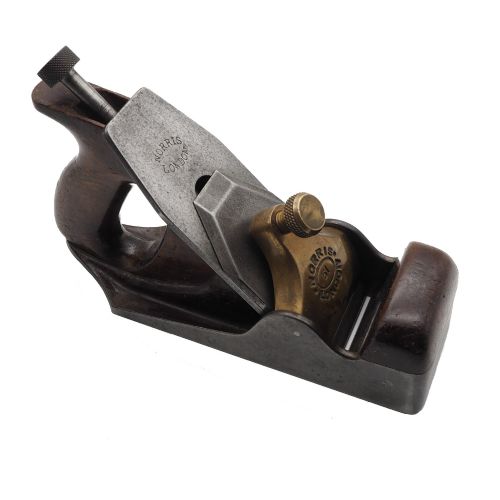
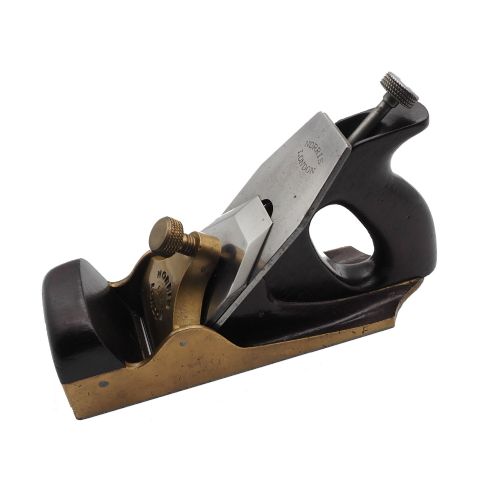
- A woodworking tool used to shave thin strips of wood from a board to flatten or smooth it. Gunmetal and brass bodies were utilised for stability.
- Spectroscope
- An optical instrument used to measure properties of light over a specific portion of the electromagnetic spectrum. These require fine engineering and brass housing.
- Pipe tamper
- A small hand tool used to pack tobacco down into the bowl of a smoking pipe. They were often cast in brass with detailed decorative finials.
Antique Brass Tools: Frequently Asked Questions
What is included in a fireside companion set?
A standard companion set generally includes a poker, a shovel and a pair of tongs designed for managing a coal or wood fire. These are often accompanied by a matching stand, rest or fender.
Historically, these tools were positioned beside the hearth for daily maintenance, combining practical utility with decorative brass work suited to the reception room.
How do I identify a nineteenth-century plane?
Nineteenth-century planes often feature bodies made from dense hardwoods like beech or specialised metals such as gunmetal and brass. Makers stamped their names and model numbers directly into the metal or wood toe.
Adjustable mechanisms and patent numbers marked on the body help pinpoint the manufacturing decade during the Victorian and Edwardian periods.
Were scientific instruments made entirely of brass?
Scientific instruments utilised brass for its non-magnetic properties, resistance to corrosion and ability to be machined to tight tolerances. Internal gears, dials and outer casings relied on this metal for stability.
Wood cases lined with velvet or leather frequently accompanied these instruments to protect delicate glass lenses and needles during transport.
How should I clean antique brass tools?
Antique brass tools generally retain a dark, oxidized surface patina built up over decades of handling and exposure to hearth smoke. Collectors prefer to leave this natural ageing intact rather than polish the metal to a bright shine.
Light dusting with a dry cloth is sufficient to remove surface dirt without stripping the historical finish or softening engraved details.