





19th Century Glass Rummer
A 19th century glass rummer brings heavy lead crystal and generous bowls to the table, offering a tactile connection to historical drinking traditions.
What 19th century glass rummer pieces are
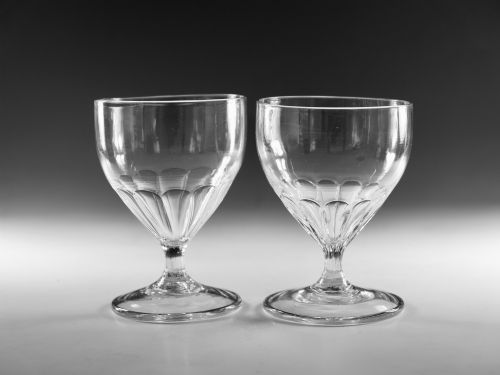
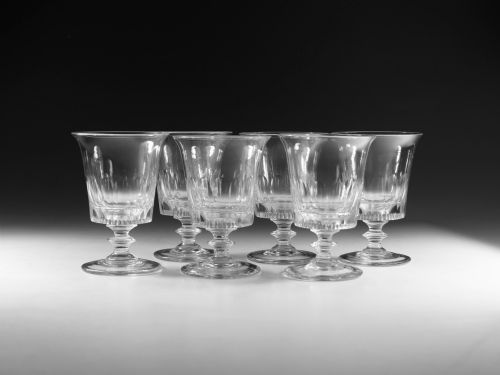
When searching for a 19th century glass rummer, collectors look at substantial drinking vessels produced across the Georgian, Regency and Victorian periods. These pieces include large table vessels, bucket bowl forms, and pan top examples designed for hearty toasts and daily service.
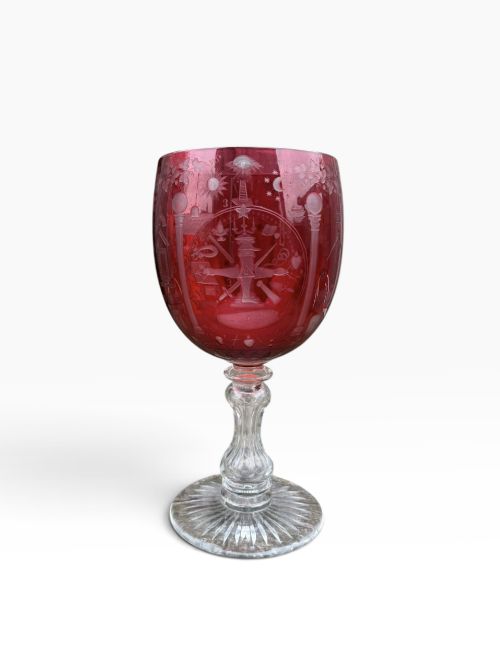
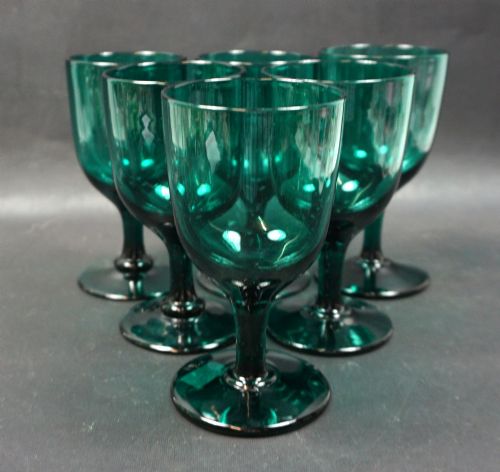
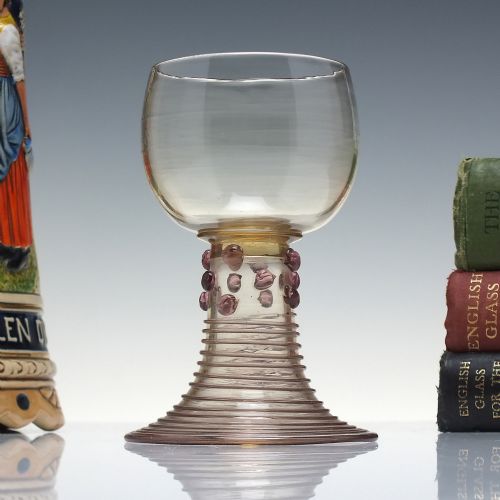
The versions most commonly met on this page span from approximately 1810 to 1850, originating from English and Anglo Irish workshops. They appear in clear glass, lead crystal, and occasionally coloured glass such as turquoise green.
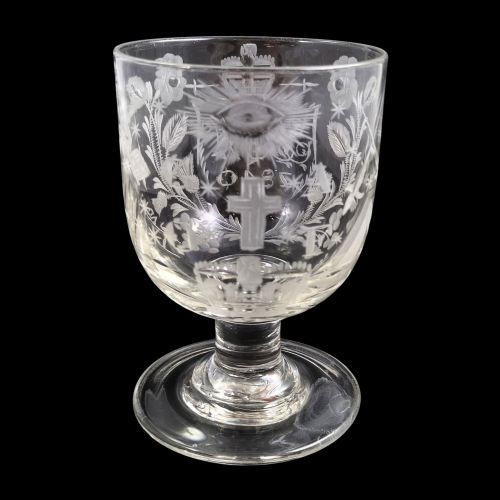
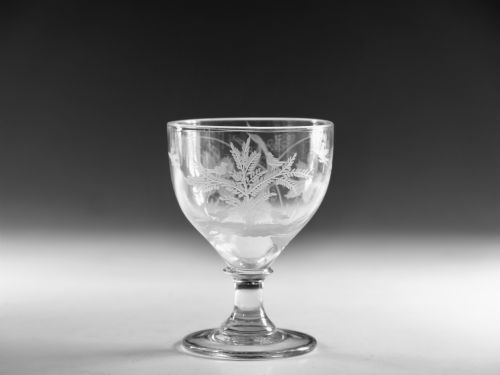
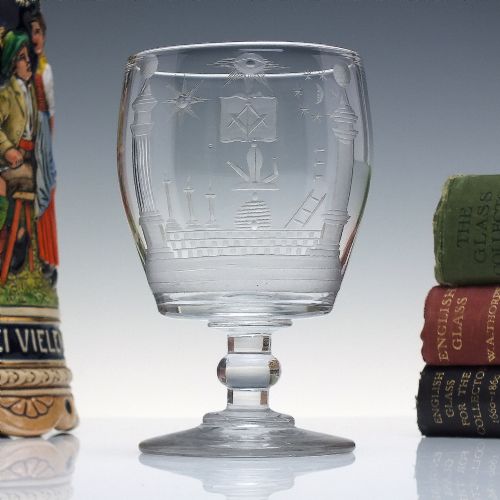
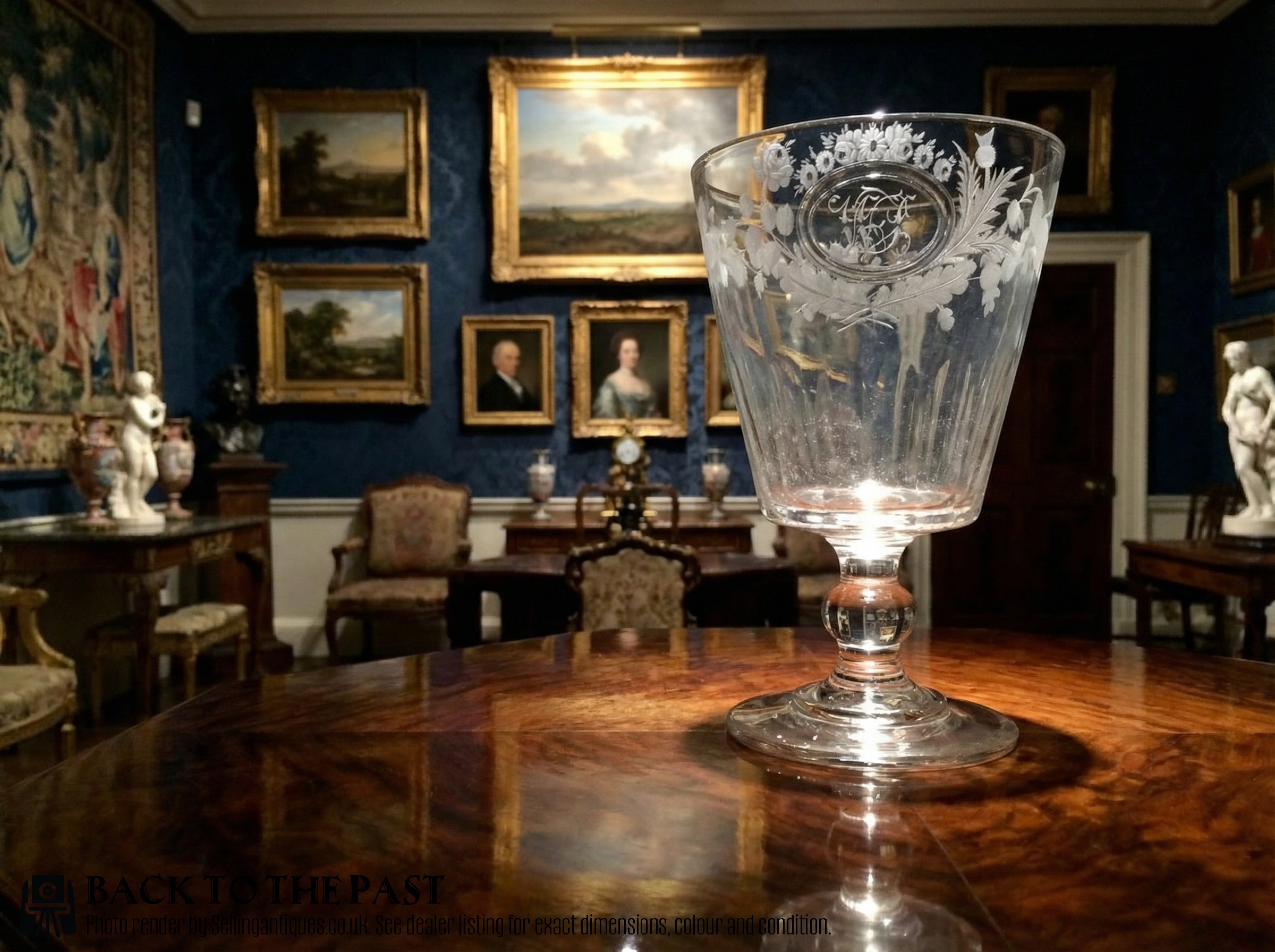
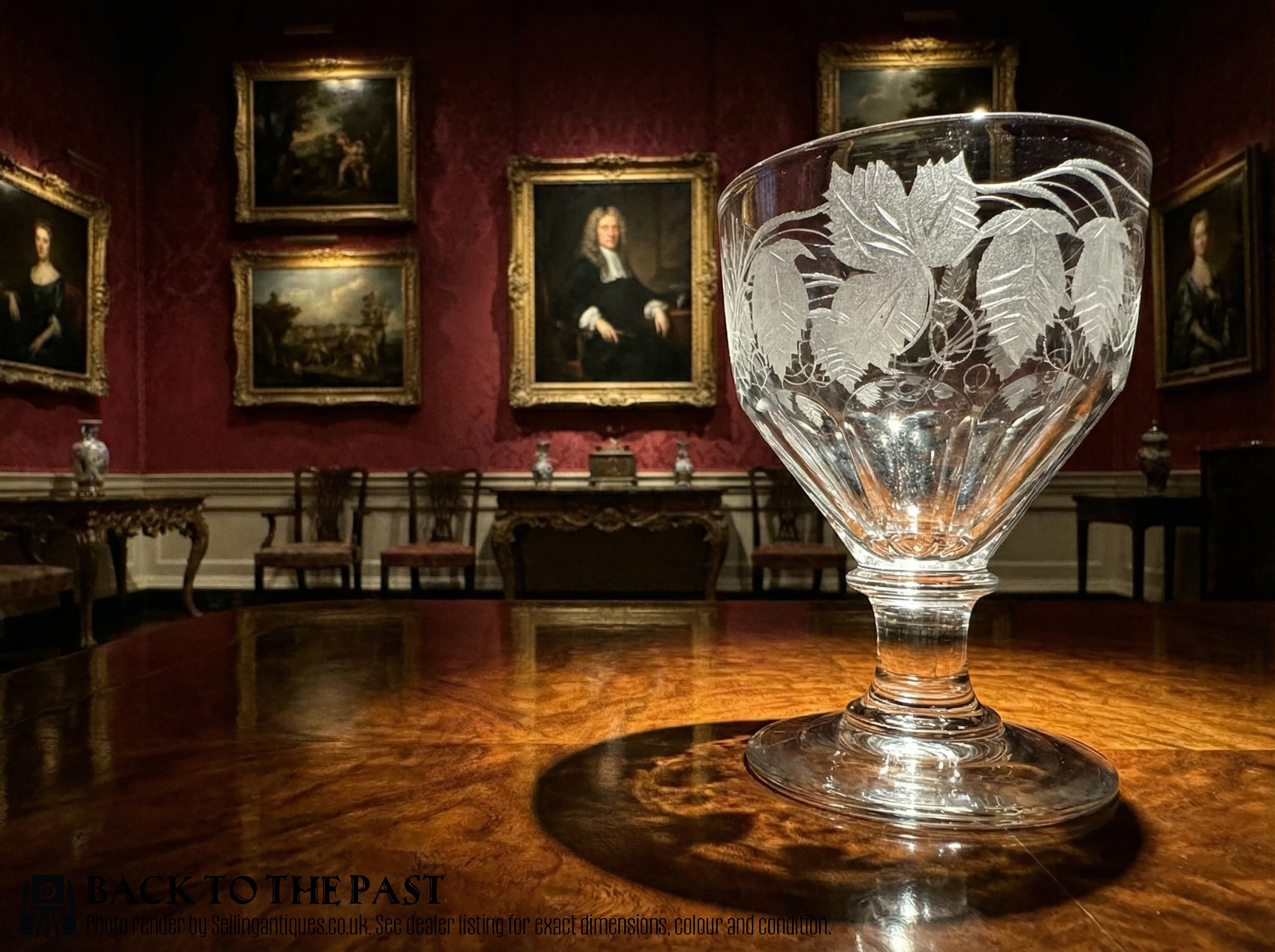
Many examples carry significant social history through wheel engraving, featuring Masonic emblems, patriotic motifs like the British Bulldog and Union Jack, or specific trade guilds such as the Worshipful Company of Glaziers.
Materials and methods
Makers utilised lead glass and heavy lead crystal, producing substantial walls that gave these vessels a reassuring weight in the hand. Clear glass and coloured glass were shaped by blowing into moulds or free-blowing before finishing by hand.
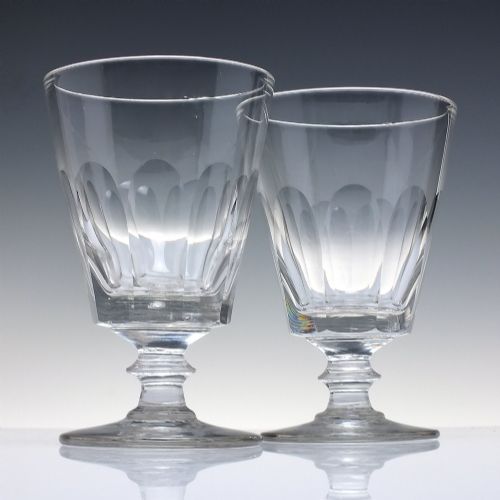
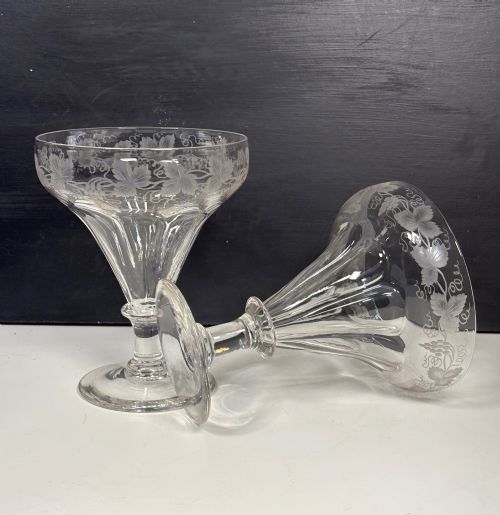
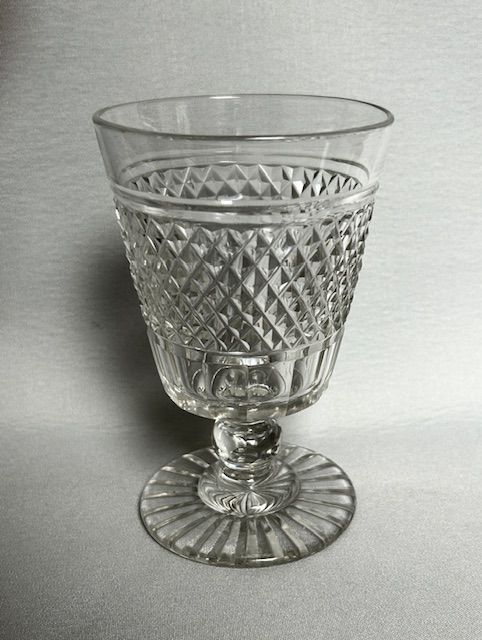
Surface decoration involved skilled wheel engraving and cutting techniques, yielding slice cut facets, geometric patterns, and detailed pictorial emblems. Bases were frequently finished with sturdy lemon squeezer feet or plain kick-up discs.
Retail Price Guide 2026
Typical UK retail prices for 19th century glass rummer, calculated from the Sellingantiques database of over a million retail prices indexed since 2003. This retail price guide relies exclusively on Sellingantiques data; no external sources or auction records are used, so the figures do not describe the wider market.
Listings feature lead glass, clear glass, and coloured glass across Georgian, Regency, and Victorian periods.
Judgements of quality
The distinction between ordinary utility ware and superior examples rests on the depth and clarity of the metal itself, alongside the crispness of the glass cutting. Heavy lead crystal with high refractive brilliance elevates a piece above standard domestic output.
Engraved detail dictates upper tiers of quality, where narrative depth, precision of wheel work, and commissioned emblems such as Masonic symbols or patriotic subjects show the hand of a master artisan rather than a jobbing glasshouse.
The 19th Century Glass Rummer Glossary
- Rummer
- A large drinking glass used in the eighteenth and nineteenth centuries, typically for beer, wine, or punch. The form evolved from tavern cups into substantial table vessels.
- Bucket bowl
- A straight-sided bowl profile curving outward sharply near the rim, resembling a traditional wooden bucket. This shape provides stability and strength for heavy engraving.
- Anglo Irish
- Glassware produced in Ireland or influenced by Irish glasshouses during periods of tax exemption. It is characterised by heavy metal and deep, sharp geometric cutting.
- Lemon squeezer base
- A square, pressed foot with panelled corners resembling a kitchen juicer. These heavy bases kept tall vessels from tipping during toasts.
Frequently Asked Questions
What were rummer glasses used for?
These vessels served as everyday drinking cups for ale, porter, wine, and punch in homes and taverns. Their large capacity suited communal toasts and celebratory gatherings.
Over the course of the nineteenth century, their role shifted from utilitarian tavern glassware to decorative display and commemorative use, often marking society memberships or patriotic events.
How do I date a glass rummer?
Dating relies on combining bowl shape, manufacturing weight, and decorative motifs found in the piece. Early examples from around 1810 often feature bucket bowls and heavy lead metal, while mid-Victorian pieces show different cutting styles.
Pontil marks on the underside and the presence of specific engraving themes help narrow the production window within the nineteenth century.
How should I clean antique glass?
Wash these vessels by hand in warm water using a mild, non-abrasive detergent. Avoid sudden temperature changes to prevent thermal shock to the old lead metal.
Dry them immediately with a soft lint-free cloth to maintain clarity and prevent water spots from settling on cut or engraved surfaces.
Are these glasses safe to drink from?
Historic lead glass is generally stable for occasional use, though beverages should not be stored in them for extended periods. Most collectors prefer using them for special toasts rather than daily hydration.
Inspect the rim and interior for any historical wear or chips before serving drinks to guests.