



19th Century Fire Guard
A 19th century fire guard provides hearth safety while bringing period metalwork and textiles directly into a room.
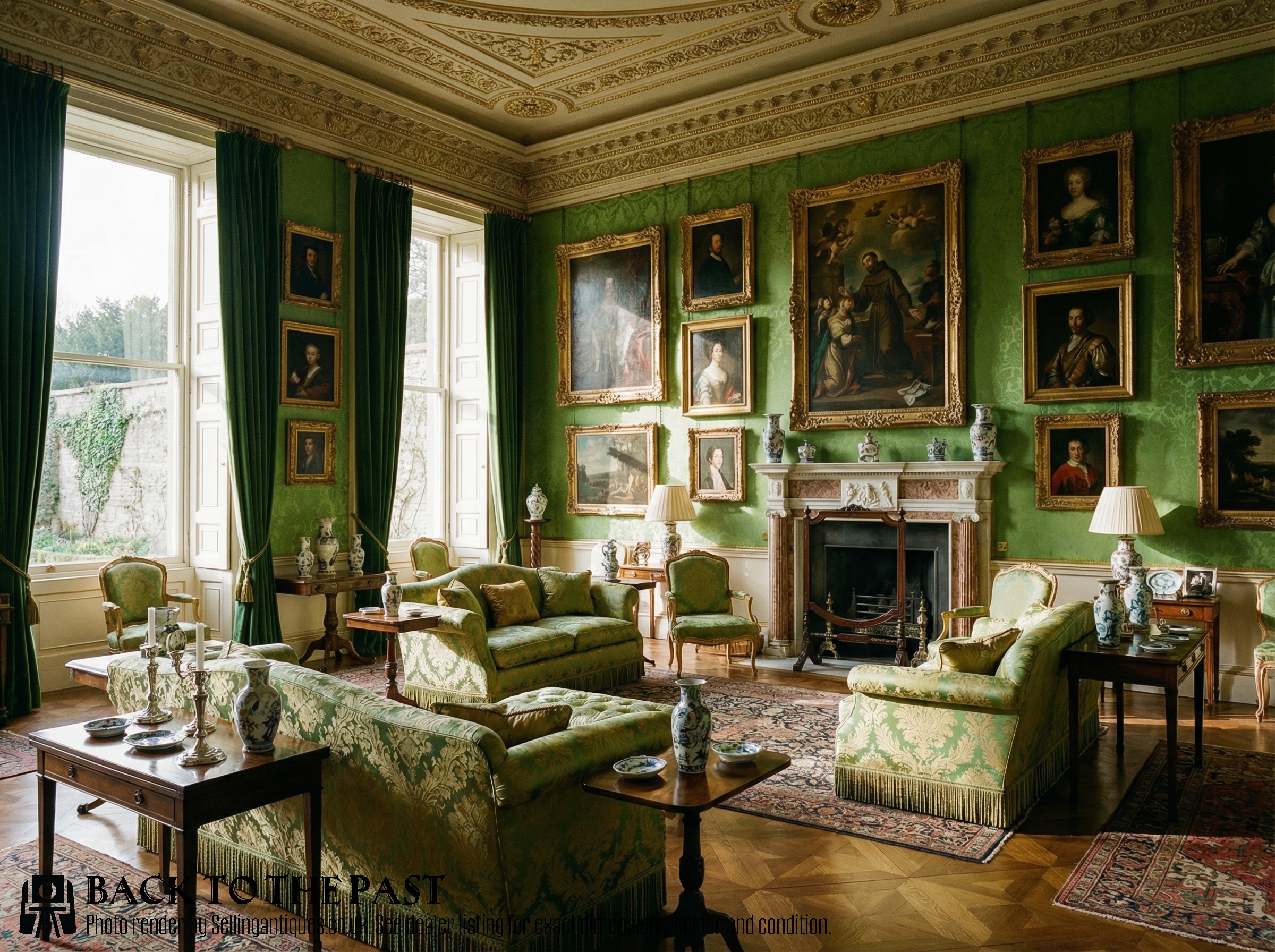
19th Century Fire Guard
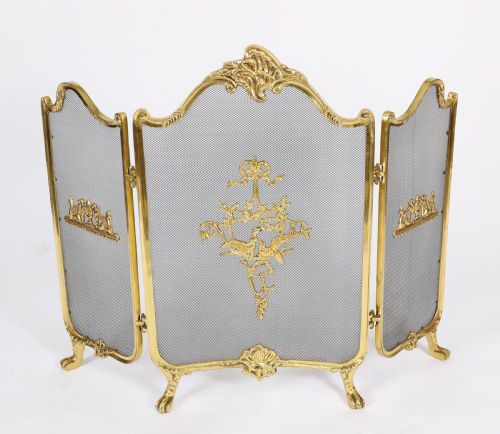
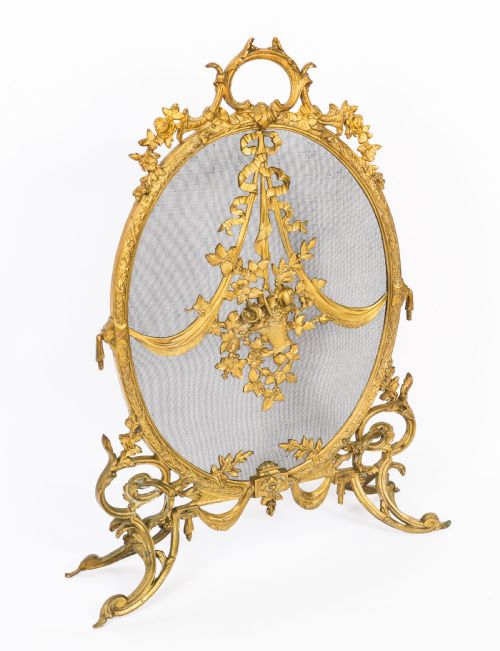
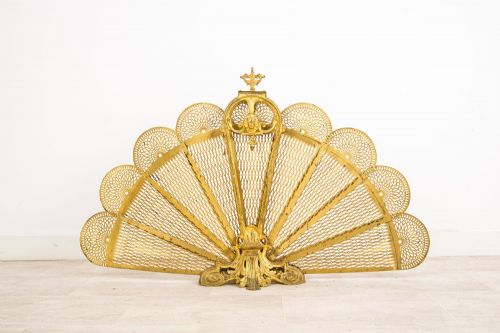
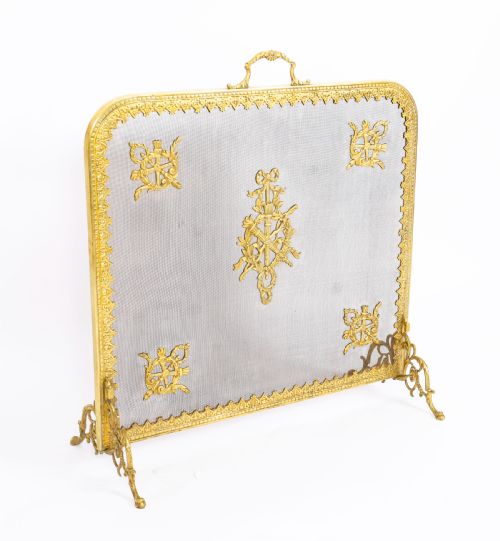
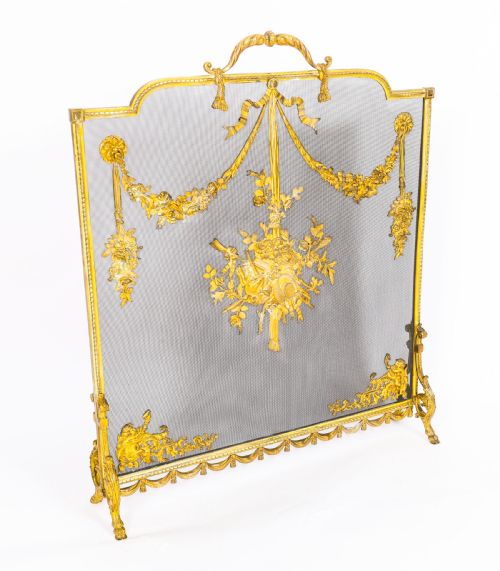
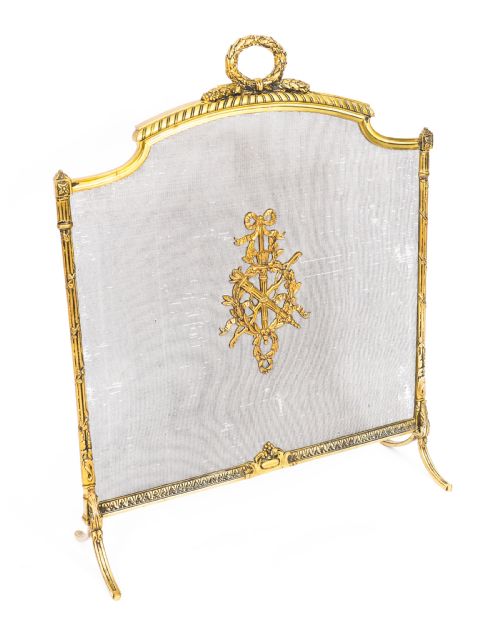
A 19th century fire guard encompasses functional nursery guards, folding screens, and hearth fenders designed to protect interiors from open flames and sparks. Buyers searching this phrase meet practical nursery guards alongside decorative French Rococo and Empire Revival fire screens.
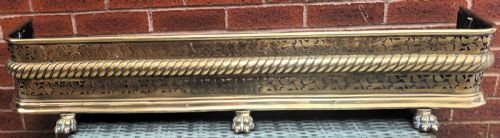
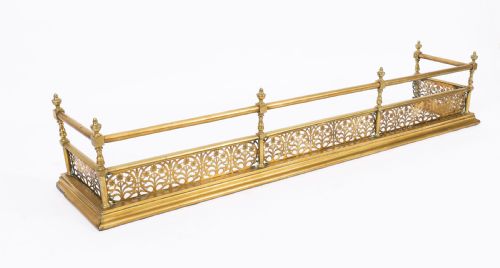
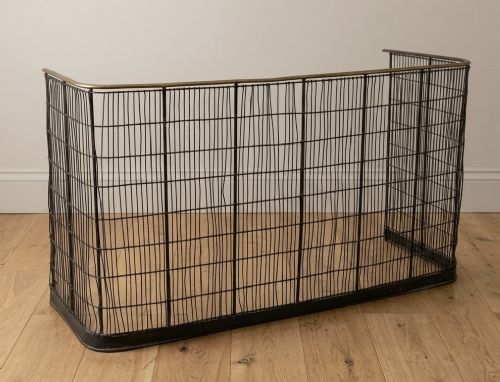
The selection ranges from sturdy iron and steel mesh nursery guards to polished brass fenders and elaborately mounted gilt bronze screens. Many examples incorporate adjustable frames, folding panels, or integrated rails.
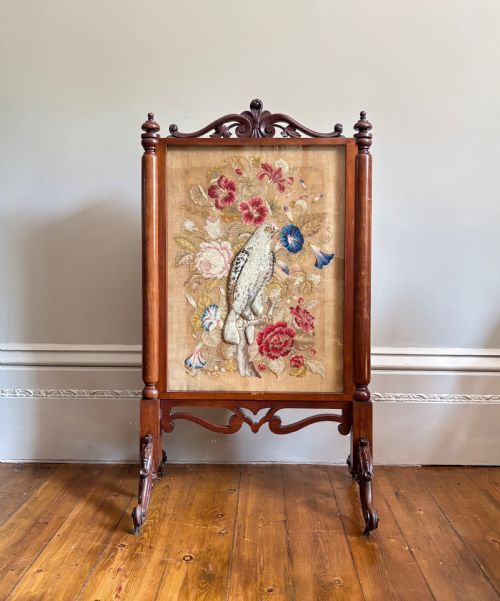
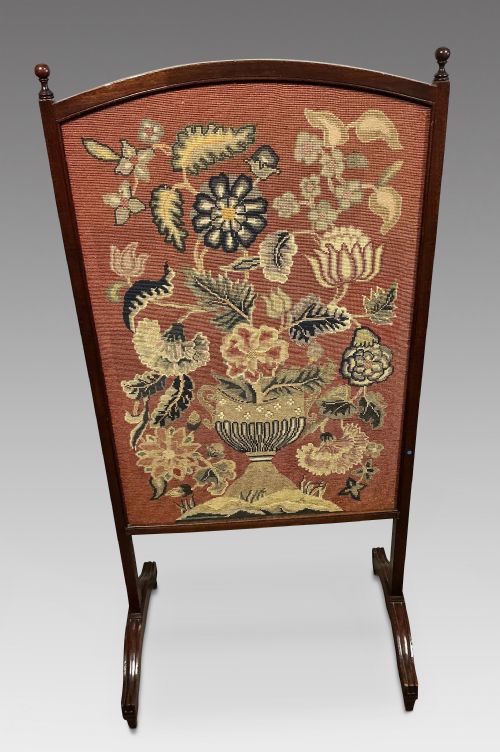
Textile and glass elements also appear across the period, featuring Berlin work panels, tapestries, and carved glass inserts held within mahogany or brass frames.

How they were made
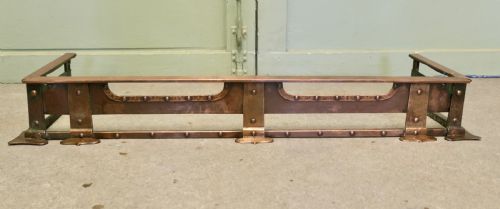
Makers utilised heavy brass, cast iron, and steel to construct the durable frames and wire mesh barriers required for hearth safety. Riveted copper and polished steel components demonstrate specialised metalworking techniques common to the era.
Decorative screens integrate gilt bronze, ormolu, and detailed cast mounts influenced by French Rococo and Empire revivals. Wooden elements such as mahogany and leather further enrich club fenders and framed panels.
Textile panels rely on traditional hand-woven needlepoint, tapestry, and Berlin work techniques, mounted securely into timber or metal structures.
19th Century Fire Guard Retail Price Guide 2026
Typical asking prices for 19th century fire guard among the pieces listed under this phrase on Sellingantiques today, from the lower quarter to the upper quarter. They describe what is for sale here now, not the wider market.
Several nursery guards include nappy rails, designed specifically for drying infant garments by the warmth of the fire.
What varies in quality
The distinction between standard utility guards and finer specimens lies in the weight of the metal and the precision of the casting. Heavier brass frames, intricate piercing, and detailed gilt bronze mounts separate superior examples from basic wire mesh.
The 19th Century Fire Guard Glossary
- Nursery fender
- A tall protective guard designed to enclose a hearth completely and prevent children from approaching the fire. These guards often include a brass rail at the top.
- Club fender
- A low hearth surround featuring cushioned seats upholstered in leather, constructed from brass, steel, or mahogany. These comfortable additions allowed people to sit close to the fire.
- Berlin work
- A style of counted-thread embroidery popular during the Victorian era, frequently used for decorative fire screen panels. It allowed makers to produce intricate pictorial designs.
- Ormolu
- Gilded bronze used extensively for decorative mounts on French revival fire screens during the 19th century. The technique creates a rich golden finish on cast metal elements.
19th Century Fire Guard: Frequently Asked Questions
How were fire guards used?
Fire guards protected domestic interiors from spitting coals and restricted access to open flames. Nursery guards created a physical barrier around the hearth for families with small children.
Folding screens and smaller guards were positioned closer to the fire to deflect radiant heat or to conceal the empty fireplace during warmer months.
What materials are typical?
Common materials include brass, cast iron, steel wire mesh, and copper. Frames were frequently manufactured from heavy brass or polished steel, sometimes combined with iron.
Decorative elements incorporated gilt bronze, mahogany, leather, and hand-woven wool tapestries or needlepoint panels.
How do I date a guard?
Dating relies on stylistic markers and manufacturing techniques associated with specific decades of the 19th century. Early examples often follow Regency or William IV designs, while mid-century pieces favour Victorian aesthetics and Berlin work.
Later Victorian items frequently display French Rococo Revival or Arts and Crafts influences through cast brass ornamentation and riveted copper construction.
Can I use an antique guard today?
Most antique fire guards remain entirely functional for traditional hearths and decorative interiors. Sturdily built nursery guards and heavy brass fenders offer practical containment for modern open fires.
Care should be taken with delicate textile panels or antique gilt surfaces when placed close to active, high-heat fires.