


Adjustable Fireplace Fender
An adjustable fireplace fender frames the hearth while letting you adapt the width to fit the room.
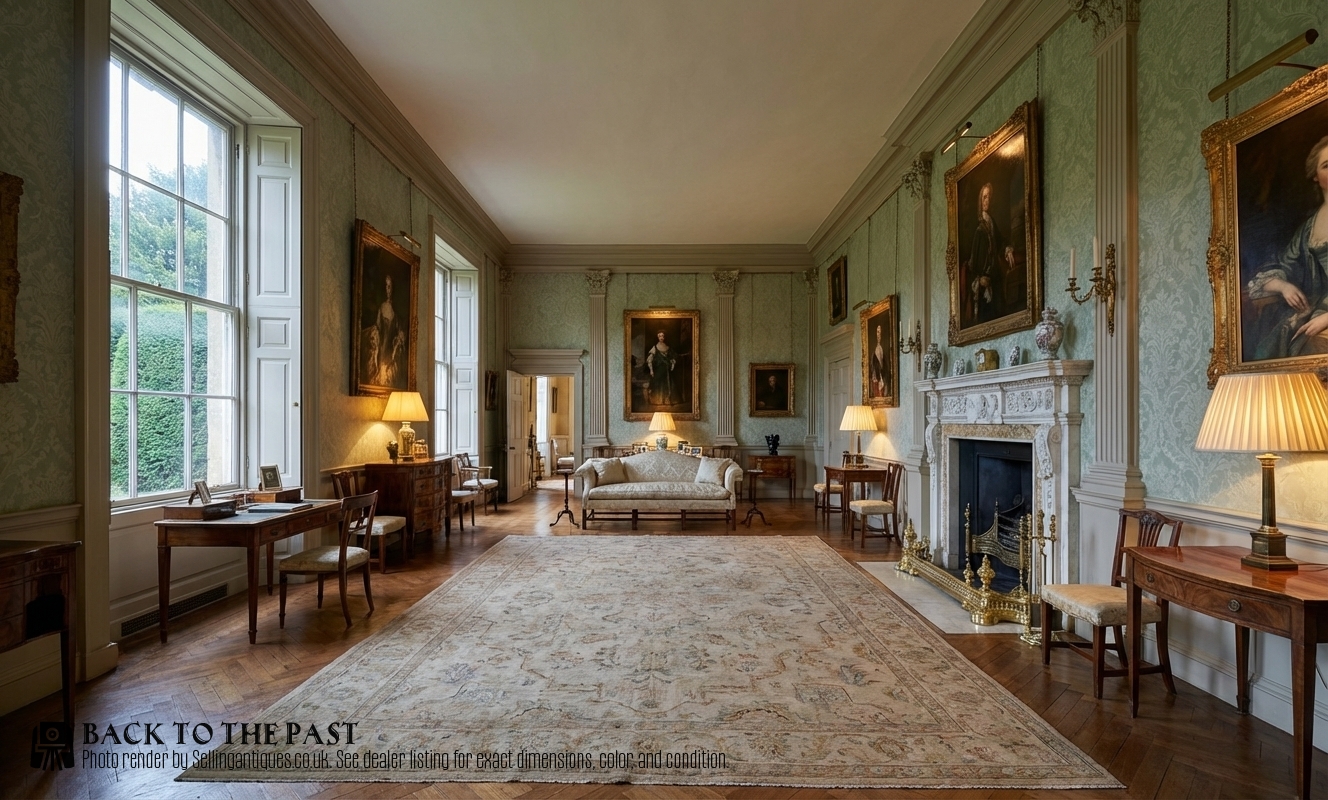
Adjustable Fireplace Fender
An adjustable fireplace fender is a hearth accessory designed to contain ash and protect the room from stray embers while spanning varying fireplace widths. You are looking at brass, bronze, and gilt metal examples spanning the Victorian and Edwardian eras, alongside Arts and Crafts designs.
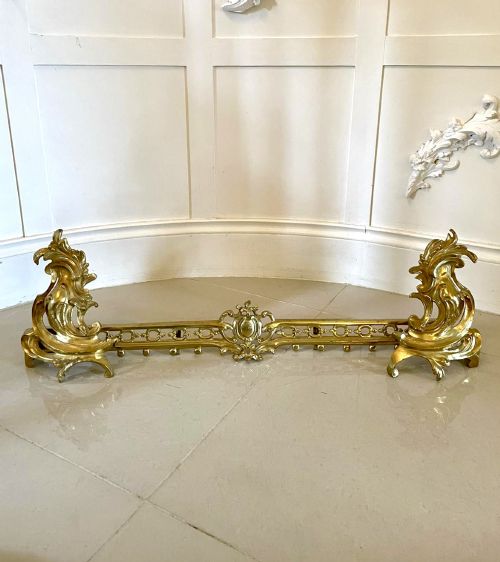
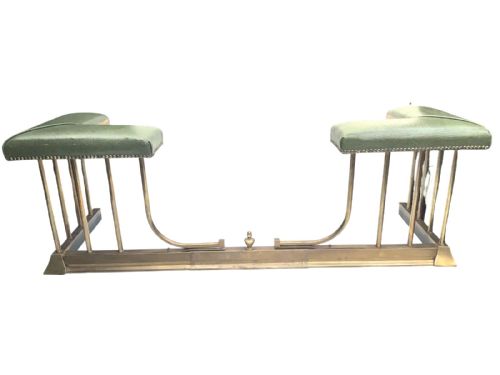
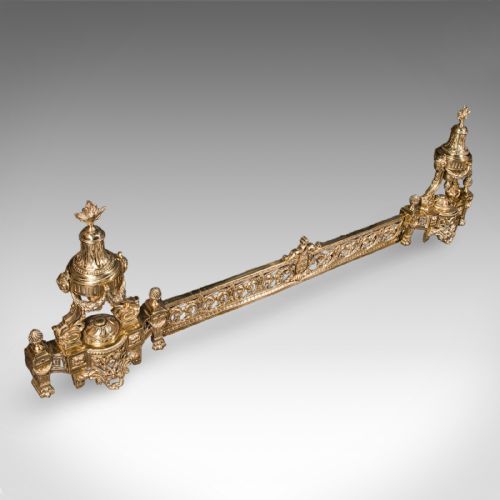
The pieces on this page range from simple extending brass rails to elaborate French Rococo and Louis XV style pieces with ormolu and chenets. Club fenders with leather seats also appear, bridging the gap between hearth guard and fireside seating.
Origins span English workshops and French foundries, capturing the decorative tastes of the nineteenth and early twentieth centuries. Most examples rely on sliding mechanisms that allow the frame to expand or contract between stone jambs.
How they were made
Makers utilised cast and sheet brass, bronze, and gilt metal, often finishing surfaces with rich gilding or polished highlights. Cast elements provided heavy corner pieces and decorative scrollwork, while sliding inner channels allowed the frame to move smoothly.
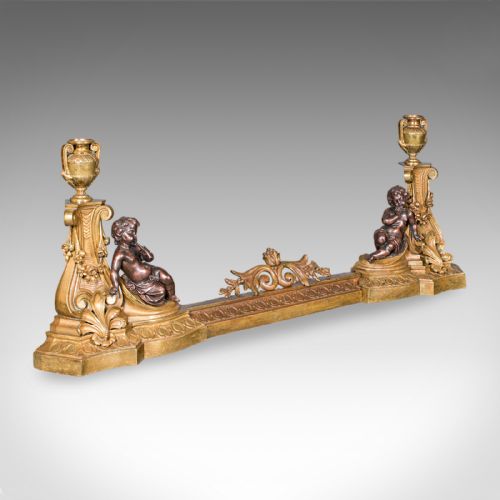
Foundries employed sand-casting for intricate ormolu and rococo mounts, joining decorative chenets to the main extending body. Gilt bronze and brass components were screwed or pinned together to maintain stability across the variable span.
Bronze putti occasionally peer out from nineteenth-century gilt chenets, guarding the hearth with small winged determination.
What varies in quality
The weight of the metal and the crispness of the casting set better examples apart from standard production pieces. Finer items display deep, hand-finished chasing on gilt bronze and ormolu mounts rather than shallow, soft detailing.
The smoothness and engineering of the sliding extension mechanism indicate the standard of manufacture. Robust tracks and tight joints ensure the fender holds its adjusted position securely on the hearth without wobbling.
Upholstery finish and leather grade distinguish high-end club fenders, where neatly stitched edges and substantial padding reflect careful workshop execution.
The Adjustable Fireplace Fender Glossary
- Chenet
- A French firedog or ornamental metal guard placed at the hearth, often matching or accompanying the fender.
- Ormolu
- Gilded bronze, typically created by applying a gold amalgam to a cast bronze base and firing it.
- Club fender
- A low-seated hearth guard featuring upholstered top rails, popular in Edwardian and late Victorian rooms.
- Rococo revival
- A nineteenth-century design style drawing on asymmetrical scrolls, foliage, and shell motifs from the French eighteenth century.
Adjustable Fireplace Fender: Frequently Asked Questions
How do adjustable fenders work?
These pieces use overlapping metal channels or sliding sections that expand or contract to match the width of the fireplace opening.
You simply pull the sides apart to the desired span, allowing the frame to sit snugly between the hearth stones without permanent fixings.
What is a club fender?
A club fender combines a metal hearth guard with integrated leather-upholstered seats running along the top frame.
They were placed around the fireplace to provide comfortable fireside seating while keeping people at a safe distance from the flames.
How do I date an antique fender?
Dating relies on stylistic clues such as cast motifs, metal composition, and the presence of specific revival ornaments.
Victorian and Edwardian examples often show distinct manufacturing marks, heavy brass casting techniques, or characteristic leatherwork styles.
Are all adjustable fenders brass?
While polished brass and gilt bronze dominate the selection, variations include bronze, ormolu, and combinations with oak timber.
Some pieces also incorporate leather seating or specific French stylistic influences rather than standard metal rails.