




Antique Hearth Border
An antique hearth border frames a fireplace to contain stray embers and anchor the room, bringing period character and metalwork craftsmanship to a living space.
Antique Hearth Border
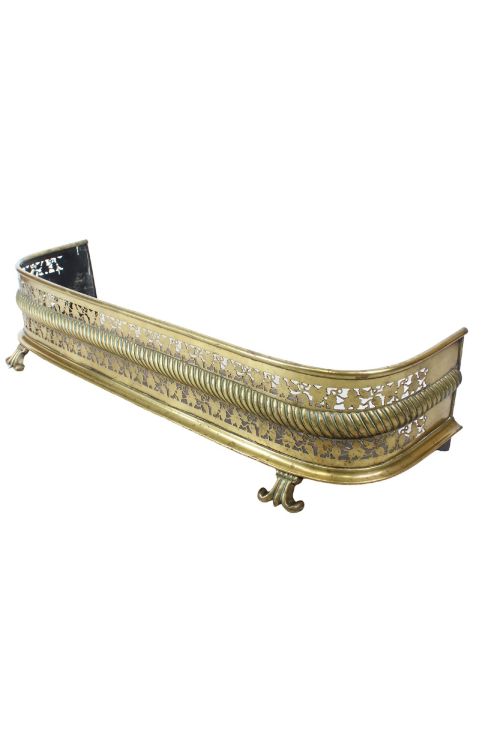
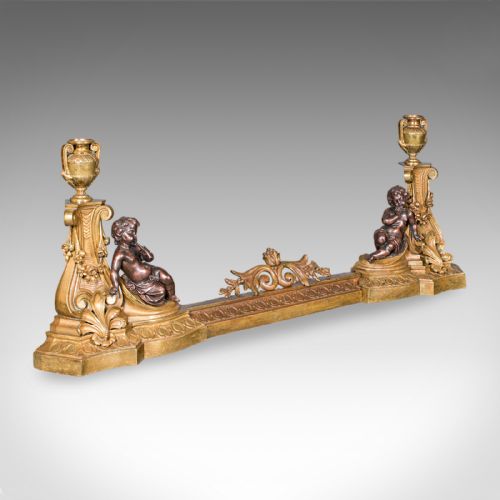
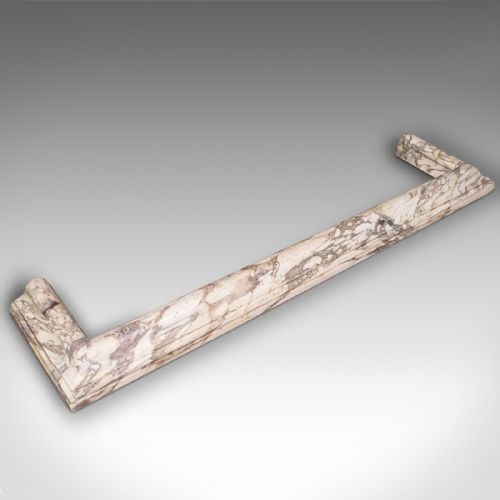
The search phrase antique hearth border leads you to fireplace fenders, fire kerbs, and surrounds that establish the boundary between a domestic fire and the main room. These items originate predominantly from the Victorian period, alongside Georgian, Regency, Edwardian, and early twentieth-century examples.
Textiles also appear under this heading in the form of wool and cotton rugs, specifically West Persian Senneh rugs from the nineteenth century. Most pieces you meet on this page serve to protect the floorboards while adding a period focal point to the hearth.
Materials and construction
Metalwork pieces rely on casting, piercing, and joining brass, bronze, copper, iron, and steel. Pierced brass and decorative metalwork require precise hand-piercing and assembly to form the gallery or kerb.
Marble surrounds are carved from solid stone to create large architectural fireplace frames. Textile inclusions like the Senneh rugs utilise traditional hand-knotting techniques with wool and cotton materials.
Listings span the Georgian, Victorian, and Edwardian periods, utilising materials including brass, bronze, copper, steel, iron, marble, wool, and cotton.
Distinguishing quality in metalwork and form
Quality rests on the crispness of the casting, the weight and gauge of the metal, and the intricacy of any pierced or chased ornamentation. Heavy brass and bronze castings with well-defined decorative details outrank thin, plain sheets of pressed metal.
The integrity of the construction, whether through secure corner joints or purposeful adjustability mechanisms, separates standard utility items from finely finished domestic accessories.
The Antique Hearth Border Glossary
- Fire fender
- A low metal barrier placed around the hearth to keep burning coals and ash from spilling onto the floor. These frames sit directly on the carpet or floorboards.
- Pierced brass
- Metal sheet or casting perforated with decorative patterns using saws or punches. This technique lightens the visual weight of the brass while creating intricate designs.
- Fire kerb
- An alternative term for a hearth boundary, often synonymous with a fender. It describes the structural barrier defining the edge of the fireplace opening.
- Senneh rug
- A type of woven textile originating from West Persia known for fine knotting and traditional patterns. These appear alongside metal hearth furnishings in floor protection.
- Regency
- A design period spanning the early nineteenth century characterised by classical motifs and elegant proportions. Pieces from this era often feature refined brass detailing.
Antique Hearth Border: Frequently Asked Questions
What is an antique hearth border used for?
These items serve to enclose the fireplace opening, keeping embers and ash contained safely within the hearth area. They also provide a defined visual boundary that anchors the fireplace within the room.
Beyond containment, they protect surrounding carpets and floorboards from stray sparks while introducing period metalwork or stone into the interior scheme.
How do I identify a Victorian brass fender?
Victorian examples often display pierced brass galleries, substantial weight, and decorative motifs reflecting nineteenth-century revival styles. Look for construction methods typical of the period, such as riveted joints and cast brass ornaments.
Stylistic cues range from ornate Art Nouveau influences to classic pierced patterns and heavy metal surrounds featuring lions or linear detailing.
Are all hearth borders adjustable in size?
Not all pieces adjust; many are fixed frames constructed to specific historical dimensions. Adjustable designs incorporate sliding sections that allow the width to be modified for different fireplace openings.
Checking the mechanism reveals whether a piece was built with telescopic sides or fixed metal corners.
Why do rugs appear under hearth borders?
Textiles such as Persian rugs are grouped with hearth furnishings because they occupy the floor space directly in front of the fireplace. Historically, small carpets or hearth rugs were placed before the fire to catch debris and warm the feet.
These woven pieces complement the metal fenders by softening the hearth area while serving a functional purpose.