

Victorian Brass Hearth Kerb
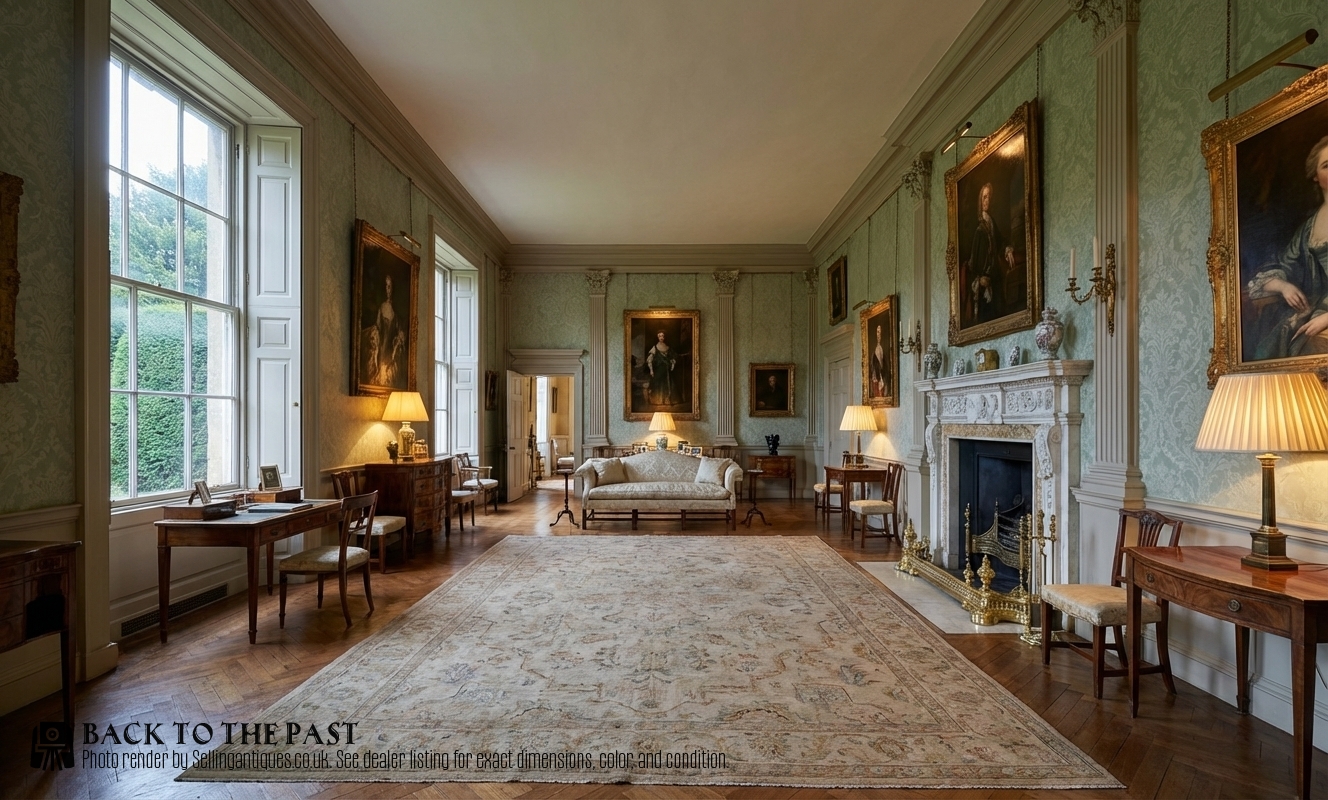
A victorian brass hearth kerb frames the fireplace hearth while keeping glowing embers safely contained.
Victorian Brass Hearth Kerb
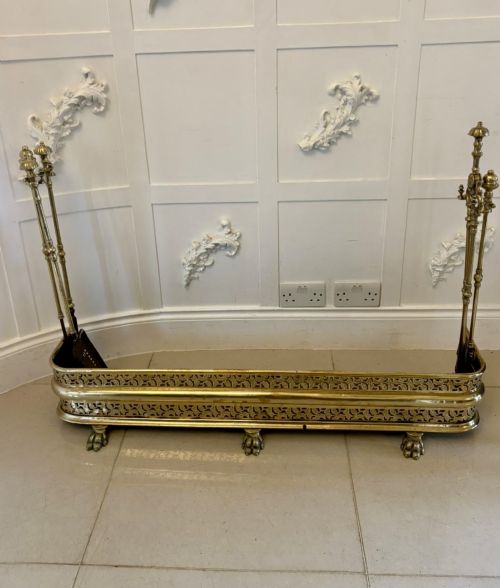
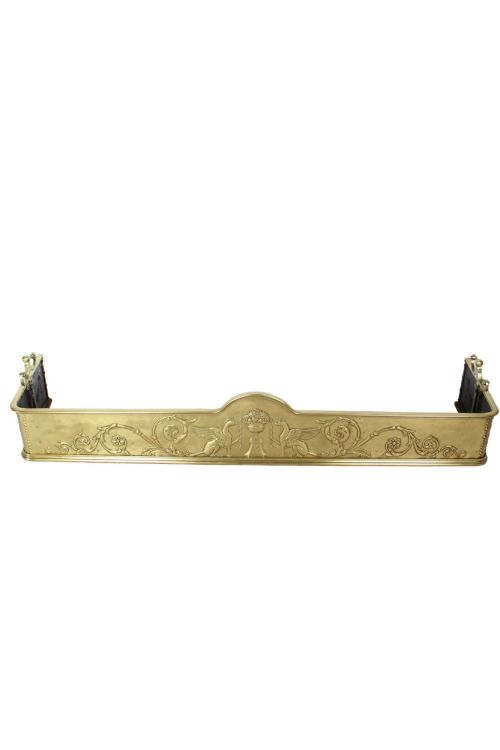
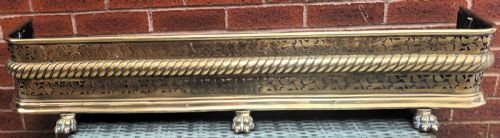
A victorian brass hearth kerb forms the protective boundary around an open fireplace, keeping stray coals and ash within the hearth area. When you search for a victorian brass hearth kerb, you encounter various configurations designed for nineteenth-century grates, ranging from simple adjustable rails to substantial corner seating designs.
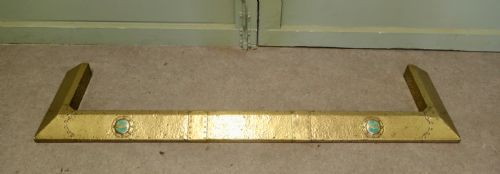
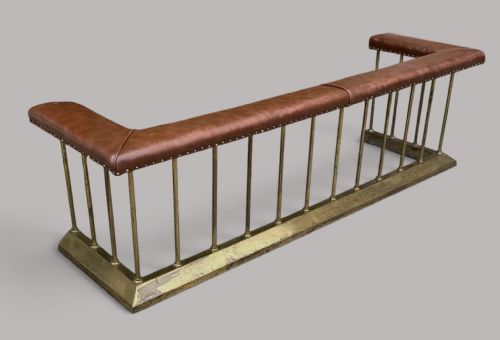
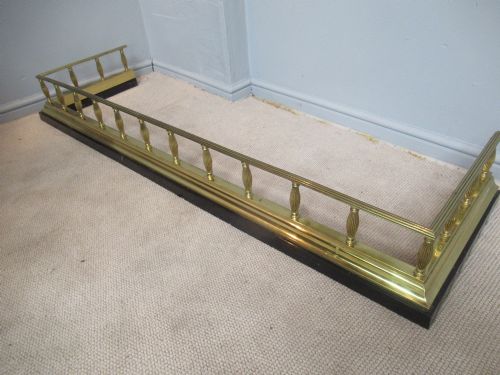
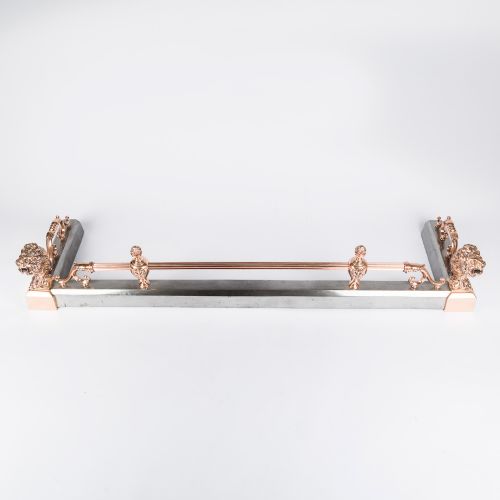
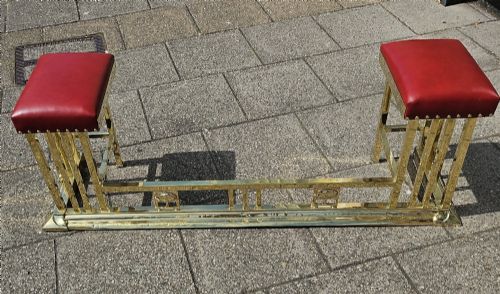
The pieces listed on this page span the Victorian and Edwardian periods, utilising materials such as brass, cast brass, iron, steel, bronze, and copper. Object types include fireplace fenders, hearth fenders, and club fenders upholstered in mature tan leather.
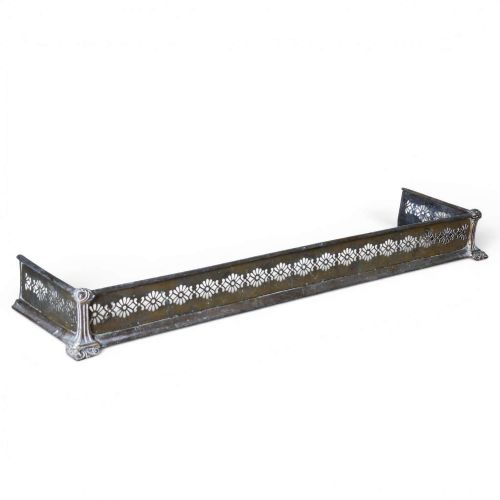
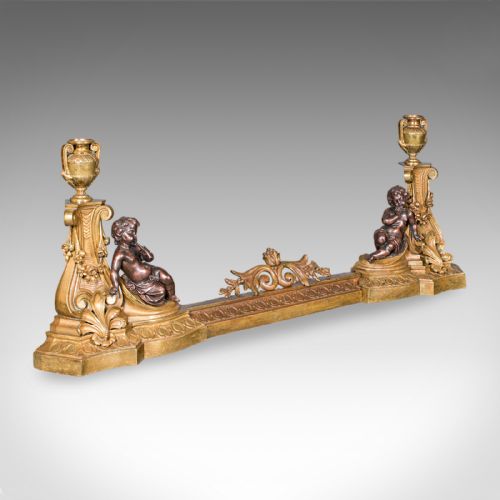
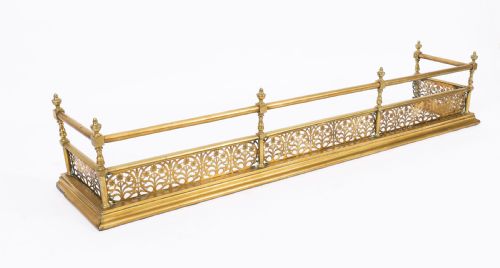
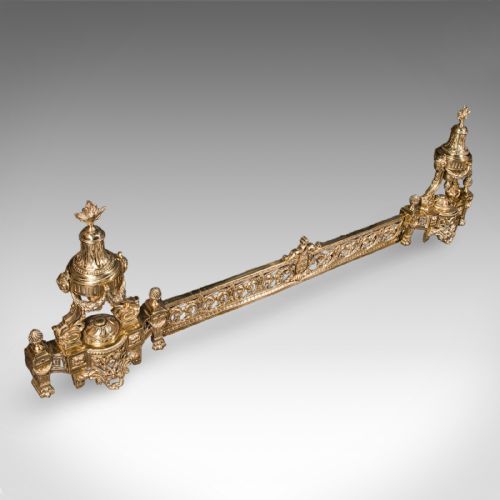
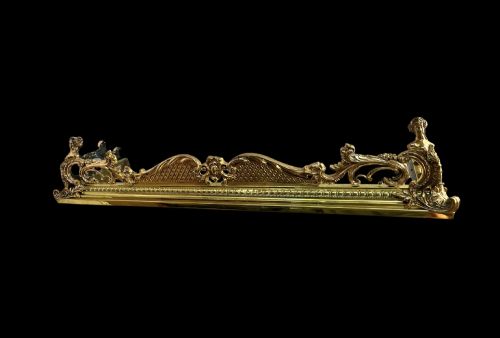
Stylistic influences vary widely across the inventory, taking in Regency, Victorian Neoclassical, Arts and Crafts, Art Nouveau, Rococo Revival, and Gothic designs. Pierced sheet brass and heavy cast components dominate the forms, frequently paired with steel bases or iron frames.
Construction and materials
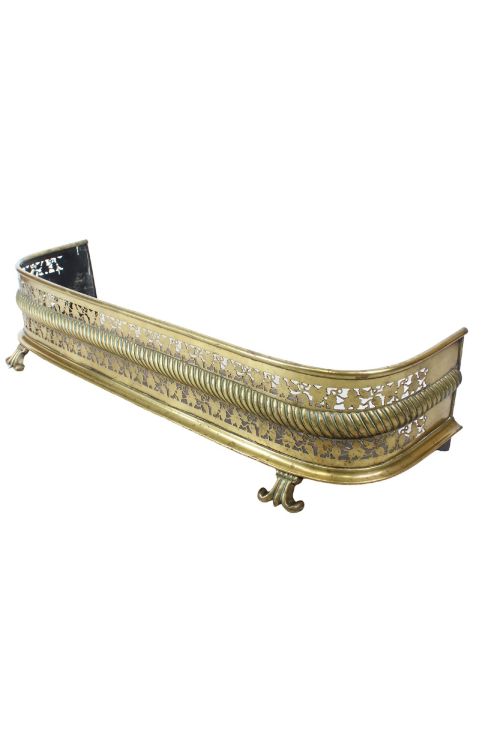
Makers constructed these hearth surrounds by combining sheet brass, cast brass elements, and structural iron or steel frames for rigidity. Pierced panels show intricate cutwork, while heavy cast sections display relief ornament characteristic of Neoclassical, Rococo Revival, and Arts and Crafts styles.
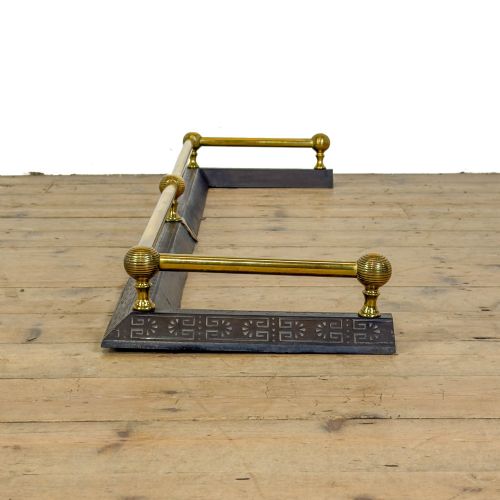
Many examples incorporate mixed metals, pairing bright brass rails with darkened steel bases, bronze mounts, or copper accents. Adjustable mechanisms allow certain fenders to expand, whilst upholstered club fenders feature buttoned leather seats supported on robust brass uprights.
Judging quality and character
The distinction between standard examples and superior work lies in the weight of the metal and the crispness of the casting or piercing. Finer pieces exhibit deeply chased surface detail, substantial gauge brass, and tight joinery that maintains structural integrity over decades of hearth use.
Secondary materials also indicate grade, with top-tier pieces employing tempered steel bases, heavy bronze fittings, or thick natural leather upholstery rather than thin plated alternatives. Original components, such as matching fire irons or unaltered adjustable fixings, elevate the standing of an individual kerb.
The Victorian Brass Hearth Kerb Glossary
- Club fender
- A low, U-shaped fireplace surround featuring cushioned seats upholstered in leather on either side of the hearth. This form originated in gentlemen's clubs to provide comfortable fireside seating.
- Pierced brass
- Sheet metal decorated by cutting or punching intricate patterns through the surface. This technique lightens the visual weight of the kerb while displaying decorative motifs.
- Fender
- A low metal guard placed around the hearth to contain falling embers and protect the room's flooring. They range from simple rails to elaborate architectural surrounds.
- Fire kerb
- An alternative term for a hearth fender, marking the physical boundary between the room and the open fire. They sit directly on the floor surrounding the hearth stone.
Victorian Brass Hearth Kerb: Frequently Asked Questions
How do I choose the right size?
Measure the width and depth of your fireplace hearth precisely before selecting a kerb. Remember that adjustable models offer flexibility if your opening falls between standard dimensions.
Ensure you account for the clearance needed around the fire basket and any hearth rug placement when determining your ideal measurements.
Can these kerbs be polished?
Solid brass components can indeed be polished using traditional metal creams to restore a bright shine if desired. Many collectors prefer to leave an aged patina intact.
Avoid abrasive pads that might scratch softer copper or thin brass plating found on certain period examples.
Were club fenders used for sitting?
Club fenders with leather upholstery were specifically designed as dual-purpose furniture providing a low seat close to the fire. The sturdy brass framework supports the weight safely.
They allowed household members to sit directly beside the warmth of the hearth during cooler months.
How do I identify a Victorian piece?
Nineteenth-century kerbs display distinct manufacturing traits such as hand-cut piercing, heavy cast brass feet, and integrated iron or steel support bars. Stylistic cues like Gothic revival or Neoclassical motifs also point to the era.
Look for construction methods predating modern machine stamping to confirm period authenticity.