



French Brass Fire Fender
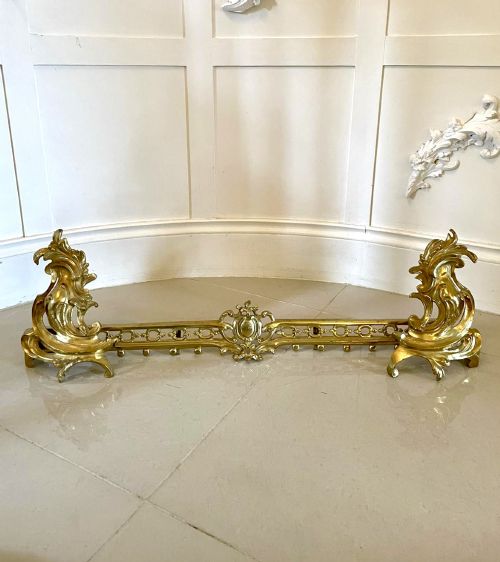
These french brass fire fender examples bring nineteenth-century hearth furnishings into modern rooms with classical French metalwork and adjustable frames.
French Brass Fire Fender
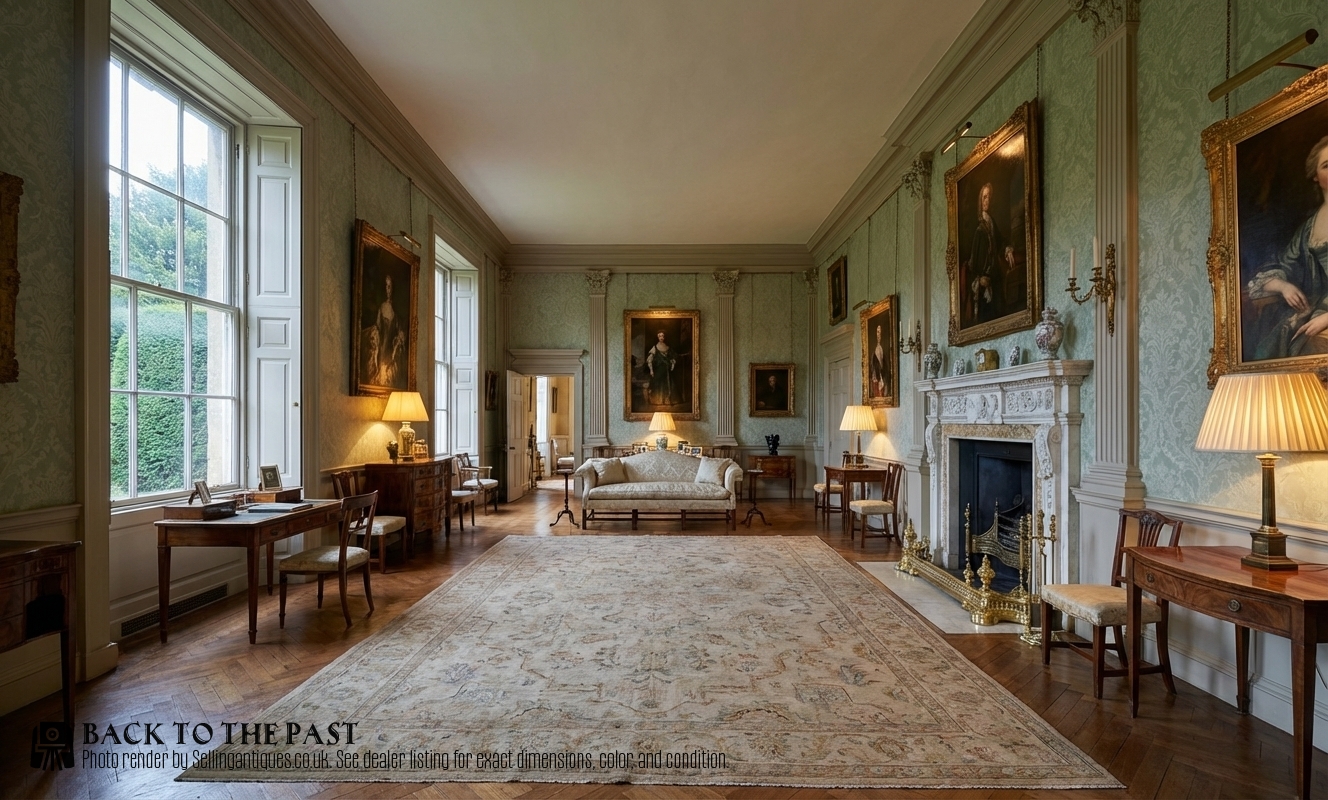
A french brass fire fender sits upon the hearth to contain embers and frame the fireplace opening. These pieces emerge primarily from the nineteenth century, spanning Victorian and Edwardian dates alongside specific decades like the eighteen fifties and nineteen hundreds.
Forms include extending and adjustable frames that adapt to various hearth widths. Certain examples incorporate cast iron or polished steel components alongside the brass work.
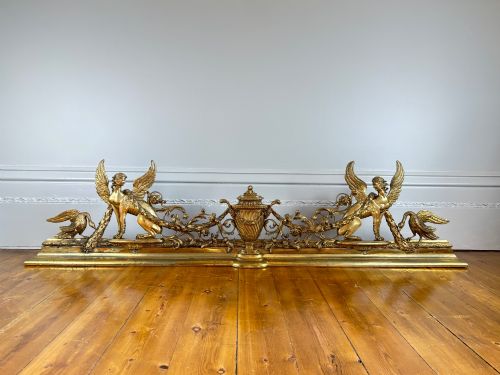
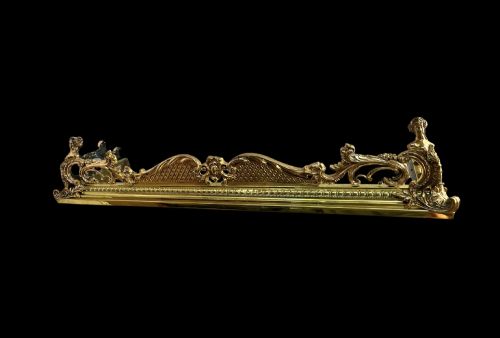
Stylistic influences draw heavily from French Rococo, Louis XV, Louis XVI Neoclassical, and French Empire designs. Buyers encounter everything from simple brass rails to elaborate ormolu and gilt bronze configurations with chenets and andirons.
How they were made
Maker workshops utilised cast brass, cast iron, and polished steel to build rigid structural frames that could withstand hearth temperatures. Metal sections were shaped into curved rococo scrolls or straight neoclassical lines.
Surface decoration relied on ormolu, gilt bronze, and gilded brass applied to the underlying metal base. Artisans chased and detailed the cast elements by hand to achieve crisp architectural ornamentation and figural motifs.
Napoleon and Josephine occasionally make an appearance on the hearth, keeping watch over the fire from solid brass mounts.
What varies in quality
The weight and thickness of the cast brass or bronze set superior examples apart from lighter productions. Finer pieces display deeper chasing and sharper definition in ornamental mounts, scrollwork, and figural details.
The sophistication of the extending mechanism dictates the engineering quality of the piece. Robust sliding bars and well-fitted joints ensure the fender adjusts smoothly while maintaining structural integrity on the stone hearth.
E F Caldwell New York
The French Brass Fire Fender Glossary
- Ormolu
- Gilded bronze produced by applying a mercury-gilt amalgam to a bronze base. This technique creates a rich golden finish characteristic of fine nineteenth-century French metalwork.
- Chenet
- A decorative firedog or andiron placed at the front of the hearth. They frequently accompany or form part of the fender assembly.
- Rococo
- An ornate artistic style characterised by asymmetrical curves, scrollwork, and naturalistic plant motifs. It heavily influences French fireplace accessories from the period.
- Gilt bronze
- Bronze metal that has received a thin layer of gold or gold-coloured finish. It provides durability alongside a bright metallic lustre.
French Brass Fire Fender: Frequently Asked Questions
What is a french brass fire fender?
A french brass fire fender is a hearth accessory designed to sit around the base of a fireplace opening. It prevents hot embers from rolling onto the floor while adding decorative metalwork to the room.
These pieces range from simple adjustable brass rails to highly ornate ormolu and gilt bronze structures featuring Louis XV or neoclassical motifs.
How do adjustable fenders work?
Adjustable fenders feature a telescoping or sliding mechanism built into the metal frame. This allows the user to expand or contract the overall width to fit specific fireplace hearth dimensions.
Many nineteenth-century examples utilise this extending design so they can be adapted to different mantel sizes.
How do I clean a brass fender?
Cleaning requires gentle dusting with a soft cloth to remove soot and surface debris. Avoid harsh chemical polishes that can strip the historic gilt or ormolu surface.
Preserving the original patina is essential for maintaining the character and visual depth of antique French metalwork.
How do I date an antique fender?
Dating relies on examining the casting techniques, fastening methods, and prevailing decorative styles. Pieces exhibiting Louis XV revival or neoclassical details often point towards the mid to late nineteenth century. nMaker signatures, where present, or the specific composition of the brass and bronze elements also help narrow down the period of manufacture.