



19th Century English Jug
A 19th century english jug brings daily utility and rich ceramic history to a table, offering tactile pleasure through moulded stoneware, lustre, and crystal.
19th Century English Jug
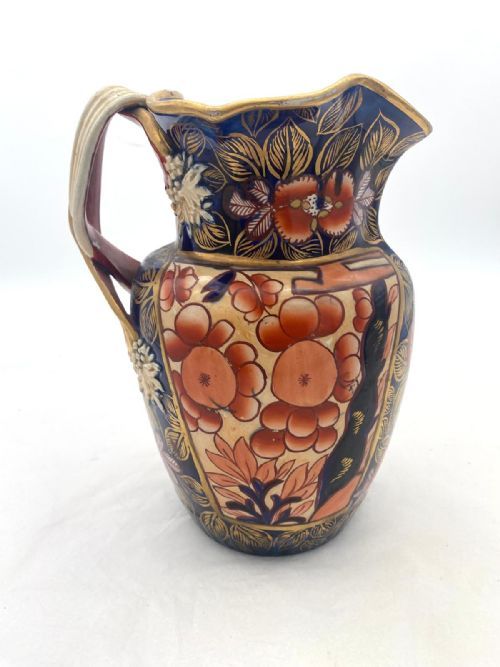
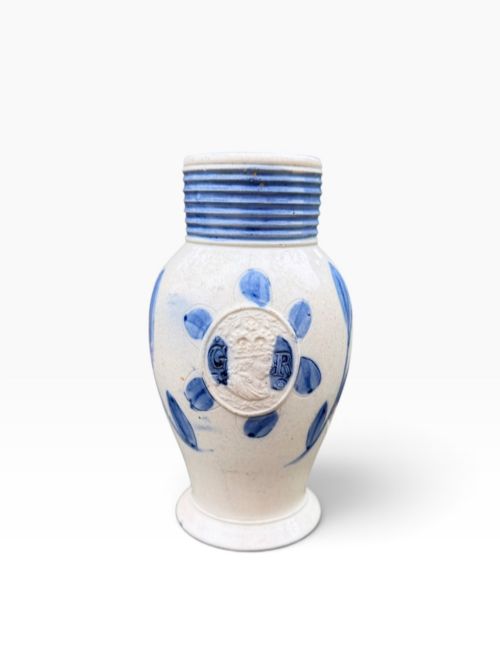
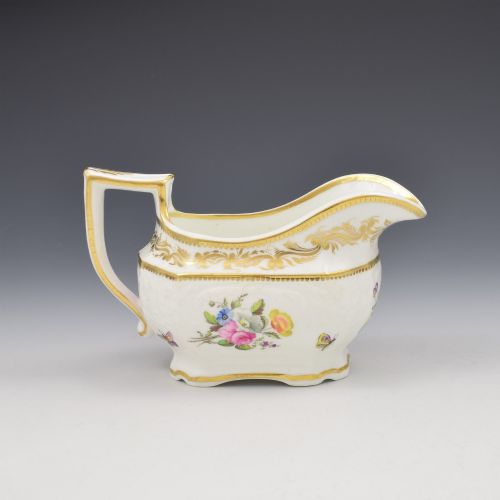
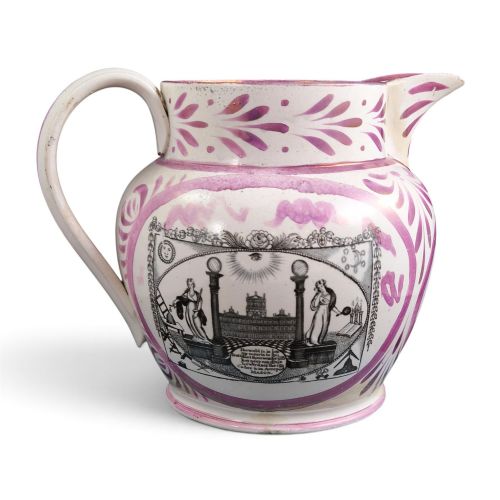
When you search for a 19th century english jug, you encounter an array of utilitarian and decorative vessels spanning Georgian, Regency, and Victorian eras. The selection includes earthenware cream jugs, transfer-printed Sunderland lustre pieces, ironstone pitchers, and crystal table vessels.
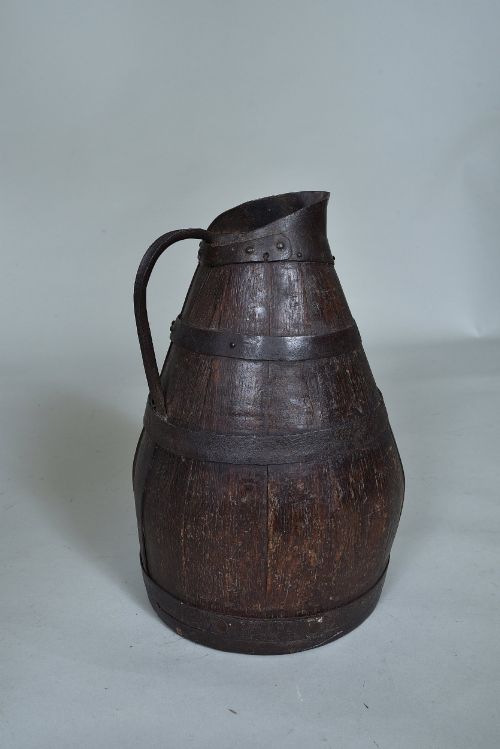
You are most likely to meet earthenware and stoneware examples from Staffordshire potteries alongside moulded porcelain and crystal wine jugs. Forms range from miniature creamers to large harvest jugs, accommodating everything from tea service to table service.
How they were made
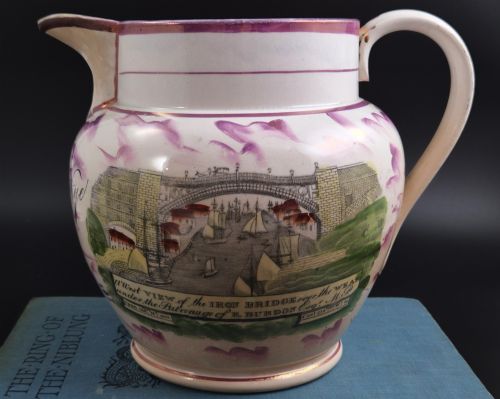
Potters shaped clay through throwing, slip casting, and relief moulding, utilising earthenware, ironstone, creamware, and pearlware bodies. Vessels received lead, treacle, or pink lustre glazes, often enhanced with hand-painted enamel colours or black transfer printing.
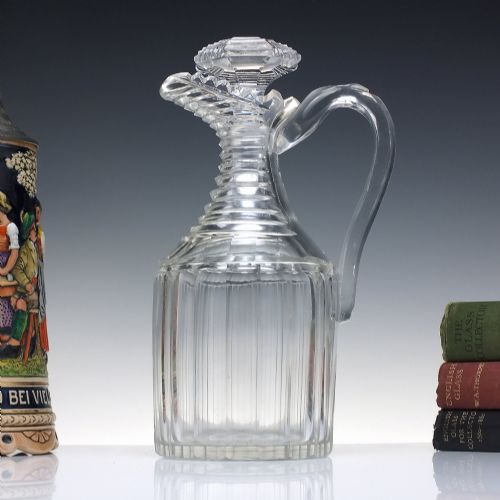
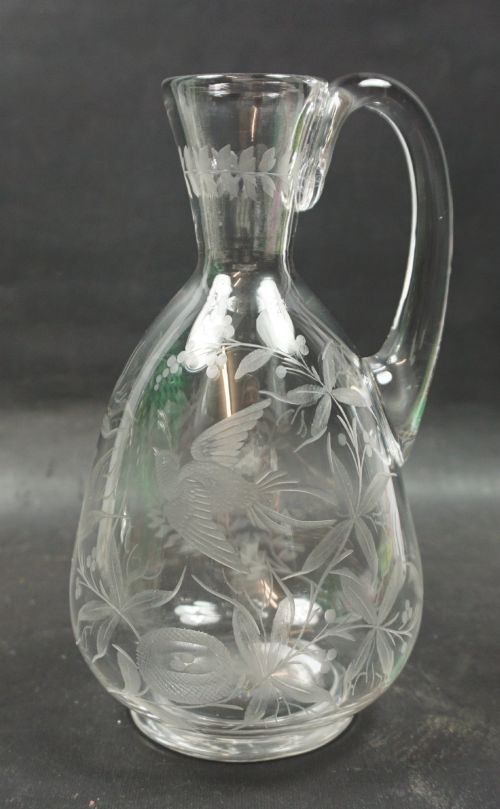
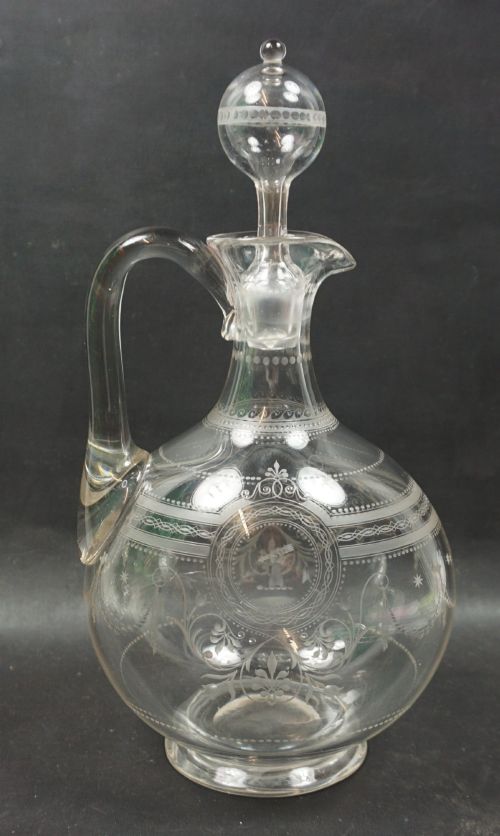
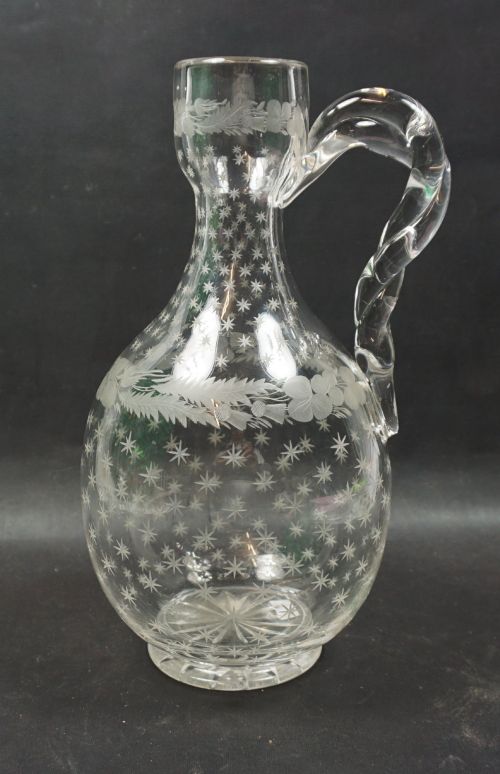
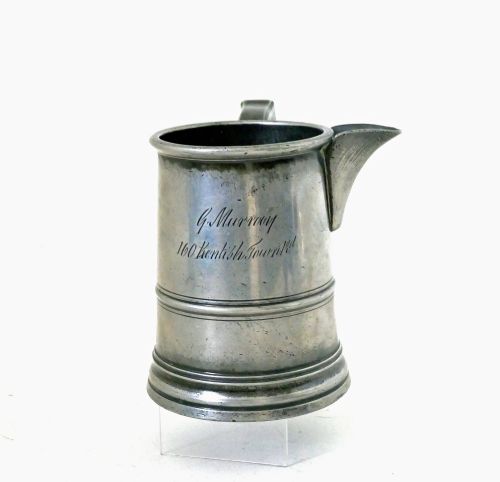
Glassmakers blew crystal into moulds or shaped it by hand, adding engraved crests, floral motifs, or latticinio threads. Metalworkers contributed pewter ale jugs and vessels fitted with silver rims.
19th Century English Jug Retail Price Guide 2026
Typical asking prices for 19th century english jug among the pieces listed under this phrase on Sellingantiques today, from the lower quarter to the upper quarter. They describe what is for sale here now, not the wider market.
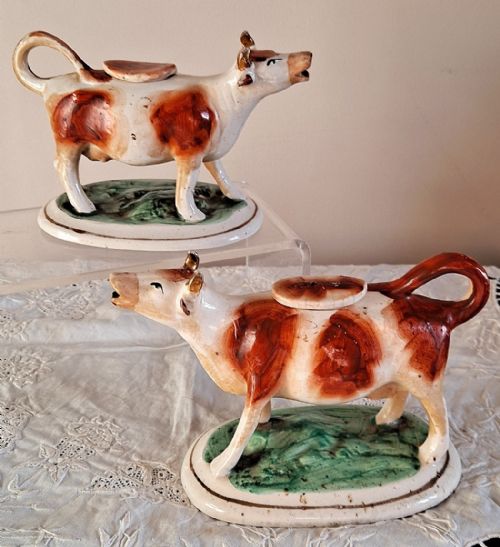
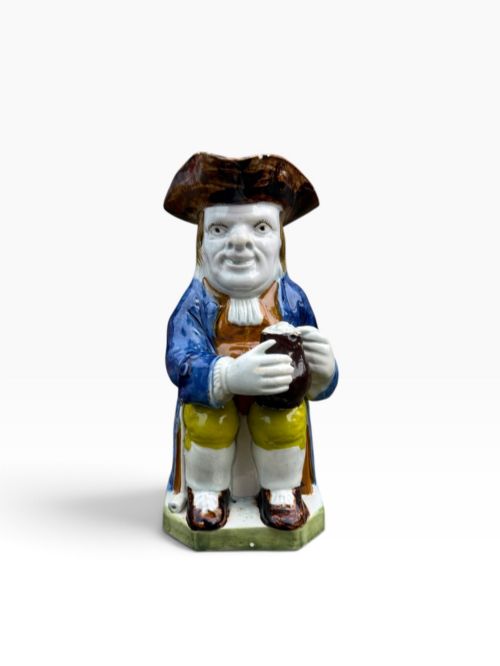
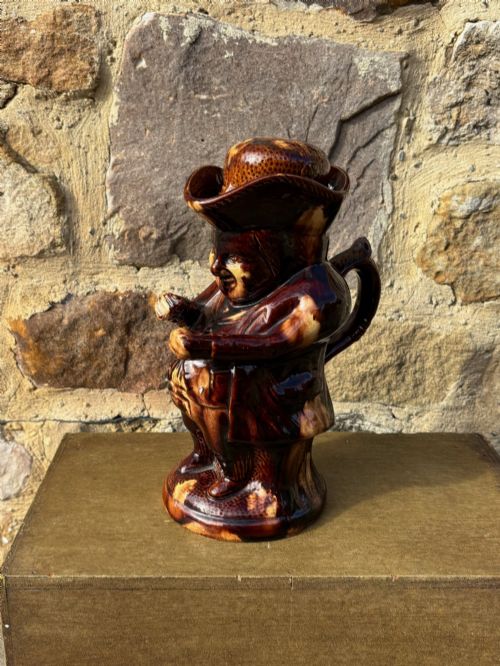
Form types range from Toby jugs and cow creamers to wine carafes, bachelor tea sets, and harvest jugs.
What varies in quality
Quality rests upon the crispness of the relief moulding and the skill of the hand-decoration, whether in the precision of a transfer print or the depth of glass engraving. Finer pieces display refined ceramic bodies, balanced proportions, and careful application of lustre or enamel.
The distinction between standard utility ware and exceptional exhibition pieces lies in the sophistication of the design, such as elaborate Bacchanalian scenes or detailed Masonic and shipping subjects.
Mason's·Spode·Wedgwood·Charles Meigh·Royal Worcester
The 19th Century English Jug Glossary
- Lustreware
- Earthenware decorated with a metallic glaze that creates a coppery, golden, or pink iridescent sheen. This technique was popular in northern potteries during the nineteenth century.
- Creamware
- A refined, pale cream-coloured earthenware developed in the eighteenth century and widely produced into the nineteenth. It provided a smooth surface suitable for transfer printing and enamelling.
- Ironstone
- A heavy, durable ceramic patented in the early nineteenth century as a hard-wearing alternative to porcelain. It frequently carried bold patterns and relief moulding.
- Transfer printing
- A method of applying detailed designs to ceramics from a copperplate engraving via paper tissue. This allowed intricate scenes and commemorative texts to be reproduced consistently.
- Relief-moulded
- Pottery shaped with raised decorative patterns using a multi-part mould. Floral, mythological, and architectural motifs are common on these vessels.
19th Century English Jug: Frequently Asked Questions
What were these jugs used for?
Nineteenth-century jugs served a variety of domestic and social functions, ranging from pouring cream at tea tables to serving ale and wine at dinner. Larger vessels functioned as harvest jugs for communal drinking or commemorated fraternal organisations like the Masons and Oddfellows.
Many examples were also made primarily for display on mantelpieces or sideboards, celebrating naval victories, political figures, or local landmarks such as the iron bridge over the River Wear.
How do I date a 19th century english jug?
Dating relies upon a combination of material composition, decorative style, and factory marks. Early pieces often feature Georgian creamware bodies or Regency shapes, while mid-century examples commonly display rich pink lustre or deep relief moulding.
Victorian pieces frequently incorporate registration marks, specific named subjects, or distinct glazing styles such as treacle or Jackfield black finishes that help narrow the period of manufacture.
How should I display ceramic and glass jugs?
Ceramic jugs benefit from stable placement on sturdy shelving or within enclosed cabinets where their relief work and lustre finishes catch the light. Glass wine and champagne jugs show best near natural light to highlight the engraved crests and crystal clarity.
Ensure that heavier stoneware and ironstone pieces have adequate support, and keep them away from edges where handles might be accidentally knocked.
What is the difference between creamware and ironstone?
Creamware is a lighter, more porous earthenware body with a warm yellowish hue, developed during the Georgian period for everyday table use. It offers a delicate surface that takes transfer printing and soft glazes exceptionally well.
Ironstone is a much heavier, denser ceramic invented to resist chipping and heavy wear, capable of holding bright enamel colours and crisp relief designs without losing structural integrity.